
In the heart of the Pacific Ocean, the islands of Hawaii carry a cultural depth that extends far beyond their world-class beaches and volcanic landscapes. For visitors traveling to Honolulu or exploring the rugged coasts of Kauai, one word appears frequently in speeches, local literature, and everyday conversation: “Pono.” While often translated simply as “righteousness,” the concept of Pono is a complex pillar of the indigenous Hawaiian worldview. It is a philosophy that dictates how individuals interact with one another, how they treat the land, and how they maintain a spiritual equilibrium within the universe. Understanding Pono is essential for any traveler who wishes to move beyond the surface of a tropical vacation and truly engage with the soul of the United States’ 50th state.

Understanding the Essence of Pono in Hawaiian Culture
To grasp what Pono means, one must look toward the linguistic and historical foundations of the Hawaiian people. The word does not have a single direct equivalent in English; rather, it represents a state of being where everything is in its correct place. When something is Pono, it is right, just, balanced, and productive. It describes a condition where the physical and spiritual realms are in harmony.
The Linguistic Roots and Moral Compass
In the Hawaiian language, Pono serves as both a noun and an adjective. Historically, it was used to describe a person’s character or the state of a kingdom. A leader who ruled with Pono ensured that the people were fed, the land was fertile, and the gods were honored. This sense of righteousness is famously captured in the state motto of Hawaii: “Ua Mau ke Ea o ka ʻĀina i ka Pono,” which translates to “The life of the land is perpetuated in righteousness.” This phrase was first uttered by King Kamehameha III in 1843 and remains a guiding light for the local government and community today.
For a modern resident or visitor, practicing Pono means making decisions that are ethically sound. It is an internal moral compass that asks: “Is this action respectful? Does it create harmony? Is it the right thing to do even when no one is watching?” This ethical framework is what has allowed the “Aloha Spirit” to thrive despite the historical challenges faced by the islands.
Ho’oponopono: Restoring Balance
One of the most famous applications of this concept is “Ho’oponopono,” a traditional Hawaiian practice of reconciliation and forgiveness. The word literally means “to make right.” In ancient times, if a family or community experienced conflict, they would gather to practice Ho’oponopono, guided by a respected elder or a “Kahuna.” The goal was to clear away misunderstandings, admit wrongs, and restore the state of Pono between individuals. Today, this practice is still utilized throughout Oahu and Maui to maintain social cohesion, reminding everyone that lingering resentment disrupts the collective balance of the community.
Living Pono: From Ancient Traditions to Modern Daily Life
Pono is not a static definition found in a dictionary; it is a lived experience. It manifests in the way locals interact with their “Ohana” (family) and their “Aina” (the land). For those visiting Hawaii Island, observing how the community navigates modern challenges through the lens of Pono offers a profound cultural insight.
Stewardship of the Land (Malama Aina)
In Hawaii, the land is not merely a resource; it is an ancestor. The concept of “Malama Aina,” or caring for the land, is a direct expression of Pono. To live Pono is to acknowledge that humans are part of the ecosystem, not masters of it. This is why you will see local volunteers cleaning the shores of Waikiki or working in the taro patches (lo’i) in the Hanalei Valley.
When visitors choose to stay at eco-conscious resorts or participate in reforestation efforts near Volcanoes National Park, they are participating in a Pono way of travel. It is about leaving the destination better than you found it. This environmental ethics is particularly visible in places like Haleakala National Park, where the preservation of rare endemic species is seen as a moral obligation to the ancestors.
Community Harmony and Social Responsibility
Socially, Pono translates to a deep sense of responsibility (Kuleana) toward others. In smaller communities like Molokai or Lanai, the Pono thing to do is often to put the needs of the group above the desires of the individual. This might mean sharing a catch of fish with neighbors or ensuring that the elderly are cared for. For the traveler, this is felt in the warmth of the hospitality, but it also demands a level of reciprocal respect. Respecting the “Kapu” (sacred or forbidden) signs and following local customs is the Pono way to navigate the social landscape of the islands.
Pono in the Context of Hawaii’s Tourism and Travel
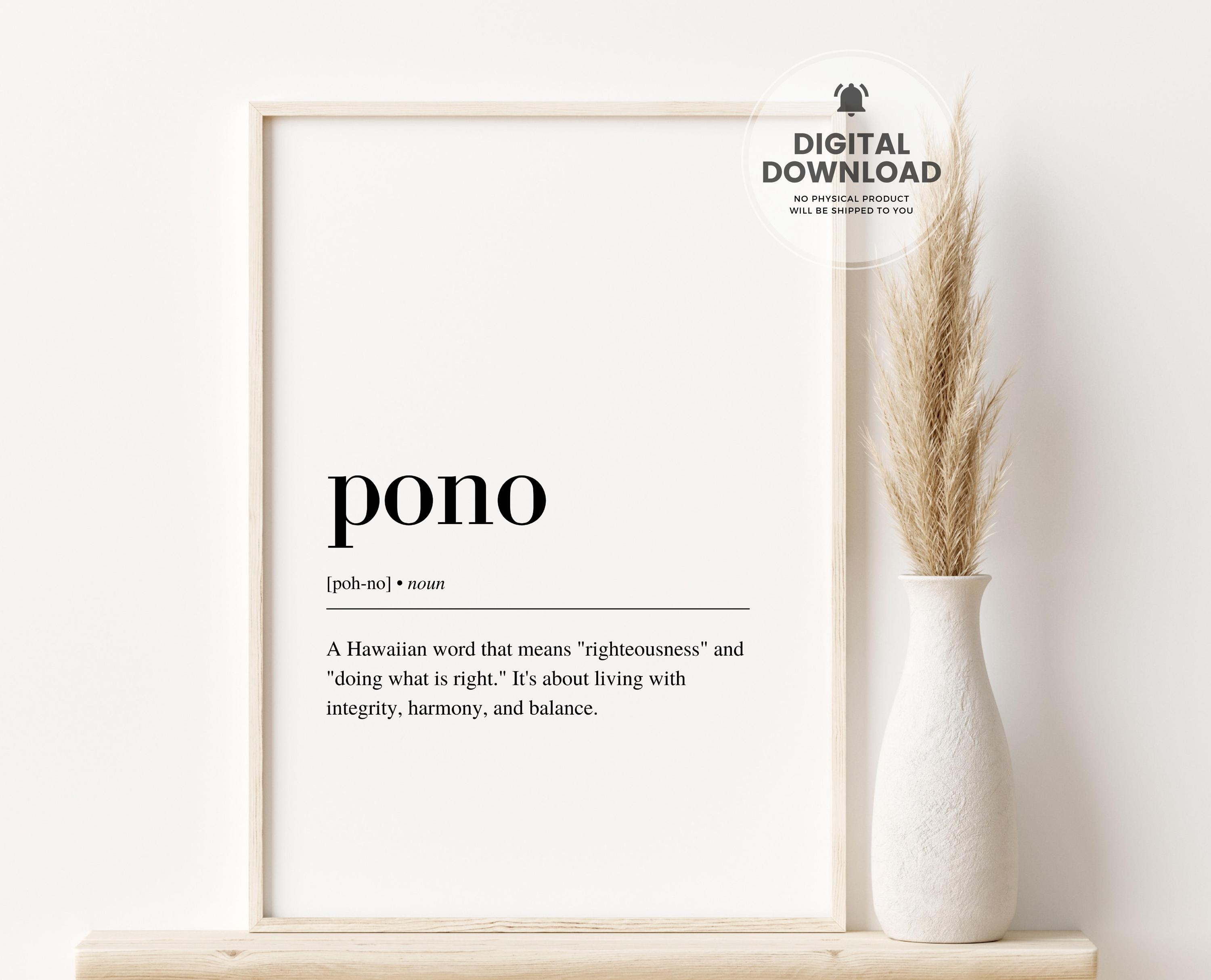
For the tourism industry, Pono has become a foundational principle for sustainable growth. As the islands see millions of visitors annually, the call to “Travel Pono” has become a vital initiative. This means being a mindful guest who understands the cultural and environmental impact of their presence.
Respecting Sacred Sites and Landmarks
Hawaii is home to numerous sites that hold immense spiritual significance. When visiting the Iolani Palace in Honolulu or the ancient temples known as Heiau found across Kauai, acting with Pono is mandatory. This includes following all posted rules, not removing rocks or sand, and maintaining a quiet, respectful demeanor.
A famous example of Pono in action involves the Pearl Harbor National Memorial. Here, millions come to pay their respects to those lost in the United States entry into World War II. To visit with Pono is to honor the gravity of the history and the sanctity of the resting place of many sailors. Similarly, when hiking the trails of Diamond Head, staying on the marked path is a Pono action that prevents erosion and protects the natural integrity of the landmark.
Cultural Sensitivity for Visitors
Practicing Pono as a traveler also involves cultural humility. Engaging with the Polynesian Cultural Center or the Bishop Museum allows visitors to learn the history of Polynesia from an indigenous perspective. Understanding the nuances of the language, the significance of the Hula, and the stories behind the legends of Pele (the goddess of fire) helps a visitor move through the islands with greater awareness. It is about recognizing that you are a guest in a home that has been cultivated for over a thousand years.
Practical Tips for Practicing Pono During Your Visit
Knowing the definition of Pono is the first step; applying it to your itinerary is the second. Whether you are exploring the North Shore of Oahu or the lush gardens of Hilo, there are many ways to ensure your trip is balanced and righteous.
Supporting Local Businesses and Artisans
One of the most effective ways to travel Pono is to ensure your tourist dollars benefit the local community. Instead of only frequenting international chains, seek out the farmers’ markets in Kailua-Kona or the independent art galleries in Lahaina. Buying locally made crafts, eating at “hole-in-the-wall” family restaurants, and hiring local guides for a tour of Waimea Canyon ensures that the economic benefits of tourism stay within the islands. This supports the livelihood of the people who make Hawaii the special place it is.
Navigating Natural Wonders Responsibly
Hawaii’s beauty is fragile. When visiting the turquoise waters of Hanauma Bay, the Pono approach involves using reef-safe sunscreen to protect the delicate coral ecosystems. When driving the famous Road to Hana on Maui, it involves driving carefully, pulling over to let locals pass, and not trespassing on private property to find a hidden waterfall. These small actions contribute to a larger culture of respect that keeps the islands welcoming for everyone.
Etiquette and Respectful Interaction
Simple gestures go a long way in Hawaii. Saying “Mahalo” (thank you) with sincerity, removing your shoes before entering someone’s home, and showing patience in traffic are all reflections of a Pono mindset. The pace of life in the islands, often referred to as “Island Time,” is slower than in most mainland United States cities. Embracing this slower pace rather than fighting against it is a way of achieving personal Pono during your stay.

The Lasting Impact of Pono on the Aloha Spirit
Ultimately, Pono is the foundation upon which the Aloha Spirit is built. While “Aloha” is the greeting, “Pono” is the ethical framework that makes the greeting meaningful. It is the commitment to truth, balance, and harmony that has preserved Hawaiian culture through centuries of change.
As the tourism industry evolves toward more regenerative models, the concept of Pono provides a blueprint. It encourages travelers to think of themselves as stewards rather than just consumers. When you hike the lush trails of the Na Pali Coast or watch the sunset over Hanalei Bay, the feeling of peace you experience is a result of the Pono maintained by those who care for these lands.
By integrating the principle of Pono into your travel philosophy, you do more than just see Hawaii; you begin to understand the deep interconnectedness of all things. You learn that to be “in Pono” is to be in a state of grace with the world around you. This is the greatest gift the islands have to offer—a lesson in living rightly that you can carry with you long after you have left the shores of the Pacific Ocean and returned home.
LifeOutOfTheBox is a participant in the Amazon Services LLC Associates Program, an affiliate advertising program designed to provide a means for sites to earn advertising fees by advertising and linking to Amazon.com. Amazon, the Amazon logo, AmazonSupply, and the AmazonSupply logo are trademarks of Amazon.com, Inc. or its affiliates. As an Amazon Associate we earn affiliate commissions from qualifying purchases.