
Delving into the linguistic roots of Puerto Rico reveals a name that is as evocative as the island itself. The phrase, a direct translation from Spanish, offers a foundational understanding of its identity and historical significance. This exploration goes beyond a simple dictionary definition, touching upon the historical context that shaped its naming and the intrinsic connection between its moniker and its allure as a premier travel destination. Understanding the meaning behind the name enriches the travel experience, imbuing every visit with a deeper appreciation for the island’s heritage and its enduring appeal to explorers and vacationers alike.
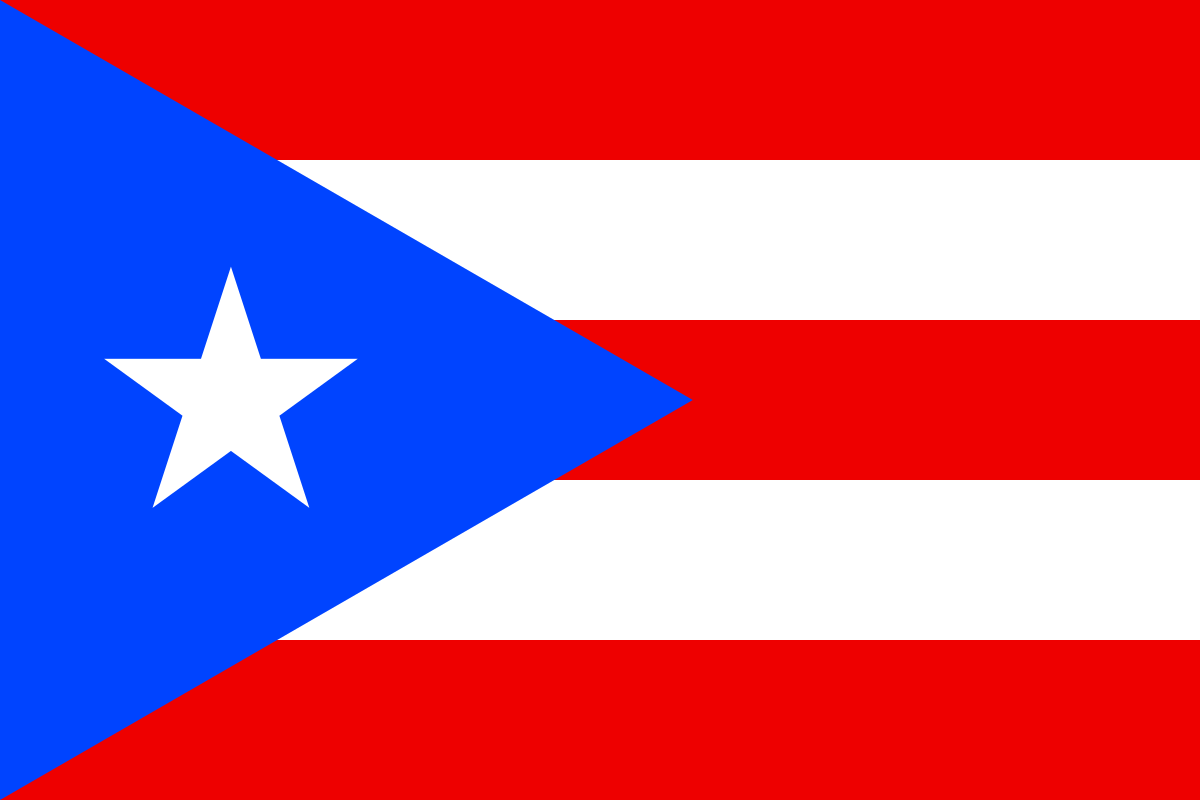
The Literal Translation: A Gateway of Riches
The most straightforward interpretation of Puerto Rico in English is “Rich Port.” This translation is not merely a linguistic exercise but a historical testament to the island’s strategic importance and its role in the early days of European exploration and colonization.
Historical Context of the Name
When Christopher Columbus landed on the island in 1493 during his second voyage, he initially named it San Juan Bautista. However, the island quickly became a vital port of call for Spanish galleons laden with treasures extracted from the Americas. These ships, returning to Spain, would often dock in the island’s natural harbors, seeking supplies, repairs, and protection. The abundance of precious metals, particularly gold, and other valuable commodities that passed through its shores led merchants and sailors to refer to the island as Puerto Rico, or “Rich Port.” This appellation underscored its economic significance and its role as a crucial node in the Spanish trade routes.
The Economic Significance Then and Now
The “Rich Port” moniker reflects a historical reality that continues to resonate, albeit in different forms, with the island’s modern tourism industry. While the galleons of old no longer ply its waters, Puerto Rico remains a significant economic hub in the Caribbean. Today, its “riches” are measured not just in historical trade but in the vibrant culture, stunning natural landscapes, and diverse experiences it offers to visitors. The influx of tourism represents a modern-day form of economic exchange, where visitors bring their resources to experience the island’s unique offerings, thereby contributing to its prosperity. The phrase “Rich Port” thus serves as a historical anchor, connecting the island’s past economic vitality to its present-day appeal as a destination of immense cultural and natural wealth.
More Than Just a Name: The “Rich Port” as a Travel Experience
The translation “Rich Port” offers a compelling lens through which to view Puerto Rico as a travel destination. It suggests an island brimming with valuable experiences, natural wonders, and a deep cultural heritage that awaits discovery by every traveler. This inherent richness is evident across various facets of the island’s appeal.
Natural Wonders and Outdoor Adventures
The “riches” of Puerto Rico are profoundly displayed in its breathtaking natural landscapes. From the bioluminescent bays to the El Yunque National Forest, the island offers an abundance of natural treasures. The El Yunque National Forest, the only tropical rainforest in the U.S. National Forest System, is a prime example of this natural wealth. Its lush vegetation, cascading waterfalls, and diverse array of flora and fauna provide a haven for hikers and nature enthusiasts. Visitors can explore trails leading to scenic overlooks, swim in crystal-clear rivers, and witness the unique biodiversity that makes this ecosystem so precious. The bioluminescent bays, such as Mosquito Bay on Vieques Island, offer an otherworldly experience, where microscopic organisms illuminate the water with an ethereal glow, a truly priceless natural spectacle. The beaches, with their soft sands and turquoise waters, are another form of “riches,” providing idyllic settings for relaxation, swimming, and water sports like surfing and snorkeling. The Rincón area, renowned for its world-class surf breaks, attracts wave riders from around the globe, showcasing the dynamic power and beauty of the Atlantic Ocean.

Cultural Heritage and Historical Sites
Beyond its natural splendor, Puerto Rico is a treasure trove of cultural heritage and historical significance, further embodying the spirit of a “Rich Port.” The colonial architecture of Old San Juan, a UNESCO World Heritage Site, stands as a testament to centuries of history. The imposing Castillo San Felipe del Morro and Castillo San Cristóbal, massive fortifications that once defended the harbor, now serve as iconic landmarks, drawing visitors eager to explore their ramparts and learn about the island’s strategic past. Wandering through the cobblestone streets of Old San Juan, with its colorful buildings, charming plazas, and historic churches like the San Juan Bautista Cathedral, offers a journey back in time. The island’s vibrant arts scene, with its numerous galleries, street art, and performing arts venues, adds another layer to its cultural richness. Music and dance are integral to the Puerto Rican identity, with rhythms of salsa and mambo filling the air, inviting visitors to join in the celebration.
Culinary Delights and Gastronomic Experiences
The “riches” of Puerto Rico also extend to its delectable culinary landscape. Puerto Rican cuisine is a fusion of Taino, Spanish, and African influences, creating a unique and flavorful gastronomic experience. Staples like mofongo (mashed plantains with garlic and pork cracklings), arroz con gandules (rice with pigeon peas), and lechón (roast suckling pig) are culinary treasures that visitors must savor. The island boasts a thriving food scene, from humble roadside kiosks serving authentic local fare to upscale restaurants offering innovative twists on traditional dishes. Exploring the various food markets and trying the diverse array of tropical fruits also contributes to the gastronomic richness. The island’s coffee, grown in the central mountains, is another prized commodity, offering a taste of local terroir that has gained international acclaim. This culinary depth ensures that a visit to Puerto Rico is a feast for the senses, a true testament to its status as a “Rich Port” of flavors.
The Enduring Allure of the “Rich Port” for Travelers
The meaning of Puerto Rico as “Rich Port” is not just a historical footnote; it’s a concept that continues to define its appeal as a premier travel destination. The island offers a wealth of experiences that cater to a diverse range of interests, from the adventurer seeking adrenaline-pumping activities to the history buff yearning for cultural immersion, and the food lover eager to explore new tastes.
Accessibility and Diverse Travel Styles
The island’s status as a U.S. territory makes it an accessible destination for travelers from the United States, as no passport is required for U.S. citizens. This ease of access, coupled with a wide range of accommodation options—from luxury resorts in Dorado to charming boutique hotels in Old San Juan and budget-friendly guesthouses throughout the island—ensures that Puerto Rico can cater to various travel styles and budgets. Whether one seeks a lavish escape at a high-end resort or a more intimate and immersive experience in a local bed and breakfast, the island provides ample opportunities. The “” niche of budget travel is well-served by the island’s many affordable eateries and public transportation options, while luxury travelers can indulge in the bespoke services offered by world-class establishments like the Dorado Beach, a Ritz-Carlton Reserve. This versatility contributes significantly to its enduring popularity.
A Destination of Unique Experiences
The true richness of Puerto Rico lies in its ability to offer unique and memorable experiences that go beyond typical tourist itineraries. The opportunity to explore the Arecibo Observatory (though currently undergoing reconstruction after damage), witness the vibrant street art in areas like Santurce, or take a rum tasting tour at a historic distillery like Bacardí, all contribute to an enriched travel narrative. The island’s cultural festivals, such as the San Sebastián Street Festival in San Juan, offer a lively immersion into local traditions, music, and dance. For those seeking adventure, activities like ziplining through the rainforest canopy or exploring the cave systems of Camuy provide exhilarating opportunities. The island’s commitment to preserving its natural and historical sites ensures that these “riches” are not only enjoyed but also protected for future generations.

The Lasting Impression of a “Rich Port”
Ultimately, the meaning of Puerto Rico as “Rich Port” serves as an apt description for an island that offers an unparalleled abundance of natural beauty, cultural depth, and vibrant experiences. It is a destination that rewards exploration with discovery, a place where every corner turned, every meal savored, and every interaction shared contributes to a tapestry of memories that are truly rich. The name itself is an invitation to uncover these treasures, promising travelers an experience that is both profound and immensely satisfying. This enduring allure solidifies Puerto Rico‘s reputation as a jewel of the Caribbean, a port that continues to offer immeasurable value to all who visit its shores.
LifeOutOfTheBox is a participant in the Amazon Services LLC Associates Program, an affiliate advertising program designed to provide a means for sites to earn advertising fees by advertising and linking to Amazon.com. Amazon, the Amazon logo, AmazonSupply, and the AmazonSupply logo are trademarks of Amazon.com, Inc. or its affiliates. As an Amazon Associate we earn affiliate commissions from qualifying purchases.