
The term “resorted” is an intrinsic part of the travel and hospitality lexicon, often appearing in discussions about vacation planning, accommodation options, and the very nature of a getaway. While it might seem straightforward, delving into its nuances reveals a richer understanding of what it signifies for travelers. Primarily, when we talk about something being “resorted,” it invariably points towards the luxurious, amenity-rich, and experience-driven world of a Resort. This category encompasses a specific type of establishment designed to offer guests a comprehensive and self-contained vacation experience, often distinct from a standard hotel.
The Essence of a Resort
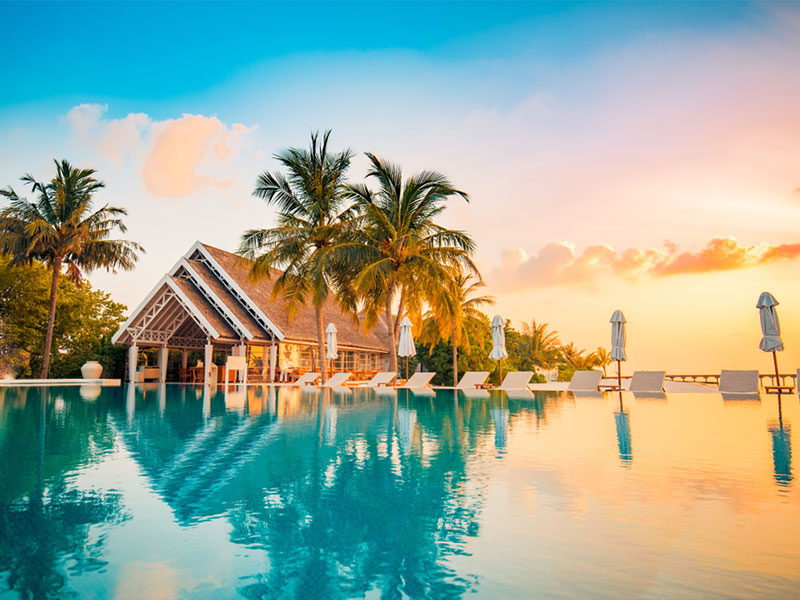
At its core, a Resort is more than just a place to sleep. It is a destination in itself, meticulously crafted to provide a wide array of services, activities, and leisure facilities. The very concept of a resort is rooted in the idea of escape and indulgence. Unlike a simple hotel that primarily offers lodging, a resort aims to cater to a guest’s every need and desire, minimizing the necessity to venture outside its premises for entertainment or dining.
Key Characteristics of a Resort
Several defining characteristics set resorts apart:
- Comprehensive Amenities: Resorts typically boast an extensive range of amenities. These can include multiple swimming pools, private beaches, spas and wellness centers, fitness facilities, golf courses, tennis courts, water sports equipment, and sometimes even amusement parks or casinos. The sheer breadth of options ensures that guests have ample opportunities for relaxation and recreation.
- On-site Dining: Dining at a resort is an experience in itself. Resorts usually feature several restaurants, from casual bistros to fine-dining establishments, offering diverse culinary experiences. This allows guests to explore various cuisines without leaving the property. Many also provide bars, cafes, and room service, further enhancing convenience.
- Activities and Entertainment: A key differentiator for resorts is their focus on providing structured activities and entertainment. This can range from organized sports and fitness classes to cultural demonstrations, live music, evening shows, and themed events. These offerings are designed to keep guests engaged and entertained throughout their stay.
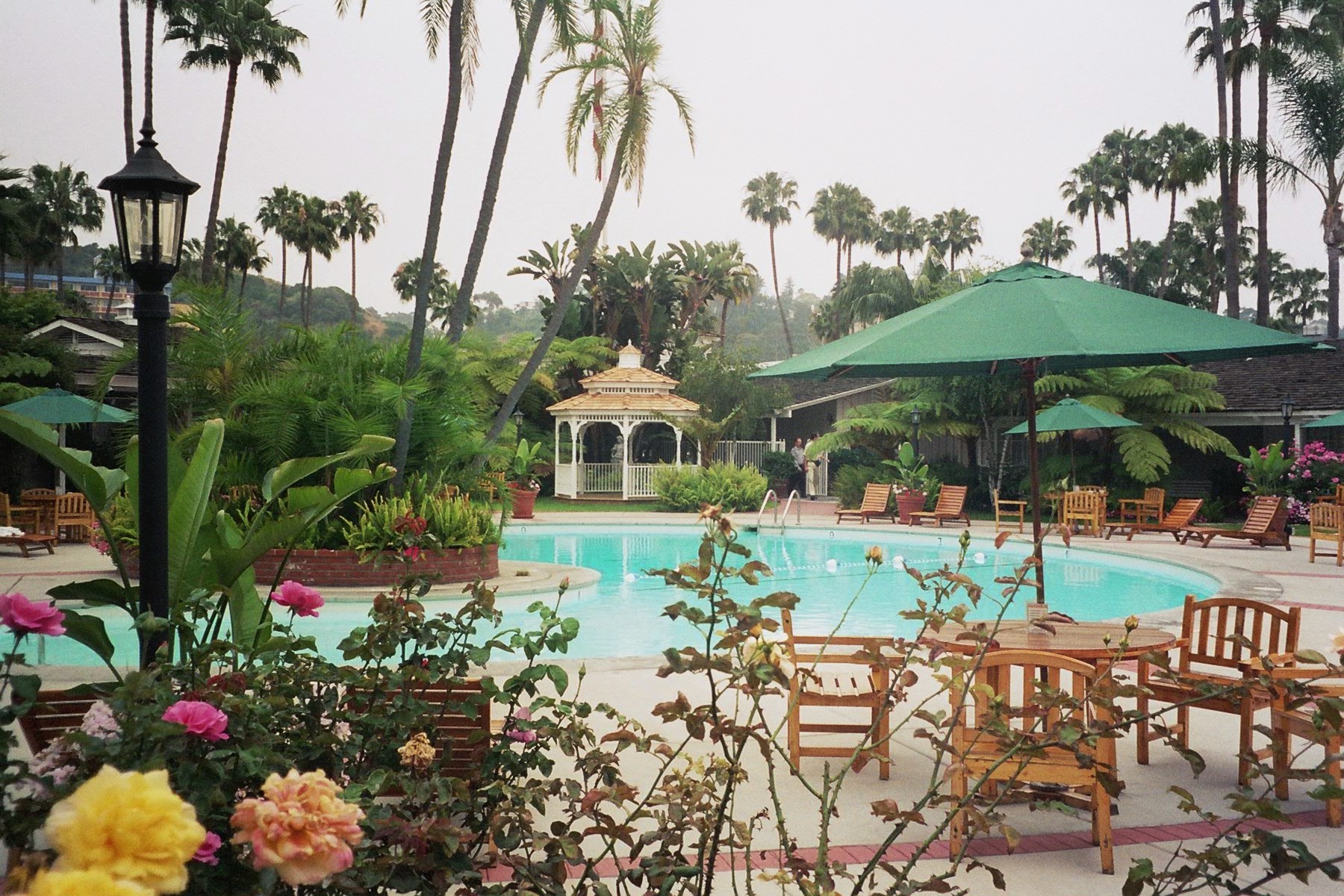
- Designed for Leisure: The architecture and landscaping of a resort are typically designed with leisure and aesthetics in mind. Expansive grounds, beautiful gardens, scenic views, and thoughtfully designed public spaces contribute to an atmosphere of tranquility and luxury.
- Self-Contained Experience: The ultimate goal of a resort is to provide a self-contained environment where guests can relax, rejuvenate, and enjoy their vacation without the need to plan complex itineraries or travel extensively to find activities.
Types of Resorts
The term “resort” itself is broad, encompassing various specialized establishments catering to different traveler preferences and needs. Understanding these distinctions can help in choosing the perfect vacation spot.
All-Inclusive Resorts
Perhaps the most well-known type, All-Inclusive Resorts bundle accommodation, meals, drinks, and a variety of activities into a single upfront price. This model offers significant budget predictability, as most expenses are covered before arrival. These are particularly popular in destinations like the Caribbean and Mexico, where brands like Sandals Resorts and Secrets Resorts & Spas have perfected the all-inclusive experience. Guests can enjoy unlimited food and beverages, non-motorized water sports, and daily entertainment programs, making for a worry-free holiday.
Beach Resorts
Beach Resorts are synonymous with sun, sand, and surf. Situated along pristine coastlines, these resorts offer direct access to beaches and a plethora of water-based activities. Guests can indulge in swimming, sunbathing, snorkeling, diving, surfing, and sailing. Popular beach resort destinations include the Maldives, Bora Bora, and the Hawaiian Islands. Resorts in these locales often feature overwater bungalows or beachfront villas, providing breathtaking ocean views and immediate access to the water.
Ski Resorts
For those who prefer a winter wonderland, Ski Resorts offer access to mountainous terrain covered in snow, equipped with ski lifts and groomed slopes for skiing and snowboarding. Beyond the slopes, these resorts provide a cozy and luxurious après-ski experience, with warm lodges, gourmet dining, and spa facilities. Destinations like Aspen, Whistler Blackcomb, and the Swiss Alps are world-renowned for their premier ski resorts.
Spa and Wellness Resorts
Focused on rejuvenation and holistic well-being, Spa and Wellness Resorts are havens for relaxation and self-care. They typically feature extensive spa facilities offering a wide range of treatments, from massages and facials to hydrotherapy and detoxification programs. Often, these resorts also incorporate healthy eating options, yoga, meditation, and fitness classes into their offerings. Places like Canyon Ranch and Miraval Resorts are pioneers in this niche.
Golf Resorts
Golf Resorts are a dream for golf enthusiasts, boasting championship-level golf courses designed by renowned architects. These resorts provide not only exceptional golfing facilities but also luxurious accommodations, fine dining, and other recreational amenities to complement the golfing experience. Many resorts in Florida and Scotland are celebrated for their world-class golf courses.
Family Resorts
Designed with the needs of families in mind, Family Resorts offer a wealth of kid-friendly activities, entertainment, and amenities. This can include supervised kids’ clubs, water parks, dedicated children’s pools, family-oriented dining options, and engaging entertainment programs suitable for all ages. Destinations like Orlando, Disneyland Resort, and many all-inclusive resorts in the Caribbean are popular for family vacations.
Eco-Resorts
In response to growing environmental consciousness, Eco-Resorts prioritize sustainability and offer a nature-focused experience. These resorts are built and operated with minimal impact on the environment, often utilizing renewable energy sources, promoting local conservation efforts, and offering activities that connect guests with nature, such as guided nature walks, wildlife viewing, and educational programs. Locations like Costa Rica and parts of Southeast Asia are known for their beautiful eco-resorts.
The Experience of “Resorting”
When an individual or a family decides to go “resorting,” it signifies a deliberate choice to immerse themselves in this specialized vacation experience. It implies a desire for convenience, a preference for a curated environment, and an intention to relax and be catered to. The act of resorting is often associated with a higher level of indulgence and a more structured form of leisure compared to a typical hotel stay.
Planning Your Resort Getaway
Choosing to resort involves more than just booking a room. It requires consideration of the type of resort that best aligns with your vacation goals. Are you seeking adventure, relaxation, family fun, or a romantic escape?
- Define Your Priorities: What are the must-have amenities and activities? Is it the quality of the spa, the proximity to a beach, or the variety of dining options?
- Research Destinations: Different regions are known for specific types of resorts. For instance, the Bahamas are famed for their sprawling luxury resorts, while Bali offers a mix of spiritual retreats and beachside luxury.
- Read Reviews: User reviews provide invaluable insights into the actual guest experience, highlighting strengths and weaknesses of a resort. Look for feedback on service quality, food, cleanliness, and the effectiveness of the promised amenities.
- Consider the Time of Year: Peak seasons often mean higher prices and larger crowds, while off-peak seasons can offer better value and a more tranquil experience.
The “Resorted” Vacation Experience
Once you arrive at a resort, the experience is designed to be seamless. Check-in is typically efficient, and staff are trained to be attentive and helpful. The joy of resorting lies in the freedom to explore the grounds, partake in as many or as few activities as you wish, and enjoy the diverse culinary offerings without the logistical headaches often associated with independent travel.
Imagine waking up in a luxurious suite at a Four Seasons Resort, enjoying a leisurely breakfast with ocean views, followed by a morning of swimming and sunbathing on a private beach. The afternoon might be spent indulging in a spa treatment at the Ritz-Carlton Spa, or perhaps participating in a yoga class overlooking the mountains. Evenings can be filled with exquisite dining at one of the resort’s signature restaurants, followed by live entertainment. This comprehensive, immersive experience is the essence of what it means to have “resorted” to a particular destination for your holiday.

Beyond the Basics: The Nuances of “Resorted”
While the primary meaning of “resorted” relates to the establishment of a resort, the term can also sometimes be used in a slightly different, though related, context. When an action or decision is “resorted to,” it implies it was the last option taken, or a course of action adopted out of necessity when other, perhaps more desirable, options were unavailable. However, in the context of travel and accommodation, the dominant and most relevant meaning of “resorted” firmly anchors it within the realm of luxury, leisure, and the specialized offerings of a Resort.
The allure of a resort lies in its promise of a complete escape, a meticulously designed environment where every detail is considered to ensure a memorable and relaxing holiday. When you choose to resort, you are not just booking accommodation; you are opting for an experience that simplifies your travel, enriches your leisure time, and allows you to truly disconnect and recharge. Whether it’s the sun-drenched shores of the Maldives, the snow-capped peaks of Aspen, or the vibrant coasts of the Caribbean, the act of resorting signifies an embrace of curated comfort and unparalleled relaxation.
LifeOutOfTheBox is a participant in the Amazon Services LLC Associates Program, an affiliate advertising program designed to provide a means for sites to earn advertising fees by advertising and linking to Amazon.com. Amazon, the Amazon logo, AmazonSupply, and the AmazonSupply logo are trademarks of Amazon.com, Inc. or its affiliates. As an Amazon Associate we earn affiliate commissions from qualifying purchases.