
Florida’s housing market is a complex ecosystem, influenced by a myriad of factors that determine its vibrancy, affordability, and accessibility. Among these, understanding designations like “Sector 3” is crucial for anyone navigating this landscape, whether as a prospective homeowner, renter, investor, or policymaker. This designation, often appearing in discussions related to housing development and funding, signifies a specific segment of the market that plays a pivotal role in the state’s overall housing strategy.
Understanding Housing Sectors in Florida
The categorization of housing into distinct sectors is a common practice in urban planning and real estate development. These sectors are typically defined by income levels, affordability targets, and intended resident demographics. While the exact terminology and definitions can vary slightly between different state agencies and local municipalities, the general concept remains consistent: segmenting the housing market to address diverse needs.

The Spectrum of Housing Needs
Florida, a state experiencing significant population growth, faces a broad spectrum of housing needs. At one end, there’s a demand for high-end luxury residences catering to affluent residents and seasonal visitors seeking premium amenities and exclusive lifestyles. This segment often comprises single-family homes in gated communities, high-rise condominiums with ocean views, and sprawling waterfront estates.
On the other end of the spectrum lies the critical need for affordable housing. This encompasses a range of options, from entry-level apartments and starter homes for young professionals and families to more supportive housing solutions for seniors, individuals with disabilities, and those experiencing homelessness. The gap between the cost of housing and the income of a significant portion of the population is a persistent challenge that housing sectors aim to address.
Role of Government and Non-Profit Organizations
Government agencies at the federal, state, and local levels, along with numerous non-profit organizations, are actively involved in shaping and supporting various housing sectors. They often implement policies, provide funding, and oversee development projects to ensure that housing is available, accessible, and affordable for all residents. Understanding these entities and their objectives is key to comprehending the operational framework of housing development in the state.
Sector 3: Defining Affordability and Opportunity
When referring to “Sector 3” in the context of Florida housing, we are generally speaking about a segment of the market that targets individuals and families earning between 80% and 120% of the Area Median Income (AMI). This income bracket is often considered the “workforce housing” or “affordable housing” segment, crucial for retaining essential workers and fostering a stable, diverse community.
The Significance of the 80%-120% AMI Range
The AMI is a statistic determined annually by the U.S. Department of Housing and Urban Development (HUD) and is adjusted for different metropolitan areas and counties. It represents the midpoint of income in a particular region; half of the households earn more than the AMI, and half earn less.
Sector 3’s focus on the 80%-120% AMI range is strategically important for several reasons:
- Workforce Housing: This segment is home to many individuals who are vital to the state’s economy but may not qualify for deeply subsidized housing programs, nor can they afford market-rate housing in high-cost areas. This includes teachers, nurses, first responders, service industry workers, and entry-level professionals. Without adequate housing options in this sector, these essential workers may be forced to commute long distances or leave the area altogether, impacting local businesses and public services.
- Economic Stability: By providing stable and affordable housing for this demographic, Sector 3 contributes to the overall economic health of Florida communities. It allows residents to save money, invest in their futures, and participate more fully in the local economy.
- Diversity and Inclusivity: A robust Sector 3 housing market helps foster diverse and inclusive neighborhoods. When people from various income levels can afford to live and work in the same community, it enriches the social fabric and reduces socioeconomic segregation.
- Development Incentives: Many state and local housing programs, including those funded by tax credits or housing trust funds, often prioritize or specifically target developments that cater to the Sector 3 income range. This incentivizes developers to build housing that meets these specific affordability criteria.
How Sector 3 Housing is Developed and Supported
Developments that fall under the Sector 3 umbrella can take various forms, including apartments, townhouses, and even some single-family homes. The key characteristic is that the rents or purchase prices are set at levels deemed affordable for households earning within the specified AMI range.
- Affordability Restrictions: Projects designated for Sector 3 housing typically come with long-term affordability restrictions. This means that for a predetermined period, often 15 to 30 years or more, the rents or sale prices cannot exceed a certain percentage of the target AMI. This ensures that the housing remains affordable for the intended population over time.
- Public-Private Partnerships: The development of Sector 3 housing often involves collaborations between private developers, local governments, and state housing finance agencies. These partnerships can leverage various funding sources, including low-income housing tax credits (LIHTC), tax-exempt bonds, and direct subsidies, to make these projects financially viable for developers while ensuring affordability for residents.
- Community Development Block Grants (CDBG): Federal programs like the CDBG, administered by the U.S. Department of Housing and Urban Development, can also provide funding for affordable housing initiatives, including those that benefit Sector 3 residents.
- Local Ordinances and Incentives: Many Florida cities and counties have implemented their own affordable housing ordinances and incentive programs to encourage the development of Sector 3 housing within their jurisdictions. These can include density bonuses, expedited permitting processes, or reduced impact fees for developers who agree to include affordable units.
Challenges and Opportunities in Florida’s Sector 3 Housing Market
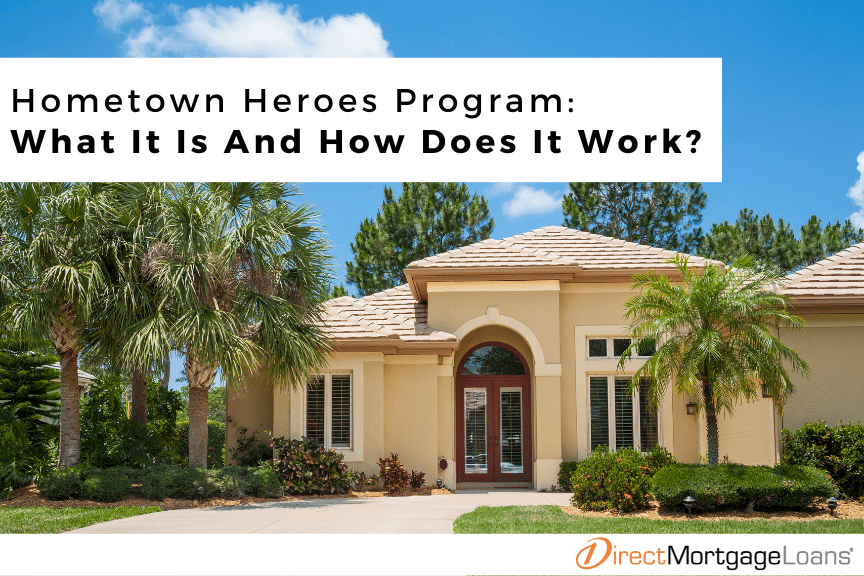
Despite its importance, the Sector 3 housing market in Florida faces significant challenges, largely driven by the state’s rapid growth and increasing property values.
Escalating Housing Costs
One of the most significant challenges is the relentless rise in housing costs across Florida. High demand, coupled with limited supply, has driven up rents and home prices, making it increasingly difficult for even those earning 120% of AMI to find suitable housing, especially in desirable coastal areas and major metropolitan centers like Miami, Orlando, and Tampa.
Regulatory Hurdles and Development Costs
The process of developing affordable housing, including Sector 3 projects, can be complex and costly. Navigating zoning regulations, obtaining permits, and meeting construction standards can add significant time and expense, potentially deterring developers. Furthermore, the rising costs of construction materials and labor further exacerbate these challenges.
The Income Gap Widens
In many parts of Florida, incomes have not kept pace with the dramatic increase in housing expenses. This widening income gap means that even households within the 80%-120% AMI range are struggling to afford housing, pushing them further down the income ladder or out of the communities where they work.
Opportunities for Growth and Innovation
Despite these challenges, there are also significant opportunities to address the needs of Sector 3 housing.
- Innovative Development Models: Exploring new and innovative development models, such as modular construction, co-living arrangements, and adaptive reuse of existing buildings, could help reduce costs and increase housing supply.
- Public-Private Partnerships: Strengthening and expanding public-private partnerships is crucial. These collaborations can pool resources, share risks, and streamline the development process, making more Sector 3 projects feasible.
- Inclusionary Zoning: Implementing or strengthening inclusionary zoning policies, which require a certain percentage of affordable units in new market-rate developments, can help integrate affordable housing throughout communities.
- Policy Reform: Advocating for policy reforms at state and local levels that streamline development processes, provide more flexible financing options, and address land use barriers can significantly boost the creation of Sector 3 housing.
- Employer-Assisted Housing: Encouraging employers to participate in housing solutions for their workforce, perhaps through down payment assistance programs or partnerships with developers, can be a powerful tool in addressing the needs of Sector 3 residents. Companies like Publix or large tech firms may consider such initiatives to attract and retain talent in expensive areas.
Sector 3 and the Broader Florida Housing Landscape
Understanding Sector 3 is not just about a specific income bracket; it’s about recognizing a crucial segment of the population that forms the backbone of Florida’s communities and economy. The success of Sector 3 housing directly impacts the state’s ability to attract and retain a diverse workforce, support local businesses, and maintain vibrant, inclusive neighborhoods.
The Interconnectedness of Housing Sectors
It’s important to view Sector 3 not in isolation, but as part of a continuum. Issues affecting Sector 3 housing can have ripple effects on other segments. For instance, a lack of affordable housing for essential workers can lead to labor shortages in industries that serve higher-income residents, impacting the overall guest experience at resorts like the Four Seasons Resort Orlando at Walt Disney World Resort or affecting staffing at popular attractions such as Universal Studios Florida.
Conversely, the development of well-designed and integrated Sector 3 housing can alleviate pressure on lower-income housing markets and contribute to more stable communities across the board.
The Role of Tourism and Economic Drivers
Florida’s economy is heavily influenced by its thriving tourism industry, which supports numerous jobs. Many of these jobs fall within the income brackets targeted by Sector 3 housing. Ensuring that the individuals who work in hotels like the Fontainebleau Miami Beach, restaurants, and theme parks can afford to live near their workplaces is essential for the sustainability of these industries. When housing becomes unaffordable, it can lead to recruitment challenges and increased operational costs for businesses that are vital to the state’s economy.

The Future of Sector 3 Housing in Florida
As Florida continues to grow, the demand for housing across all sectors will likely increase. The challenge for policymakers, developers, and communities will be to ensure that the development of Sector 3 housing keeps pace with this demand. This requires a sustained commitment to innovative solutions, strategic partnerships, and policies that prioritize affordability and accessibility for a broad range of residents.
By understanding what Sector 3 represents – the critical nexus of workforce housing and economic stability – Florida can better address its housing challenges and build a more equitable and prosperous future for all its residents. The success of this sector is intrinsically linked to the overall health and well-being of the Sunshine State.
LifeOutOfTheBox is a participant in the Amazon Services LLC Associates Program, an affiliate advertising program designed to provide a means for sites to earn advertising fees by advertising and linking to Amazon.com. Amazon, the Amazon logo, AmazonSupply, and the AmazonSupply logo are trademarks of Amazon.com, Inc. or its affiliates. As an Amazon Associate we earn affiliate commissions from qualifying purchases.