
In the ever-evolving world of hospitality, where guest comfort and experience are paramount, even the most seemingly minor details can significantly impact a stay. One such detail, often overlooked until experienced, is the bathroom configuration – specifically, what it means to have a separate toilet and shower in hotels. This design choice, a thoughtful deviation from the traditional all-in-one bathroom, offers a wealth of benefits ranging from enhanced privacy to improved efficiency, deeply influencing the overall quality of your accommodation.
Understanding this concept is crucial for travelers booking their next getaway, whether it’s a bustling city break in Tokyo or a serene retreat in the Maldives. It speaks volumes about a hotel’s commitment to modern living and caters to a diverse array of guests, from solo adventurers to families and business travelers. Far more than just a spatial arrangement, it’s a design philosophy aimed at elevating the guest experience, making hotel bathrooms not just functional spaces but integral parts of a luxurious and practical stay.
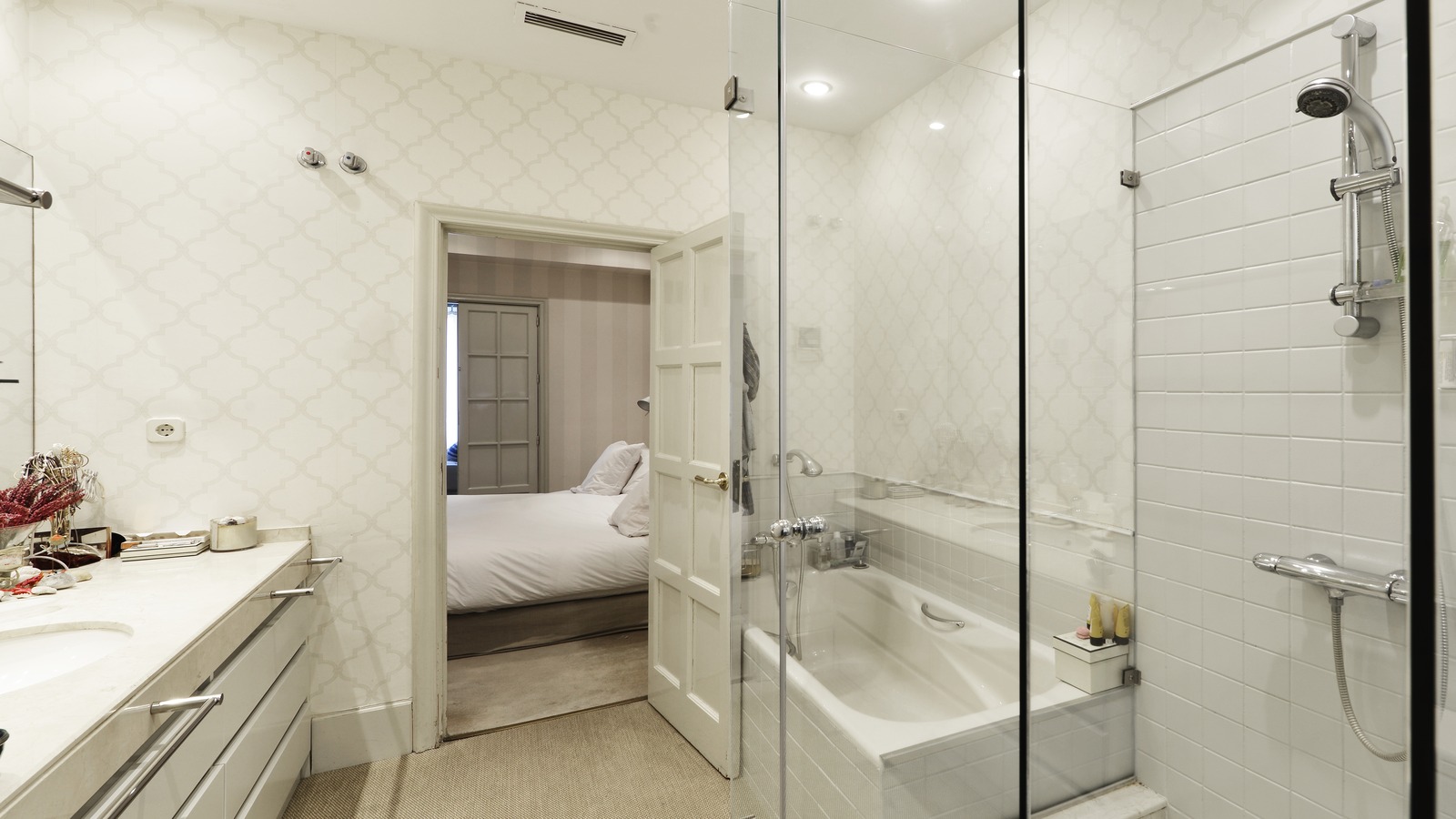
The Evolution of Hotel Bathroom Design
The journey of the hotel bathroom from a shared utility to a private sanctuary reflects broader shifts in societal expectations, design trends, and the very definition of luxury travel. What was once a basic necessity has transformed into a sophisticated space, often a highlight of the accommodation experience itself.
From Basic Necessities to Thoughtful Spaces
Early hotels, especially those from the 19th and early 20th centuries, rarely featured private bathrooms. Guests would typically share communal facilities, a concept that now seems almost unthinkable in the modern era of personalized service and comfort. The advent of indoor plumbing and changing social norms gradually led to the introduction of the “ensuite” bathroom, where each room had its own private facilities. This was a revolutionary step, offering unprecedented privacy and convenience.
However, even with ensuites, the design was often a single room containing a toilet, sink, and shower or bathtub. While a significant improvement, this traditional layout still presented limitations, particularly for multiple occupants sharing a room. As hotel chains expanded and global travel became more accessible, designers began to innovate, drawing inspiration from residential architecture and cultural preferences, particularly in regions like Japan where efficient use of space and multi-functional areas have long been a hallmark of design. The focus shifted from merely providing facilities to designing experiences, recognizing that the bathroom is a crucial element of personal rejuvenation and comfort.
Understanding Different Bathroom Layouts
To appreciate the “separate toilet and shower” concept, it’s helpful to understand the spectrum of hotel bathroom configurations:
- Traditional Ensuite: The most common layout, encompassing the toilet, sink, and shower/bathtub within a single, enclosed room directly accessible from the guest room. While private, simultaneous use of facilities can be cumbersome for multiple guests.
- Open-Concept Bathroom: Gaining popularity in modern boutique and luxury hotels, this design often integrates parts of the bathroom (like the sink area or even the bathtub) directly into the main living space of the room, separated perhaps by glass walls or no walls at all. While aesthetically striking and creating a sense of spaciousness, it offers minimal privacy for the toilet and shower.
- Shared Bathrooms: Primarily found in hostels, budget accommodations, or guesthouses, where multiple rooms share a communal bathroom. This is the most economical option but offers the least privacy and convenience.
- Separate Toilet and Shower (and often sink/vanity): This is the configuration we are exploring. In this setup, the toilet is housed in its own small, enclosed compartment, typically with a door. The shower (and sometimes the bathtub) is also in a separate, enclosed area. The sink and vanity might be within the main bathroom area, or sometimes even outside it, creating a “powder room” effect within the larger hotel room layout. This design fundamentally rethinks how guests interact with and utilize these essential spaces, providing distinct zones for different activities.
This compartmentalized approach allows for greater functionality and a more fluid experience, reflecting a deeper understanding of guest needs and the dynamics of shared spaces. It’s a clear indicator of a hotel’s commitment to providing a superior level of comfort and convenience, often found in higher-end properties or those specifically designed for contemporary lifestyles.
The Advantages of Separate Toilet and Shower Configurations
The decision to design a hotel room with separate toilet and shower facilities is not merely an aesthetic one; it’s a strategic choice that offers numerous practical and experiential benefits, enhancing a guest’s stay in multiple ways.
Enhanced Privacy and Comfort
One of the most significant advantages of this layout is the considerable boost in privacy. When two or more people are sharing a hotel room, whether it’s a couple, a family, or colleagues on a business trip, the traditional single-room bathroom can quickly become a bottleneck or a source of awkwardness. With separate facilities, one person can comfortably use the toilet while another showers, brushes their teeth, or applies makeup at the vanity. This significantly reduces waiting times and eliminates the need for one person to leave the bathroom entirely while the other uses a different function.
For families traveling with children, this can be a game-changer during busy morning routines or bedtime preparations. Business partners sharing a suite for an event in New York City or London will appreciate the discreet separation, allowing both to prepare for their day without intrusion. This thoughtful design fosters a sense of personal space, even within the confines of a hotel room, contributing to a more relaxed and comfortable environment for all occupants.
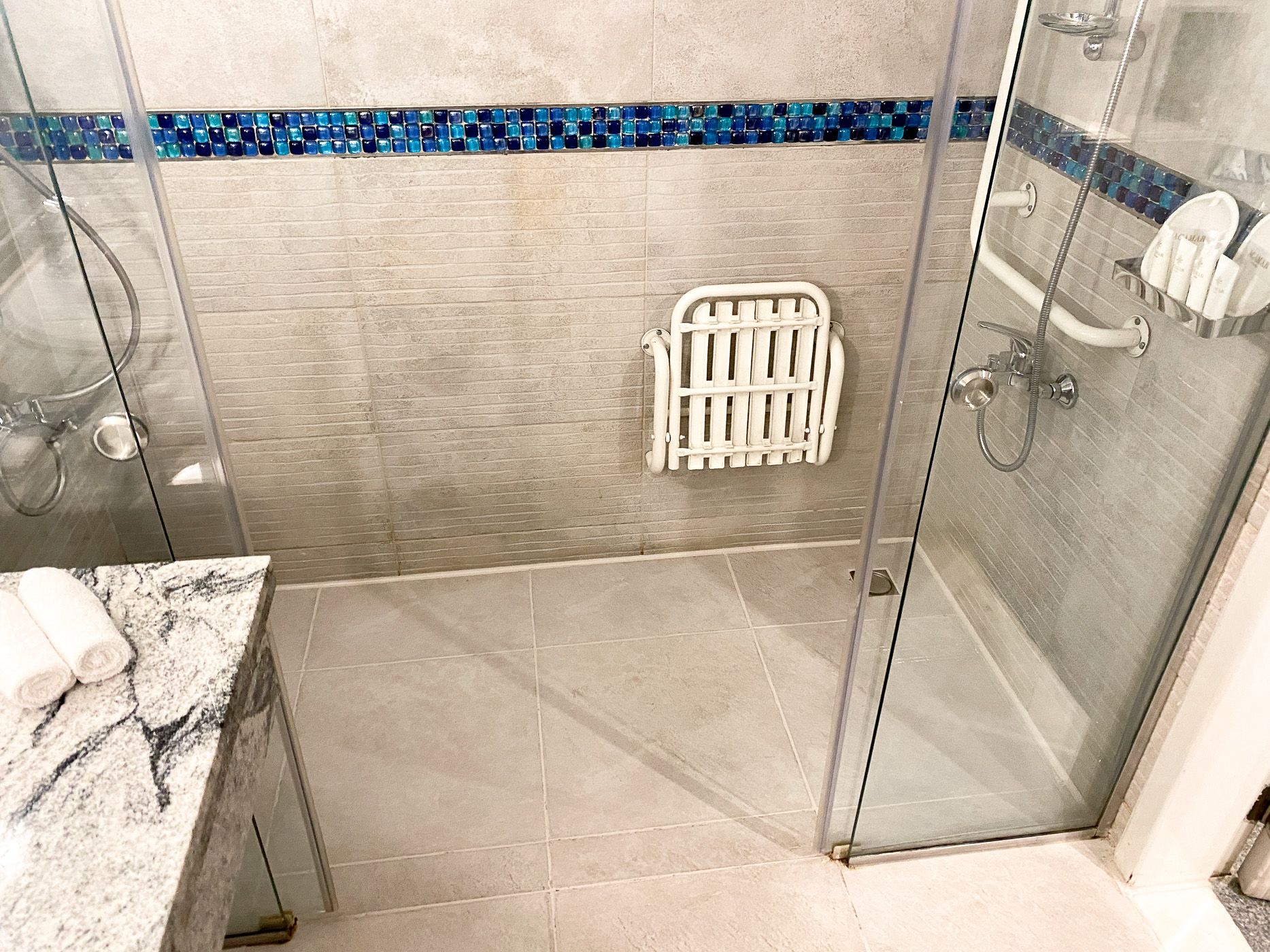
Maximizing Efficiency and Flow
Beyond privacy, the separate design drastically improves the efficiency and flow of the hotel room. Imagine a family of four trying to get ready for a day of sightseeing in Paris from a single bathroom. The queues, the condensation, the lack of counter space – it can be a stressful start to the day. With separate facilities, these issues are largely mitigated. Multiple occupants can engage in different personal hygiene activities simultaneously without hindering each other.
This efficiency is particularly valuable in hotels catering to business travelers, where time is often of the essence. It allows for quicker turnaround times and a smoother morning routine, ensuring guests can get to their meetings or events promptly. Moreover, separating the toilet often helps in managing humidity and odors, as the shower area can be better ventilated independently, contributing to a fresher overall bathroom environment. This smart spatial organization truly makes the most of the available square footage, transforming what could be a cramped single space into a highly functional multi-zone area.
A Touch of Luxury and Modern Design
Often, the presence of separate toilet and shower facilities is a hallmark of luxury hotels, boutique properties, or higher-tier room categories. It signifies a premium guest experience, where design goes beyond mere functionality to offer sophistication and comfort. This layout allows for more creative and expansive interior design choices. The shower enclosure might feature a spacious walk-in design with rainfall showerheads and benches, while the toilet compartment can be sleek and minimalist.
Materials like marble, natural stone, or designer tiles are frequently employed, elevating the aesthetic appeal. The separation also often means more generous counter space around the sink area, ample lighting, and perhaps even dedicated dressing zones. Hotels like the Four Seasons, Ritz-Carlton, or Mandarin Oriental frequently incorporate this design, understanding that discerning travelers value not just functionality, but also elegance and a sense of indulgence. It’s a subtle yet powerful statement about the hotel’s commitment to providing a truly upscale and contemporary lodging experience.
Practical Benefits for Different Travelers
The advantages extend across various traveler demographics:
- Couples: Offers practical convenience, allowing both partners to prepare simultaneously without feeling rushed or intruding on each other’s space. It can particularly enhance romantic getaways by reducing morning stress.
- Families with Children: Indispensable for managing morning and evening routines with kids. One parent can shower while the children use the toilet, or vice-versa, streamlining the entire process.
- Business Travelers: Ideal for colleagues sharing a suite to cut costs, or for individuals who value efficiency and privacy when getting ready for important meetings.
- Groups of Friends: For those exploring destinations like Europe or Thailand together, this layout minimizes bathroom queues and enhances comfort for everyone.
- Long-Term Stays: For guests on extended trips, perhaps in serviced apartments or resort villas, the convenience of separate facilities greatly improves daily living, making the accommodation feel more like a home.
Potential Considerations and Drawbacks
While the separate toilet and shower configuration offers many benefits, it also comes with certain considerations and potential drawbacks that hotels must weigh during design and construction, and that guests might encounter depending on their preferences.
Space Constraints and Design Challenges
Implementing a separate toilet and shower often requires more overall square footage within a guest room or suite. This can be a significant challenge for hotels located in dense urban centers like Hong Kong or Singapore, where real estate is at a premium and room sizes are generally smaller. Older hotel buildings, which might have structural limitations or fixed layouts, can also find it difficult or impossible to retrofit this design without extensive and costly renovations.
Architects and interior designers must ingeniously plan the layout to maximize efficiency without making the individual compartments feel cramped. This might involve sliding doors, compact fixtures, or strategic placement of other room elements. In some cases, to achieve the separation, the overall size of the main bathroom might be reduced, or other parts of the room (like the sleeping area) might feel slightly smaller to accommodate the additional walls and plumbing.
Cost Implications for Hotels
The construction and maintenance costs associated with separate toilet and shower facilities are generally higher than for traditional ensuites. This is due to several factors:
- Additional Plumbing: Two separate wet areas require independent plumbing lines for water supply and drainage, increasing material and labor costs.
- Extra Walls and Doors: Each compartment needs its own walls and a door, adding to construction expenses and material usage.
- Ventilation Systems: Proper ventilation is crucial for both areas to prevent moisture buildup and odors, potentially requiring more complex or separate ventilation systems.
- Increased Cleaning Time: While beneficial for guests, housekeeping staff might take slightly longer to clean two separate, smaller areas compared to one larger integrated bathroom.
These increased costs are often reflected in the room rates, meaning that hotels offering this amenity typically fall into the mid-to-high end of the market, such as properties under the Marriott, Hilton, or Hyatt brands, rather than budget-friendly options like Ibis or Travelodge.
Guest Preferences and Cultural Norms
While many travelers appreciate the separation, it’s not universally preferred, and cultural norms can also play a role. Some guests might prefer a single, spacious bathroom where all facilities are together, finding the separate compartments somewhat confining or inconvenient if they only need one facility at a time. For solo travelers, the added complexity might seem unnecessary.
In certain cultures, the concept of a “wet room” where the entire bathroom floor is designed to get wet, is common, and a highly separated design might feel less familiar. For example, while popular in Japan for efficiency, this separation isn’t always the norm in other parts of Asia or the United States for standard rooms. Hoteliers must therefore consider their target demographic and regional expectations when deciding on bathroom configurations. Ultimately, while largely advantageous, the optimal bathroom design can sometimes be subjective.

Where You’re Likely to Find Separate Toilet and Shower Setups
This specific bathroom configuration, due to its inherent benefits and design implications, is more commonly found in certain types of hotels and destinations, reflecting a strategic choice by operators to cater to particular guest expectations and market segments.
Luxury and Boutique Hotels
As previously highlighted, luxury hotels and upscale boutique properties are prime locations for finding separate toilet and shower facilities. Brands like the Grand Hyatt, JW Marriott, W Hotel, and Sofitel understand that discerning guests expect more than just basic amenities. They seek an elevated experience, characterized by thoughtful design, enhanced comfort, and sophisticated functionality.
These hotels often have the financial resources and design flexibility to incorporate such features, which are seen as an integral part of their premium offering. In these establishments, the separation is often complemented by high-end finishes, designer fixtures, ample space, and perhaps even additional luxury elements like heated towel racks or integrated sound systems, reinforcing the sense of an indulgent and well-appointed sanctuary within the room. This makes booking a stay at such resorts in destinations like Dubai or Singapore an experience in itself.
Family-Friendly and Extended Stay Accommodations
Beyond luxury, the practical benefits of separate facilities make them a highly desirable feature in family-friendly hotels and extended-stay accommodations. Properties designed for longer visits, such as serviced apartments, resort villas, or specific brands like Novotel (which often caters to families) or residence-style hotels, frequently incorporate this layout.
For families, the ability to have multiple people use bathroom facilities concurrently without sacrificing privacy or efficiency is invaluable. It helps streamline daily routines, reduces stress, and makes the accommodation feel more comfortable and functional for everyone. Similarly, for guests on extended business assignments or those relocating, having a more “home-like” bathroom setup with distinct zones can significantly improve the quality of their long-term stay, making the accommodation feel less like a temporary room and more like a personal living space.
International Trends and Specific Destinations
The prevalence of separate toilet and shower configurations also varies geographically, influenced by local architectural practices, cultural preferences, and space utilization philosophies.
- Asia: Notably, in countries like Japan and South Korea, even standard hotel rooms often feature highly compartmentalized bathrooms. This design maximizes efficiency in often compact spaces, aligning with a cultural appreciation for order and distinct functional zones. The bathroom might be a modular unit with a separate toilet, a wash basin area, and a distinct “wet room” for showering and bathing.
- Europe: While not as ubiquitous as in some Asian countries, modern hotels in major European cities like Amsterdam, Rome, Berlin, or Barcelona are increasingly adopting this design, especially in newly constructed or recently renovated properties, reflecting a global trend towards enhanced guest comfort.
- North America and Australia: In the United States, Canada, and Australia, this layout is typically found in upscale hotels, larger suites, or resort properties rather than standard rooms, where a single, larger bathroom is still very common. However, as guest expectations evolve, more mainstream brands like Hilton or Marriott are integrating this into their newer properties.
When planning international travel, especially to diverse destinations, checking the specific bathroom layout can be a useful step in ensuring your accommodation meets your personal comfort and privacy expectations.
Making the Best Accommodation Choice
Understanding what “separate toilet and shower” means in hotels empowers you to make more informed decisions when booking accommodation, ultimately enhancing your travel experience. This specific feature, while seemingly small, can significantly impact your comfort, privacy, and overall satisfaction, especially when traveling with companions.
What to Look for When Booking
When searching for your next hotel, resort, or apartment, there are several ways to identify if a separate toilet and shower configuration is available:
- Read Room Descriptions Carefully: Hotel websites and online travel agencies (OTAs) often provide detailed descriptions of their room categories. Look for phrases like “separate toilet,” “powder room,” “two-room bathroom,” or “bathroom with distinct zones.”
- Examine Photos and Virtual Tours: High-quality images and virtual tours are invaluable. You can often visually confirm the layout by looking for separate doors within the bathroom area, or distinct compartments for the toilet and shower.
- Check Guest Reviews: Past guests frequently comment on bathroom layouts, especially if they found them particularly good or bad. Search for keywords like “bathroom layout,” “privacy,” “shared bathroom,” or “toilet.”
- Filter Options on Booking Sites: Some advanced booking platforms allow you to filter by specific bathroom amenities or features. While “separate toilet and shower” might not be a direct filter, selecting higher-tier room types (e.g., suites, executive rooms) or specific luxury brands increases the likelihood of finding this configuration.
- Contact the Hotel Directly: If in doubt, the most reliable method is to contact the hotel’s reservation desk. They can provide precise details about the bathroom layout for specific room categories and help you choose the best option for your needs.
The Impact on Your Overall Stay
Choosing a hotel with separate toilet and shower facilities is more than just selecting a bathroom type; it’s about investing in a more comfortable, efficient, and harmonious travel experience. For those traveling with family, friends, or colleagues, it translates to smoother mornings, reduced friction, and a greater sense of personal space, making the shared hotel room feel much more expansive and functional.
For travelers who value modern design and a touch of luxury, this feature often signals a hotel’s commitment to thoughtful architecture and an elevated guest experience. It reflects a trend in the hospitality industry towards more intelligent design that anticipates and addresses the needs of contemporary travelers, moving beyond mere basic provision to truly enhance the lifestyle aspects of your trip, whether it’s a budget travel adventure or a luxury travel escape. Ultimately, it contributes to a more relaxed and enjoyable stay, allowing you to fully appreciate your destination, whether it’s the bustling streets of Seoul or the serene beaches of Sydney.
In conclusion, the presence of a separate toilet and shower in a hotel room is a feature that significantly enhances the guest experience. It embodies a modern approach to hotel design, prioritizing privacy, efficiency, and comfort. While more common in luxury and family-oriented accommodations, its growing popularity reflects a broader understanding within the hospitality industry that even the smallest design choices can profoundly impact a guest’s overall satisfaction. By being aware of this configuration, travelers can make more informed choices, ensuring their next hotel stay is as comfortable and convenient as possible.
LifeOutOfTheBox is a participant in the Amazon Services LLC Associates Program, an affiliate advertising program designed to provide a means for sites to earn advertising fees by advertising and linking to Amazon.com. Amazon, the Amazon logo, AmazonSupply, and the AmazonSupply logo are trademarks of Amazon.com, Inc. or its affiliates. As an Amazon Associate we earn affiliate commissions from qualifying purchases.