
The history of Texas is a tapestry woven with tales of independence, fierce battles, and a unique cultural identity that continues to captivate visitors from across the globe. From its sprawling landscapes to its vibrant cities, the Lone Star State offers an unparalleled blend of historical significance and modern-day attractions. Understanding when Texas officially became a state is not just a historical fact; it’s an invitation to explore the foundational events that shaped this remarkable destination, influencing its landmarks, local culture, and the very spirit of its people. This journey from an independent republic to the 28th state of the United States is a story of ambition, diplomacy, and the enduring quest for self-determination.
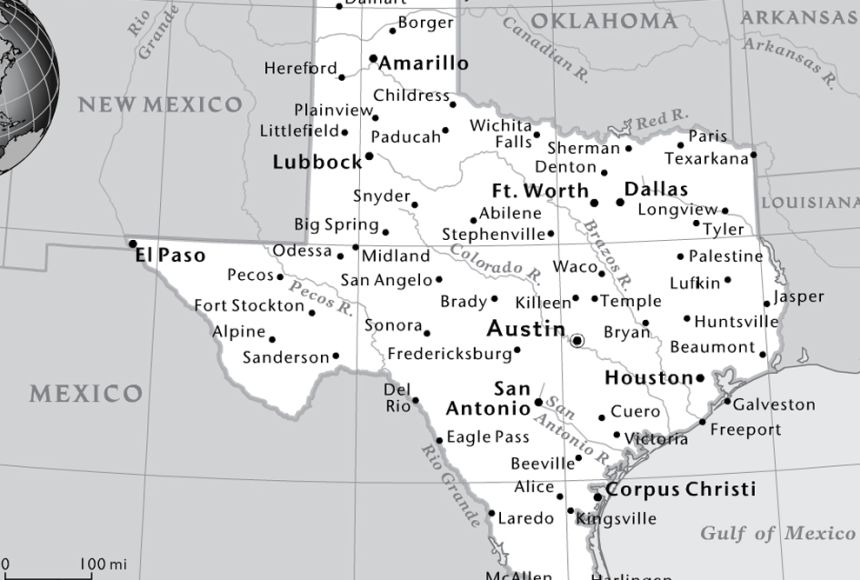
For travelers, history buffs, and those seeking to immerse themselves in the rich heritage of the United States, the narrative of Texas’s statehood provides a profound backdrop to any visit. Imagine strolling through the historic streets of San Antonio, visiting the Alamo, or walking the halls of the Texas State Capitol in Austin, knowing the dramatic events that led to their creation and significance. The allure of Texas today, with its luxurious resorts, charming boutique hotels, diverse culinary scene, and breathtaking natural wonders, is deeply intertwined with its past. This article will delve into the pivotal moments that led to Texas’s statehood, offering insights into how this history continues to shape its appeal as a premier travel and lifestyle destination.
The Republic of Texas: A Decade of Independence (1836-1845)
Before Texas could join the United States, it had to forge its own path as an independent nation. This period, often referred to as the Republic of Texas era, was a tumultuous yet defining time that laid the groundwork for its future.
From Spanish Colony to Mexican Province
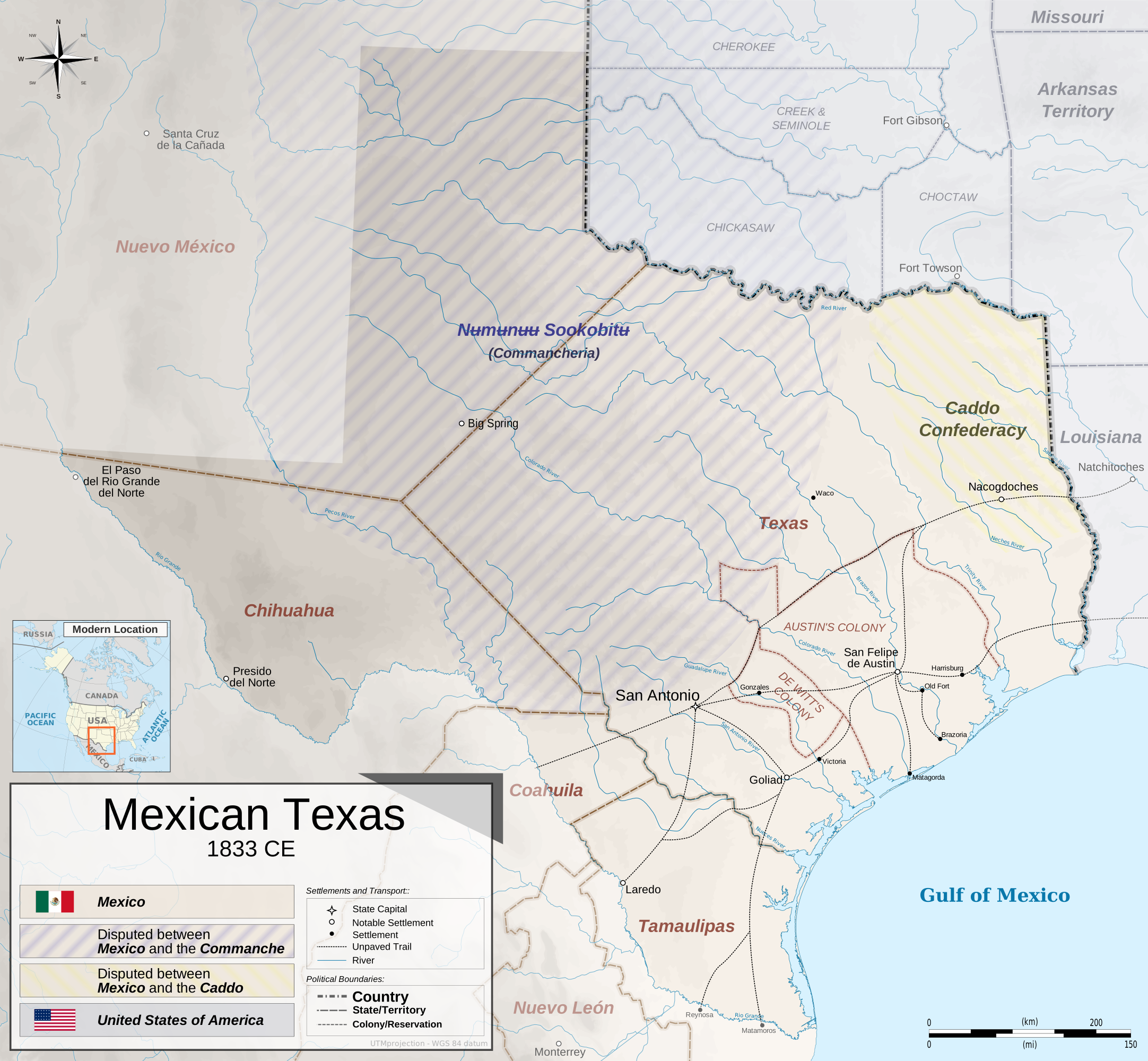
The story begins much earlier, with Texas initially being part of the vast colonial empire of Spain. For centuries, the region was sparsely populated by European settlers, with various missions and presidios serving as outposts. However, with Mexico declaring its independence from Spain in 1821, Texas became a part of the new Mexican nation. To bolster the population and development of its northern frontier, Mexico encouraged immigration, primarily from the United States.
One of the most prominent figures in this colonization effort was Stephen F. Austin, who led the “Old Three Hundred” — the first Anglo-American families to settle in Texas under Mexican rule. These early settlers, largely drawn by promises of cheap land, brought with them cultural practices and political ideals that soon clashed with Mexican governance. Issues like slavery (which Mexico had abolished), religious differences, and a desire for greater autonomy fueled growing discontent.
For travelers today, the remnants of this era can be explored through the missions of San Antonio, including the iconic Alamo, which originally served as a Spanish mission. These historic sites offer a tangible link to the complex cultural melting pot that characterized early Texas.

The Texas Revolution and the Birth of a Republic
The simmering tensions erupted into outright conflict in 1835, marking the beginning of the Texas Revolution. This dramatic period is etched into the very identity of Texas. Key events like the “Come and Take It” skirmish in Gonzales, the desperate siege and fall of the Alamo in March 1836, and the tragic Goliad Massacre fueled the Texans’ resolve for independence. These sacrifices became rallying cries for freedom.
On March 2, 1836, while the Alamo was still under siege, delegates gathered at Washington-on-the-Brazos to declare Texas’s independence from Mexico. The decisive moment came on April 21, 1836, at the Battle of San Jacinto, where General Sam Houston and his Texan army achieved a stunning victory over General Santa Anna’s forces, securing independence. The dramatic events, including the “Runaway Scrape” where Texan settlers fled eastward to escape the advancing Mexican army, are central to the Texan psyche.
For those interested in historical tourism, visiting the San Jacinto Battleground State Historic Site near Houston provides a powerful experience, allowing visitors to stand on the very ground where Texas won its freedom. The Alamo in San Antonio remains one of the most visited landmarks in the United States, a poignant reminder of the ultimate sacrifice made for liberty.
The Lone Star Nation’s Brief Existence
For nearly a decade following the Battle of San Jacinto, Texas existed as an independent republic. Led by presidents like Sam Houston (twice) and Mirabeau B. Lamar, the Republic of Texas faced immense challenges, including financial instability, ongoing threats from Mexico, and border disputes. Despite these hurdles, the young nation established its government, minted its own currency, and sought international recognition.
From a modern travel perspective, the capital cities of the Republic of Texas, such as Columbia, Houston, and ultimately Austin, offer glimpses into this era. The early architecture and historical markers in these cities provide context to the ambitious endeavors of the fledgling nation. This period instilled a unique sense of pride and self-reliance that is still palpable in Texan culture today, evident in everything from local festivals to the entrepreneurial spirit of its citizens.
The Path to Annexation: Debates and Diplomacy
Even as an independent nation, the question of joining the United States loomed large for Texas. Annexation was a complex issue, fraught with political intrigue, sectional divisions, and international implications.
The Appeal and the Resistance
From the outset, many Texans, including President Sam Houston, desired annexation by the United States. They sought the security and economic stability that joining the larger nation would provide. However, the prospect of absorbing Texas into the Union was highly contentious within the United States.
The primary obstacle was the issue of slavery. Texas was a slaveholding territory, and its admission as a slave state would upset the delicate balance of power between free and slave states in the U.S. Congress. Northern abolitionists fiercely opposed annexation, fearing it would expand the institution of slavery. Presidents like Andrew Jackson and Martin Van Buren, while sympathetic to Texas, were hesitant to risk national disunity over the issue.
Shifting Tides and Political Maneuvering
The political landscape began to shift in the early 1840s. Fears that Texas might form alliances with European powers like Great Britain or France – who had their own strategic interests in North America – spurred renewed interest in annexation within the United States. Proponents of Manifest Destiny, the belief in America’s divinely ordained expansion westward, saw Texas as a crucial piece of this grand vision.
President John Tyler, a strong advocate for annexation, pushed for a treaty in 1844, but it was rejected by the U.S. Senate. However, the election of 1844 proved to be a turning point. James K. Polk, running on a platform that included the annexation of both Texas and Oregon, won the presidency. His victory was widely interpreted as a mandate from the American people for westward expansion.
In the final days of his presidency, President John Tyler seized the opportunity presented by Polk’s election. Rather than a treaty, which required a two-thirds majority in the Senate, Tyler proposed a joint resolution for annexation, requiring only a simple majority in both houses of Congress. This legislative maneuver ultimately paved the way for Texas’s entry into the Union.
December 29, 1845: Texas Joins the Union
The culmination of decades of struggle, independence, and political maneuvering arrived with the formal act of annexation. This date forever changed the destiny of Texas and significantly impacted the geopolitical landscape of North America.
The Final Act of Annexation
On December 29, 1845, President James K. Polk signed the act officially making Texas the 28th state of the United States. This momentous event was met with widespread celebration in Texas and by expansionists in the United States. The transition was relatively swift, with a state constitution drafted and approved, and the transfer of governmental authority completed. Anson Jones, the last president of the Republic of Texas, famously declared, “The final act in this great drama is now performed,” as he lowered the Lone Star flag for the last time as an independent nation.
This event marked not just the end of the Republic of Texas but also a significant expansion of the United States’ territory and influence. The annexation of Texas fueled American expansionist ambitions, but also exacerbated tensions with Mexico, which still considered Texas a rebellious province.
Immediate Aftermath and the Mexican-American War
The annexation of Texas directly contributed to the outbreak of the Mexican-American War in 1846. A dispute over the boundary between Texas and Mexico – Texas claimed the Rio Grande as its southern border, while Mexico insisted on the Nueces River – served as the flashpoint for the conflict. The war ultimately resulted in a decisive American victory and the cession of vast territories, including California, Nevada, Utah, and parts of Arizona, New Mexico, Colorado, and Wyoming, to the United States.
Today, sites like the Palo Alto Battlefield National Historical Park near Brownsville, Texas, offer visitors a chance to learn about the initial clashes of the Mexican-American War. These landmarks are crucial for understanding not only Texas’s statehood but also the broader narrative of American expansion.
Texas Today: A Legacy of Statehood and a Traveler’s Paradise
The journey to statehood profoundly shaped Texas’s identity, influencing its culture, economy, and the unique appeal it holds for travelers today. The spirit of independence, resilience, and vastness born from its history is palpable across the state.
Historical Landmarks and Cultural Richness
Texas’s historical narrative provides an incredible foundation for tourism. Beyond the Alamo and San Jacinto Battleground State Historic Site, numerous landmarks invite exploration:
- San Antonio: Beyond its missions, the River Walk offers a charming blend of history, dining, and vibrant local culture, making it a top travel destination.
- Austin: The state capital boasts the magnificent Texas State Capitol, an architectural marvel that stands as a testament to Texan pride. Austin’s vibrant live music scene, delicious food trucks, and outdoor lifestyle embody the contemporary Texan spirit.
- Houston: A global city, Houston offers the Space Center Houston, a symbol of America’s pioneering spirit, alongside world-class museums and a diverse culinary landscape.
- Dallas and Fort Worth: These sister cities represent the fusion of cowboy heritage and modern sophistication. Dallas offers upscale shopping and a bustling arts district, while Fort Worth’s Stockyards National Historic District transports visitors back to the Old West.
- Galveston: On the Gulf Coast, this historic island city offers beautiful beaches, Victorian architecture, and a rich maritime past, ideal for a relaxing getaway.
These cities and their associated landmarks are more than just tourist attractions; they are living museums that tell the story of Texas’s evolution, making them essential stops on any travel itinerary.
Accommodations, Experiences, and Lifestyle
The sprawling geography and diverse culture of Texas mean there’s an accommodation and experience for every type of traveler. From luxury resorts nestled in the picturesque Hill Country to charming boutique hotels in historic downtowns, or even unique glamping experiences in Big Bend National Park, the options are boundless.
- Hotels & Resorts: Major cities offer an array of hotel choices, from international chains like the Four Seasons in Austin to historic properties like the Menger Hotel in San Antonio. For those seeking an immersive lifestyle experience, ranch stays in the Hill Country provide a taste of authentic Texan living.
- Culinary Tourism: Texas’s culinary scene is a direct reflection of its history, blending Tex-Mex, BBQ, Southern comfort food, and increasingly, international fine dining. Food tours and culinary workshops are popular ways to explore this delicious heritage.
- Outdoor Adventures: The state’s natural beauty, from the desert landscapes of Big Bend National Park to the sandy beaches of South Padre Island, provides endless opportunities for hiking, fishing, birdwatching, and water sports.
- Art and Culture: Beyond its history, Texas has a thriving arts scene, with world-class museums in Houston and Dallas, and a unique art community in places like Marfa. Live music venues in Austin are legendary.
Whether you’re looking for a luxury travel experience or a budget-friendly family trip, Texas caters to all. Its rich history provides a compelling narrative, making every landmark, every meal, and every interaction feel deeply connected to the state’s powerful past.
The story of “When Did Texas Become A State?” is far more than a simple date; it’s an epic saga that continues to unfold in the vibrant culture, diverse landscapes, and welcoming spirit of the Lone Star State. December 29, 1845, marks the day Texas officially joined the United States, but its journey to statehood forged an identity that remains distinct and endlessly fascinating. For travelers, this history transforms a simple visit into an immersive experience, revealing the depth and character of one of America’s most iconic states. Come and explore the legacy of independence, discover incredible landmarks, and create your own unforgettable Texas adventure.
LifeOutOfTheBox is a participant in the Amazon Services LLC Associates Program, an affiliate advertising program designed to provide a means for sites to earn advertising fees by advertising and linking to Amazon.com. Amazon, the Amazon logo, AmazonSupply, and the AmazonSupply logo are trademarks of Amazon.com, Inc. or its affiliates. As an Amazon Associate we earn affiliate commissions from qualifying purchases.