
When wandering the cobblestone streets of lower Manhattan, one cannot help but notice the distinct architectural charm of a neighborhood that feels worlds apart from the glass-and-steel skyscrapers of Midtown. This area, defined by its cast-iron facades, wide boulevards, and vibrant creative energy, is known globally as SoHo. But beyond its reputation as a premier shopping destination, the name carries a specific geographic and historical significance that helped shape modern New York City.
The Geographic Origin of the Name
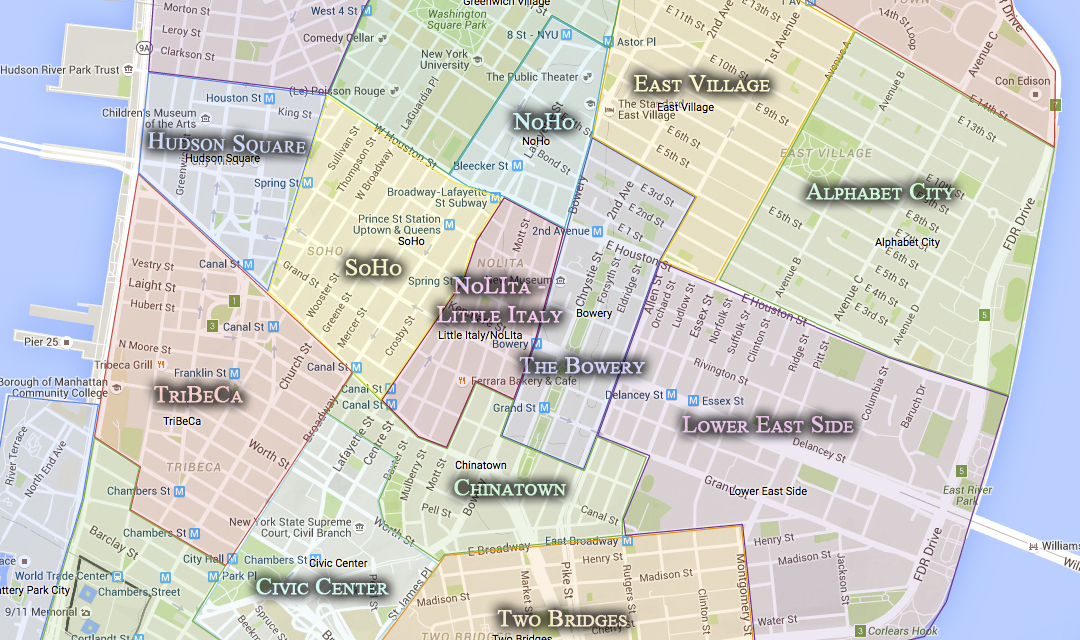
At its most fundamental level, the name SoHo is a portmanteau—a linguistic blend of words designed to describe the neighborhood’s location in relation to major city thoroughfares. The name stands for “South of Houston Street.”

Understanding the Boundaries
The neighborhood is bounded by Houston Street to the north, Canal Street to the south, Lafayette Street to the east, and Varick Street to the west. While New York City is famous for its numbered grid system, Houston Street serves as a critical divider in the downtown landscape.
Historically, this naming convention followed the urban planning trends of the 1960s, similar to the naming of TriBeCa, which stands for “Triangle Below Canal.” By branding the neighborhood as SoHo, urban planners and local activists were able to create a cohesive identity for a district that was transitioning from industrial manufacturing to a residential and commercial hub.
The Influence of London
Interestingly, the name also drew inspiration from a famous district in London, England, which also carries the name Soho. While the London namesake does not stand for “South of Houston,” the shared moniker evokes a similar spirit: a historical, artistic, and bohemian enclave that thrives on cultural output and nightlife. This cultural cross-pollination helped solidify the New York City neighborhood’s reputation as a destination for the avant-garde.
From Industrial Heartland to Architectural Landmark
Before the name SoHo became a household term for high-end fashion and art, the district was known as “Hell’s Hundred Acres.” It was a gritty, industrial zone characterized by textile factories and sweatshops.
The Cast-Iron District
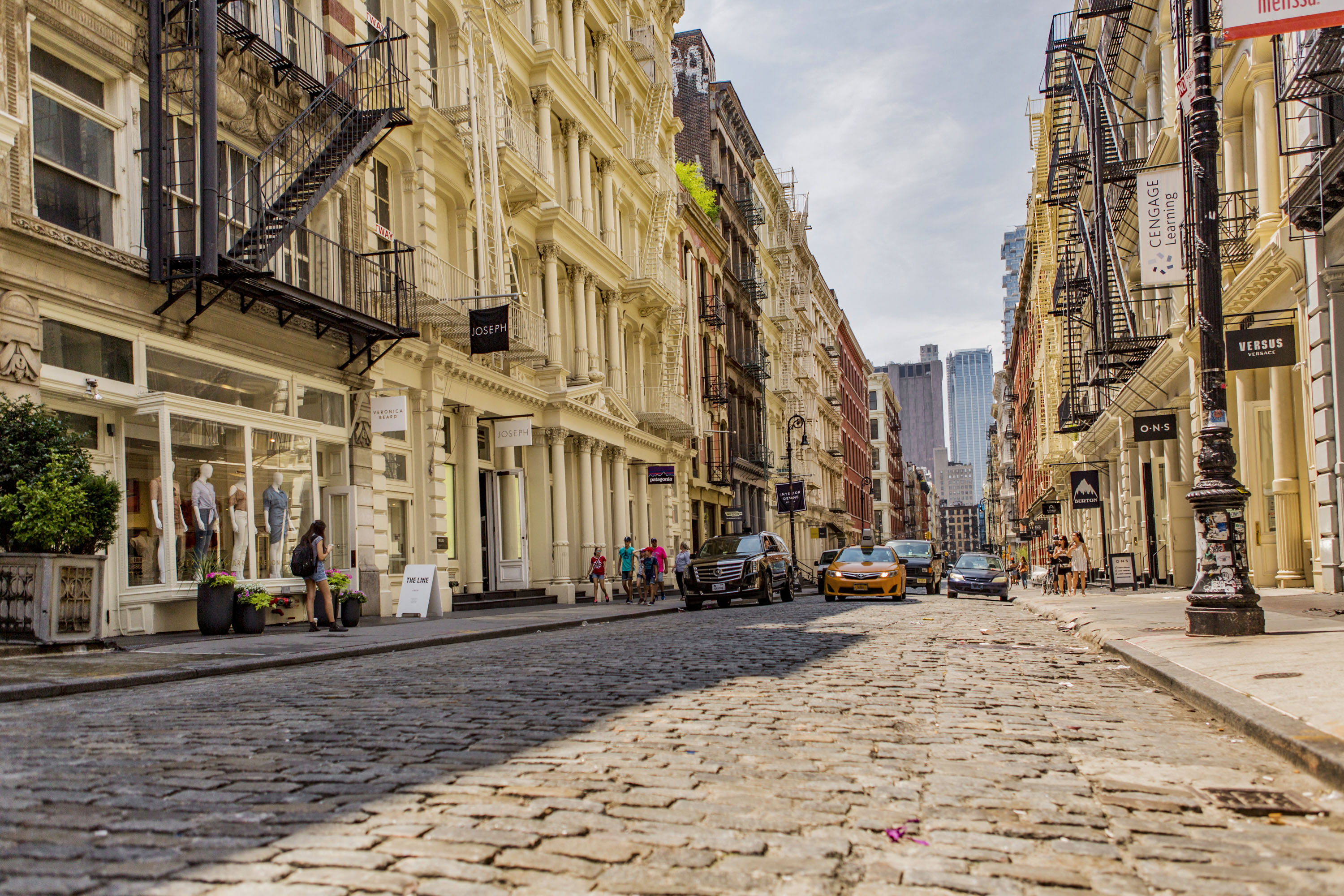
The neighborhood boasts the highest concentration of cast-iron architecture in the world. In the late 19th century, architects began using cast iron to create elaborate, ornate facades that could be mass-produced and bolted onto buildings. These structures, located primarily along Broadway and Greene Street, were designed to mimic the grand aesthetic of European stone architecture at a fraction of the cost.
Because of this unique structural heritage, the SoHo-Cast Iron Historic District was designated a landmark in 1973. This protection ensured that the neighborhood’s identity as a mid-19th-century industrial hub remained intact, preventing the large-scale demolition that occurred in other parts of Manhattan.
The Artist Takeover
During the 1960s and 1970s, as manufacturers moved their operations out of New York City, the spacious, high-ceilinged lofts of SoHo sat vacant. This attracted painters, sculptors, and musicians who were seeking affordable living and working spaces. These artists essentially “reclaimed” the district, transforming dusty factory floors into galleries and studios. This creative influx cemented SoHo as the epicenter of the American art scene, fostering a culture of expression that eventually attracted luxury retailers and international tourists.
The Cultural Evolution of the Neighborhood
Today, the meaning of SoHo has evolved far beyond its simple geographic abbreviation. It is a symbol of urban gentrification and the intersection of commerce and heritage.
A Global Shopping Destination
While the artists have largely been priced out of the neighborhood, their legacy remains in the high-end boutiques and concept stores that occupy the ground floors of these historic buildings. Walking down Prince Street or Spring Street offers a unique retail experience where shoppers can admire the ornate columns and sweeping arches of the buildings while exploring luxury brands. The seamless integration of retail into the historic architecture is what makes SoHo a premier landmark in New York City.
Preserving the Spirit
Despite the influx of national and international chain stores, SoHo remains a distinct destination that feels different from the rest of the city. The narrow streets, the pedestrian-friendly atmosphere, and the proximity to other vibrant neighborhoods like Little Italy and Chinatown make it a crucial part of the Manhattan fabric.
The neighborhood also maintains a connection to its creative past through its many independent galleries and the presence of institutions like the Drawing Center. Visitors often find themselves drawn to the intersection of Mercer Street and Broome Street, where the interplay of light and history provides some of the most iconic photo opportunities in the city.
Navigating the Neighborhood Today
If you are planning to visit SoHo, it is best to approach it not as a standard shopping mall, but as an open-air museum.
Essential Tips for Visitors
- Look Up: While the shop windows are tempting, the true character of the neighborhood is found on the upper stories of the buildings. The intricate metalwork and decorative cornices tell the story of New York City’s industrial zenith.
- Explore the Side Streets: While Broadway is the main artery, the most authentic experience is found on side streets like Wooster Street or Thompson Street. These thoroughfares offer a quieter look at the neighborhood’s residential history and its stunning architectural preservation.
- Combine with Other Landmarks: A walk through SoHo is easily combined with a trip to the Washington Square Park area, which sits just north of Houston Street in Greenwich Village.
The Significance of the Legacy
In many ways, SoHo is a microcosm of the modern New York City story: a place that reinvents itself without erasing its past. The transition from a manufacturing hub to an artist haven, and finally to a globally recognized district of culture and commerce, shows the resilience of urban spaces.
Whether you are interested in the history of architecture, the evolution of retail, or simply want to experience the undeniable energy of downtown Manhattan, knowing that SoHo stands for “South of Houston Street” provides the key to navigating this fascinating part of the world. It is a reminder that in New York City, even a simple geographic shortcut can carry a legacy that spans generations. As the city continues to grow and change, the cast-iron bones of SoHo will remain, grounding the neighborhood in its history while welcoming the future.
LifeOutOfTheBox is a participant in the Amazon Services LLC Associates Program, an affiliate advertising program designed to provide a means for sites to earn advertising fees by advertising and linking to Amazon.com. Amazon, the Amazon logo, AmazonSupply, and the AmazonSupply logo are trademarks of Amazon.com, Inc. or its affiliates. As an Amazon Associate we earn affiliate commissions from qualifying purchases.