
The word “spa” evokes images of tranquil retreats, soothing massages, and rejuvenating hydrotherapy. It has become a ubiquitous term in the wellness industry, synonymous with relaxation and self-care. But have you ever paused to consider the origins of this simple yet powerful three-letter word? What does “spa” truly stand for, and how did it evolve into the global phenomenon we know today? Delving into its etymology reveals a fascinating journey through history, connecting ancient healing practices to modern luxury travel and holistic well-being.
Unpacking the Etymology: The Roots of “Spa”
The true origin of the word “spa” is a subject of debate among linguists and historians, primarily tracing back to two compelling theories: one rooted in Latin and the other in a specific geographical location. Both contribute significantly to our understanding of the term’s enduring legacy.

The Roman Influence and Salus Per Aquam
One of the most widely cited theories suggests that “spa” is an acronym for the Latin phrase Salus Per Aquam, or sometimes Sanitas Per Aquam, which translates to “health through water.” This etymology strongly aligns with the historical importance of water in Roman culture, particularly their elaborate public baths and therapeutic hot springs.
The Romans, renowned for their engineering prowess and sophisticated lifestyle, understood the healing and social benefits of water. Their bathhouses, such as the Baths of Caracalla or the Baths of Diocletian, were not merely places for hygiene but vibrant social centers where citizens could cleanse, exercise, socialize, and receive various treatments. They believed in the restorative powers of mineral-rich waters, using them to treat ailments, soothe muscles, and promote overall vitality. The concept of “health through water” was central to their medical and daily practices, laying a foundational understanding for what would eventually become the spa tradition. While this acronym theory is popular, it lacks definitive historical evidence as a direct origin for the word itself, though it perfectly encapsulates the essence of spa culture.
The Town of Spa: A Historical Hub
The second and more historically substantiated theory points to the small town of Spa in the province of Liège, Belgium. This picturesque town, nestled in the Ardennes forest, became famous in the 14th century for its natural iron-rich mineral springs. The local Walloon word for “fountain” is “espa,” which may have contributed to the town’s name.
By the 16th century, the town of Spa had gained international renown, attracting visitors from across Europe who sought the medicinal properties of its waters. Wealthy individuals, including royalty and nobility, traveled to “take the waters” at Spa, believing in their curative effects for various ailments. This practice became so popular that the town’s name itself became a generic term for any place with a natural spring believed to have special health-giving properties. By the 17th century, the word “spa” was commonly used in England to refer to such a resort, effectively cementing its place in the English language. This linguistic evolution, where a proper noun becomes a common noun, is a strong indicator of the town of Spa’s profound influence on the concept of hydrotherapy and wellness resorts.
While the Salus Per Aquam theory provides a beautiful philosophical context, the historical evidence strongly suggests that the town of Spa, Belgium, is the direct linguistic ancestor of the modern word “spa.” Regardless of which origin holds more water, both theories underscore the ancient and enduring human connection to water as a source of healing, rejuvenation, and well-being.
The Evolution of Spa Culture: From Healing Waters to Holistic Wellness
The journey of spa culture is a rich tapestry woven through millennia, evolving from simple communal bathing rituals to the sophisticated holistic wellness experiences available today. This evolution reflects changing societal attitudes towards health, medicine, and leisure.
Ancient Traditions: Baths and Healing Rituals
Long before the Roman Empire popularized their thermal baths, ancient civilizations recognized the therapeutic power of water. The Egyptians integrated bathing into their religious and purification rituals, often using aromatic oils and herbs. The Greeks, following the teachings of Hippocrates, prescribed hydrotherapy for various illnesses and integrated baths into their gymnasiums for athletic recovery and general well-being.
The Romans, however, elevated bathing to an art form and a cornerstone of urban life. Their bath complexes, or thermae, were engineering marvels, featuring frigidariums (cold baths), tepidariums (warm baths), caldariums (hot baths), and often included gymnasiums, libraries, and gardens. These spaces were central to public health, social interaction, and personal care. The tradition extended throughout their vast empire, leaving legacies in places like Bath, England, where the famous Roman Baths still stand as a testament to their hydrotherapeutic prowess.
Across Asia, similar traditions flourished. In Japan, the practice of onsen (hot spring baths) has been revered for centuries, not just for physical healing but also for spiritual purification and community bonding. The hammam, or Turkish bath, prevalent across the Middle East and North Africa, offers a similar communal bathing and cleansing experience, often involving exfoliation and massage. These diverse ancient practices all share a common thread: the profound belief in water’s ability to heal, purify, and restore.
The Grand European Spa Towns
Following the decline of the Roman Empire, the practice of public bathing waned in some regions but persisted and evolved in others. The Middle Ages saw a resurgence of interest in mineral springs, driven by medieval physicians who documented their curative properties. By the Renaissance and particularly during the 18th and 19th centuries, European spa towns experienced a golden age.
Places like Baden-Baden in Germany, Karlovy Vary in the Czech Republic, and Vichy and Evian-les-Bains in France, alongside the original Spa in Belgium, became fashionable destinations. These towns developed into sophisticated resorts, featuring magnificent grand hotels, elegant casinos, opera houses, and promenades. Visitors would “take the cure” by drinking the mineral waters, bathing in them, and engaging in light exercise and social activities. This era saw the rise of detailed spa prescriptions, with doctors advising on specific water temperatures, duration of baths, and dietary regimes. These spa towns were not just medical centers but also vibrant social hubs where the elite of Europe would gather, blending health pursuits with leisure and networking.
Modern Spa Experiences: A Global Phenomenon
The 20th century brought significant changes, including advances in conventional medicine, which led to a temporary decline in the popularity of traditional spa cures. However, the late 20th century witnessed a powerful resurgence, driven by a growing interest in preventive health, stress management, and holistic well-being.
Today, the spa industry has diversified exponentially, becoming a global phenomenon that caters to a wide spectrum of needs and preferences. Modern spas offer a blend of traditional hydrotherapy with contemporary treatments, embracing global healing traditions and scientific advancements. From ancient Ayurvedic practices in India to Thai massages in Thailand and high-tech medi-spa treatments, the offerings are vast. The focus has shifted from merely treating illness to promoting overall wellness, stress reduction, anti-aging, and mindfulness. This evolution reflects a broader lifestyle trend towards self-care and conscious living, making spa visits an integral part of many people’s travel and wellness routines.
Types of Spas: A World of Relaxation and Rejuvenation
The modern spa landscape is incredibly diverse, offering a multitude of experiences tailored to different needs, budgets, and lifestyles. Understanding the various types can help you choose the perfect retreat for your next wellness journey.
Destination Spas: Immersive Wellness Getaways
Destination spas are immersive centers dedicated to comprehensive wellness programs. These are typically standalone facilities, often located in serene natural environments, where guests reside for several days or weeks. The focus is on a holistic approach to health, encompassing fitness, nutrition, education, and various spa treatments. Programs often include personal training, yoga, meditation, healthy gourmet cuisine, educational workshops, and extensive treatment menus.
Examples include renowned establishments like Canyon Ranch in Arizona and Miraval in Tucson and Lenox, where guests commit to a wellness-focused itinerary. These spas are ideal for those seeking significant lifestyle changes, detox programs, or a complete mental and physical reset.
Day Spas: Urban Oases
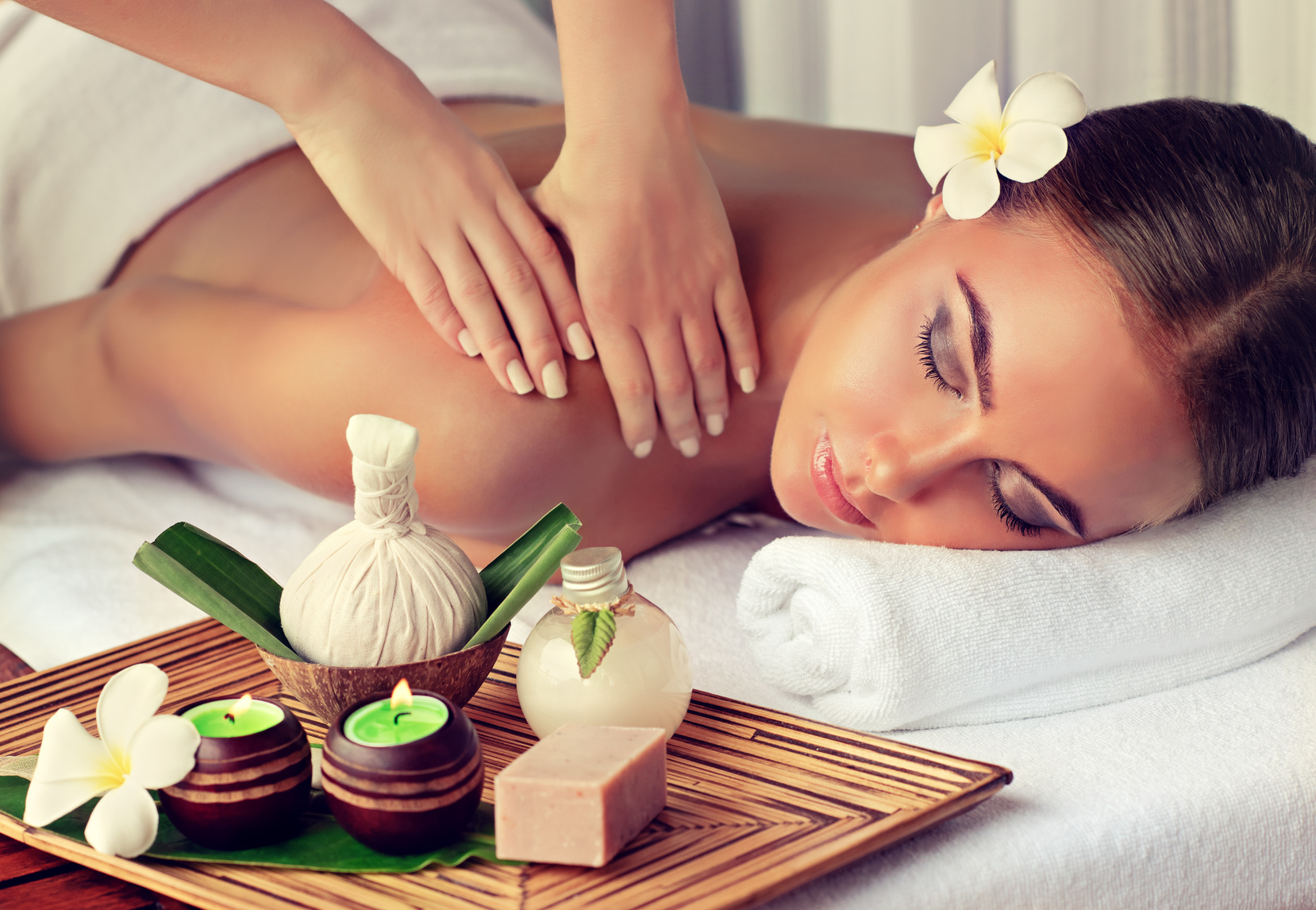
Day spas are by far the most common type of spa, designed for local clientele or travelers seeking a few hours of relaxation rather than an overnight stay. They are typically located in urban areas, shopping centers, or standalone buildings, providing an accessible escape from daily stresses. Services usually include massages (Swedish, deep tissue, hot stone), facials, body wraps, manicures, pedicures, and sometimes light hydrotherapy like saunas or steam rooms. Day spas are perfect for a quick pamper session, a post-work unwind, or an addition to a city break itinerary. They offer convenience and a wide range of à la carte treatments.
Hotel and Resort Spas: Luxury and Convenience
Integrated within hotels, resorts, and cruise ships, these spas provide convenient access to wellness facilities for guests. They often range from small treatment rooms to expansive, luxurious centers complete with pools, fitness studios, thermal suites, and a comprehensive menu of services. Luxury hotel spas are particularly known for their opulent settings, high-end products, and exceptional service. They cater to travelers looking to enhance their vacation or business trip with relaxation and rejuvenation without having to leave their accommodation. Many all-inclusive resorts in destinations like Bali, Thailand, or the Caribbean feature stunning spas as a major attraction.
Medical and Holistic Spas: Specialized Care
Medical spas, or medi-spas, combine traditional spa services with medical aesthetic procedures performed under the supervision of a licensed physician. These can include injectables (Botox, fillers), laser treatments, chemical peels, and advanced skincare. They blend the relaxing ambiance of a spa with the expertise of a medical clinic, focusing on results-driven treatments.
Holistic spas, on the other hand, emphasize alternative and complementary therapies, often drawing from ancient traditions. This might include Ayurveda, traditional Chinese medicine, energy healing, homeopathy, or naturopathy. The focus is on treating the individual as a whole, addressing mind, body, and spirit. These spas are often sought out by those looking for alternative health solutions, detoxification, or spiritual growth, found in serene locations globally, from the Himalayas to the Mediterranean coast.
The Benefits of a Spa Experience: Beyond Relaxation
While relaxation is undoubtedly a primary draw, the benefits of a spa experience extend far beyond simply unwinding. Integrating regular spa visits into your lifestyle can offer profound advantages for both physical and mental well-being, enhancing your overall quality of life and travel experiences.
Physical Well-being: Aches, Pains, and Detoxification
Spa treatments are designed to target a myriad of physical ailments and promote bodily health. Massages, for instance, are highly effective in alleviating muscle tension, reducing chronic pain, improving circulation, and increasing flexibility. Deep tissue massages can target stubborn knots, while lighter Swedish massages promote overall relaxation and stress relief.
Hydrotherapy, including mineral baths, steam rooms, and saunas, plays a crucial role in detoxification. The heat encourages perspiration, which helps release toxins from the body. It also boosts circulation, soothes sore joints, and can provide relief for conditions like arthritis. Facials and body wraps cleanse, exfoliate, and hydrate the skin, improving its texture and appearance. Specialized treatments like thalassotherapy (using seawater and marine products) or mud baths (like those found near the Dead Sea in Israel and Jordan) deliver specific mineral benefits, aiding in skin health and mineral absorption. For athletes or active travelers, a spa visit can significantly aid in muscle recovery and prevent injuries, making subsequent adventures more enjoyable.
Mental Clarity and Stress Reduction
Perhaps one of the most significant benefits of spa therapy is its profound impact on mental and emotional health. In our fast-paced world, stress and anxiety are rampant. A spa environment is meticulously crafted to be a sanctuary from external pressures, promoting peace and quiet. The combination of soothing aromas, gentle music, and expert touch creates an atmosphere conducive to deep relaxation.
Treatments like aromatherapy, often integrated into massages and facials, use essential oils to influence mood and promote calm. The simple act of disconnecting from screens and daily demands allows the mind to quieten, reducing cortisol levels (the stress hormone) and promoting feelings of well-being. Many spas also offer mindfulness practices, meditation sessions, and guided relaxation techniques, helping individuals cultivate greater mental clarity, improve sleep quality, and develop coping mechanisms for stress. This mental recharge can lead to enhanced focus, creativity, and a more positive outlook on life, which is invaluable whether you’re at home or exploring a new destination.
Enhancing Travel and Lifestyle
For travelers, incorporating spa experiences can elevate a trip from enjoyable to truly transformative. After long flights, intense sightseeing, or adventurous activities, a spa visit can be the perfect antidote to fatigue and muscle soreness. It can help you acclimatize to new time zones, rejuvenate your body, and prepare you for further exploration.
For those pursuing a luxury travel lifestyle, spa treatments are often a given, part of the premium amenities offered by high-end hotels and resorts. For budget travelers, seeking out local, affordable spa experiences can offer authentic cultural insights and much-needed relaxation without breaking the bank. From an onsen in Japan to a hammam in Turkey or a modern wellness center in New York City, spas offer a unique way to engage with different cultures and embrace self-care as a global concept. Ultimately, a spa experience is an investment in yourself, fostering a holistic approach to health that supports a vibrant and balanced lifestyle.
Choosing Your Perfect Spa Experience
With such a diverse array of spa options available, selecting the right one can seem daunting. However, by considering a few key factors, you can tailor your spa journey to perfectly match your needs, preferences, and travel plans.
Considerations for Your Spa Journey
Before booking your next spa treatment or wellness retreat, ask yourself a few questions:
- What is your primary goal? Are you seeking deep relaxation, pain relief, skin rejuvenation, a detox, or a complete lifestyle overhaul? Your answer will guide you towards a day spa, medical spa, or destination spa.
- What is your budget? Spa experiences range from affordable quick treatments at urban day spas to luxurious, week-long programs at high-end destination spas. Knowing your budget upfront will help narrow down your choices.
- How much time do you have? Do you have an hour for a quick massage, a full day for multiple treatments, or several days for an immersive retreat?
- What kind of ambiance do you prefer? Do you prefer a bustling urban oasis, a serene natural setting, or the opulent luxury of a five-star hotel spa?
- Are there specific treatments you are interested in? From traditional massages and facials to unique regional therapies like Balinese rituals or Ayurvedic consultations, knowing what you want to experience can guide your choice.
- Do you have any health concerns or allergies? Always communicate these to the spa staff to ensure your treatments are safe and tailored to your needs.
Reading reviews and exploring the spa’s menu and amenities online can provide valuable insights into its philosophy, atmosphere, and the quality of its services.

Integrating Spas into Your Travel Plans
Incorporating a spa visit into your travel itinerary can significantly enhance your overall experience. If you’re planning a romantic getaway, look for boutique hotels with intimate spa facilities. For a family vacation, some resorts offer family-friendly spa options or specialized treatments for teenagers. A wellness retreat can be the sole purpose of your trip, taking you to tranquil locales like Costa Rica, Iceland (home to the famous Blue Lagoon), or remote areas of California.
Even on a business trip to a bustling metropolis like London or Paris, reserving an hour or two for a spa treatment can be incredibly beneficial for stress relief and maintaining energy. Many urban hotels, especially in cities like Las Vegas, feature expansive, world-class spas that are destinations in themselves.
Whether it’s a quick massage to break up a long journey or a week-long immersion in a specialized wellness program, the options are limitless. The integration of spa experiences into your travel and lifestyle choices speaks to a broader appreciation for holistic health, mindful living, and the enduring human desire to find rejuvenation and peace in a world that constantly demands our attention. From its ancient origins to its modern manifestations, the concept of “spa” continues to stand for a profound commitment to health through water and, more broadly, through conscious self-care.
LifeOutOfTheBox is a participant in the Amazon Services LLC Associates Program, an affiliate advertising program designed to provide a means for sites to earn advertising fees by advertising and linking to Amazon.com. Amazon, the Amazon logo, AmazonSupply, and the AmazonSupply logo are trademarks of Amazon.com, Inc. or its affiliates. As an Amazon Associate we earn affiliate commissions from qualifying purchases.