
The phrase “Texas A&M” is more than just a name; it’s a symbol, a legacy, and a cornerstone of higher education and community in the Lone Star State. For many, it conjures images of a sprawling campus, passionate athletic rivalries, and a strong sense of tradition. But what exactly do the letters “A” and “M” stand for, and how do they encapsulate the very essence of this renowned institution? Understanding the origins and meaning behind “Texas A&M” unlocks a deeper appreciation for the university’s historical significance, its academic mission, and its enduring impact on the state of Texas and beyond. This exploration delves into the historical roots of the name, its connection to the broader American agricultural and mechanical college movement, and how this foundational identity continues to shape the Texas A&M University experience today.
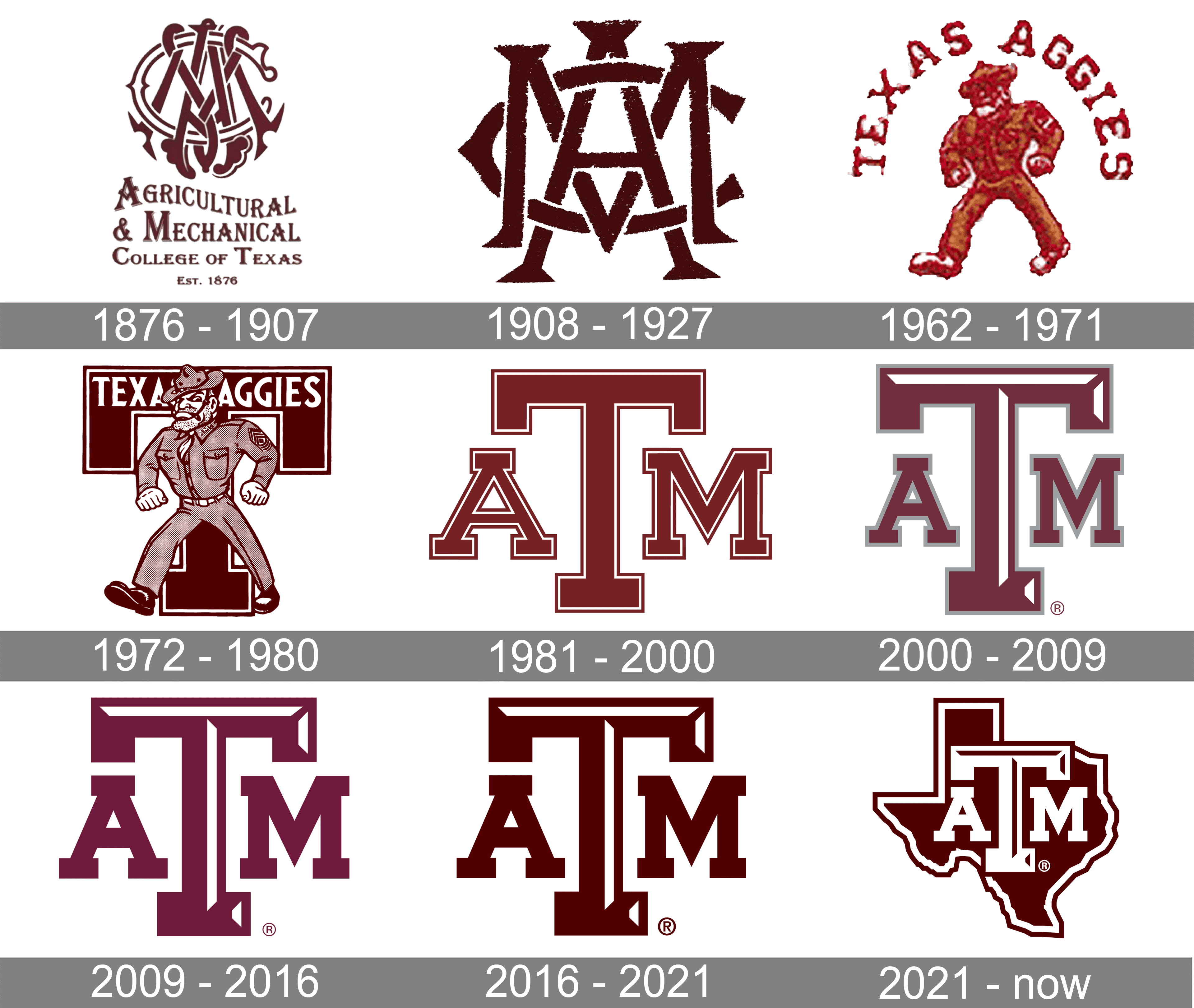
The university’s story begins in the post-Civil War era, a period of significant change and growth in the United States. The Morrill Land-Grant Acts, particularly the second one passed in 1890, provided federal land grants to states for the establishment of colleges focused on agriculture and the mechanic arts. These were practical, hands-on fields of study designed to equip students with the skills needed to advance these vital sectors of the economy. In Texas, this federal initiative led to the founding of the Agricultural and Mechanical College of Texas in 1876. The name itself was a direct reflection of its mandate: to provide education in agriculture and mechanical sciences, thereby fostering innovation and progress in these areas.
This foundational purpose is deeply embedded in the identity of Texas A&M. While the university has evolved dramatically over its long history, expanding its academic offerings to encompass a vast array of disciplines, the core principles of practical application, scientific inquiry, and service remain central to its mission. The “A” for Agriculture and the “M” for Mechanic Arts were not arbitrary choices; they represented a forward-thinking educational philosophy aimed at building a skilled workforce and driving economic development. Today, these early foundations are still evident in the university’s robust programs in engineering, agriculture, and veterinary medicine, alongside its comprehensive offerings in business, liberal arts, and sciences. The name, therefore, serves as a constant reminder of the university’s origins and its enduring commitment to serving the state of Texas through education and research.
The Roots of the “A” and “M”: A Legacy of Practical Education
The designation of “Agricultural and Mechanical” was not unique to Texas A&M. It was a common nomenclature for institutions established under the Morrill Acts across the United States. These land-grant universities were envisioned as democratizing higher education, making it accessible to a broader segment of the population, not just those pursuing traditional academic or professional paths. The focus was on equipping individuals with marketable skills and fostering innovation in fields crucial to the nation’s growth.
Agriculture: Feeding the Nation and Beyond
The “A” in Texas A&M signifies the institution’s deep and abiding commitment to agriculture. This was the bedrock upon which the university was built. In the late 19th century, Texas was a largely agrarian society, and the need for improved farming techniques, livestock management, and agricultural science was paramount. The university was tasked with developing and disseminating knowledge that would help farmers increase yields, improve the quality of their produce, and make Texas agriculture more competitive.
This mission has not diminished with time. Texas A&M remains a global leader in agricultural research and education. Its colleges of agriculture are at the forefront of developing sustainable farming practices, exploring new crop varieties, understanding animal health and nutrition, and addressing global food security challenges. Students in these programs gain not only theoretical knowledge but also practical, hands-on experience through internships, research projects, and engagement with the agricultural industry. The university’s agricultural extension services play a vital role in connecting research findings to farmers and communities across the state of Texas, embodying the spirit of service inherent in its founding. From developing drought-resistant crops to pioneering advanced livestock breeding techniques, the pursuit of agricultural excellence is a defining characteristic of Texas A&M.
Mechanic Arts: Building the Future
The “M” represents the “Mechanic Arts,” a term that broadly encompasses engineering, technology, and vocational trades. In the context of the 19th century, this meant training individuals in the practical application of science and mathematics to design, build, and maintain the infrastructure and machinery that powered industrialization. This included disciplines like mechanical engineering, civil engineering, electrical engineering, and the various trades that supported manufacturing and construction.

Texas A&M‘s commitment to the mechanic arts has translated into one of the largest and most respected engineering programs in the United States. The Dwight Look College of Engineering is renowned for its rigorous academic standards, its cutting-edge research, and its strong ties to industry. Graduates from its programs are highly sought after by employers, filling critical roles in sectors ranging from aerospace and energy to software development and biomedical engineering. The emphasis is not just on theoretical understanding but on problem-solving, innovation, and the ability to translate scientific principles into tangible solutions. The spirit of the mechanic arts lives on in the university’s dedication to producing engineers, scientists, and technologists who are prepared to tackle the complex challenges of the 21st century and contribute to technological advancement. This focus on practical application and problem-solving extends beyond traditional engineering fields, influencing the university’s approach to innovation and technological development across all its disciplines.
Beyond the Letters: The Spirit of Texas A&M
While the “A” and “M” provide the historical and academic framework for Texas A&M, the university’s identity extends far beyond these letters. It is shaped by a unique culture, a strong emphasis on tradition, and a deep-seated sense of community. This intangible spirit, often referred to as the “Aggie Spirit,” is what truly defines the Texas A&M experience for its students, alumni, and supporters.
Tradition and Brotherhood: The Aggie Network
A defining characteristic of Texas A&M is its rich tapestry of traditions, many of which are rooted in its military history. The university was originally a military academy, and elements of discipline, leadership, and camaraderie persist today, particularly within the Corps of Cadets. This military heritage has fostered a unique sense of shared experience and collective identity among students and alumni.
The concept of “Aggie Network” is perhaps one of the most powerful manifestations of this spirit. It refers to the vast and interconnected community of Texas A&M alumni, a network that spans the globe and provides invaluable support, mentorship, and career opportunities. This network is built on a foundation of shared values, mutual respect, and a deep loyalty to the university. Whether it’s assisting a fellow Aggie in finding a job, offering advice to a current student, or simply reconnecting at an alumni event, the Aggie Network exemplifies the enduring bonds forged during time spent on campus. This sense of belonging extends to all students, regardless of their academic pursuits or whether they are part of the Corps of Cadets, creating a unified and supportive community.
A Culture of Service and Leadership
The founding principles of Texas A&M—agriculture and mechanic arts—were inherently linked to service to the state of Texas and the nation. This ethos of service is deeply ingrained in the university’s culture. Students are encouraged to engage in community service, develop leadership skills, and strive to make a positive impact on the world. This commitment to service is evident in the numerous student organizations dedicated to volunteerism, the university’s outreach programs, and the emphasis placed on ethical leadership.
The “why not try?” spirit, a phrase often associated with Texas A&M, encapsulates a proactive and determined approach to problem-solving and innovation. It encourages individuals to push boundaries, to challenge conventional thinking, and to pursue ambitious goals with perseverance. This mindset, combined with the strong emphasis on service, produces graduates who are not only skilled professionals but also responsible citizens committed to making a difference. The university’s dedication to developing leaders who are prepared to serve in their communities and professions is a testament to its enduring legacy and its forward-looking vision.

The Enduring Significance of the Name
In conclusion, the name Texas A&M is far more than a simple identifier. It is a historical marker, a declaration of purpose, and a symbol of a vibrant and dynamic institution. The “A” for Agriculture and the “M” for Mechanic Arts speak to the university’s origins in practical education, aimed at equipping individuals with the skills to contribute to the economic and technological advancement of the state of Texas.
However, the meaning of Texas A&M has evolved and expanded over time. While these foundational disciplines remain vital, the university now offers a comprehensive education across a vast spectrum of fields. What truly distinguishes Texas A&M today is the powerful spirit that animates its campus, its traditions, its people, and its unwavering commitment to service and leadership. The legacy of agriculture and mechanic arts has blossomed into a world-class research university that fosters innovation, cultivates community, and empowers its students to become influential leaders and engaged citizens. The name Texas A&M continues to represent a promise: a promise of excellent education, a promise of lifelong connections, and a promise of making a meaningful impact on the world.