The vibrant spirit of Texas A&M University is palpable long before you set foot on its sprawling campus in College Station, Texas. From the rousing “Howdy!” that greets visitors to the sea of maroon and white on game days at Kyle Field, the institution exudes a powerful sense of tradition and camaraderie. Yet, for many outside the expansive “Aggie Network” – the loyal alumni and supporters – a fundamental question often arises: what, precisely, does the “A&M” in Texas A&M stand for? The answer is a fascinating journey through the history of Texas itself, reflecting a commitment to practical education, scientific advancement, and the enduring values that shape a unique educational and cultural destination.
The acronym “A&M” is an abbreviation for “Agricultural and Mechanical.” This seemingly simple phrase encapsulates the foundational mission of the university, which was established in 1876 as the Agricultural and Mechanical College of Texas. As the first public institution of higher education in the state, its creation marked a pivotal moment in Texas’s post-Civil War reconstruction and its vision for a progressive future. Understanding this origin is not merely an academic exercise; it unlocks a deeper appreciation for the university’s profound legacy and its ongoing influence on travel, tourism, and local lifestyle within the Brazos Valley and beyond.
The Genesis of a Name: From Agricultural and Mechanical College to a Global Powerhouse
The story of “A&M” is inextricably linked to the Morrill Act of 1862, a landmark piece of federal legislation signed by President Abraham Lincoln. This act granted federal lands to states for the purpose of establishing colleges that would teach “agriculture and the mechanical arts” – a revolutionary concept at a time when higher education was predominantly focused on classical studies. The intent was to provide practical education to the working classes, fostering advancements in farming, engineering, and military tactics. Texas, eager to rebuild and modernize after the war, embraced this opportunity, leading to the creation of its own land-grant institution.

Early Beginnings and a Vision for Texas
The Agricultural and Mechanical College of Texas officially opened its doors on October 4, 1876. Its initial curriculum reflected its name: a strong emphasis on agricultural sciences, including crop rotation, animal husbandry, and soil management, alongside mechanical arts such as carpentry, blacksmithing, and machinery operation. Military training was also a core component, reflecting the era’s belief in developing disciplined citizens and leaders, a tradition that endures today with the famed Corps of Cadets.
The choice of location, College Station, was strategic. Situated on a vast tract of land, it offered ample space for experimental farms and engineering workshops, far enough from the distractions of larger cities like Houston or Dallas to foster a dedicated academic environment. This rural setting profoundly shaped the early culture of the institution, fostering a close-knit community and a unique set of traditions centered around hard work, loyalty, and service. For modern-day visitors, exploring the historic parts of the campus provides a tangible connection to these humble beginnings, offering a fascinating glimpse into the history and architecture that tell the tale of Texas’s educational pioneers.
Embracing Change: The Evolution of the Institution
As Texas grew and diversified, so too did its premier land-grant university. The 20th century brought rapid industrialization, technological innovation, and a greater demand for a broader range of academic disciplines. While agriculture and mechanical arts remained central, the college began to expand its offerings significantly, adding programs in science, liberal arts, and business. By the mid-20th century, the institution’s scope had far outgrown its original name.
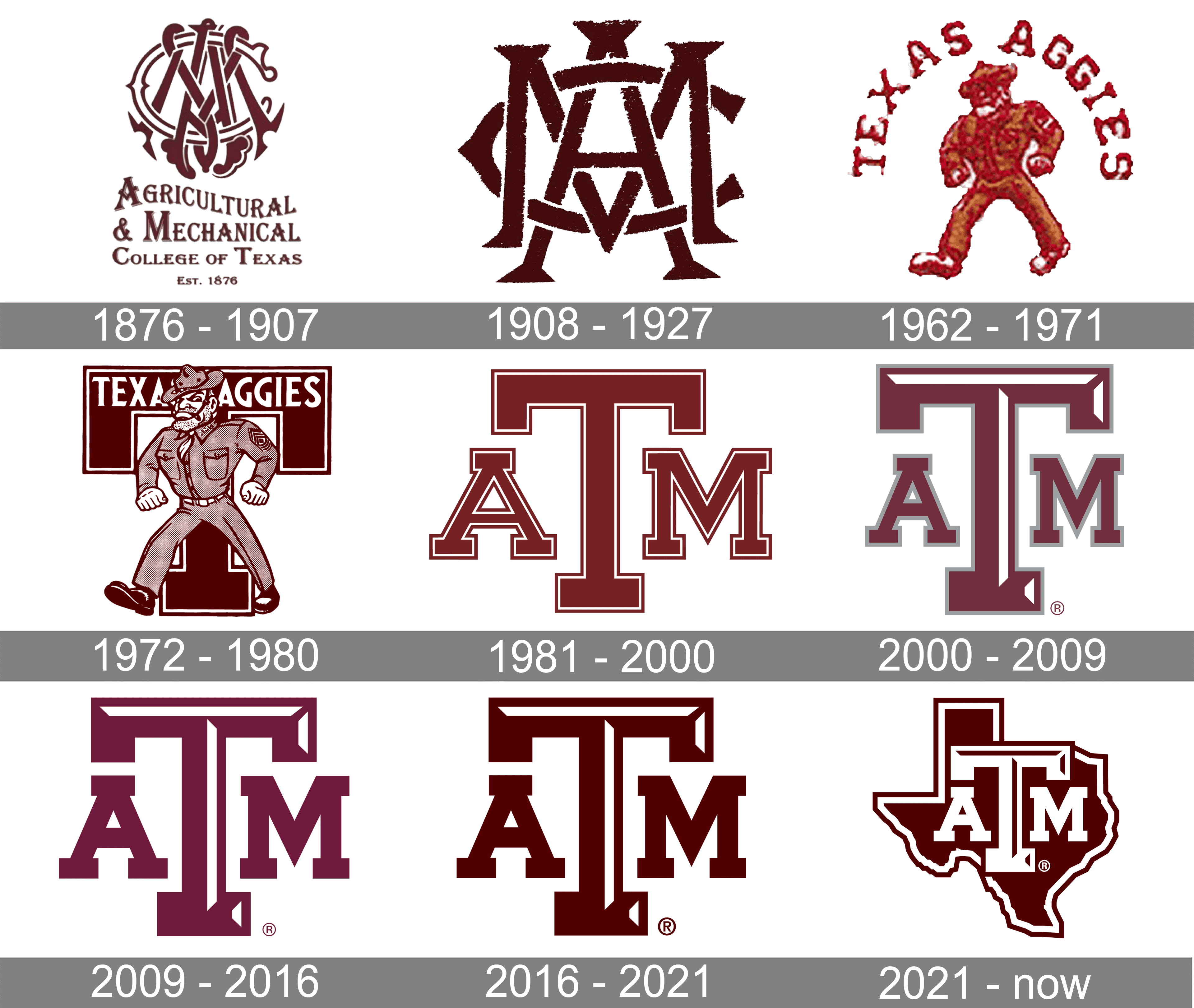
In recognition of its expanded mission and comprehensive academic profile, the Agricultural and Mechanical College of Texas was officially renamed Texas A&M University in 1963. Crucially, the “A&M” was retained, not as a literal description of its current offerings, but as a symbolic nod to its proud heritage and foundational values. It became a powerful brand, synonymous with excellence, tradition, and a distinctive spirit. This decision ensured that while the university evolved into a world-class research institution, it never lost touch with the practical, service-oriented ethos embedded in its original name. For alumni and prospective students, the “A&M” serves as a constant reminder of where they come from and what the institution stands for – a blend of innovation and enduring tradition that makes visiting the campus a truly unique experience.
Beyond the Acronym: The Enduring Legacy and Spirit of Texas A&M
The symbolic “A&M” is more than just an abbreviation; it represents a commitment to diverse fields of study, groundbreaking research, and a global network of dedicated individuals. Today, Texas A&M University is one of the largest and most respected universities in the United States, a vibrant hub for learning, innovation, and culture.
Academic Excellence and Research Prowess
While its roots are in agriculture and mechanics, Texas A&M now offers nearly 150 undergraduate and 300 graduate degrees across 17 colleges and schools. Its programs range from aerospace engineering to veterinary medicine, oceanography to public health, and urban planning to business administration. The university consistently ranks among the top public institutions for its research expenditures, making significant contributions in areas such as energy, biotechnology, cybersecurity, and advanced materials. This commitment to research not only pushes the boundaries of knowledge but also attracts leading scholars and students from around the world, enhancing the intellectual vibrancy of College Station.
Visitors interested in the scientific and academic side of Texas A&M can explore various on-campus museums and centers, some of which offer public tours or exhibits. These facilities provide a glimpse into the cutting-edge work being done, showcasing the modern interpretation of the “mechanical arts” and “agriculture” through advanced technology and sustainable practices. The university’s expansive libraries and study spaces also offer quiet havens for those seeking to immerse themselves in the academic atmosphere.
The Aggie Network and Global Reach
Perhaps one of the most remarkable aspects of Texas A&M is its unparalleled “Aggie Network.” With over half a million living alumni worldwide, this network is renowned for its loyalty, mutual support, and profound sense of connection. The values instilled during their time in Aggieland – integrity, leadership, selfless service, and respect – forge bonds that last a lifetime. This network plays a crucial role in supporting the university’s mission, attracting top talent, and providing opportunities for current students and graduates.
The global reach of the Aggie Network means that the spirit of Texas A&M extends far beyond College Station. Alumni gatherings, watch parties for sporting events, and service projects take place in cities and countries across the globe, creating a truly international community. For those considering visiting or attending Texas A&M, understanding this powerful network is key to appreciating the unique social and professional landscape that defines the institution. It’s a testament to the fact that while the “A&M” started with a local focus, its impact has become undeniably global.
College Station as a Destination: Exploring the Texas A&M Experience for Visitors
Beyond its academic prestige and historical significance, Texas A&M University and its home city of College Station offer a compelling travel destination for a diverse range of visitors. Whether you’re an alumnus returning home, a prospective student exploring options, a sports enthusiast, or a family planning a trip, Aggieland provides a rich array of attractions, accommodations, and local experiences.
Campus Landmarks and Attractions
The Texas A&M campus itself is a sprawling museum of landmarks and history. A must-visit is the iconic Kyle Field, one of the largest and most revered college football stadiums in the United States. On game days, the stadium becomes the third-largest “city” in Texas, pulsating with the energy of the “12th Man.” Even outside of football season, tours of Kyle Field offer an incredible look into Aggie traditions and the sheer scale of the university’s athletic prowess in the SEC (Southeastern Conference).
Another essential stop is the George Bush Presidential Library and Museum. Dedicated to the life and public service of the 41st U.S. President, George H.W. Bush, and his wife, Barbara Bush, this landmark offers engaging exhibits, interactive displays, and a serene burial site. It’s a significant cultural and historical attraction that draws visitors from around the globe, providing deep insights into modern American political history.
The Memorial Student Center (MSC), known as “the living room of the university,” is a hub of activity. It houses eateries, meeting spaces, art galleries, and memorials, serving as a powerful tribute to Aggies who have served in the armed forces. Other notable landmarks include the Bonfire Memorial, a poignant and reflective space honoring those lost in the 1999 Bonfire collapse, and the majestic academic buildings that showcase various architectural styles reflecting different eras of the university’s growth. Visitors can also seek out Reveille, the beloved First Lady of Aggieland and official mascot, who is often seen around campus.
Accommodation and Tourism in Aggieland
For those planning a visit to College Station, a wide range of accommodation options are available, catering to every preference and budget. From luxurious hotels and resorts near campus to budget-friendly suites and charming apartments for long-term stays, the city is well-equipped for tourism. Major hotel chains have a strong presence, offering a host of modern amenities such as pools, fitness centers, and business facilities. For a more local flavor, boutique hotels and guesthouses can provide a unique experience.
Given the popularity of Texas A&M events, especially football games, graduations, and alumni weekends like Muster, it’s highly recommended to make bookings well in advance. During these peak times, hotel occupancy can reach critical levels, and prices may surge. Websites offering reviews and comparison tools are invaluable for finding the best deals and ensuring a comfortable stay. Many hotels offer shuttle services to campus, making it easier to navigate the busy streets on event days.
Lifestyle and Experiences for Every Traveler
The lifestyle in College Station revolves heavily around the university, offering a vibrant mix of activities and local culture. Northgate, an entertainment district adjacent to campus, comes alive in the evenings, with bars, restaurants, and live music venues. For a more upscale experience, Century Square offers dining, shopping, and entertainment in a stylish, pedestrian-friendly environment.
Food plays a significant role in the local tourism scene, with a diverse culinary landscape ranging from classic Texas BBQ and Tex-Mex to international cuisine and trendy cafes. Visitors can explore farmer’s markets, local breweries, and unique eateries that reflect the diverse student body and faculty.
For families, there are numerous activities beyond the university. The Children’s Museum of the Brazos Valley offers interactive learning, while nearby parks and nature trails provide opportunities for outdoor recreation. Bryan, College Station’s sister city, boasts a historic downtown area with art galleries, antique shops, and local boutiques, perfect for a leisurely afternoon stroll.
Whether your travel plans lean towards luxury travel for an alumni reunion, a budget travel family trip to visit a prospective student, or a business stay for a conference, College Station offers a welcoming atmosphere with a distinct character. The enduring “A&M” legacy, woven into the fabric of the community, ensures that every visit is more than just a trip; it’s an immersion into a unique piece of American educational and cultural history. The blend of tradition, academic rigor, and vibrant local life makes Texas A&M a captivating destination well worth exploring, offering a memorable experience for anyone curious about the heart and soul of Texas higher education.