
For any ardent traveler, the ability to move freely and without hassle is paramount. Whether you’re planning a weekend getaway to the bustling streets of Los Angeles, a scenic drive up the Pacific Coast Highway to San Francisco, or an international adventure originating from a California airport, understanding the nuances of identification is crucial. In recent years, one piece of identification has taken center stage for domestic air travel within the United States: the Real ID. Specifically, for residents of the Golden State, the California Real ID has become an essential document, not just for travel, but for various aspects of modern life.
But what exactly does this vital document look like? How does it differ from a standard California driver’s license or ID card? And why should every traveler and resident prioritize understanding its appearance and implications? This comprehensive guide will delve into the visual characteristics, security features, and practical applications of the California Real ID, ensuring you’re well-equipped for your next journey, whether it’s a quick flight, a hotel check-in, or simply navigating daily life.
Unveiling the California Real ID: A Visual Guide for Travelers
The most pressing question for many is, understandably, what differentiates the California Real ID from its standard counterpart? The answer lies in a combination of subtle yet significant visual cues and advanced security features designed to meet federal standards for identification. Understanding these elements is key for smooth interactions at airports, federal facilities, and various other checkpoints across your travels.
Distinguishing Features: What Sets It Apart?
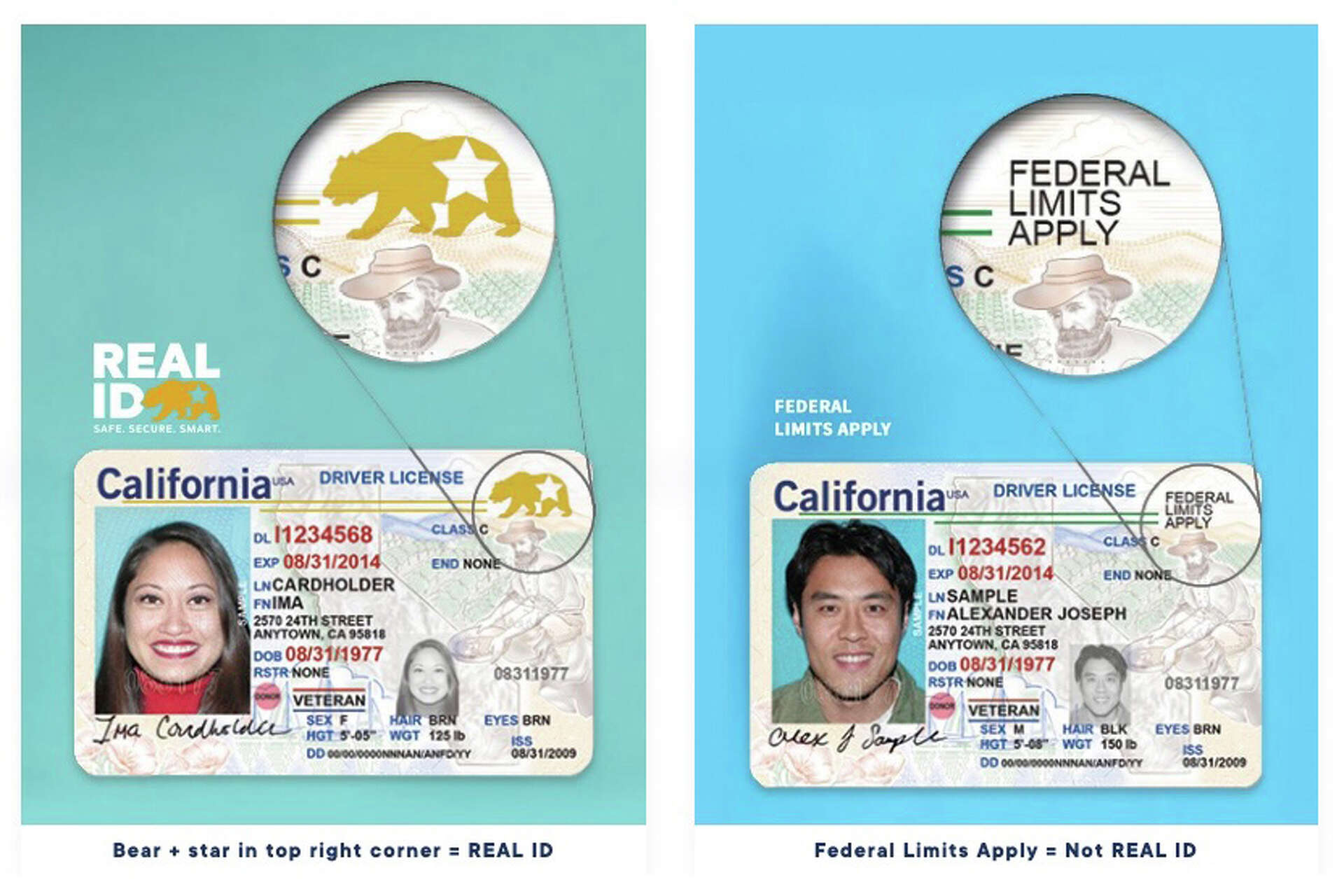
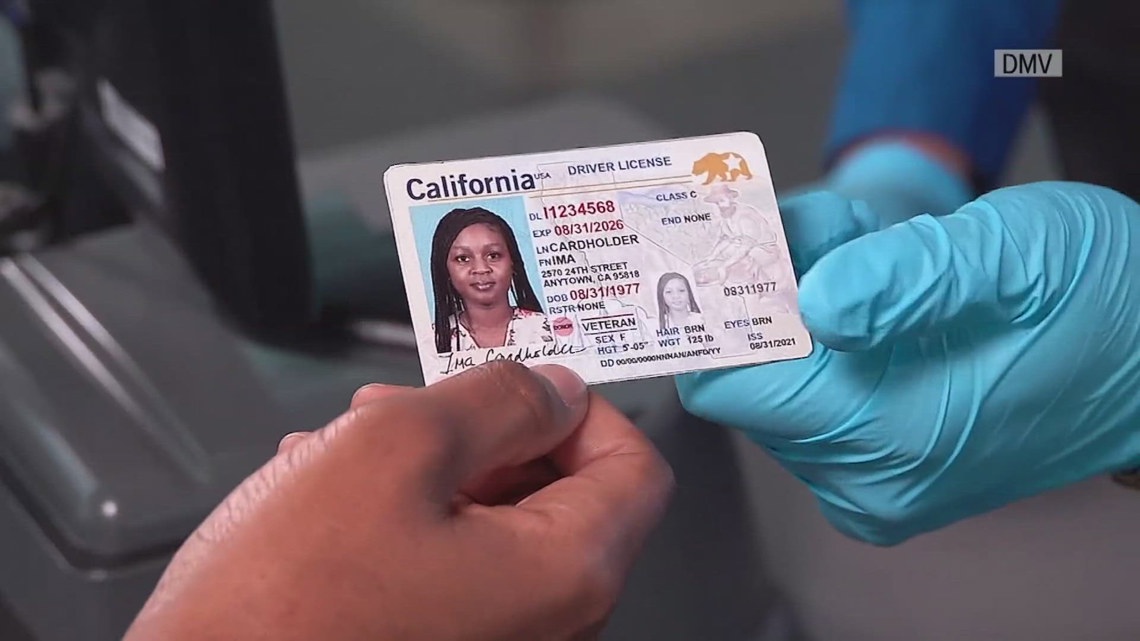
At first glance, the California Real ID closely resembles a traditional California driver’s license or identification card. It maintains the familiar rectangular plastic format, the iconic California grizzly bear and poppy design on the front, and the standard layout of personal information. However, there’s one critical, easily identifiable distinction that makes all the difference: a gold bear with a star inside of it, located in the upper right-hand corner of the card.
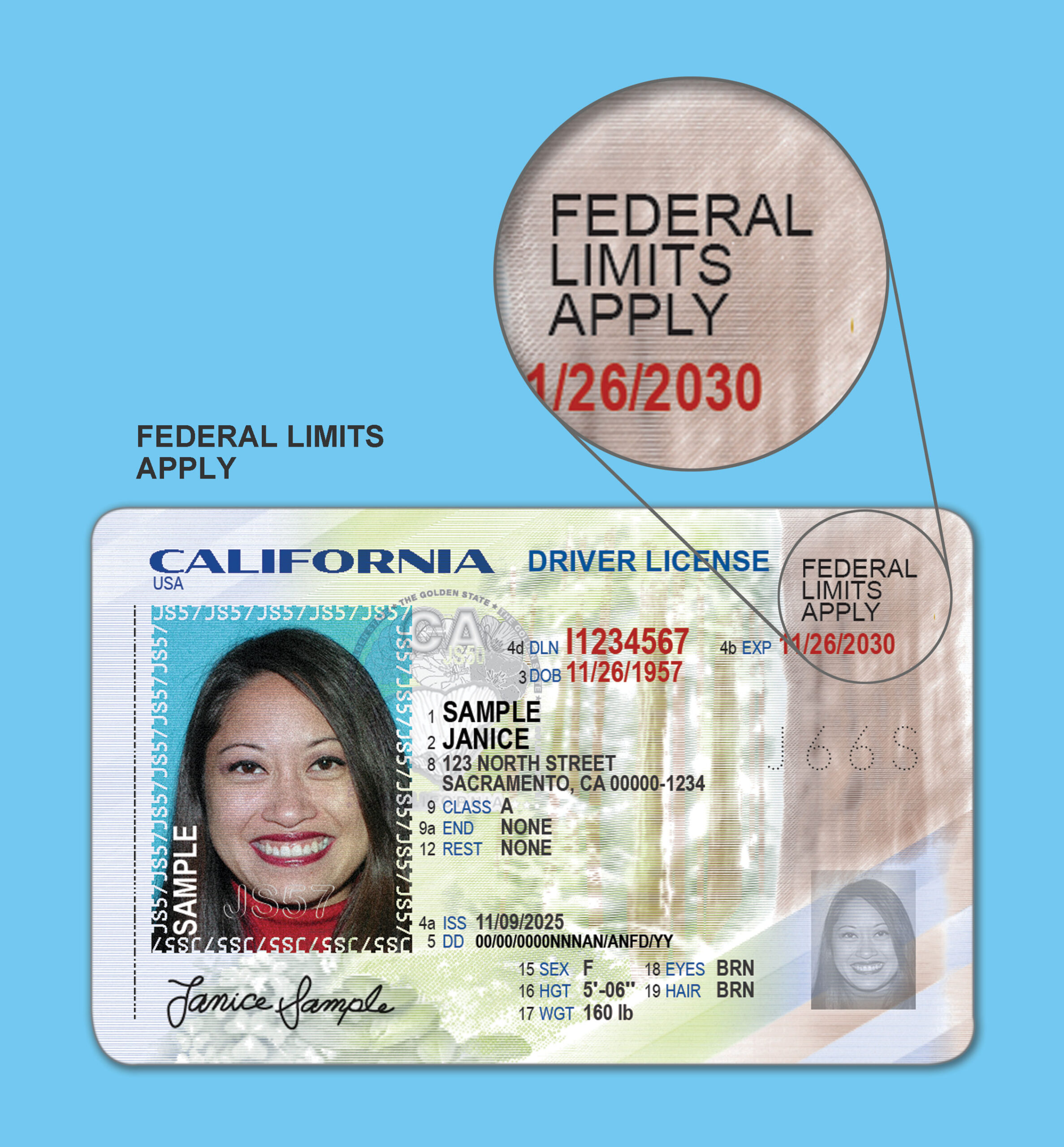
This small, yet prominent, gold star is the universal indicator that the card meets the federal security standards established by the Real ID Act of 2005. A standard California driver’s license or ID card, which is valid for driving purposes but not for federal identification requirements for air travel or accessing federal facilities, will explicitly state “FEDERAL LIMITS APPLY” in the upper right corner instead of featuring the gold star. This difference is paramount for travelers, as it’s the first thing Transportation Security Administration (TSA) agents will look for when you present your ID at airport security checkpoints.
Beyond the star, the California Real ID typically features:
- A high-resolution photograph of the cardholder, often in black and white or a subdued color palette to enhance security and prevent tampering.
- Key personal information, including the cardholder’s full name, address, date of birth, gender, height, and eye color.
- An identifying number, which is unique to the individual.
- The card’s issue date and expiration date, usually valid for five years for driver’s licenses and up to six years for identification cards.
- A scannable 2D barcode on the back, containing encrypted cardholder information for quick verification.
For those considering getting one, remember that the visual appearance is just one aspect. The application process and required documentation are what truly differentiate it from a standard license, ensuring a higher level of identity verification.
Security Elements and Design for Enhanced Travel Confidence
The visual appeal of the California Real ID extends beyond its practical information; it incorporates a sophisticated array of security features designed to combat counterfeiting and enhance the integrity of identification documents. These features not only protect your identity but also streamline the travel experience by building trust in the verification process.
Some of the advanced security elements embedded in the California Real ID include:
- Polycarbonate Material: The card is printed on durable polycarbonate material, making it difficult to alter or counterfeit and resistant to wear and tear, a boon for frequent travelers.
- Laser Engraving: Most of the personal data, including the photograph and signature, is laser-engraved into the card’s layers, rather than printed on the surface. This creates a tactile, non-removable feature that is extremely difficult to modify without visible damage.
- Tactile Date of Birth: On newer versions, the date of birth may have a raised, tactile feel, another subtle security measure that can be verified by touch.
- Ghost Image: A smaller, secondary “ghost” image of the cardholder’s photograph is typically present on the card, often semi-transparent, adding another layer of visual security.
- Microprinting: Tiny, almost invisible text (often the word “CALIFORNIA” or “DMV”) is embedded in various parts of the card’s design. This microprinting is legible only under magnification and is a common feature in high-security documents.
- Holographic Overlays: Intricate holographic images and patterns are integrated into the card’s surface. These often include the California state seal, the grizzly bear, or other state-specific symbols, which shimmer and change color when tilted. These are extremely difficult to replicate accurately.
- UV Features: Under ultraviolet (UV) light, hidden images or text become visible. These features are often unique to each state’s Real ID design and serve as an additional verification layer for law enforcement and security personnel.
The design motifs of the California Real ID itself reflect the state’s iconic imagery. Alongside the aforementioned grizzly bear and poppy, you might find subtle representations of the Golden Gate Bridge, the Sierra Nevada mountains, or other elements that evoke the spirit of California. These design choices are not merely aesthetic; they are part of a complex security strategy, making the California Real ID a robust and reliable form of identification for all your travel and lifestyle needs.
The Real ID and Your Travel Plans: Navigating Domestic Journeys
For those with a passion for travel, the shift to Real ID compliant identification has been one of the most significant changes in recent years. While the enforcement deadline has been extended multiple times, the reality is that come May 7, 2025, a Real ID or another federally accepted form of identification will be mandatory for all domestic air travel for individuals 18 years and older within the United States. This makes understanding its role in your travel plans more critical than ever.
Why the Real ID Matters for Your Adventures
The Real ID Act was passed by Congress in 2005, following the 9/11 Commission’s recommendation that the federal government “set standards for the issuance of sources of identification, such as driver’s licenses.” Administered by the Department of Homeland Security, the Act establishes minimum security standards for state-issued driver’s licenses and identification cards and prohibits federal agencies from accepting for certain purposes driver’s licenses and identification cards from states that do not meet these standards.
For the intrepid traveler, this primarily impacts two key areas:
- Domestic Air Travel: This is the most significant impact. Without a Real ID compliant driver’s license or state ID card, you will not be able to board a federally regulated commercial aircraft for domestic flights. This means your dream trip to Walt Disney World, a business meeting in New York City, or a family visit across state lines could be grounded.
- Accessing Federal Facilities: Beyond airports, a Real ID is also required to gain access to certain federal facilities, such as military bases, federal courthouses, or other secure government buildings. While this might not affect every tourist, it’s an important consideration for business travelers or those visiting specific landmarks or government agencies.
The California Real ID directly addresses these federal requirements, ensuring that once you have the gold star on your card, you meet the necessary standards. This eliminates the need to carry supplementary forms of identification, simplifying your travel preparations and reducing potential stress at security checkpoints.
Streamlining Your Travel Experience with Real ID
Possessing a California Real ID does more than just ensure compliance; it actively streamlines your entire travel experience, making your journey from home to destination smoother and more efficient.
- Expedited Airport Security: While the TSA process will still involve standard security checks, having a Real ID compliant document reduces the chances of delays or additional scrutiny at the ID verification stage. TSA officers are trained to quickly identify the gold star, confirming the validity of your ID without extra questions or the need for alternative forms of documentation.
- Reduced Stress and Uncertainty: Knowing your primary form of identification is federally compliant provides immense peace of mind. You won’t have to worry about whether your ID will be accepted or if you need to remember to pack your passport for a domestic flight. This allows you to focus more on the excitement of your destination, whether it’s exploring Yosemite National Park or enjoying the beaches of San Diego.
- Alternative Accepted IDs: It’s important to note that while the Real ID is becoming mandatory, other forms of identification are also accepted for domestic air travel. These include a valid U.S. passport or passport card, a permanent resident card, or a military ID. However, for many California residents, their driver’s license is their most frequently used and convenient form of ID, making the Real ID version the practical choice.
- Tips for Travelers: For those planning future trips, especially those involving air travel, consider applying for your California Real ID well in advance of the May 7, 2025, deadline. Check the California DMV website for the most up-to-date requirements and to schedule an appointment. This proactive step ensures your adventures aren’t derailed by an ID issue.
Beyond the Airport: Real ID and California Lifestyle
While the primary impetus behind the Real ID Act revolves around federal identification standards for air travel and government facilities, the practical implications of possessing a California Real ID extend far into everyday life, particularly for those enjoying the diverse lifestyle and myriad experiences California has to offer. From checking into a luxurious Napa Valley resort to renting a car for a coastal road trip, the convenience and reliability of a Real ID compliant document are undeniable.
Everyday Applications and Convenience
In a state as dynamic and diverse as California, having a robust form of identification simplifies numerous transactions and interactions, enhancing your overall lifestyle experience.
- Hotel Check-ins and Accommodation: Whether you’re booking a stay at a boutique hotel in Santa Barbara, a sprawling resort near Disneyland, or a cozy apartment rental for a longer stay, a valid, government-issued ID is almost always required at check-in. While a standard California ID will suffice here, the Real ID provides an extra layer of assurance and familiarity, aligning with industry best practices for guest verification.
- Car Rentals: Exploring California’s stunning landscapes often involves renting a car. Rental agencies universally require a valid driver’s license. For those visiting from out-of-state, having a Real ID from your home state can offer a consistent, federally-recognized identification standard that can expedite the rental process. For California residents, your California Real ID driver’s license serves this purpose seamlessly.
- Purchasing Age-Restricted Items: From enjoying California’s world-renowned wines in Sonoma to entering entertainment venues, an ID is crucial for verifying age. The enhanced security features of the Real ID make it a highly trusted document for these purposes, reducing the likelihood of issues or questions.
- General Identification: In countless other scenarios – opening bank accounts, signing leases, receiving packages, or proving identity for various services – your California Real ID serves as a reliable and readily accepted form of identification. Its federal compliance adds an authoritative weight, simplifying interactions and bolstering confidence in its authenticity.
Planning Your California Exploration: A Real ID Perspective
For those looking to immerse themselves in the rich tourism and cultural experiences of California, the Real ID also plays an indirect but important role.
- Access to National Parks and Federal Lands: While entry to most national parks like Yosemite or Sequoia does not typically require a Real ID (a standard ID is usually fine for proving identity or a pass), some federal visitor centers or administrative buildings within these parks might adhere to the stricter Real ID requirements. Having one ensures seamless access should the need arise.
- Government-Related Tourism: For those interested in visiting federal buildings or institutions (like certain museums or historical sites that are federally managed), the Real ID will be your key to entry without complication.
- Interstate Travel within the US: Beyond flying into California, many choose to explore the United States via multi-state road trips, perhaps starting in California and venturing across the southwest. Should any part of that journey involve a domestic flight, your California Real ID ensures your onward travel remains uninterrupted.
Ultimately, the California Real ID is more than just a document for airport security. It is an investment in a hassle-free lifestyle, particularly for those who cherish freedom of movement and seamless identification verification across various facets of modern life and travel within the golden state and beyond.
Acquiring Your California Real ID: A Step-by-Step Guide for Residents and Newcomers
Understanding what the California Real ID looks like and why it’s important is only half the battle. The next crucial step is knowing how to obtain one. For California residents, both long-standing and new, the process involves careful preparation to ensure a smooth and successful application. Given the heightened security standards, gathering the correct documentation is paramount.
Required Documentation and Application Process
Applying for a California Real ID requires a visit to a California Department of Motor Vehicles (DMV) office. Unlike renewals for standard licenses, the first-time application for a Real ID cannot be completed entirely online or by mail due to the need for in-person identity verification and biometric capture (photo and thumbprint).
Here’s a general overview of the documentation you will need to bring:
-
Proof of Identity (One Document): This is the cornerstone of your application. Acceptable documents include:
- U.S. Birth Certificate (certified copy)
- U.S. Passport or Passport Card
- Valid foreign passport with a valid U.S. visa and approved I-94 form
- Permanent Resident Card (Green Card)
- Certificate of Naturalization or Citizenship
- Employment Authorization Document (EAD) Card (I-766)
- Consular Report of Birth Abroad
-
Proof of Social Security Number (One Document):
- Social Security card
- W-2 form
- SSA-1099 form
- Non-SSA-1099 form
- Pay stub with your full name and Social Security Number
-
Proof of California Residency (Two Different Documents): These documents must show your California street address (P.O. boxes are not accepted for residency proof). Examples include:
- Utility bills (gas, electric, water, cable)
- Rental or lease agreements with signature
- Mortgage bills
- Bank statements
- Medical documents
- Employment documents
- Insurance documents (home, auto, health)
- School documents (for minors)
Important Notes:
- Originals Only: The DMV typically requires original documents; photocopies are generally not accepted.
- Name Match: Ensure that the names on all your documents match. If your name has changed due to marriage, divorce, or other reasons, you will need to provide certified legal documents (e.g., marriage certificate, divorce decree, court order) that establish the legal name change.
- Online Application Pre-Fill: To save time at the DMV, you can start the application process online by filling out the Real ID application form on the DMV website. This pre-fills much of your information and often provides a confirmation code to bring to your appointment.
The Application Steps:
- Complete the Online Application: Visit the California DMV website and complete the online Real ID application. This saves significant time during your in-person visit.
- Gather Your Documents: Carefully collect all required original documents. Double-check them against the DMV’s checklist to avoid any last-minute surprises.
- Schedule an Appointment: Appointments are highly recommended to minimize wait times at the DMV office. You can schedule one online via the DMV website.
- Visit the DMV: Arrive at your scheduled appointment time with all your documents. You will undergo identity verification, have your photo taken, and provide a thumbprint. You may also need to take a vision test and, for driver’s licenses, a knowledge test if you are a new driver or letting your license expire.
- Pay the Fee: Be prepared to pay the applicable fee for the Real ID driver’s license or identification card.
- Receive Temporary ID: Upon successful completion, you will receive a temporary paper ID. Your permanent California Real ID card will be mailed to you within a few weeks.
Common Pitfalls and Expert Tips
The application process, while straightforward, can sometimes be fraught with minor issues that lead to delays. Being aware of these common pitfalls and following a few expert tips can ensure a smooth experience.
- Incomplete or Incorrect Documentation: This is the most frequent reason for application rejection. Ensure you have the correct number of residency proofs, that all names match, and that documents are original and valid.
- No Appointment: Walking into a DMV without an appointment, especially in major cities like Sacramento or Fresno, can lead to extremely long wait times. Always schedule in advance.
- Outdated Information: Verify that your address, name, and other personal details are current on all submitted documents.
- Last-Minute Rush: Avoid waiting until close to the May 7, 2025, deadline. Demand for Real ID applications tends to surge closer to federal enforcement dates, leading to longer wait times and potential delays in receiving your card.
- Name Change Documents: If your current name does not match your birth certificate or other primary identity documents, ensure you have all legal name change documents (e.g., marriage certificate, divorce decree).
Expert Tips for a Seamless Experience:
- Utilize the DMV Website: The California DMV website is an invaluable resource. Use their interactive document checklist, pre-fill the application, and schedule your appointment online.
- Arrive Prepared: Organize all your documents in a folder. It’s often helpful to have them in the order listed on the DMV checklist.
- Check Branch Locations: Some DMV offices might be less busy than others. If possible, consider visiting a slightly less central location.
- Be Patient: The DMV can be a busy place. Go with a positive attitude and allow ample time for your appointment.
- Keep a Copy: Once your documents are verified, make sure to keep your temporary paper ID safe until your permanent card arrives.
By diligently following these steps and tips, acquiring your California Real ID can be a stress-free process, paving the way for smooth travel and confident identification in all aspects of your dynamic California lifestyle.
In conclusion, the California Real ID is more than just a new version of a driver’s license or identification card; it’s a vital key to unlocking seamless travel and reliable identification in an increasingly security-conscious world. Its distinctive gold star, coupled with sophisticated security features, makes it a federally compliant document, essential for domestic air travel starting in May 2025. Beyond the airport, its robustness simplifies everyday transactions, from hotel check-ins to car rentals, and underpins confidence in your identity. For anyone living in or planning to visit the Golden State, understanding what the California Real ID looks like and how to obtain it is an indispensable part of modern living and adventurous exploration. Don’t wait until the last minute; ensure your identification is ready for all your journeys, big and small.
LifeOutOfTheBox is a participant in the Amazon Services LLC Associates Program, an affiliate advertising program designed to provide a means for sites to earn advertising fees by advertising and linking to Amazon.com. Amazon, the Amazon logo, AmazonSupply, and the AmazonSupply logo are trademarks of Amazon.com, Inc. or its affiliates. As an Amazon Associate we earn affiliate commissions from qualifying purchases.