
Navigating the complexities of official identification can often feel like a daunting task, especially when planning travel or engaging in activities requiring proof of identity. In the United States, the implementation of the REAL ID Act has introduced a new standard for state-issued driver’s licenses and identification cards. For residents and visitors of the Lone Star State, understanding what a Texas REAL ID looks like and its implications for travel is paramount. This guide delves into the visual characteristics of the Texas REAL ID, its enhanced security features, and how it streamlines the experience for travelers, particularly when entering federal facilities or boarding commercial aircraft.

The Evolution of Texas Identification
The journey towards a more secure and standardized identification system in Texas has been a gradual one. Before the widespread adoption of REAL ID compliant licenses, Texans, like many Americans, relied on traditional driver’s licenses and identification cards that, while functional for many purposes, did not meet the federal government’s stricter security requirements. The push for REAL ID stemmed from the recommendations of the 9/11 Commission, which highlighted the need for more robust identification to prevent terrorists from obtaining fraudulent documents and accessing secure areas.
Texas has diligently worked to update its identification system to comply with these federal mandates. The primary goal is to ensure that state-issued cards are more difficult to forge or alter, thereby enhancing national security. This involves a comprehensive overhaul of the physical card’s design and the underlying technology that verifies its authenticity. For individuals in Texas, this means obtaining a new or updated driver’s license or ID card that bears specific markings indicating its federal compliance.
Transitioning to a Compliant Card
The transition to a REAL ID compliant card in Texas is not automatic for all existing licenses. Residents must actively apply for and obtain a REAL ID compliant license or ID card. This typically requires a visit to a Texas Department of Public Safety (DPS) driver license office, where individuals will need to present a specific set of documents to prove their identity, social security number, and Texas residency. These documents typically include a birth certificate or passport, a social security card or W-2 form, and two proofs of Texas residency, such as utility bills or lease agreements.
The process ensures that the issuance of these secure identification documents is carefully managed, reinforcing the integrity of the system. While it may involve a bit more effort upfront, the benefits for travelers and individuals interacting with federal agencies are significant, particularly as federal enforcement deadlines approach.
Decoding the Visuals: What Makes a Texas REAL ID Distinct?
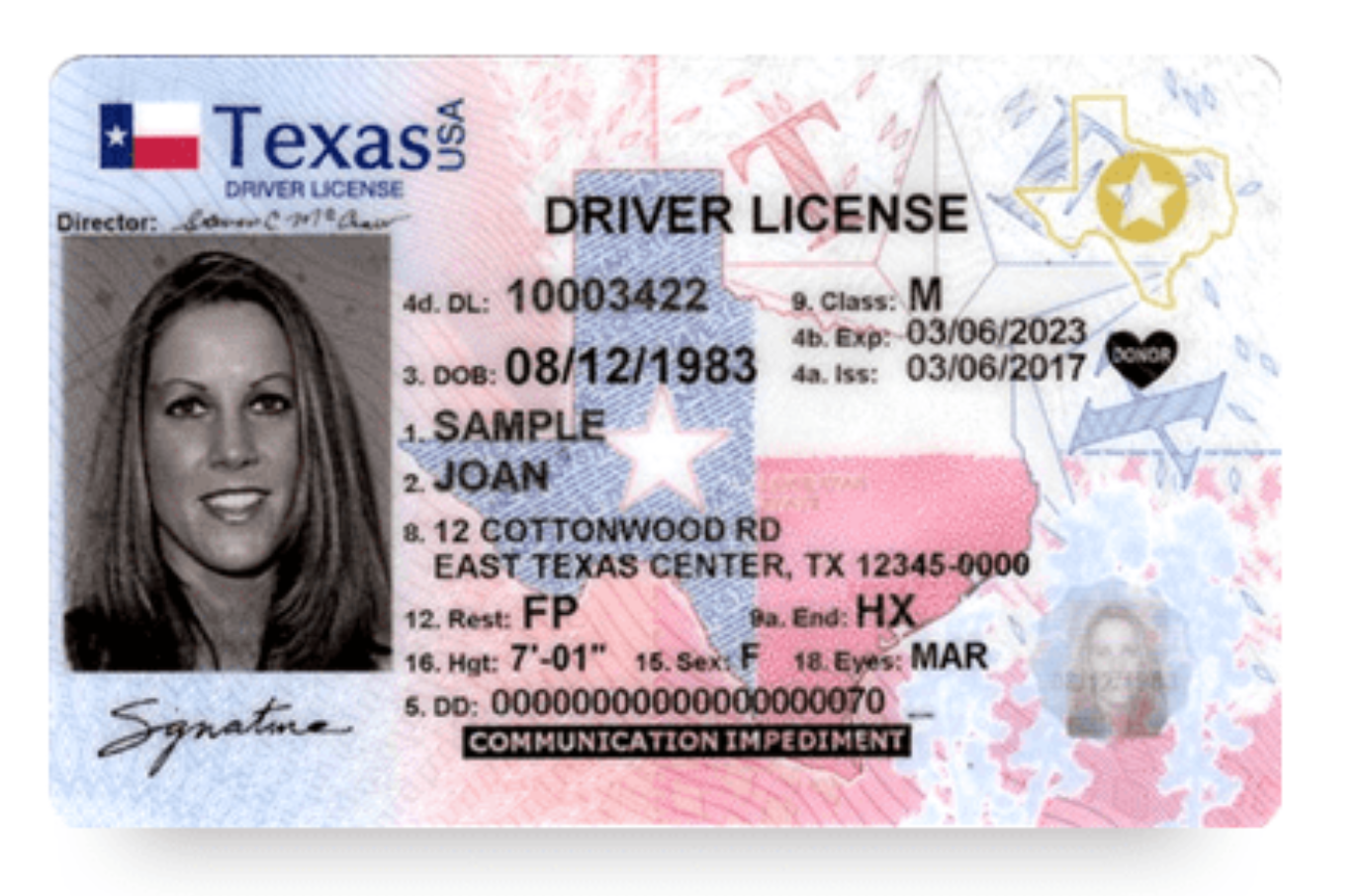
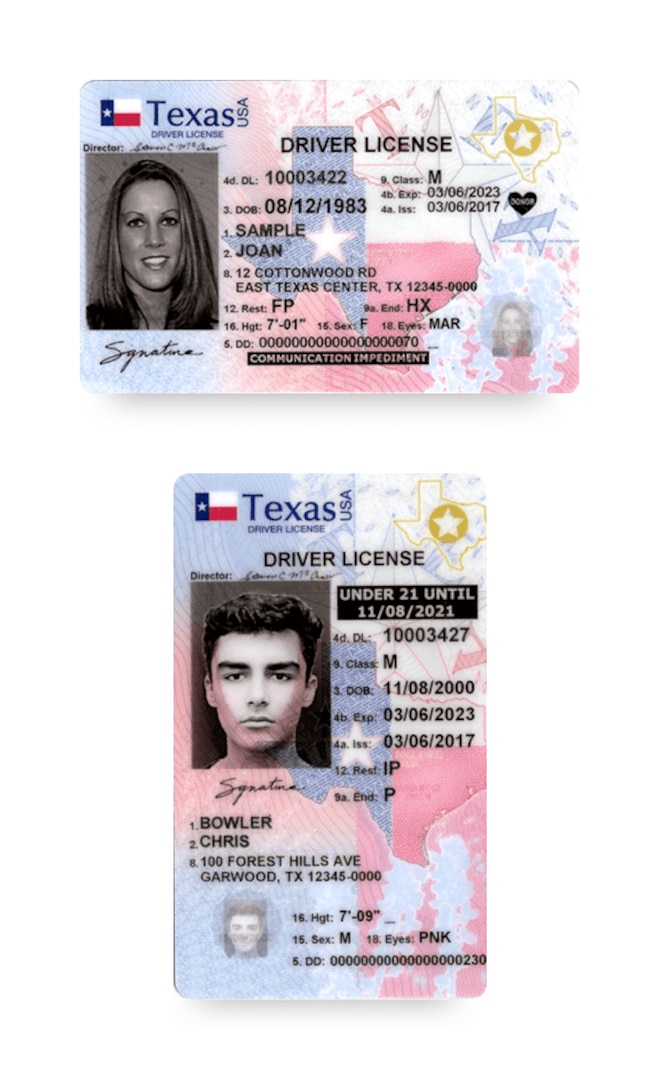
The most immediate way to identify a Texas REAL ID is through its distinct visual cues. While the fundamental layout and information on a driver’s license or ID card remain familiar, specific enhancements clearly denote its REAL ID compliance. These markings are designed to be easily recognizable by federal officials and law enforcement, streamlining the verification process.
The Star Symbol
The most prominent and universally recognized indicator of a Texas REAL ID is a gold star embedded in the upper right corner of the card. This star is not merely decorative; it’s a federal symbol signifying that the card meets all the security requirements of the REAL ID Act. When you encounter a Texas driver’s license or ID card featuring this gold star, you can be confident that it is compliant for federal purposes, including boarding commercial aircraft and entering federal facilities.
Enhanced Security Features
Beyond the gold star, Texas REAL ID compliant cards incorporate a range of advanced security features designed to prevent counterfeiting and tampering. These features are often subtle and may require closer inspection or specialized equipment to verify, but they collectively contribute to the card’s overall integrity.
- Holograms: Multiple holographic elements are incorporated into the card’s design. These can include images of the Texas State Capitol or the state seal, which are designed to shift or change appearance when viewed from different angles.
- Microprinting: Extremely small text, often too small to be easily read with the naked eye, is printed in various locations on the card. This microprinting can include the cardholder’s name or other identifying information, serving as a robust anti-counterfeiting measure.
- Special Inks: The use of specialized inks that may change color or have unique optical properties under different lighting conditions adds another layer of security.
- Raised Print: Some information, such as the cardholder’s name and date of birth, may be printed with a raised texture, providing a tactile element that is difficult to replicate on fake documents.
- Ghost Image: A secondary, fainter image of the cardholder’s photograph is often present on the card, serving as an additional visual verification point.
- UV Features: Certain elements of the card may only be visible under ultraviolet (UV) light, such as specific patterns or the outline of the star.
These layered security features work in conjunction to make the Texas REAL ID a highly secure form of identification. The combination of the visible gold star and these more discreet security measures ensures that the card is both easily identifiable as compliant and incredibly difficult to forge.
Implications for Travel and Federal Access
The most significant impact of the Texas REAL ID is its role in facilitating travel and access to federal facilities. As federal enforcement deadlines loom, having a compliant ID becomes increasingly important.
Air Travel
Starting on May 7, 2025, individuals will be required to present a REAL ID compliant driver’s license or identification card, or another acceptable form of identification (such as a U.S. Passport), to board commercial aircraft for domestic flights. This means that if your current Texas driver’s license or ID card does not have the gold star, you will eventually need to upgrade to a REAL ID compliant version to fly within the United States.
This standardization is designed to streamline the security screening process at airports. Transportation Security Administration (TSA) officers will be able to quickly verify the authenticity and compliance of these cards, leading to a more efficient and secure boarding experience. For frequent travelers, this means ensuring their Texas REAL ID is up-to-date is a priority.
Access to Federal Facilities
In addition to air travel, REAL ID compliant cards are also required for accessing certain federal facilities. This includes federal courthouses, federal prisons, and military bases. While specific entry requirements can vary, a REAL ID compliant license is generally accepted as proof of identity for gaining entry. This policy aims to enhance security at these sensitive locations by ensuring that individuals accessing them are properly identified.
Other Acceptable IDs
It’s important to note that a Texas REAL ID is not the only form of identification accepted for these purposes. Other federally approved documents, such as a U.S. Passport, a Passport Card, or a Department of Homeland Security Trusted Traveler Program card (like Global Entry or SENTRI), will also continue to be valid. However, for many Texans, their driver’s license or ID card is their primary form of identification, making the REAL ID upgrade a practical necessity for seamless travel and access.
Obtaining Your Texas REAL ID
For those residing in Texas and looking to obtain a REAL ID compliant driver’s license or identification card, the process is managed by the Texas Department of Public Safety (DPS). As mentioned earlier, this typically involves a visit to a driver license office and presenting specific documentation.
Required Documentation Checklist
To ensure a smooth application process, it is crucial to gather the necessary documents beforehand. The Texas DPS provides a comprehensive list of acceptable documents, but a general overview includes:
- Proof of Identity: This can be a U.S. birth certificate (certified copy), a U.S. passport, or other federally recognized proof of identity.
- Proof of Social Security Number: A Social Security card, W-2 form, or pay stub with your full Social Security number.
- Proof of Texas Residency: Two different documents that show your current Texas address. Examples include utility bills, rental agreements, bank statements, or voter registration cards.
- Proof of U.S. Citizenship or Lawful Presence: Documents such as a U.S. birth certificate, U.S. passport, Certificate of Citizenship, or Permanent Resident Card.
The Texas DPS website is the best resource for the most up-to-date and detailed list of acceptable documents, as requirements can sometimes be nuanced. It is also advisable to check for appointment availability at your local driver license office, as this can significantly reduce wait times.
The Application Process
Upon arrival at the driver license office with all your required documents, you will complete an application form. Your photograph will be taken, and your signature will be captured electronically. You will then pay the applicable fee for the new license or ID card. The new REAL ID compliant card will be mailed to your address within a few weeks.
In conclusion, understanding what a Texas REAL ID looks like – primarily the presence of the gold star and its associated security features – is essential for Texans planning future travel or needing access to federal facilities. By familiarizing yourself with the visual indicators and the requirements for obtaining one, you can ensure a smoother and more compliant experience in an evolving landscape of identification standards. The transition to REAL ID is a nationwide initiative, and Texas is committed to providing its residents with secure, reliable identification that meets federal mandates.
LifeOutOfTheBox is a participant in the Amazon Services LLC Associates Program, an affiliate advertising program designed to provide a means for sites to earn advertising fees by advertising and linking to Amazon.com. Amazon, the Amazon logo, AmazonSupply, and the AmazonSupply logo are trademarks of Amazon.com, Inc. or its affiliates. As an Amazon Associate we earn affiliate commissions from qualifying purchases.