
The name “Tribeca” evokes a distinct image for many: cobblestone streets, historic cast-iron architecture, celebrity sightings, and an undeniable aura of sophisticated urbanity. But beyond its modern-day reputation as one of New York City’s most exclusive and desirable neighborhoods, what does Tribeca truly stand for? It is, in essence, an acronym, a historical marker, and a living testament to urban transformation. Literally, Tribeca stands for “Triangle Below Canal Street,” a geographical descriptor that belies the rich tapestry of history, culture, and lifestyle that has come to define this iconic slice of Lower Manhattan.

This article delves deep into the essence of Tribeca, exploring its surprising origins, its remarkable evolution from an industrial powerhouse to a haven for artists and then an enclave of luxury, and what makes it such a compelling destination for travelers, foodies, and those seeking a unique New York experience. From its historic landmarks to its world-class dining and vibrant arts scene, Tribeca represents a quintessential blend of old-world charm and contemporary sophistication, offering a distinct perspective on the dynamism of one of the world’s greatest cities.
The Etymology and Historic Evolution of Tribeca
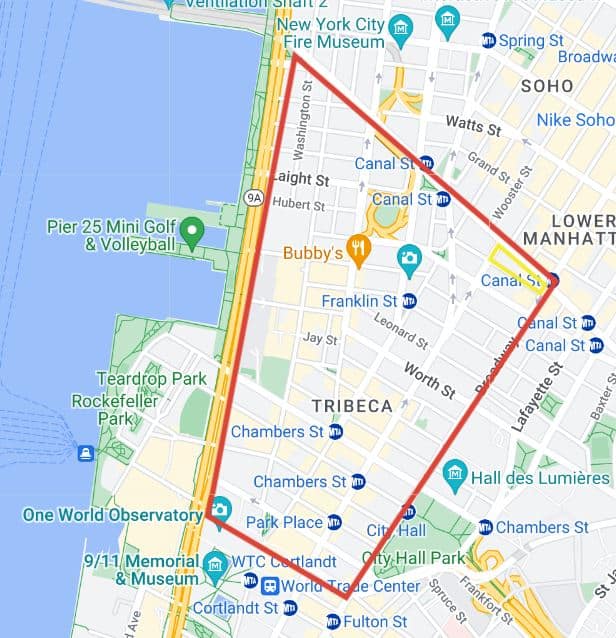
Understanding what Tribeca stands for begins with a journey into its past, a narrative of industrial might, artistic rebellion, and eventual gentrification. The name itself, coined in the 1970s, serves as a concise geographical marker, delineating the triangular area bordered roughly by Canal Street to the north, Broadway to the east, Park Row to the southeast, and the Hudson River to the west. This simple acronym, however, encapsulates centuries of dramatic change and urban reinvention.
From Industrial Hub to Artistic Enclave
Prior to the 1970s, the area now known as Tribeca was a bustling commercial and industrial district. Its strategic location near the Hudson River made it a prime spot for shipping, warehousing, and manufacturing. Grand, sturdy buildings, often constructed with cast-iron facades, rose to house dry goods merchants, textile factories, and produce markets like the sprawling Washington Market. This era, stretching from the mid-19th to mid-20th centuries, saw the neighborhood as a hub of commerce, with its streets teeming with horse-drawn carriages and later trucks, transporting goods to and from the docks. The architecture of this period, characterized by its large windows, high ceilings, and open floor plans, was built for utility and light, a design that would serendipitously pave the way for its future transformation.
As manufacturing and shipping began to decentralize and move out of Manhattan in the mid-20th century, many of these formidable industrial buildings became vacant or underutilized. The area, though centrally located, fell into a period of decline. It was during this time, in the 1960s and 1970s, that artists, drawn by the vast, inexpensive loft spaces and ample natural light, began to covertly move into the abandoned warehouses. These pioneers, much like their counterparts in nearby SoHo, transformed these industrial shells into live/work studios, breathing new life into the derelict district. This burgeoning artistic community laid the groundwork for the neighborhood’s cultural identity, fostering a bohemian spirit that would endure even as gentrification began to reshape its landscape. The informal coining of the name “Tribeca” by these early residents and urban planners was an effort to distinguish it from other industrial areas, reflecting a growing sense of community and identity.
Architectural Significance and Preserved Charm
One of the most defining characteristics of Tribeca is its extraordinary architecture. The neighborhood boasts one of the largest concentrations of 19th and early 20th-century industrial buildings in New York State, many of which are protected within several historic districts. The cast-iron buildings, with their intricate facades and large windows, stand as a testament to a bygone era of construction and industrial design. These structures, originally built for strength and light in factories and warehouses, have been meticulously preserved and repurposed, transforming into some of the city’s most coveted luxury residential lofts, art galleries, and upscale restaurants.
The preservation efforts in Tribeca have been remarkably successful, allowing the neighborhood to retain much of its historical charm. Walking its tree-lined streets, you’ll encounter charming cobblestone passages, such as those around Duane Park, which evoke a sense of stepping back in time. The scale of the buildings, often taller and grander than typical residential blocks, contributes to Tribeca’s unique aesthetic, a harmonious blend of industrial grit and refined elegance. The architectural grandeur isn’t just about preservation; it’s about adaptive reuse, where the bones of the past are ingeniously integrated into a vibrant, modern context. This commitment to maintaining its architectural heritage is a core part of what Tribeca stands for today, offering a picturesque and historically rich backdrop to its contemporary lifestyle.
Tribeca’s Allure: A Confluence of Culture, Cuisine, and Chic
Beyond its historical foundations, Tribeca has evolved into a powerhouse of cultural significance and a beacon of culinary excellence. It is a neighborhood that skillfully marries its industrial past with a vibrant, sophisticated present, drawing residents and visitors alike with its unique blend of offerings.
A Culinary Landscape Second to None
Tribeca’s reputation as a gastronomic destination is well-earned. The neighborhood is home to an impressive array of restaurants, from casual cafes and bustling bistros to some of the most lauded fine dining establishments in the United States. Its streets are dotted with eateries that consistently earn high praise from critics and diners, often featured prominently in the Michelin Guide. Famous chefs have chosen Tribeca as the location for their culinary ventures, drawn by its sophisticated clientele and distinctive atmosphere.
Diners in Tribeca can embark on a global culinary journey. There’s an emphasis on fresh, seasonal ingredients, innovative approaches to classic dishes, and an impeccable service standard. From exquisite modern American cuisine to authentic Italian, Japanese, and French fare, the options are seemingly endless. The neighborhood’s dining scene is not just about haute cuisine; it also boasts charming local spots, wine bars, and artisanal bakeries that cater to every palate and occasion. The culinary landscape is a dynamic reflection of Tribeca’s upscale yet eclectic character, making it a must-visit for any food enthusiast exploring New York City.
Artistic Expressions and Entertainment
While the artists who initially colonized Tribeca may have been priced out by its rapid gentrification, their legacy endures in the neighborhood’s vibrant cultural scene. The most prominent example is the Tribeca Film Festival, co-founded by Robert De Niro, Jane Rosenthal, and Craig Hatkoff in 2002. Conceived as a response to the September 11th attacks on the nearby World Trade Center complex, the festival aimed to revitalize the economy and spirit of Lower Manhattan. Today, it has grown into one of the world’s most prestigious film festivals, showcasing independent films, documentaries, and narrative features from around the globe, further cementing Tribeca’s place on the international cultural map.
Beyond the film festival, Tribeca maintains a robust presence of art galleries, particularly those specializing in contemporary art. These spaces, often housed in renovated industrial buildings, offer a sophisticated backdrop for viewing cutting-edge works. The neighborhood also features various performance venues, intimate theaters, and music clubs that host a diverse range of acts, from jazz ensembles to experimental performances. This rich tapestry of artistic expression ensures that Tribeca remains a creative hub, continually inspiring both residents and visitors with its dynamic cultural offerings.
Upscale Shopping and Boutique Experiences
For those with a penchant for sophisticated retail therapy, Tribeca offers a curated selection of upscale boutiques and specialty shops. Unlike the sprawling department stores of Midtown or the mainstream chains of other commercial districts, Tribeca’s shopping experience is more intimate and exclusive. Here, shoppers can discover designer fashion, high-end home goods, bespoke jewelry, and unique artisanal crafts. Many stores are independently owned, reflecting the neighborhood’s emphasis on quality, craftsmanship, and individuality.
The retail environment mirrors the overall lifestyle of Tribeca residents: discerning, appreciative of luxury, and seeking items that possess a distinctive character. You won’t find bustling crowds or aggressive sales tactics; instead, the shopping experience is often a leisurely exploration of beautifully curated spaces, providing a refined alternative to conventional retail. This focus on unique, high-quality goods further solidifies Tribeca’s standing as a destination for those who appreciate the finer things in life, contributing to its chic and exclusive atmosphere.
Lifestyle and Accommodation in Tribeca
The lifestyle in Tribeca is synonymous with luxury, privacy, and a strong sense of community, appealing to a diverse demographic that includes celebrities, business leaders, and families. This unique blend contributes significantly to what Tribeca stands for – a peaceful, upscale urban oasis.
The Tribeca Lifestyle: Luxury, Exclusivity, and Community
Life in Tribeca offers a distinctive urban experience that balances the vibrancy of New York City with a surprising sense of tranquility. Despite its proximity to the bustling Financial District and the lively neighborhoods of Greenwich Village and SoHo, Tribeca maintains a relatively quiet and residential atmosphere. The wide, often tree-lined streets, historic architecture, and abundance of green spaces like Washington Market Park and the sprawling Hudson River Park provide residents with ample opportunities for recreation and relaxation.
The neighborhood is known for its privacy, attracting a significant number of high-profile residents who value its discretion and spacious lofts. Yet, despite its exclusivity, Tribeca fosters a strong sense of community. Local businesses, community events, and excellent schools contribute to a family-friendly environment, making it a desirable location for those seeking an upscale urban existence with a neighborhood feel. The lifestyle is characterized by a high standard of living, access to top-tier amenities, and a deep appreciation for culture and fine dining, making it one of New York’s most aspirational addresses.
Where to Stay: Premier Hotels and Unique Stays
For visitors seeking to immerse themselves in the Tribeca experience, the neighborhood offers a selection of premier accommodations that reflect its luxury ethos. These hotels are often characterized by their sophisticated design, impeccable service, and intimate atmosphere, providing a stark contrast to the larger, more bustling hotels found elsewhere in Manhattan.
One of the most iconic examples is The Greenwich Hotel, co-owned by Robert De Niro. This ultra-luxury establishment epitomizes Tribeca’s blend of understated elegance and exclusive charm. It offers individually designed rooms, a tranquil Shibui Spa, and a serene inner courtyard, providing a secluded haven amidst the city buzz. Another notable option is The Frederick Hotel, a stylish boutique hotel known for its vibrant art collection and comfortable, modern accommodations, offering a taste of Tribeca’s creative spirit. For those seeking the pinnacle of luxury with panoramic views, the Four Seasons Hotel New York Downtown provides opulent suites and world-class amenities, perfectly situated for exploring both Tribeca and the nearby Wall Street area.
Beyond these well-known hotels, Tribeca also features a selection of chic boutique guesthouses and luxury serviced apartments, offering options for longer stays or those desiring a more residential feel. These accommodations often blend seamlessly into the neighborhood’s historic architecture, providing guests with a truly authentic Tribeca experience. Whether seeking lavish indulgence or sophisticated comfort, Tribeca’s hotels are an integral part of its luxurious appeal, offering a glimpse into the neighborhood’s exclusive lifestyle.
Planning Your Trip to Tribeca: Tips for Travelers
For travelers contemplating a visit to this distinguished neighborhood, understanding the practicalities and knowing what to prioritize can significantly enhance the experience. Tribeca, while compact, is rich in experiences waiting to be discovered.
Navigating Tribeca: Transportation and Accessibility
Tribeca’s location in Lower Manhattan makes it highly accessible by various modes of public transportation. Several subway lines serve the neighborhood, including the 1, 2, 3, A, C, E, R, W, and J, Z trains, with numerous stations scattered throughout the area. This excellent subway access makes it easy to reach Tribeca from virtually anywhere in Manhattan, Brooklyn, or Queens. Buses also run along major thoroughfares, providing additional transit options.
For those who enjoy exploring on foot, Tribeca is an incredibly walkable neighborhood. Its relatively flat terrain, picturesque streets, and compact size make it ideal for leisurely strolls, allowing visitors to appreciate its architecture, discover hidden gems, and soak in the atmosphere. Cycling is also a popular option, with dedicated bike lanes along the West Side Highway and throughout Hudson River Park, offering scenic rides along the waterfront. Taxis and ride-sharing services are readily available, though traffic can be dense, particularly during peak hours. Overall, getting to and around Tribeca is straightforward, allowing visitors to easily integrate it into their New York City itinerary.
Must-See Landmarks and Hidden Gems
While Tribeca might not boast grand, world-famous landmarks like the Empire State Building or the Brooklyn Bridge, its charm lies in its architectural character, public spaces, and the general ambiance. Must-see attractions include:
- Hudson River Park: Stretching along the entire western edge of Tribeca, this expansive park offers stunning waterfront views, piers for recreation, walking and biking paths, and various public art installations. It’s perfect for a relaxing afternoon stroll or an active morning run.
- Duane Park: One of New York City’s smallest parks, Duane Park is a triangular oasis surrounded by historic buildings, embodying the neighborhood’s quaint charm. It’s a lovely spot to sit and observe local life.
- Washington Market Park: A beloved local green space, particularly popular with families, featuring playgrounds, community gardens, and open areas for relaxation.
- The Tribeca Film Festival: If visiting in June, experiencing a screening or an event related to this internationally renowned festival is a definite highlight.
- Cast-Iron Architecture: Simply wandering the streets, particularly around White Street, Franklin Street, and Laight Street, to admire the distinctive cast-iron buildings and cobblestone roads is an attraction in itself, offering a glimpse into 19th-century industrial grandeur.
- Art Galleries: Explore the various contemporary art galleries tucked away on streets like White Street and Franklin Street for a dose of local culture.
Tribeca’s true appeal often lies in its subtle details and the overall ambiance, rather than singular monumental structures. It’s a neighborhood best experienced by simply being present and observant.

Best Times to Visit and Local Experiences
The best time to visit Tribeca largely depends on personal preference, though spring (April-May) and fall (September-October) generally offer the most pleasant weather for exploring on foot. These seasons avoid the intense heat and humidity of summer and the biting cold of winter, making outdoor activities and leisurely strolls much more enjoyable.
A unique local experience is to attend the Tribeca Film Festival in June, which transforms the neighborhood into a bustling hub for cinema enthusiasts and industry professionals. Beyond that, consider dining at one of its renowned restaurants, perhaps for a special occasion or a memorable culinary adventure. Explore the boutique shops, pick up unique gifts or fashion items, and spend time simply soaking in the refined atmosphere.
For those interested in history, look for plaques and markers that detail the neighborhood’s past, particularly its role as a market district and its artistic transformation. Engage with the local community by visiting farmers’ markets if available or simply enjoying a coffee at a neighborhood cafe. Tribeca offers a luxury lifestyle that can be experienced by anyone, making it a compelling destination for a distinct New York City adventure. What Tribeca stands for, then, is not just a place on a map, but a rich narrative of evolution, culture, and sophisticated urban living that continues to captivate and inspire.
LifeOutOfTheBox is a participant in the Amazon Services LLC Associates Program, an affiliate advertising program designed to provide a means for sites to earn advertising fees by advertising and linking to Amazon.com. Amazon, the Amazon logo, AmazonSupply, and the AmazonSupply logo are trademarks of Amazon.com, Inc. or its affiliates. As an Amazon Associate we earn affiliate commissions from qualifying purchases.