
Oregon, often celebrated for its breathtaking natural beauty, vibrant cities, and distinctive cultural scene, stands out as a pioneer in progressive drug policy in the United States. For travelers planning a visit, understanding the state’s unique legal landscape surrounding certain substances is crucial for a smooth, enjoyable, and lawful experience. While the term “legal drugs” might conjure up various images, Oregon’s approach is nuanced, focusing on regulated access for adults and, in some cases, supervised therapeutic use. This guide aims to clarify what substances are legally permissible for visitors, how to access them responsibly, and what to keep in mind to ensure your trip aligns with Oregon’s regulations and values. From the bustling streets of Portland to the serene landscapes of the Oregon Coast and the majestic Crater Lake National Park, knowing the rules will enhance your travel lifestyle in the Beaver State.
Cannabis in the Beaver State: A Traveler’s Guide
Since 2014, Oregon has been at the forefront of cannabis reform, making recreational marijuana legal for adults aged 21 and over. This move has shaped a unique aspect of the state’s tourism and lifestyle offerings, inviting visitors to understand and engage with its regulated cannabis market responsibly. For many, exploring the local dispensaries and understanding the consumption etiquette has become as much a part of their Oregon experience as visiting the Columbia River Gorge or sampling craft beers in Bend.
Recreational Cannabis: What Visitors Need to Know
For those traveling to Oregon and interested in legally purchasing and using cannabis, the regulations are straightforward but require careful attention. The legal age for purchasing and possessing recreational cannabis is 21 years old, matching the legal drinking age. Visitors from other states or countries are welcome to purchase cannabis, provided they present a valid government-issued ID proving their age.
Where to Buy: The only legal way to acquire recreational cannabis is through licensed dispensaries. These establishments are widespread across the state, particularly in major cities like Portland, Bend, Eugene, and Ashland. Dispensaries are easily identifiable by their often discrete but professional storefronts, and staff are typically well-informed and able to guide customers through product selections, including various strains of flower, edibles, concentrates, and topical applications. While some dispensaries cater to a more utilitarian customer base, many offer an experience akin to visiting a boutique, emphasizing quality, local sourcing, and knowledgeable service.

Possession Limits: Oregon law dictates specific limits on the amount of cannabis an individual can possess at any given time. Generally, adults 21 and older can possess up to two ounces of dried marijuana flower, 16 ounces of marijuana edibles in solid form, 72 ounces of marijuana edibles in liquid form, one ounce of marijuana concentrates, and up to four immature marijuana plants. These limits are per person, so travelers should be mindful not to exceed them, especially if purchasing for multiple individuals or over several days.
Where to Consume: This is perhaps the most crucial regulation for travelers. While legal to purchase, public consumption of cannabis is strictly prohibited in Oregon. This means you cannot smoke, vape, or consume edibles in public spaces, including streets, parks, sidewalks, restaurants, bars, and most outdoor areas. This rule extends to Oregon State Parks and all federal lands, such as national forests and national parks, where federal law (which still deems cannabis illegal) takes precedence.
For tourists, consumption options are primarily limited to private residences where the owner has granted permission. Finding cannabis-friendly hotels or accommodations can be challenging, as many hotel chains prohibit smoking of any kind, including cannabis, on their premises. Some boutique hotels or vacation rentals (e.g., via platforms like Airbnb) might explicitly state they are 420-friendly, but it’s essential to confirm policies directly before booking. If you’re staying with friends or family, ensure you have their explicit consent before consuming cannabis on their property.
Driving Under the Influence: Just like alcohol, driving under the influence of cannabis is illegal and carries severe penalties. Oregon law enforcement is trained to detect impairment, and violations can lead to hefty fines, license suspension, and even jail time. It is always safest to designate a sober driver or use ride-sharing services if you plan to consume cannabis.
Interstate and International Travel: A vital point for any traveler is the federal illegality of cannabis. Despite its legal status in Oregon, cannabis remains illegal under federal law. This means it is absolutely prohibited to transport cannabis across state lines, even to another state where it is legal. Flying with cannabis, even within Oregon, is also generally not advised, as airports operate under federal jurisdiction. For international visitors, attempting to bring cannabis into or out of the United States can lead to serious legal consequences, including denial of future entry.
Medical Cannabis: Distinctions for Oregon Residents
Oregon also has a robust medical marijuana program, known as the OMMP (Oregon Medical Marijuana Program). While this program allows qualifying patients to possess larger quantities and cultivate their own plants, it is primarily designed for Oregon residents with specific medical conditions and a physician’s recommendation. For most short-term tourists, the recreational market provides sufficient access, and navigating the complexities of the medical program is generally unnecessary and impractical. Visitors with medical cards from other states may find some dispensaries offer slight discounts, but they are still subject to Oregon’s recreational purchase and possession limits unless they apply for a temporary OMMP card, a process usually too involved for casual travel.
Psilocybin Services: A New Frontier in Oregon
In a groundbreaking move, Oregon became the first state in the United States to legalize psilocybin for supervised therapeutic use through Measure 109, passed in 2020. This initiative established a framework for regulated access to psilocybin services, offering a profoundly different experience than the recreational cannabis market. It’s crucial for travelers to understand that this is not a move towards recreational psilocybin sales or public consumption but rather a carefully regulated health-oriented model.
Understanding Measure 109 and Supervised Services
Measure 109 created a program allowing adults 21 and older to access psilocybin products at licensed service centers under the supervision of trained and licensed facilitators. The focus is on providing a safe, controlled environment for individuals seeking potential mental health benefits, personal growth, or spiritual experiences, rather than casual recreational use.
The Process: Unlike purchasing cannabis, accessing psilocybin services is not a walk-in affair. It typically involves a multi-step process:
- Preparation Session: Clients meet with a licensed facilitator for an intake and preparation session to discuss intentions, set expectations, and address any concerns. This ensures readiness and safety.
- Administration Session: The psilocybin is consumed at a licensed service center under the continuous supervision of the facilitator. These centers are designed to be safe, comfortable, and conducive to the psilocybin experience, often located in quiet, natural settings.
- Integration Session: Following the administration, a crucial integration session helps individuals process their experience and incorporate insights into their daily lives.
Availability and Access for Tourists: While the program is designed for all adults 21 and over, including non-residents, the current availability of licensed service centers is still developing. Initial centers are emerging in regions like Eugene and Portland. Travelers interested in these services should plan well in advance, as the process is not immediate and requires commitment. It is not an “on-demand” tourism offering, but rather a structured therapeutic journey. Information on licensed facilitators and service centers can be found through the Oregon Health Authority or dedicated directories as the program expands.
Distinguishing from Recreational Use and Safety Considerations
It is absolutely vital to understand that Measure 109 does not legalize the recreational purchase, possession, or consumption of psilocybin outside of these supervised settings. Obtaining psilocybin illegally, whether through illicit markets or foraging for wild mushrooms, remains unlawful and carries significant risks, including misidentification of toxic fungi and unpredictable dosages.
For travelers, it means:
- No Recreational Purchase: There are no “psilocybin dispensaries” similar to cannabis shops.
- No Public Consumption: Consuming psilocybin in public or private residences without a licensed facilitator is illegal and unsafe.
- Focus on Wellness: The program is geared towards a structured, intention-driven experience under professional guidance, emphasizing mental wellness and safety, rather than recreational indulgence.
The introduction of psilocybin services in Oregon represents a pioneering approach to mental health and personal exploration. For curious travelers, it offers a glimpse into a future where certain psychedelics are re-integrated into society with careful regulation and a focus on well-being, but it requires a serious and informed approach.
Beyond Cannabis and Psilocybin: Other Legal & Regulated Substances
While cannabis and psilocybin often capture headlines, it’s important to remember the legal status of other common substances for a comprehensive understanding of Oregon’s legal landscape for travelers.
Alcohol and Tobacco
The laws regarding alcohol and tobacco in Oregon largely mirror those found across the United States:
- Alcohol: The legal drinking age is 21 years old. Alcohol can be purchased at grocery stores, convenience stores, and liquor stores, and consumed in licensed establishments like bars, restaurants, and tasting rooms in the Willamette Valley‘s numerous wineries. Open container laws are strictly enforced, meaning it is illegal to consume alcohol in public spaces, including streets, parks, and beaches, unless specifically permitted by local ordinance (e.g., at certain festivals or designated outdoor areas). Driving under the influence of alcohol is a serious offense.
- Tobacco and Vaping Products: The legal age to purchase and use tobacco products, including cigarettes, cigars, and vaping devices, is also 21 years old. Smoking is prohibited in most indoor public places, including restaurants, bars, and workplaces, as well as within a certain distance of building entrances. Many hotels are entirely smoke-free. Visitors should be mindful of these restrictions to avoid fines and ensure a respectful experience for others.
Responsible consumption of alcohol and tobacco is always advised, particularly when exploring Oregon’s natural wonders like Mount Hood or kayaking on the Deschutes River.
Illicit Substances: A Reminder
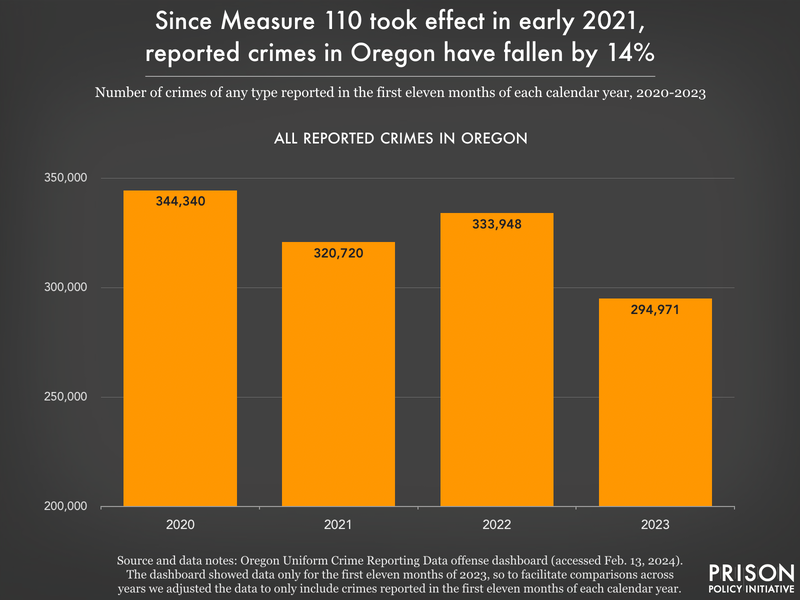
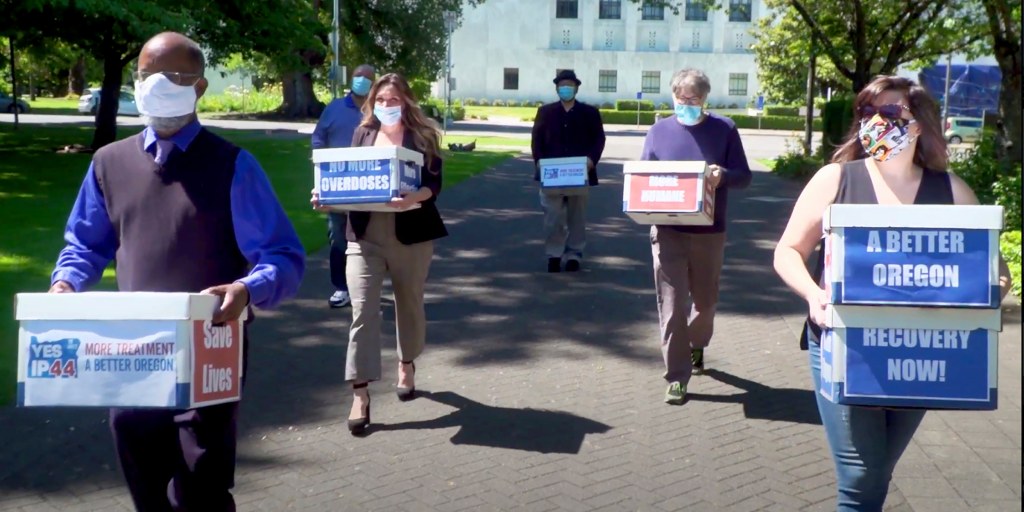
Despite its progressive stance on cannabis and psilocybin, Oregon has not legalized all drugs. In 2020, Oregon voters also passed Measure 110, which decriminalized the possession of small amounts of all drugs, including substances like heroin, cocaine, and methamphetamine. This means that instead of facing criminal charges for small possession, individuals receive a citation and a fine, with the option to attend a health assessment and treatment program.
However, it is crucial for travelers to understand that decriminalization is not legalization. These substances remain unlawful to possess, use, manufacture, or distribute in any quantity. Trafficking and manufacturing remain serious felonies. The intent of Measure 110 is to shift the focus from incarceration to public health and addiction treatment, not to encourage or condone drug use. For travelers, this means avoiding involvement with illicit substances entirely is the safest and only lawful approach. Engaging with illegal drug markets can lead to dangerous situations and legal repercussions that could severely impact your travel plans and future entry into the United States.
Responsible Travel and Oregon’s Unique Lifestyle
Oregon’s progressive drug policies are part of a broader lifestyle that values personal freedom alongside community responsibility and environmental stewardship. For travelers, embracing this ethos means understanding and respecting local laws while immersing oneself in the state’s diverse attractions, from the historical charm of Astoria to the vibrant academic hub of Corvallis and the state capital, Salem.
Navigating Local Culture and Regulations
As a visitor, your journey through Oregon offers countless opportunities for memorable experiences. Whether you’re exploring the quirky shops of Portland’s Pearl District, hiking through the scenic Cascades, or enjoying the culinary delights of Oregon’s farm-to-table restaurants, being mindful of local regulations is key.
When it comes to cannabis, remember the mantra: “Buy legal, consume private.” This simple rule helps ensure you enjoy your experience without infringing on public spaces or disturbing others. For those interested in psilocybin services, approach it with a mindset of preparation and respect for the therapeutic process rather than seeking a casual high.
The broader implications for accommodation and tourism are evolving. While dedicated cannabis-friendly hotels are still a niche, many establishments are becoming more explicit about their policies. Always inquire about specific rules regarding cannabis use before booking to avoid surprises. Similarly, tourism boards and local guides are increasingly providing information on responsible consumption, recognizing it as an integral part of some visitors’ lifestyle choices.
Ultimately, Oregon’s progressive laws reflect a commitment to individual liberty, public health, and informed choices. For the responsible traveler, these policies open doors to unique experiences, but they also underscore the importance of understanding and adhering to the legal framework. By doing so, you contribute to the harmonious environment that makes Oregon such a remarkable destination for all types of adventures, ensuring your visit is not only enjoyable but also respectful of the state’s pioneering spirit and its people.
LifeOutOfTheBox is a participant in the Amazon Services LLC Associates Program, an affiliate advertising program designed to provide a means for sites to earn advertising fees by advertising and linking to Amazon.com. Amazon, the Amazon logo, AmazonSupply, and the AmazonSupply logo are trademarks of Amazon.com, Inc. or its affiliates. As an Amazon Associate we earn affiliate commissions from qualifying purchases.