
Understanding the legal landscape of substances is crucial for any traveler, especially when navigating the diverse and sometimes complex regulations within the United States. Texas, with its unique cultural fabric and evolving legal perspectives, presents a specific set of guidelines regarding what is and is not permitted. This article aims to clarify the current legal status of various substances within the Lone Star State, focusing on their implications for visitors and residents alike. The information presented here is intended for informational purposes only and does not constitute legal advice. It is always advisable to consult with a legal professional for specific guidance.
Understanding Texas Drug Laws
Texas maintains some of the strictest drug laws in the nation. The state’s penal code categorizes controlled substances based on their potential for abuse and accepted medical use, assigning them to different penalty groups. This classification directly impacts the severity of penalties for possession, manufacturing, and distribution.
Controlled Substances Act and Penalty Groups
Texas has its own Controlled Substances Act, which largely mirrors the federal Controlled Substances Act but includes specific state-level classifications and penalties. These are organized into five penalty groups:
- Penalty Group 1: This group includes substances with a high potential for abuse and little to no accepted medical use. Examples include heroin, cocaine, methamphetamine, and LSD. Possession of even small amounts can lead to severe felony charges.
- Penalty Group 1-A: This group specifically covers hallucinogens like LSD and its analogues.
- Penalty Group 2: This group includes substances with a high potential for abuse and some accepted medical uses, though often with severe restrictions. Examples include MDMA (ecstasy), mescaline, and psilocybin (magic mushrooms).
- Penalty Group 3: This group contains substances with a moderate to low potential for abuse and accepted medical uses. This category often includes prescription drugs like benzodiazepines (e.g., Xanax, Valium) and stimulants (e.g., Adderall, Ritalin) when possessed without a valid prescription.
- Penalty Group 4: This group includes substances with a low potential for abuse and accepted medical uses, such as preparations containing certain narcotics for use as antitussives or antidiarrheals.
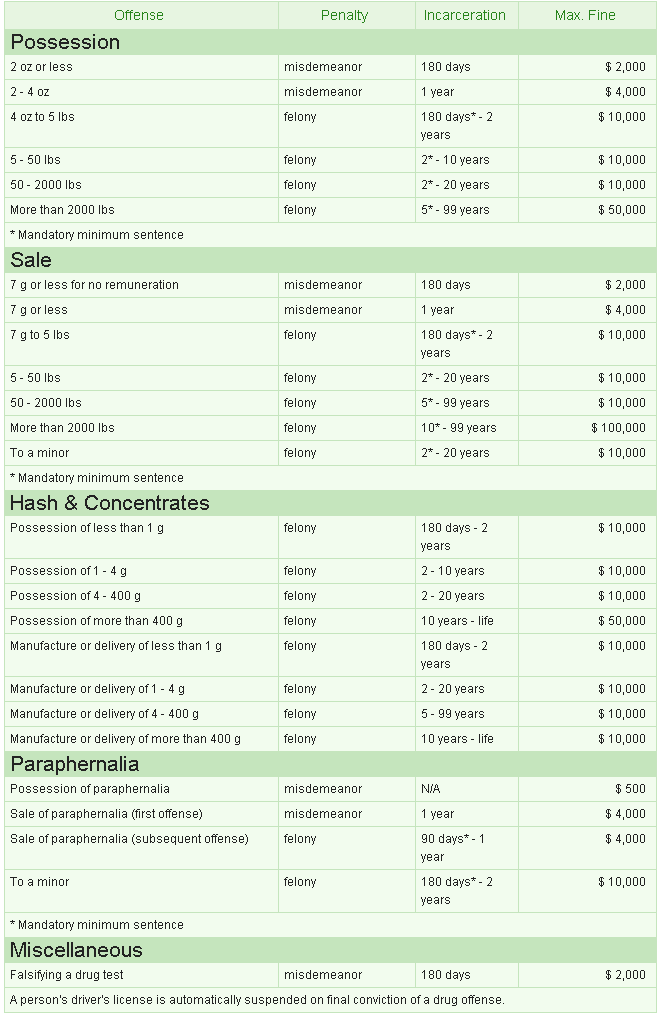
The weight of the substance is a critical factor in determining the charge and potential sentence. For instance, possession of a certain quantity of a Penalty Group 1 substance could result in a first-degree felony, carrying decades of imprisonment and substantial fines.
The Role of Prescription Medications
Prescription drugs are a significant area of concern within Texas drug laws. While legal when prescribed by a licensed physician and dispensed by a pharmacist for legitimate medical purposes, possession of these medications without a valid prescription is illegal. This includes a wide range of pharmaceuticals, from powerful opioid painkillers to common anxiety medications. The intent behind possessing these drugs is often a key element in prosecution, and charges can range from misdemeanors to felonies depending on the drug and quantity. For travelers, ensuring that any prescribed medications are in their original containers with clear labeling and accompanied by a copy of the prescription is essential to avoid misunderstandings.
Legal Substances and Their Nuances
Beyond controlled substances, understanding what is unequivocally legal in Texas is also important. This primarily includes substances that have widespread societal acceptance and are regulated through separate frameworks, such as alcohol and tobacco.
Alcohol
Alcoholic beverages are legal for consumption by individuals aged 21 and older in Texas. The state has specific regulations regarding the sale, possession, and consumption of alcohol, including:
- Purchasing: Alcohol can be purchased from licensed retailers, such as liquor stores, grocery stores, and convenience stores, during designated hours.
- Consumption: Public intoxication is illegal and can result in arrest. Open container laws vary by locality, but generally, it is illegal to have an open container of alcohol in the passenger area of a vehicle.
- Driving Under the Influence (DUI): Driving under the influence of alcohol is a serious offense with severe penalties, including license suspension, fines, and jail time. The legal blood alcohol content (BAC) limit is 0.08%.
It is crucial for visitors and residents to be aware of these regulations to enjoy alcoholic beverages responsibly and legally. This includes understanding local ordinances that may impose stricter rules on public consumption or operating hours.
Tobacco and Nicotine Products
The legal age to purchase and possess tobacco products, including cigarettes, cigars, and chewing tobacco, as well as e-cigarettes and vaping products, is 21 in Texas, in line with federal law.
- Sales: Licensed retailers are permitted to sell these products to individuals who meet the age requirement.
- Public Smoking Bans: Many Texas cities and counties have implemented public smoking bans in indoor public places, workplaces, and certain outdoor areas. Travelers should be mindful of these restrictions to avoid fines.
- Vaping Regulations: The regulation of vaping products is a rapidly evolving area. While legal for those over 21, possession of paraphernalia and the use of these devices in prohibited areas can lead to legal consequences.
The distinction between legal use and illegal possession or distribution is paramount, especially concerning age restrictions and public use policies.
Emerging Legal Discussions: Cannabis and CBD
The legal status of cannabis and its derivatives, particularly cannabidiol (CBD), is a topic of ongoing discussion and has seen significant shifts in recent years.
Medical Marijuana
Texas has a limited medical marijuana program, known as Texas Compassionate Use Program (TCUP). This program allows qualifying patients with specific medical conditions to obtain low-THC cannabis.
- Qualifying Conditions: Initially, the program covered only epilepsy and seizure disorders. Over time, it has expanded to include conditions such as multiple sclerosis, spasticity, amyotrophic lateral sclerosis (ALS), autism, incurable neurological diseases, and terminal cancer.
- Low-THC Definition: In Texas, “low-THC cannabis” is defined as cannabis that contains no more than 0.5% by weight of tetrahydrocannabinol (THC), excluding the weight of the seeds. This means that recreational cannabis remains illegal in Texas.
- Prescription and Dispensing: Patients must be certified by a physician registered with the state’s Compassionate Use Registry of Texas (CURT). The low-THC cannabis can then be dispensed by licensed dispensing organizations.
For travelers who may have access to medical marijuana in their home states, it is crucial to understand that Texas’s medical program is restrictive and does not permit out-of-state medical marijuana cards.
CBD Products
The legality of CBD products in Texas is largely tied to the federal Farm Bill of 2018, which legalized hemp at the federal level. Hemp is defined as cannabis with a THC content of not more than 0.3% by dry weight.
- Hemp-Derived CBD: Products derived from hemp containing less than 0.3% THC are generally legal in Texas. This includes a wide array of products such as oils, tinctures, edibles, and topicals.
- THC Content is Key: The critical factor determining legality is the THC content. If a CBD product contains more than 0.3% THC, it is considered marijuana under Texas law and is illegal.
- Regulation and Testing: While legal, the CBD market is not as heavily regulated as pharmaceutical drugs. Consumers are advised to purchase products from reputable sources that provide third-party lab testing to verify THC content and purity.
- Delta-8 THC: A particularly complex area involves Delta-8 THC, a psychoactive compound derived from hemp. While technically legal if derived from hemp with less than 0.3% Delta-9 THC, its legal status has been challenged and is subject to ongoing regulatory scrutiny. Some interpretations and potential future legislation could impact its availability.
Navigating the world of CBD requires careful attention to the source of the product and its specific cannabinoid profile to ensure compliance with Texas law.
Traveling to and Through Texas: What Visitors Need to Know
For individuals planning a trip to or passing through Texas, understanding these legal distinctions is paramount to avoid unintended legal trouble.
Road Travel and Interstates
Texas is a major hub for interstate travel, with numerous highways connecting it to other states. It is essential to remember that federal drug laws apply on interstates, and drug enforcement agencies often have a strong presence.
- Vehicle Searches: Law enforcement officers in Texas have broad authority to conduct searches if they have probable cause. This can include using drug-sniffing dogs, which are trained to detect even trace amounts of illegal substances.
- Interstate Commerce: Transporting illegal substances across state lines, even if legal in the originating or destination state, is a federal offense and carries severe penalties.
- Prescription Medications: As mentioned, carrying prescription medications in their original containers with proper labeling is highly recommended for all travelers.
Air Travel
Airports and air travel are subject to both federal and state laws regarding controlled substances.
- TSA Regulations: The Transportation Security Administration (TSA) screens passengers and their belongings for prohibited items. While the TSA’s primary focus is on security, they will refer any discovered illegal drugs or paraphernalia to local law enforcement.
- State Laws Apply: Once you land in Texas, you are subject to Texas state laws concerning drug possession, even if the substance was legal where you departed.
- Medical Marijuana and Air Travel: It is important to note that traveling with marijuana, even if you have a medical marijuana card from another state, is illegal. The U.S. is a federal country, and marijuana remains illegal at the federal level.
Local Ordinances and Enforcement
Beyond state and federal laws, individual cities and counties within Texas may have their own specific ordinances related to public consumption of alcohol, smoking in public places, and other drug-related matters. Enforcement can vary, and it is always best to err on the side of caution and familiarize yourself with local regulations when visiting different communities across the state, from the bustling streets of Houston to the historic charm of San Antonio or the vibrant culture of Austin.
Seeking Further Information
For the most up-to-date and precise legal information, consulting official sources such as the Texas Department of Public Safety or seeking advice from a qualified legal professional in Texas is always the recommended course of action. Laws are subject to change, and staying informed is key to responsible behavior and avoiding legal entanglements.
LifeOutOfTheBox is a participant in the Amazon Services LLC Associates Program, an affiliate advertising program designed to provide a means for sites to earn advertising fees by advertising and linking to Amazon.com. Amazon, the Amazon logo, AmazonSupply, and the AmazonSupply logo are trademarks of Amazon.com, Inc. or its affiliates. As an Amazon Associate we earn affiliate commissions from qualifying purchases.