
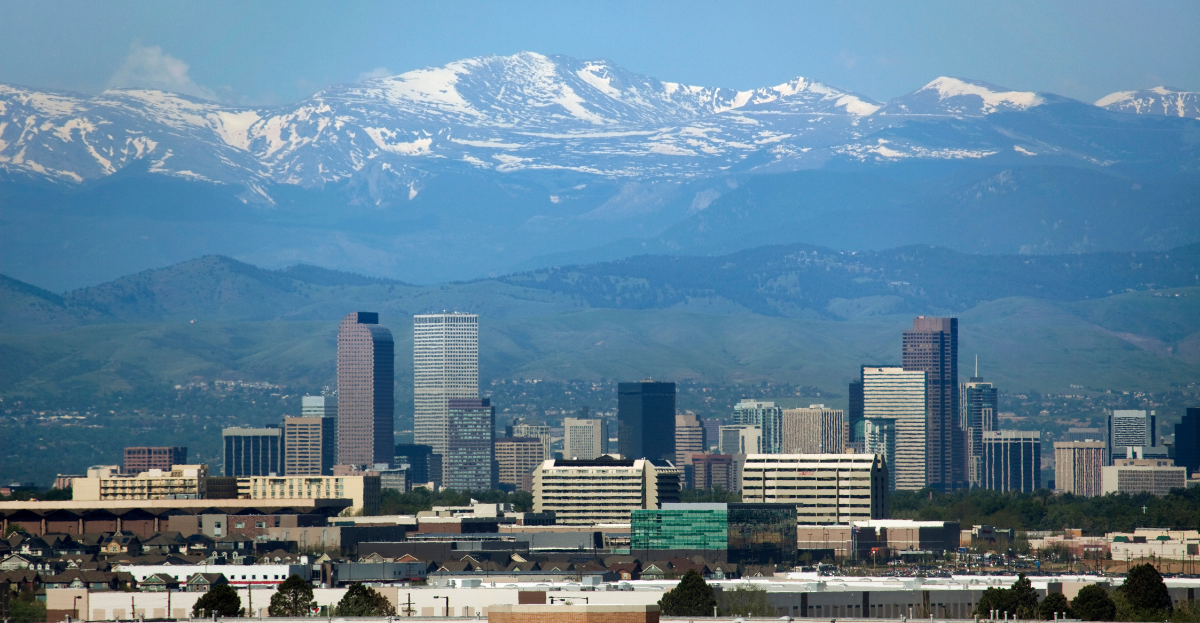
Denver, Colorado, famously known as the “Mile High City,” owes much of its unique character, recreational opportunities, and even its climate to its remarkable elevation. Situated at the eastern edge of the Rocky Mountains, the city’s average elevation of 5,280 feet above sea level is not just a statistical fact; it’s a defining characteristic that influences everything from the thinness of the air to the vibrant outdoor lifestyle enjoyed by its residents and visitors. Understanding Denver’s elevation is key to appreciating its place in the American West and planning any adventure within its bounds.
The Mile High City: A Defining Characteristic
The moniker “Mile High City” is a direct nod to Denver’s official elevation. This precise measurement is marked by a series of steps on the 13th step of the west side of the Colorado State Capitol building. This spot has become a popular tourist destination, offering a tangible connection to the city’s celebrated altitude. However, it’s important to note that not all of Denver rests exactly at 5,280 feet. The city’s topography varies, with some areas dipping slightly below and others rising a bit higher. Nonetheless, 5,280 feet is the accepted, average elevation that underpins the city’s identity.
Implications of Altitude on Daily Life
Living at a mile high presents a series of subtle yet significant differences compared to sea-level cities. The most immediate impact is on the air pressure. With lower atmospheric pressure at higher altitudes, there is less oxygen available per breath. For newcomers, this can manifest as shortness of breath, fatigue, or mild headaches, often referred to as altitude sickness. While generally not severe for most, it underscores the physical reality of Denver’s elevation.
- Hydration is Key: Due to the lower humidity and increased respiration rate at altitude, the body loses fluids more quickly. Staying well-hydrated is crucial for acclimatization and general well-being. This means drinking more water than you might typically consume at lower elevations.
- Pacing Yourself: Whether you’re embarking on a strenuous hike in the nearby Rocky Mountains National Park or simply exploring the city on foot, it’s wise to pace yourself, especially during the first day or two. Listen to your body and take breaks as needed.
- Alcohol and Caffeine: The effects of alcohol and caffeine can be amplified at higher elevations. It is advisable to consume them in moderation, particularly when first arriving in Denver.
A Natural Advantage for Outdoor Pursuits
Denver’s elevation is also a gateway to an unparalleled outdoor recreation experience. The city is the primary urban hub before ascending into the vast expanse of the Rocky Mountains. This proximity means that world-class skiing, snowboarding, hiking, climbing, and camping are easily accessible.
- Ski Resorts Galore: Within a few hours’ drive from Denver, visitors can reach some of the most renowned ski resorts in North America, including Aspen, Vail, Breckenridge, and Winter Park. The snow quality and the challenging terrain offered by these mountain communities are a major draw for winter sports enthusiasts.
- Hiking and Biking Trails: Beyond the high-alpine adventures, Denver itself boasts an extensive network of parks and trails. The South Platte River Trail offers a paved path through the city, perfect for cycling and jogging, while Red Rocks Park and Amphitheatre provides stunning natural beauty and hiking opportunities just outside the city limits.
- Mountain Climbing and Mountaineering: For the more adventurous, the peaks surrounding Denver offer challenges ranging from day hikes to multi-day expeditions. The accessibility of these climbing routes is a significant draw for the mountaineering community.
Denver’s Climate and Elevation
The relationship between Denver’s elevation and its climate is complex and fascinating. While higher elevations are typically associated with colder temperatures, Denver’s location on the high plains, just east of the Rockies, creates a unique microclimate.
Sunshine and Aridity
Denver is one of the sunniest cities in the United States, receiving an average of over 300 days of sunshine annually. This is partly due to its inland location and the rain shadow effect created by the Rocky Mountains. The mountains often block moisture-laden air masses, leading to a drier climate in Denver. The aridity contributes to the high number of sunny days and also plays a role in the lower perceived temperatures, as dry air heats up and cools down more quickly than humid air.
Temperature Variations
Despite the sunshine, Denver does experience distinct seasons. Summers can be warm to hot, with average high temperatures in the 80s and 90s Fahrenheit. However, the dry air means that even on hot days, evenings often bring cooler temperatures. Winters are generally cold, with average high temperatures in the 40s, but significant temperature swings are common. Snowfall can be substantial, particularly in the mountains surrounding the city, but Denver itself often sees snow melt quickly due to sunny days and a dry atmosphere.
- Chinook Winds: A notable climatic phenomenon affecting Denver is the Chinook wind. These warm, dry winds blow down from the mountains, capable of dramatically raising temperatures in winter, sometimes by 30-40 degrees Fahrenheit in a matter of hours. This can bring brief periods of spring-like weather in the middle of winter, transforming the landscape.
- Frost and Freezes: Due to its elevation and continental climate, Denver is susceptible to frost and freezes, even into late spring. This requires careful gardening practices and an awareness of potential overnight temperature drops.
Beyond the Mile High: Exploring Denver’s Altitude Gradient
While the “Mile High City” is an iconic descriptor, it’s important for travelers and residents to understand that Denver’s elevation is not uniform. The city spans a significant geographical area, and its topography features subtle but noticeable changes in altitude.
Neighborhood Variations
Different neighborhoods within Denver can have slight variations in elevation. Areas closer to the foothills, for instance, will naturally be at a slightly higher altitude than those situated on the flatter plains to the east. These variations, while not dramatic enough to cause immediate altitude sickness for most, can contribute to microclimates within the city and affect the types of flora and fauna that thrive in specific areas.
Planning for Elevated Adventures
When planning any activity in or around Denver, considering the elevation is always a prudent step. This is especially true if your itinerary includes trips to the mountains, which will invariably take you to much higher altitudes.
- Driving to Ski Resorts: A drive to a ski resort like Keystone or Copper Mountain will quickly take you to elevations well over 9,000 feet. If you’re not accustomed to high altitudes, it’s advisable to take precautions.
- Hiking in the Foothills: Even day hikes in areas like Golden or Morrison can involve significant elevation gain, pushing you to altitudes higher than downtown Denver.
- Denver International Airport: Even Denver’s airport, Denver International Airport, is situated at a higher elevation than much of the city center, at approximately 5,431 feet above sea level. This means visitors are experiencing a higher altitude from the moment they land.
Denver’s Elevation and Its Cultural Impact
The elevation of Denver has not only shaped its natural environment and recreational opportunities but has also subtly influenced its culture and the identity of its inhabitants. The “Mile High City” spirit often reflects a sense of resilience, a connection to the outdoors, and an appreciation for the dramatic landscapes that surround it.
The Outdoor Enthusiast Culture
The accessibility of the Rocky Mountains has fostered a strong outdoor enthusiast culture in Denver. Whether it’s weekend warriors heading to the trails, skiers and snowboarders flocking to the resorts, or casual hikers enjoying a day in the foothills, outdoor activities are deeply ingrained in the city’s lifestyle. This translates into a population that often values health, an active lifestyle, and a connection to nature.
A Thriving Brewery Scene
Denver’s dry climate and its connection to the West have also contributed to a thriving craft beer scene. While not directly caused by elevation, the atmosphere of camaraderie and the appreciation for locally produced goods, often enjoyed after a day spent outdoors, are part of the cultural fabric. Breweries are popular gathering spots, reflecting the city’s vibrant social scene.

Architectural and Urban Design Considerations
While not as dramatic as in some mountainous regions, the elevation can influence architectural choices and urban planning. For instance, considerations for building foundations, water pressure, and even the types of plants that can thrive in the local climate are all subtly informed by the city’s altitude. The open, airy feel of many buildings and public spaces in Denver can also be seen as a response to the vast skies and the expansive mountain views.
In conclusion, the question of “What elevation is Denver, Colorado?” opens a window into a city defined by its altitude. From the air you breathe to the adventures you can embark on, Denver’s mile-high status is an integral part of its identity, offering a unique experience for all who visit or call it home. Understanding and respecting this elevation is the first step to fully embracing the magic of the Mile High City.
LifeOutOfTheBox is a participant in the Amazon Services LLC Associates Program, an affiliate advertising program designed to provide a means for sites to earn advertising fees by advertising and linking to Amazon.com. Amazon, the Amazon logo, AmazonSupply, and the AmazonSupply logo are trademarks of Amazon.com, Inc. or its affiliates. As an Amazon Associate we earn affiliate commissions from qualifying purchases.