
For travelers planning a trip to “The Biggest Little City in the World,” understanding the geography is more than just a matter of curiosity—it is a vital component of a successful visit. Nestled at the foot of the magnificent Sierra Nevada mountains, Reno sits at an elevation of approximately 4,505 feet (1,373 meters) above sea level. While this figure serves as a baseline for the city center, the topography of the region varies significantly as you move toward the surrounding peaks and valleys.
Understanding this high-altitude environment is essential for anyone visiting Nevada. Whether you are an outdoor enthusiast looking to hike, a tourist planning a casino getaway, or a road-tripper traversing the United States, the altitude plays a direct role in your physical comfort, the local climate, and the overall rhythm of life in this high-desert oasis.
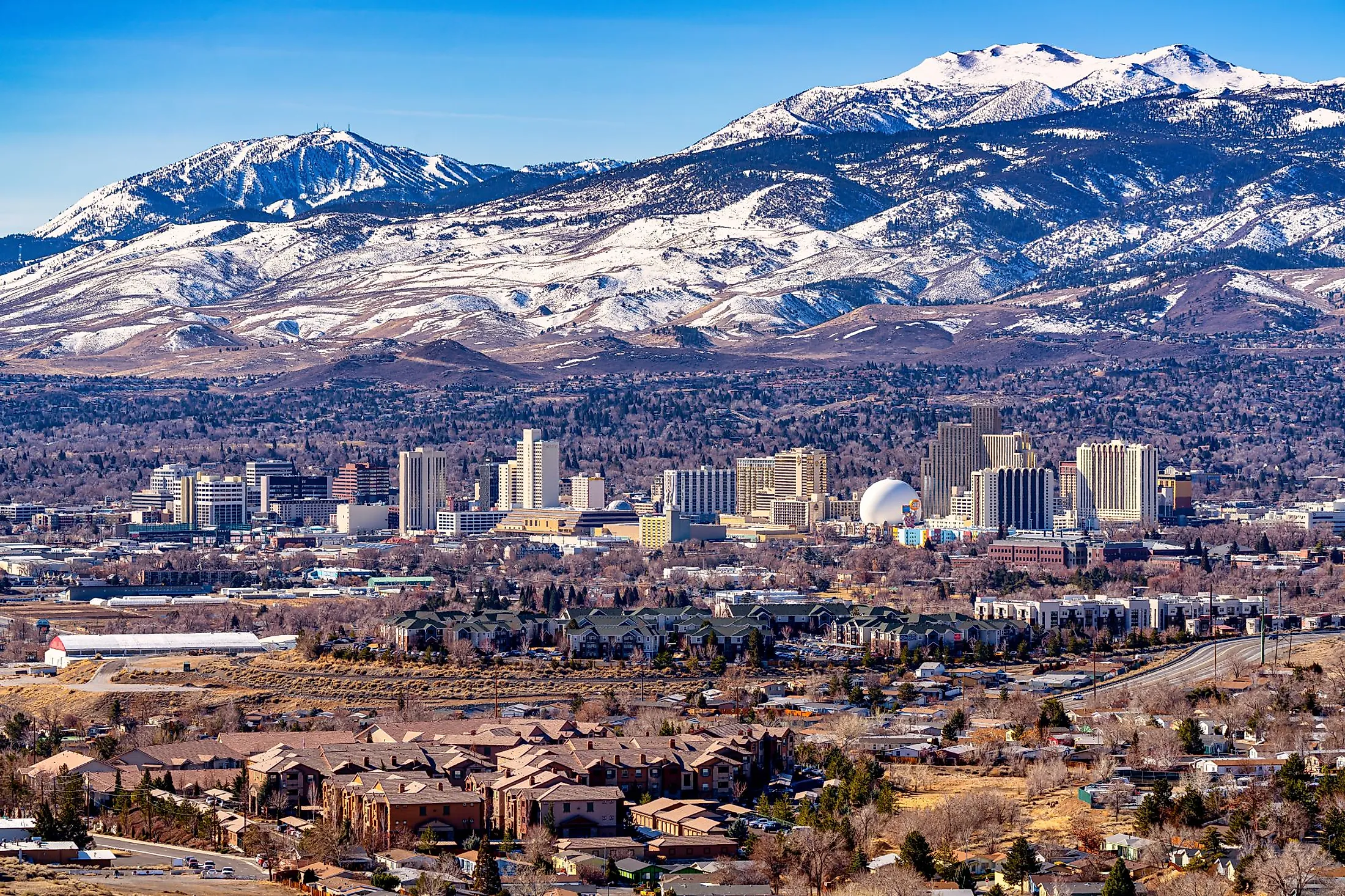
The Geography of the High Desert
Reno occupies a unique geographic position at the western edge of the Great Basin. This high-desert landscape is characterized by a “rain shadow” effect, created by the towering Sierra Nevada range to the west. This barrier blocks most of the moisture coming from the Pacific Ocean, resulting in a dry, arid climate that defines the region’s character.
Understanding Altitude Impacts
At 4,505 feet, visitors may notice subtle physiological changes, particularly if they are arriving from sea-level locations like San Francisco or Los Angeles. The air is thinner here, which has several practical implications for travelers:
- Hydration is Critical: The low humidity and elevation lead to faster fluid loss. It is recommended that visitors drink significantly more water than they would at home to avoid dehydration and altitude-related fatigue.
- Sun Sensitivity: Because the atmosphere is thinner, the UV radiation is more intense. Sunscreen and protective eyewear are necessities, even on cooler, cloudy days.
- Alcohol Tolerance: Many travelers find that alcohol has a stronger effect at higher elevations. Pace yourself when enjoying the nightlife in Downtown Reno.
Variation in Elevation
While 4,505 feet is the official measurement for the urban core, the metropolitan area spans a range of elevations. As you move toward the Truckee Meadows, you will find the terrain fluctuates. Areas closer to the Sierra Nevada foothills, such as the neighborhoods near Somersett, reach higher elevations, often exceeding 5,000 feet. This elevation gradient is one of the reasons the region offers such diverse landscapes, ranging from flat valley floors to dramatic, craggy mountain slopes.
Climate and Seasonal Transitions
The elevation of Reno is the primary driver of its four-season climate. Because the city is situated at an elevation high enough to feel the influence of the Sierra Nevada, but low enough to remain in a basin, it experiences dramatic temperature swings between day and night, as well as between seasons.
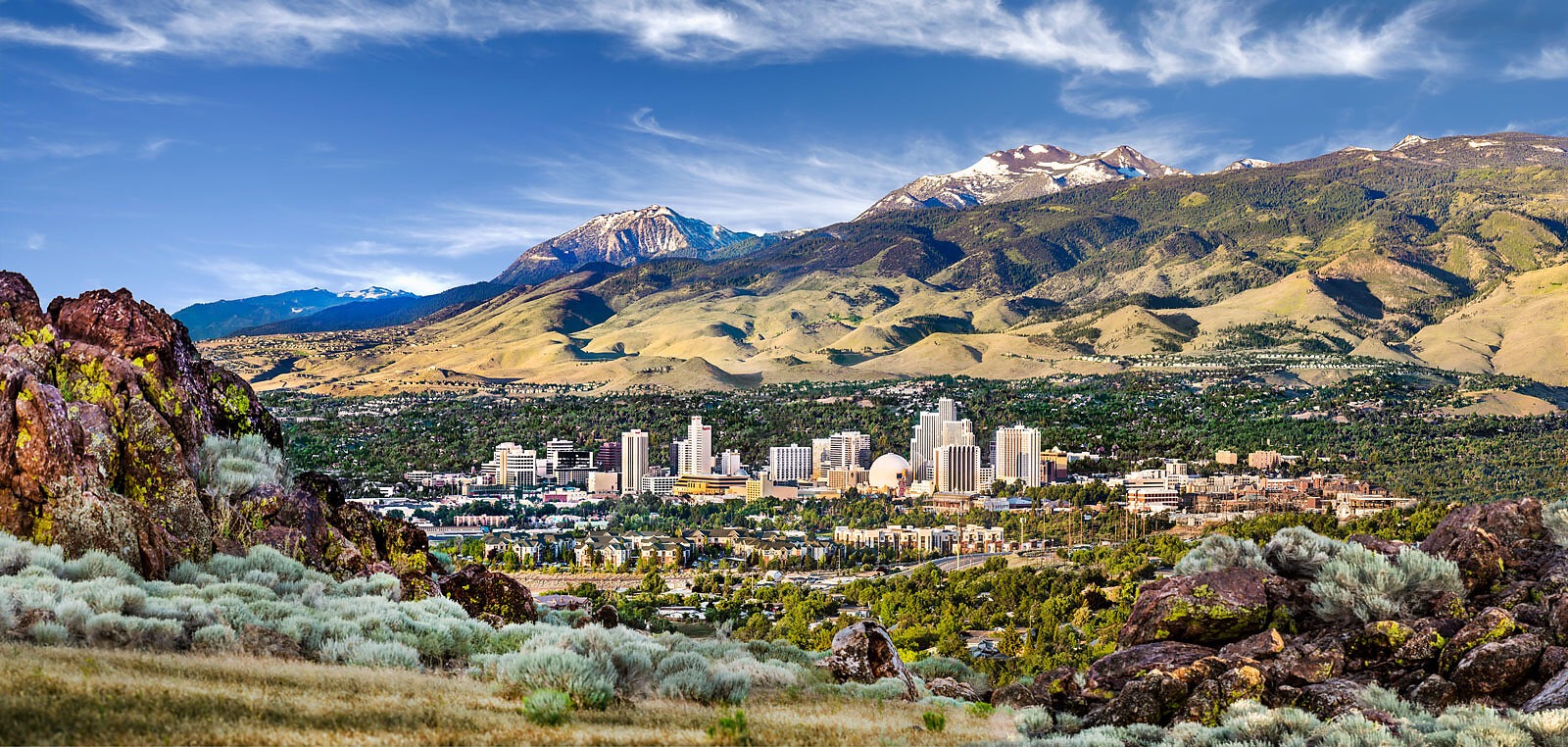
Winter in the High Altitude
During the winter months, Reno benefits from its location near the mountains, often receiving snow, though it rarely lingers as long as it does in higher-altitude areas like Lake Tahoe. The elevation ensures that even when the city is dry, the surrounding peaks are coated in heavy snowfall, providing world-class skiing and snowboarding opportunities. Travelers venturing toward Mount Rose will notice a stark difference in temperature as the elevation climbs rapidly from the city floor.
Summer and the Dry Heat
Summers in the Truckee Meadows are characterized by hot, sunny days and cool, crisp nights. The 4,505-foot elevation helps facilitate rapid cooling once the sun dips below the mountains. This daily cycle makes the region ideal for outdoor dining and evening entertainment along the Truckee River, as the temperatures rarely become stiflingly humid.
Preparing for High-Altitude Tourism
When planning your itinerary for Nevada, the elevation should dictate your packing list and your activity schedule. Being prepared for the physical demands of a high-altitude environment will ensure you spend more time enjoying the attractions and less time recovering from them.
Packing for the Altitude
- Layers are Essential: Because temperatures shift based on both elevation and time of day, dressing in layers allows you to adjust to the heat of the midday sun and the chill of the evening breeze.
- Moisturizer and Lip Balm: The dry desert air can be harsh on the skin. Packing heavy-duty lotions and lip protection is a travel essential for Reno.
- Sturdy Footwear: Whether you are walking through the National Automobile Museum or hiking in the nearby foothills, comfortable shoes are a must. The terrain here can be rugged even just outside the city limits.
Planning Physical Activities
If your travel plans include vigorous exercise, such as mountain biking or trail running, be mindful of your body’s adjustment period. It typically takes the human body a few days to acclimate to elevations above 4,000 feet. Start with lighter activities on your first day—perhaps a stroll along the Truckee River Walk—before attempting more strenuous treks toward Peavine Mountain.

The Geographic Charm of Northern Nevada
The elevation of Reno is a fundamental part of its identity, distinguishing it from the lowland deserts to the south and the high-alpine environments to the west. This positioning at 4,505 feet allows the city to serve as the perfect gateway to the varied beauty of Northern Nevada.
From the Reno-Tahoe International Airport, travelers are greeted with immediate views of the Sierra Nevada, a constant reminder of the scale of the landscape. As you drive through the city, you will see how the urban development hugs the valley floor, held in place by the rising mountains. This proximity to dramatic elevation shifts is exactly what makes Reno such a dynamic destination for adventurers.
Whether you are here to explore the rich history of the Comstock Lode in nearby Virginia City, take a day trip to the crystal-clear waters of Lake Tahoe, or simply enjoy the unique culture and gaming experiences of Downtown Reno, keep the elevation in mind. It is a defining feature of the local ecosystem, a factor in your daily comfort, and a significant contributor to the stunning visual beauty that makes Nevada a truly unforgettable destination for travelers from across the United States and beyond. By respecting the altitude and preparing accordingly, you can fully embrace the high-desert lifestyle and all the exhilaration it has to offer.
LifeOutOfTheBox is a participant in the Amazon Services LLC Associates Program, an affiliate advertising program designed to provide a means for sites to earn advertising fees by advertising and linking to Amazon.com. Amazon, the Amazon logo, AmazonSupply, and the AmazonSupply logo are trademarks of Amazon.com, Inc. or its affiliates. As an Amazon Associate we earn affiliate commissions from qualifying purchases.