
Dreaming of a truly unique companion? Perhaps a vividly colored parrot, a slithering serpent, or even a miniature primate? California, a state renowned for its diverse landscapes and liberal spirit, also presents a complex regulatory environment for pet ownership, especially when it comes to the exotic. For aspiring exotic pet owners in the Golden State, understanding what’s permitted and what’s strictly forbidden is paramount. This isn’t just about avoiding hefty fines; it’s about ensuring the welfare of the animals and protecting California’s native ecosystems.
The allure of the exotic lies in their distinctiveness. They offer a window into distant lands, a chance to connect with nature in a profound and unconventional way. Imagine the mesmerizing patterns of a ball python, the intelligent gaze of a ring-tailed lemur, or the gentle grace of a fennec fox. However, the journey from admiration to ownership in California is paved with stringent regulations, designed to address concerns ranging from public safety and animal cruelty to the potential for invasive species.

Before embarking on the exciting, albeit challenging, path of exotic pet ownership in California, it’s crucial to delve into the legal framework. This guide aims to demystify the rules, explore the types of exotic animals that might be legally kept, and highlight the responsibilities that come with such a commitment. We’ll also touch upon the broader implications of exotic pet ownership, connecting it to themes of travel, lifestyle, and responsible engagement with the natural world, much like appreciating the landmarks and local culture of a new destination.
Understanding California’s Exotic Pet Laws: A Maze of Regulations
California’s approach to exotic pet ownership is famously restrictive, largely governed by the California Department of Fish and Wildlife (CDFW). The state categorizes animals into different groups based on their perceived risk to public safety, health, and the environment. These categories dictate whether an animal can be possessed, and if so, under what conditions.
The primary legislation to be aware of is the California Food and Agricultural Code and the California Code of Regulations, Title 14. These documents outline prohibited species and the requirements for permits and licenses for those animals that are conditionally allowed. It’s a complex web, and often, what might seem like a common exotic pet in other states is a definite no-go in California.
Prohibited Animals: The “Absolutely Not” List
California has a comprehensive list of prohibited animals, often referred to as “Class 2” or “Class 3” prohibited species. This list includes a wide array of animals deemed dangerous, potentially invasive, or unsuitable for private ownership. Some of the most commonly sought-after exotic pets fall under this ban.
For instance, primates, including monkeys and lemurs, are generally prohibited. This is due to their complex social needs, potential for aggression, and the risk of zoonotic diseases (diseases transmissible from animals to humans). So, that dream of having a tiny capuchin monkey as a companion, much like visiting a primate sanctuary in Costa Rica, remains just that – a dream, legally speaking, within California’s borders.
Large cats, such as lions, tigers, and cougars, are also strictly illegal to own as pets, regardless of how they were acquired. The inherent danger they pose to humans and the specialized care they require make private ownership unfeasible and irresponsible. Similarly, venomous reptiles, like certain species of snakes and lizards, are also banned for public safety reasons. Owning such creatures would be akin to exploring the dangerous terrains of the Amazon rainforest without proper guidance – ill-advised and risky.
Other notable prohibitions include many exotic birds, particularly those that are highly intelligent or have specialized dietary needs, and certain exotic mammals like bears, wolves, and wild canids. The CDFW maintains a detailed list, and it is imperative for anyone considering an exotic pet to consult this list directly. Ignorance of the law is not a defense, and violations can result in confiscation of the animal, substantial fines, and even criminal charges.
Conditionally Allowed Exotic Pets: Where Nuance and Permits Reign
While California has a long list of prohibited animals, there are certain exotic species that can be legally kept, but only with specific permits and under strict conditions. These animals are typically less dangerous, pose a lower risk to native ecosystems, and for which adequate care standards can be met by responsible owners. The process of obtaining these permits can be rigorous, involving inspections, proof of adequate housing, and demonstration of knowledge regarding the animal’s care and behavior.
Reptiles and Amphibians: Popular Choices with Caveats
Many popular exotic reptiles and amphibians, when not venomous, can be legally owned in California, provided they are not specifically listed as prohibited. This often includes a wide variety of non-venomous snakes, such as corn snakes, ball pythons (though specific regulations may apply to certain subspecies), and king snakes. Similarly, many species of lizards, like leopard geckos, bearded dragons, and crested geckos, are generally permitted.
For amphibians, common pets like African clawed frogs, fire-bellied toads, and certain species of newts and salamanders are often allowed. However, it’s crucial to remember that even within these generally permissible groups, specific species might be regulated or prohibited due to their conservation status or potential invasiveness. For example, while a common gecko might be legal, a newly discovered or endangered species of gecko would likely be protected.
Birds: Understanding the Regulations
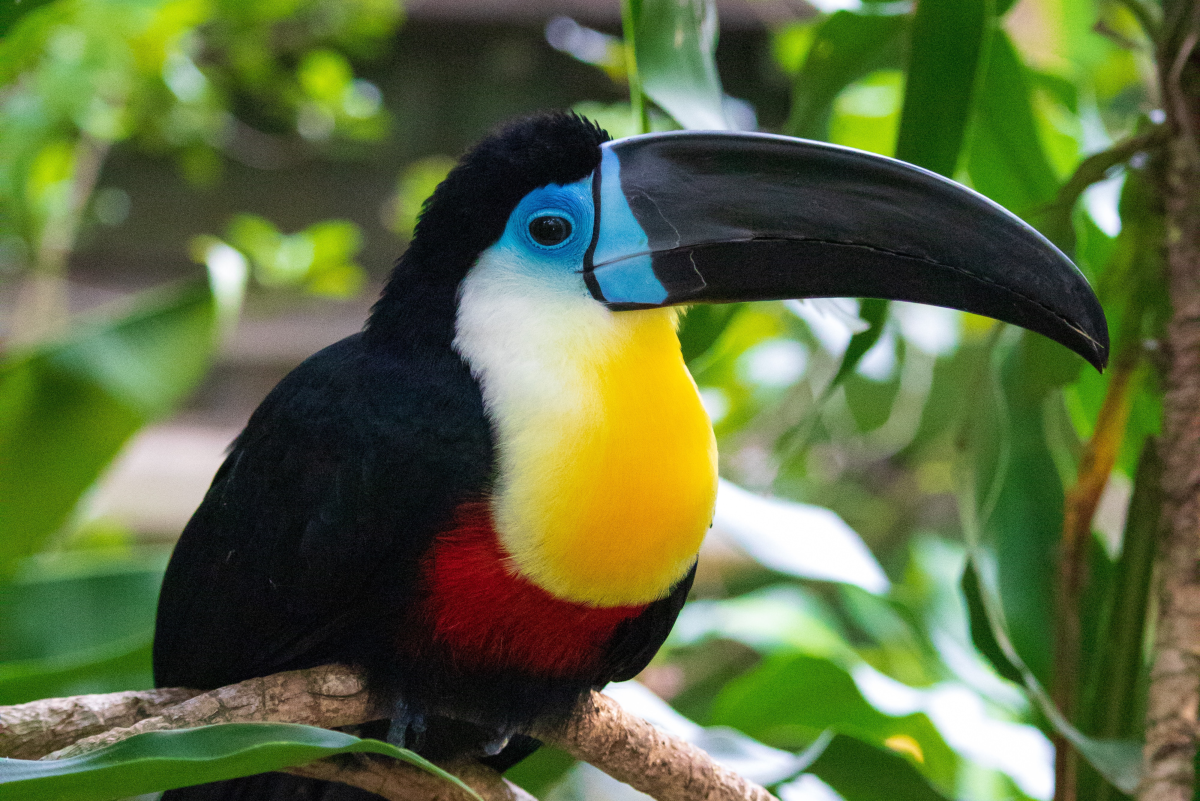
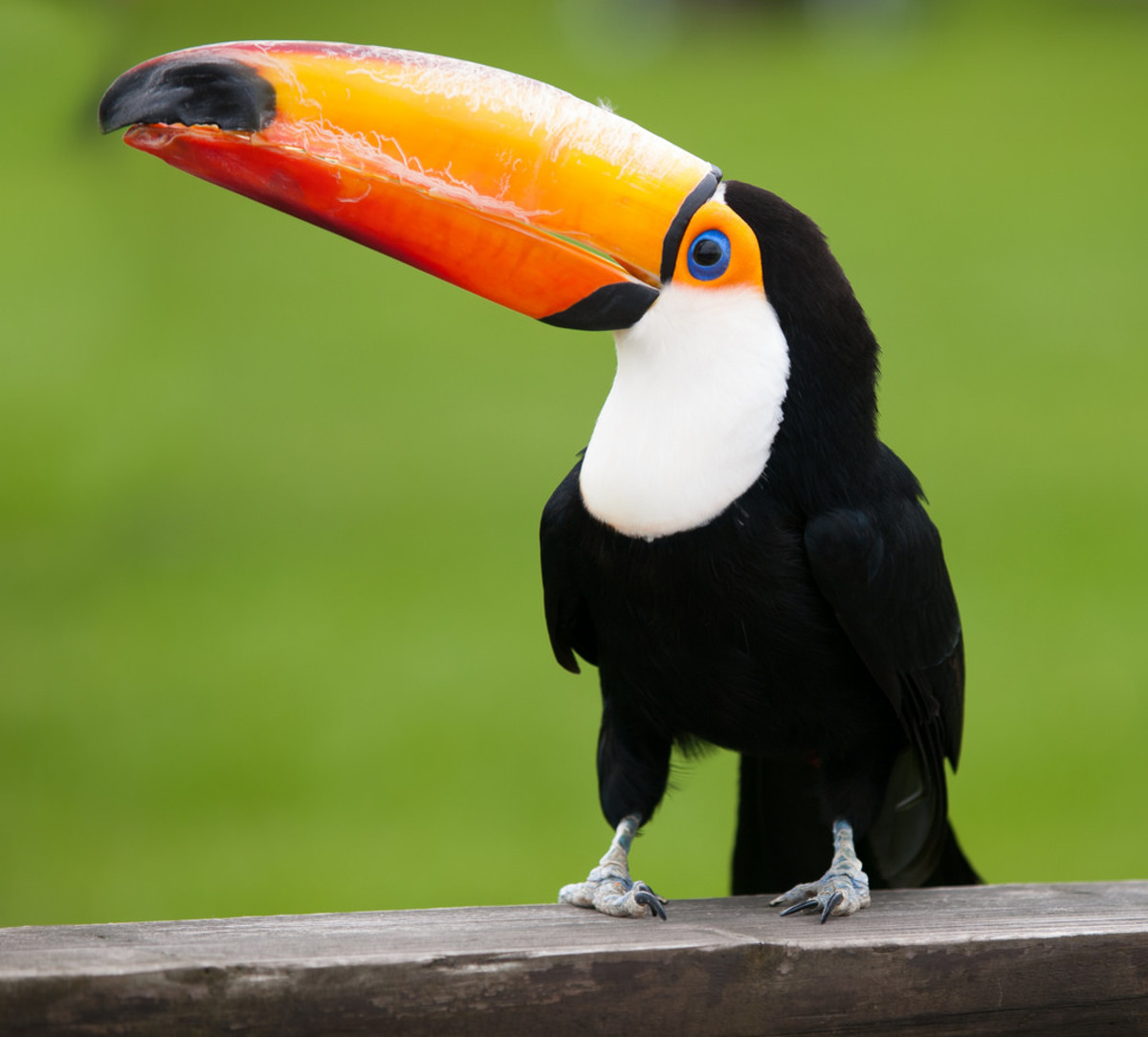
The legality of owning exotic birds in California is more nuanced than with reptiles. While many common pet birds like budgerigars (budgies), cockatiels, and lovebirds are legal and widely available, owning more exotic species often requires a permit. The CDFW has specific regulations regarding the importation and possession of certain bird species, particularly those that could pose a threat to native bird populations through disease transmission or competition for resources.
Parrots, macaws, and cockatoos, while popular for their intelligence and ability to mimic, can fall into a gray area. Some species may be permitted with proper documentation and proof of captive breeding, while others might be restricted due to their endangered status or potential to become invasive if released. Owners must verify the specific status of any desired bird species with the CDFW. This is much like planning a trip to a bird sanctuary in Belize – research is key to understanding what you can and cannot interact with.
Small Mammals: The Fennec Fox and Beyond
The realm of small exotic mammals presents some of the most intriguing possibilities, but also some of the most restrictive rules. The fennec fox, known for its large ears and desert origins, is one of the more commonly cited examples of an exotic mammal that can be legally owned in California, but only with a permit and strict adherence to CDFW regulations. These permits often require proof of captive breeding, a secure enclosure, and evidence of the owner’s ability to provide appropriate care, including specialized diets and veterinary attention.
Other small exotic mammals that might be permissible, often with permits, include certain species of hedgehogs and sugar gliders. However, it’s crucial to understand that regulations can change, and what might be permissible today could be restricted tomorrow. Therefore, always consult the most current CDFW guidelines. The desire for such unique companions often mirrors the adventurous spirit of exploring off-the-beaten-path destinations.
The Responsibilities of Exotic Pet Ownership: More Than Just a Novelty
Owning an exotic pet is not akin to adopting a stray cat or dog from a local shelter in San Francisco. It’s a significant commitment that requires a deep understanding of the animal’s natural habitat, dietary needs, social behaviors, and potential health issues. This responsibility extends far beyond the initial purchase and the establishment of a habitat.
Specialized Care and Environment
Exotic animals often have highly specific environmental requirements. A desert-dwelling reptile will need precise temperature gradients and humidity levels, while a tropical bird will require a spacious aviary with specific lighting and enrichment activities. Providing these conditions can be costly and require significant knowledge and effort. This is comparable to planning a luxury stay at a resort in the Maldives, where specific amenities and experiences are curated for comfort and enjoyment.
Diet is another critical factor. Many exotic animals cannot thrive on standard pet food and require carefully balanced diets of live insects, specialized pelleted foods, or whole prey items. Sourcing these can be challenging and expensive. Furthermore, finding a veterinarian experienced in treating exotic species can be difficult, especially outside major metropolitan areas like Los Angeles or San Diego. Routine check-ups and emergency care for exotic pets can be considerably more expensive than for traditional pets.
Legal and Ethical Considerations
Beyond the basic care requirements, exotic pet owners must remain vigilant about legal changes. Laws and regulations can be amended, and staying informed is crucial. Furthermore, ethical considerations are paramount. Is it truly in the best interest of the animal to be kept in a domestic environment, away from its natural social structures and behaviors?
The exotic pet trade itself can have detrimental impacts on wild populations if animals are not ethically sourced from reputable captive-breeding programs. This is an issue that mirrors the broader conversation around responsible tourism – ensuring our activities don’t harm the places and creatures we admire. The ultimate goal should always be the welfare of the animal and the protection of biodiversity, not simply the acquisition of a novelty.
In conclusion, while California offers the allure of a unique pet, the path to legal ownership of exotic animals is fraught with regulations and demands a profound level of responsibility. It requires meticulous research, significant financial investment, and a deep commitment to the animal’s well-being. For those willing to undertake this challenge, the rewards can be immense, but only when approached with knowledge, dedication, and a genuine respect for the wild creatures we seek to bring into our lives. It’s a journey that, much like exploring a new travel destination, requires thorough preparation and an appreciation for the wonders of the natural world, both near and far.
LifeOutOfTheBox is a participant in the Amazon Services LLC Associates Program, an affiliate advertising program designed to provide a means for sites to earn advertising fees by advertising and linking to Amazon.com. Amazon, the Amazon logo, AmazonSupply, and the AmazonSupply logo are trademarks of Amazon.com, Inc. or its affiliates. As an Amazon Associate we earn affiliate commissions from qualifying purchases.