
Florida, often hailed as the “Fishing Capital of the World,” offers an unparalleled angling experience for both seasoned veterans and eager novices. With its extensive coastline, myriad freshwater lakes, and diverse ecosystems, the Sunshine State is a true paradise for anyone looking to cast a line. However, to maximize your chances of a successful and responsible catch, understanding what fish are in season is crucial. This knowledge not only enhances your fishing adventure but also ensures compliance with local regulations, contributing to the sustainability of Florida’s vibrant aquatic life.
For travelers seeking an unforgettable experience, fishing in Florida transcends a simple activity; it’s a gateway to local culture, breathtaking natural landmarks, and an authentic taste of coastal lifestyle. Whether you dream of battling a mighty tarpon in the Florida Keys, reeling in a delicious snapper off Destin, or fly-fishing for bass in the serene interior lakes near Orlando, Florida’s seasonal bounty promises a unique adventure for every type of angler. This comprehensive guide will navigate you through the best times to catch various species, recommend prime fishing destinations, and help you plan the perfect fishing-focused tourism getaway, complete with ideal accommodation options.
Navigating Florida’s Diverse Fishing Seasons
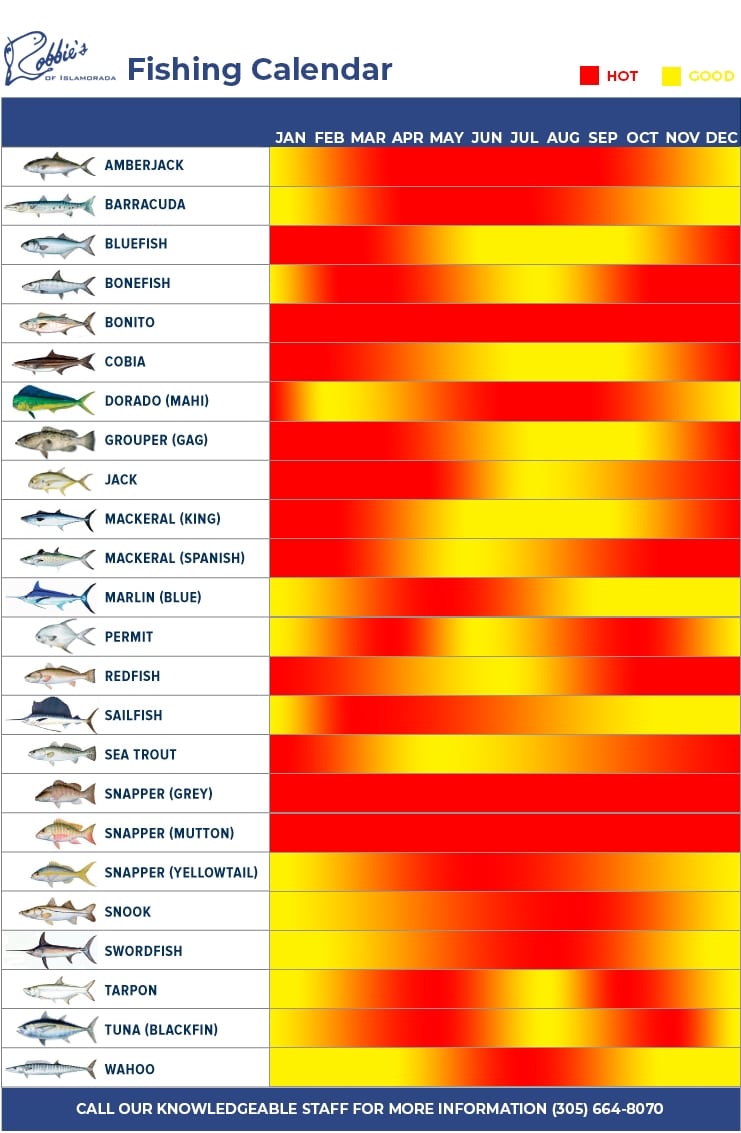
Florida’s unique geography, bordered by the Atlantic Ocean to the east and the Gulf of Mexico to the west, creates a dynamic environment for a vast array of fish species. The concept of “in season” for fish primarily refers to when specific species are most abundant, actively feeding, and legally permissible to harvest. These seasons are influenced by spawning cycles, water temperatures, and migration patterns. Additionally, the Florida Fish and Wildlife Conservation Commission (FWC) establishes strict regulations—including size limits, bag limits, and closed seasons—to protect fish populations. Always check the latest FWC guidelines before embarking on your fishing trip.
Inshore Fishing: A Year-Round Delight
Inshore fishing, typically within bays, estuaries, shallow flats, and nearshore waters, offers consistent action throughout the year. The calmer waters and diverse habitats make it accessible for all skill levels and perfect for family trips.
- Winter (December – February): Cooler temperatures drive species like Redfish and Snook into deeper canals, rivers, and residential areas where they seek warmer water. Trout also thrive in cooler conditions, making this an excellent time for targeting them in grass flats. Areas like Tampa Bay, Sarasota, and the Indian River Lagoon near the Space Coast are hotspots.
- Spring (March – May): As waters warm, the bite truly heats up. Snook begin moving out of their winter haunts and aggressively feed. Tarpon, often called the “Silver King,” make their grand migratory appearance, particularly in the Florida Keys and along the Gulf Coast, offering an epic challenge for catch-and-release enthusiasts. Permit and Bonefish are also active on the flats.
- Summer (June – August): Early mornings and late evenings are prime for Redfish and Snook, which seek cooler times to feed. Mangrove snapper are abundant, and the elusive Tarpon season continues strong in many areas. Expect to find good numbers of Seatrout in the grass flats.
- Fall (September – November): This is arguably one of the best times for inshore fishing. The famous “fall run” sees Redfish schooling up in massive numbers, creating incredible sight-fishing opportunities. Snook are also incredibly active, preparing for the cooler months. Many anglers consider this the peak season for multiple inshore species.
Offshore Adventures: Deep Sea Thrills
For those who crave the excitement of deep-sea fishing, Florida’s offshore waters promise big game and memorable catches. These trips often require chartering a boat, an ideal experience for a group travel adventure.
- Winter (December – February): Cooler months bring excellent opportunities for Sailfish off the southeast coast, especially from Miami to Fort Lauderdale. Wahoo are also active, and bottom fishing for Grouper and Snapper remains strong, though specific species may have closed seasons.
- Spring (March – May): The arrival of baitfish ignites a feeding frenzy. King Mackerel (Kingfish) are plentiful, along with various Tuna species. This is also a fantastic time for targeting Mahi-Mahi (Dolphin), especially as the spring progresses. Amberjack put up a formidable fight around offshore structures.
- Summer (June – August): Mahi-Mahi are usually abundant offshore, often found beneath floating debris. Snapper and Grouper seasons are typically open during summer, providing excellent table fare. The warmer waters also attract Marlin and Swordfish for dedicated deep-drop anglers.
- Fall (September – November): Similar to spring, King Mackerel return in force, and Wahoo bites pick up. The cooler waters begin to draw Sailfish back towards the coast, signaling the start of their peak season. It’s a fantastic time for a mixed bag offshore trip.
Freshwater Fishing: Hidden Gems
Beyond its famed saltwater fishing, Florida boasts an incredible network of freshwater lakes and rivers, home to trophy largemouth bass and other species.
- Largemouth Bass: While catchable year-round, the prime time for Largemouth Bass is typically spring (February-April) during their spawning season, and again in the fall as temperatures become more moderate. Famous bass fishing destinations include Lake Okeechobee, the St. Johns River, and the numerous lakes surrounding Orlando and Gainesville.
- Panfish: Species like Bluegill and Crappie are abundant and offer fun, easy fishing for families, especially in spring and early summer.
- Exotic Species: In South Florida’s canals and even Everglades National Park, you can encounter unique exotic species like Peacock Bass and Clown Knifefish, which are most active in warmer months (April-October).
Top Seasonal Catches Across Florida’s Regions
Florida’s diverse regions each offer distinct fishing experiences and seasonal highlights. Understanding these regional nuances is key to planning a targeted and rewarding fishing tourism trip.
The Panhandle’s Bounty (Northwest Florida)
The Florida Panhandle, with its sugar-white sands and emerald waters, is renowned for its excellent Gulf of Mexico fishing. Cities like Destin (the “World’s Luckiest Fishing Village”) and Pensacola are premier destinations.
- Spring: Expect abundant King Mackerel, Cobia, and various Snapper and Grouper species offshore. Inshore, Redfish and Speckled Trout are very active.
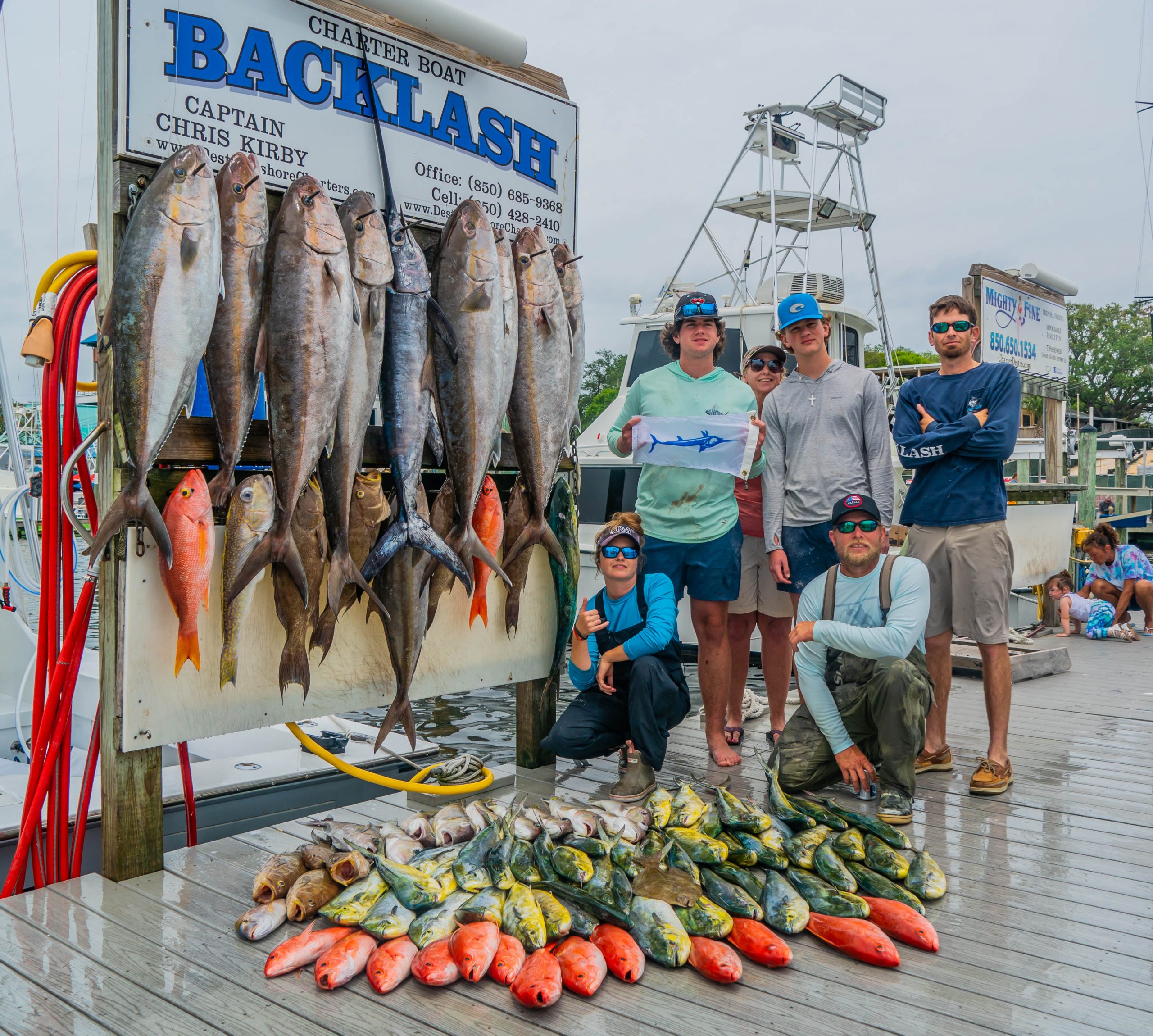
- Summer: Peak season for offshore Mahi-Mahi, Snapper (especially Red Snapper during its brief season), and Grouper. Inshore, Redfish and Trout remain strong in the early mornings and evenings.
- Fall: A second run of King Mackerel and Wahoo offshore. Inshore, the Redfish bite is fantastic, and Flounder start to become more prevalent as they migrate.
- Winter: Bottom fishing for Grouper and Snapper can be productive, while inshore, Redfish and Trout move to deeper holes.
Central Florida’s Coastal Treasures
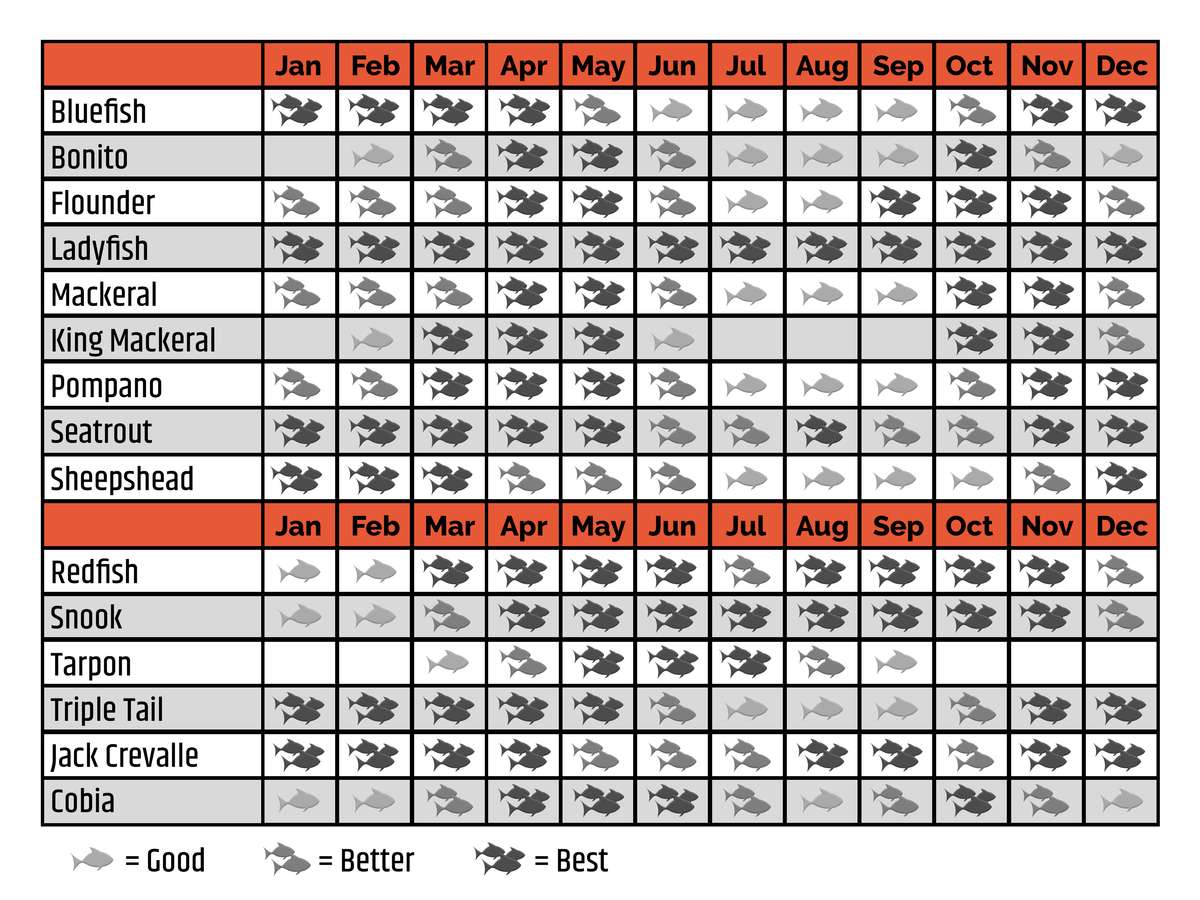
From the thriving waters of Tampa Bay on the Gulf Coast to the pristine Indian River Lagoon near Melbourne on the Atlantic, Central Florida offers incredible fishing diversity.
- Spring: Tarpon migration kicks off along the Gulf Coast (e.g., Boca Grande Pass near Punta Gorda), while Snook and Redfish become aggressive inshore. Offshore, King Mackerel and Mahi-Mahi are popular targets.
- Summer: Snook and Redfish inshore are active during cooler parts of the day. Offshore, Snapper and Grouper seasons are typically open, and Mahi-Mahi are a common sight.
- Fall: The famous “bull redfish” run occurs in major estuaries like Tampa Bay and the Indian River Lagoon. Snook fishing remains excellent, and King Mackerel return offshore.
- Winter: Trout and Redfish seek deeper, warmer waters. Offshore, King Mackerel can still be caught, and bottom fishing for various species is productive.
South Florida’s Angler’s Paradise
South Florida, encompassing Miami, the Florida Keys, and the Everglades region, is a year-round mecca for anglers, offering unparalleled access to both inshore and offshore giants.
- Spring: The pinnacle of Tarpon season in the Florida Keys and around Everglades National Park. Bonefish and Permit are also highly sought after on the flats. Offshore, Mahi-Mahi, Tuna, and King Mackerel are abundant.
- Summer: Excellent Mahi-Mahi fishing offshore from Miami to Key West. Inshore, Snook and Mangrove Snapper are plentiful. Freshwater canals yield Peacock Bass and Clown Knifefish.
- Fall: The Sailfish season starts to pick up offshore. Mahi-Mahi are still present, and Wahoo become more active. Inshore, Snook fishing is exceptional as they feed heavily.
- Winter: Peak Sailfish season offshore, especially off Miami and the Florida Keys. Wahoo and King Mackerel are also strong contenders. Inshore, Bonefish and Permit remain active on the flats during warmer days.
Planning Your Ultimate Florida Fishing Getaway
A successful fishing trip to Florida involves more than just knowing what’s biting; it’s about crafting a comprehensive travel experience. From choosing the perfect accommodation to savoring your catch, every detail contributes to an unforgettable lifestyle adventure.
Choosing the Right Accommodation
Your choice of accommodation can significantly enhance your fishing trip. Florida offers a vast spectrum of options, catering to every budget and lifestyle.
- Luxury Resorts: For a opulent experience, consider resorts that cater to anglers. The Hawks Cay Resort in Duck Key (Florida Keys) offers a full-service marina, charters, and luxurious amenities. On the Atlantic coast, properties like The Ritz-Carlton, Amelia Island or The Breakers Palm Beach provide upscale comfort after a day on the water.
- Boutique Hotels & Fishing Lodges: For a more intimate and fishing-centric stay, boutique hotels often offer unique charm and local insights. Casa Morada in Islamorada is a prime example, known for its tranquil setting and easy access to world-class fishing. Many smaller towns also feature dedicated fishing lodges with guide services.
- Vacation Rentals (Villas, Apartments): Ideal for families or groups, vacation rentals through services like Airbnb or VRBO provide flexibility, kitchens (perfect for cooking your catch!), and often come with private docks or proximity to boat launches. This option allows for a more personalized and budget-friendly lifestyle approach.
- Budget-Friendly Options: Many coastal cities offer affordable hotels or motels, especially those slightly off the main tourist strips, ensuring that a fantastic Florida fishing trip is accessible to everyone.
Chartering Your Adventure
Unless you bring your own boat, hiring a local fishing charter is often the best way to experience Florida’s waters, especially for offshore or specialized inshore fishing. Charter captains possess invaluable local knowledge, provide all necessary equipment, and ensure you comply with regulations.
- Research and Reviews: Look for captains with excellent reviews, particularly those specializing in the species or type of fishing you’re interested in.
- Inquire About Inclusions: Confirm what’s included (bait, tackle, licenses, drinks) and what you should bring (food, sunscreen, hat).
- Booking in Advance: Especially during peak seasons (e.g., Tarpon season in the Keys or summer Red Snapper season), book your charter well in advance.
Culinary Delights: From Hook to Plate
One of the most rewarding aspects of fishing in Florida is the opportunity to enjoy your fresh catch. Many restaurants, particularly in coastal towns, offer “cook your catch” services, where they will expertly prepare your cleaned fish. This culinary tourism experience is a highlight for many visitors. Beyond your own catch, Florida’s vibrant seafood scene means you can always find incredible fresh dishes, from grilled Grouper to fried Snapper, in local eateries. Explore seafood festivals, farmer’s markets, and local fishmongers for an authentic taste of the Sunshine State.
Responsible Angling and Conservation
As a guest in Florida’s pristine natural environment, practicing responsible angling is paramount. Always adhere to FWC regulations, including obtaining the necessary fishing licenses, respecting bag and size limits, and understanding closed seasons for specific species. Employ catch-and-release techniques when appropriate, especially for fragile species or those you don’t intend to eat. Minimizing your environmental impact by properly disposing of trash, avoiding damage to sensitive habitats like seagrass beds and coral reefs, and using sustainable fishing practices ensures that Florida’s incredible fishing opportunities remain vibrant for generations to come. This commitment to conservation is integral to the state’s natural landmarks and the broader tourism industry.
In conclusion, knowing what fish are in season in Florida is the first step towards an extraordinary angling adventure. By combining this knowledge with thoughtful planning, strategic accommodation choices, and a commitment to responsible tourism, you can unlock the full potential of this premier fishing destination. Whether you’re chasing trophy fish offshore, enjoying the tranquility of inshore flats, or seeking a family-friendly freshwater excursion, Florida promises a fishing lifestyle experience that will linger long after your lines are reeled in. Pack your bags, plan your travel, and prepare for the catch of a lifetime in the Sunshine State.
LifeOutOfTheBox is a participant in the Amazon Services LLC Associates Program, an affiliate advertising program designed to provide a means for sites to earn advertising fees by advertising and linking to Amazon.com. Amazon, the Amazon logo, AmazonSupply, and the AmazonSupply logo are trademarks of Amazon.com, Inc. or its affiliates. As an Amazon Associate we earn affiliate commissions from qualifying purchases.