
Boston, a city steeped in history and vibrant culture, offers a culinary landscape as rich and diverse as its storied past. While it’s often recognized for its revolutionary heritage, its gastronomic identity is equally compelling, reflecting centuries of tradition, immigration, and innovation. From the bounty of the Atlantic to classic baked goods and robust comfort foods, Boston’s food scene is an essential part of the New England experience, inviting visitors to savor its unique flavors.
The Iconic Seafood Legacy
Perched on the Atlantic coast, Boston’s culinary reputation is inextricably linked to the sea. Fresh, abundant seafood forms the backbone of many local specialties, celebrated in both humble eateries and upscale dining establishments. The city’s maritime history is evident in every bite, offering a true taste of the ocean’s bounty.

Clam Chowder: A Creamy Classic
Perhaps the most famous of Boston’s culinary contributions is New England Clam Chowder. This velvety, rich soup is a staple, characterized by its creamy base, tender clams, diced potatoes, and often salt pork or bacon. Unlike its Manhattan counterpart, which features a tomato base, the New England version is pure, unadulterated comfort in a bowl, a warming embrace on a chilly day. The debate over its exact origins might linger, but its status as a regional icon is undeniable. Many establishments pride themselves on their rendition, each offering subtle variations while adhering to the creamy classic. For an authentic taste, historical landmarks like the Union Oyster House, America’s oldest continuously operating restaurant, or the widely popular Legal Sea Foods chain, which began as a fish market, are excellent starting points to experience this quintessential dish.
Lobster Rolls: A Taste of the Atlantic
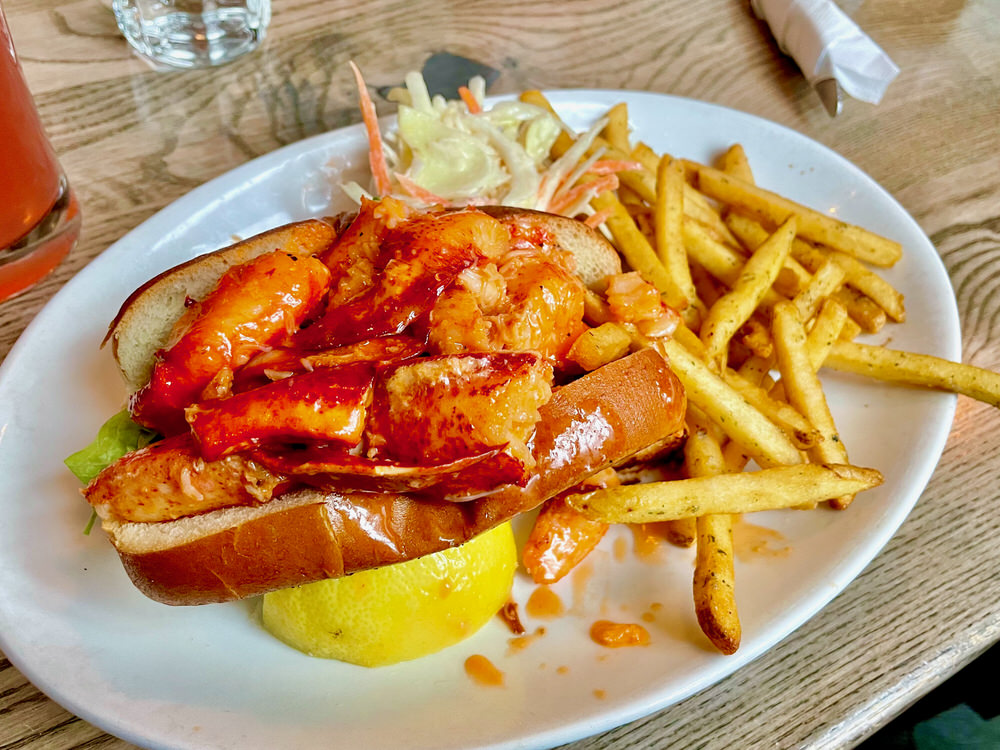
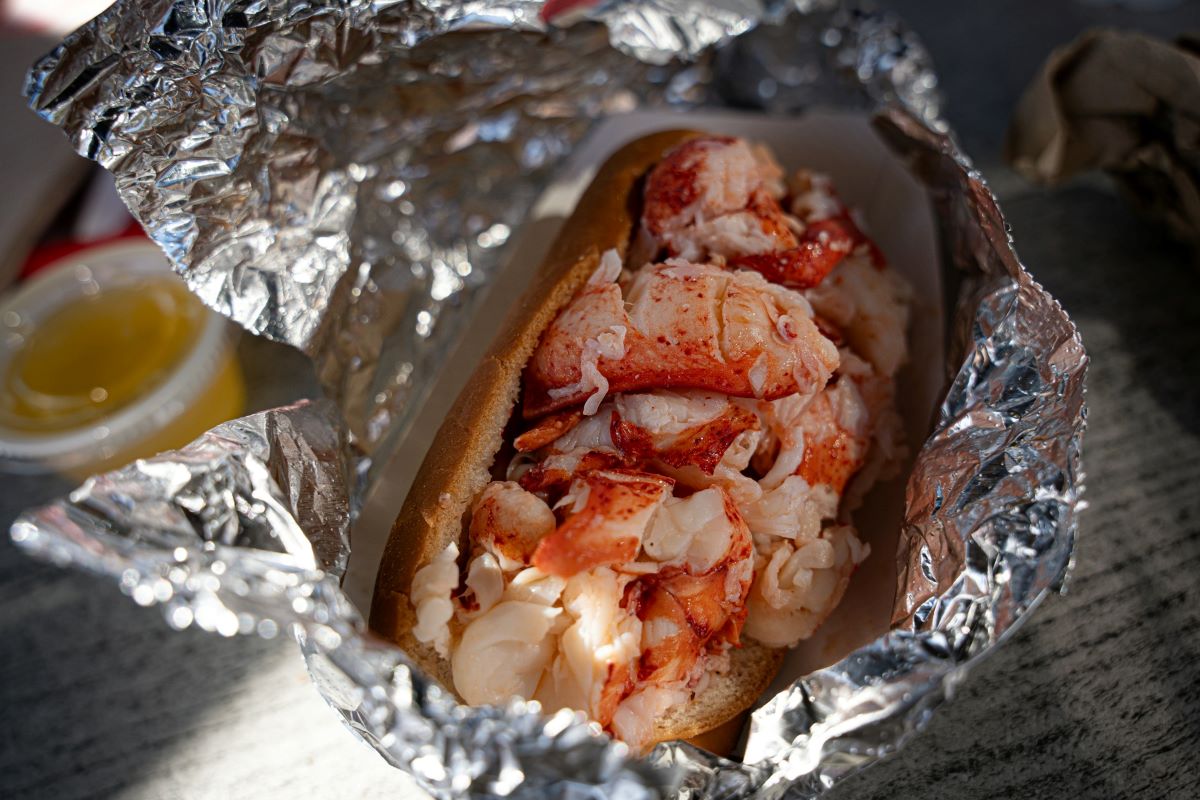
Another seafood delicacy that reigns supreme in Boston is the lobster roll. Simple yet exquisite, this sandwich highlights the succulent sweetness of fresh lobster meat. Typically, two main styles prevail: hot and buttered, or cold with mayonnaise. The hot version sees warm lobster meat tossed lightly in melted butter and served in a toasted, buttered split-top bun. The cold version features chilled lobster meat, often lightly dressed with mayonnaise, celery, and sometimes a hint of lemon, nestled in the same type of bun. Both preparations emphasize the quality of the lobster itself, allowing its natural flavors to shine. Whether enjoyed dockside or in a bustling city eatery, a lobster roll is a quintessential Boston experience, offering a direct connection to the region’s fishing heritage.
Fresh Oysters and Clams: From the Raw Bar
Given its coastal proximity, Boston is a haven for raw bar enthusiasts. A plate of freshly shucked oysters or littleneck clams is a testament to the city’s access to prime seafood. Massachusetts waters are renowned for producing a variety of oysters, each with its distinct brininess, sweetness, and finish. From the buttery, mild Wellfleet oysters to the crisp Duxbury variety, exploring the local raw bar offerings is an adventure in itself. Paired with mignonette, cocktail sauce, or simply a squeeze of lemon, these bivalves offer an unadulterated taste of the sea, often enjoyed with a view of the harbor.
Fried Clams: A North Shore Delicacy
While their origins are often credited to the North Shore town of Essex, fried clams are a beloved treat widely available and celebrated in Boston. The key to an authentic fried clam experience lies in the use of whole-belly clams, which burst with flavor when perfectly fried. These aren’t your typical clam strips; the whole-belly variety offers a more substantial, briny bite, coated in a light, crispy batter. Often served with tartar sauce and a side of french fries, fried clams represent a casual yet deeply satisfying aspect of Boston’s seafood culture, perfect for a seaside snack or a hearty meal.
Quintessential Bostonian Sweet Treats and Baked Goods
Beyond its oceanic bounty, Boston boasts a rich tradition of desserts and baked goods that are deeply woven into the fabric of its culinary identity. These treats range from historical inventions to immigrant contributions, each telling a story of the city’s diverse past.
Boston Cream Pie: The Official State Dessert
Despite its name, Boston Cream Pie is, in fact, a cake – specifically, two layers of sponge cake filled with rich custard cream and topped with a glossy chocolate glaze. This iconic dessert was invented at the Omni Parker House hotel in 1856, where it was originally called “Chocolate Cream Pie.” It gained its current name due to the pie-like shape and method of baking the cake in a pie tin. Recognized as the official state dessert of Massachusetts, the Boston Cream Pie offers a harmonious balance of textures and flavors – the delicate cake, the smooth, creamy filling, and the decadent chocolate. It remains a beloved classic, found in bakeries and restaurants throughout the city, a testament to its enduring appeal.
Cannolis from the North End: An Italian-American Staple
A visit to Boston is incomplete without a pilgrimage to the North End, the city’s oldest residential neighborhood and vibrant “Little Italy.” Here, Italian-American culinary traditions thrive, with pastries playing a starring role. Among them, the cannoli stands out as a beloved treat. These crispy, fried pastry shells are filled with a creamy, sweetened ricotta cheese mixture, often enhanced with chocolate chips, candied fruit, or pistachios. The fierce, yet friendly, rivalry between historic bakeries like Mike’s Pastry and Modern Pastry provides a memorable experience, as visitors queue up to choose from an dizzying array of flavors. Enjoying a cannoli while strolling through the charming streets of the North End perfectly encapsulates the neighborhood’s rich cultural heritage.
Boston Baked Beans: A Historical Sweet and Savory Delight
Long before its desserts, Boston earned the moniker “Beantown” thanks to its historical association with Boston Baked Beans. This slow-cooked dish is a savory-sweet marvel, traditionally made with navy beans, molasses, salt pork or bacon, and brown sugar. Baked for hours, sometimes overnight, in a ceramic bean pot, the beans develop a rich, complex flavor and a tender, almost creamy texture. Rooted in colonial necessity and Puritan traditions of preparing food on Saturday for Sunday consumption, Boston Baked Beans were a staple of the New England diet. While perhaps less ubiquitous in modern restaurants, their legacy endures, representing a fundamental aspect of the city’s culinary history and a hearty taste of its past.
Hearty Comfort Foods and Local Favorites
Beyond the internationally famous, Boston offers a variety of comfort foods and local specialties that are cherished by residents and offer visitors a deeper dive into the city’s everyday culinary landscape.
Fenway Franks: A Ballpark Tradition
For sports enthusiasts, no visit to Fenway Park is complete without indulging in a Fenway Frank. More than just a hot dog, it’s a rite of passage for Boston Red Sox fans. These plump, grilled frankfurters are traditionally served on a New England-style bun, which is split on the top rather than the side, and then steamed or grilled. The simple pleasure of a hot dog at the ballpark, topped with mustard, relish, and perhaps a dollop of chili, transcends mere sustenance; it’s an integral part of the game day experience and a beloved symbol of Boston’s passionate sports culture.
Roast Beef Sandwiches: North Shore Roots, City Presence
While the roast beef sandwich tradition is particularly strong on the North Shore of Massachusetts, its influence is felt throughout Boston. These aren’t just any roast beef sandwiches; they are often piled high with thinly sliced, rare roast beef, served on an onion roll. The classic “three-way” style adds American cheese, mayonnaise, and barbecue sauce, creating a distinctive flavor profile that is both savory and tangy. While less globally recognized than chowder or lobster, a well-made roast beef sandwich is a local institution, offering a hearty, satisfying meal that speaks to the region’s no-frills, robust culinary tastes.
Exploring Boston’s Culinary Neighborhoods
Boston’s diverse neighborhoods each contribute unique flavors and dining experiences, reflecting the city’s layered history and ongoing evolution.
The North End: A Little Italy in Boston
As mentioned, the North End is an absolute must-visit for food lovers. Beyond cannolis, this charming district offers an unparalleled selection of authentic Italian cuisine. From classic red-sauce joints serving generous portions of pasta and meatballs to upscale trattorias and pizzerias, the North End transports you to Italy with its aromas, sounds, and vibrant street life. Fresh pasta, strong espresso, and traditional pastries are found on nearly every corner, making it a paradise for those seeking a taste of Italy in New England.
Seaport District: Modern Dining with Waterfront Views
In stark contrast to the historic North End, the rapidly developing Seaport District represents the cutting edge of Boston’s dining scene. This area is home to numerous upscale restaurants, many boasting stunning waterfront views and focusing on innovative, contemporary American cuisine, often with a strong emphasis on seafood. Here, chefs push culinary boundaries, offering creative interpretations of local ingredients and global influences. The Seaport District is ideal for those seeking a sophisticated dining experience, craft cocktails, and a glimpse into Boston’s modern gastronomic future.
Cambridge and Beyond: Diverse Flavors
Just across the Charles River from downtown Boston, the city of Cambridge offers its own rich and eclectic food scene, often influenced by its academic institutions, Harvard University and MIT. Here, you’ll find a wide array of international cuisines, innovative farm-to-table restaurants, and trendy cafes. From the bustling squares of Harvard and Central Square to the diverse offerings of Inman Square and Porter Square, Cambridge provides a refreshing alternative for those looking to explore beyond Boston’s core. Its diverse population ensures a constant influx of new culinary ideas and authentic global flavors.
Craft Beverages and Brews
No culinary journey through Boston would be complete without acknowledging its significant contribution to the world of beverages, from historical tea to modern craft beer.
Sam Adams Boston Lager: A Local Icon
The Samuel Adams Brewery, founded by Jim Koch in the 1980s, played a pivotal role in the American craft beer revolution. Its flagship Boston Lager became synonymous with quality American-made beer and introduced many to the joys of full-flavored, artisanal brews. A visit to the brewery offers insights into the brewing process and a chance to sample a variety of their beers, celebrating a modern Boston success story that continues the city’s long tradition of independent enterprise.
Coffee and Tea Culture
While Boston is famously associated with the Boston Tea Party, a pivotal event in American history, its beverage culture today encompasses a thriving coffee scene. Independent coffee shops abound, offering carefully sourced beans and artisanal preparations. This reflects a broader New England appreciation for quality coffee, providing cozy spots for locals and visitors to relax and recharge, often with a locally baked pastry in hand.
In conclusion, Boston’s culinary fame extends far beyond a single dish. It’s a tapestry woven from the threads of the ocean, historical recipes, immigrant contributions, and modern innovation. From the briny depths of its clam chowder to the sweet layers of Boston Cream Pie and the vibrant flavors of the North End, eating your way through Boston is an unforgettable exploration of taste, history, and culture.
LifeOutOfTheBox is a participant in the Amazon Services LLC Associates Program, an affiliate advertising program designed to provide a means for sites to earn advertising fees by advertising and linking to Amazon.com. Amazon, the Amazon logo, AmazonSupply, and the AmazonSupply logo are trademarks of Amazon.com, Inc. or its affiliates. As an Amazon Associate we earn affiliate commissions from qualifying purchases.