
The culinary landscape of Louisiana is far more than just a collection of recipes; it is a living history of the people who have called this delta region home for centuries. To eat your way through the Pelican State is to experience a complex tapestry woven from French, Spanish, African, Caribbean, and Native American influences. This unique intersection of cultures has birthed a gastronomic identity that is entirely distinct from the rest of the United States. From the refined sauces of the French Quarter to the rustic, spice-heavy pots of the Acadiana prairies, Louisiana food is an immersive sensory experience defined by soul, spice, and the abundance of the Gulf of Mexico.

The Dual Identity of Louisiana Cuisine: Creole and Cajun
Understanding Louisiana food requires understanding the distinction between two primary culinary traditions: Creole and Cajun. While they share many ingredients and techniques, their origins and intentions differ significantly.
The Refinement of Creole Cooking
Creole cuisine is often described as “city food,” originating in New Orleans. It was developed by the descendants of French and Spanish upper classes, influenced heavily by the talented African and Caribbean chefs who worked in their kitchens. Creole food is characterized by its use of tomatoes and more elaborate sauces. Because the affluent families of New Orleans had access to imported goods and exotic spices, the flavors are often more layered and subtle. A classic Creole Gumbo, for instance, often includes a tomato base and a variety of proteins, reflecting the cosmopolitan nature of the city.
The Rustic Heart of Cajun Traditions
In contrast, Cajun cuisine is “country food.” It was born from the Acadians, French settlers who were exiled from Canada and eventually found refuge in the swamps and prairies of rural South Louisiana. Living off the land, the Cajuns adapted their French techniques to the local flora and fauna. Cajun food is typically a one-pot affair, heavy on pork and seafood, and notably lacks the tomato influence found in Creole dishes. It is bold, peppery, and deeply rooted in the concept of community and survival.
The Holy Trinity and the Roux
Despite their differences, both traditions rely on two fundamental building blocks: the “Holy Trinity” and the roux. The Holy Trinity is the Louisiana version of a French mirepoix, consisting of finely diced onions, bell peppers, and celery. This trio provides the aromatic base for almost every savory dish in the state. The roux, a mixture of flour and fat (usually oil or butter) cooked until it reaches a specific color ranging from blond to dark chocolate, serves as the thickening agent and provides a deep, nutty flavor profile that is essential to stews and gravies.
Iconic Seafood Staples and One-Pot Masterpieces
Because of its proximity to the Gulf of Mexico and its extensive network of bayous and rivers, Louisiana is a seafood lover’s paradise. The state’s most famous dishes are often built around the catch of the day.
Gumbo: The State’s Culinary Signature
If Louisiana had a national anthem in food form, it would be gumbo. This thick, hearty soup is a microcosm of the state’s cultural history. It typically starts with a dark roux and the Holy Trinity, but from there, the variations are endless. Seafood gumbo usually features shrimp, crabmeat, and oysters, while chicken and andouille sausage gumbo offers a smokier, earthier profile. Gumbo is often thickened with either okra (an African influence) or filé powder (ground sassafras leaves, a Native American contribution), served over a mound of white rice.
Jambalaya: A Celebration of Rice
Jambalaya is the Louisiana cousin of the Spanish paella. It is a rice-based dish where the grains are cooked directly in the pot with the meats and vegetables, allowing the rice to absorb all the savory juices. Creole versions (Red Jambalaya) include tomatoes, while Cajun versions (Brown Jambalaya) do not. Common ingredients include smoked sausage, chicken, shrimp, and plenty of seasoning. It is a staple at festivals, backyard gatherings, and family dinners throughout the Atchafalaya Basin.
Crawfish Boils: A Social Phenomenon
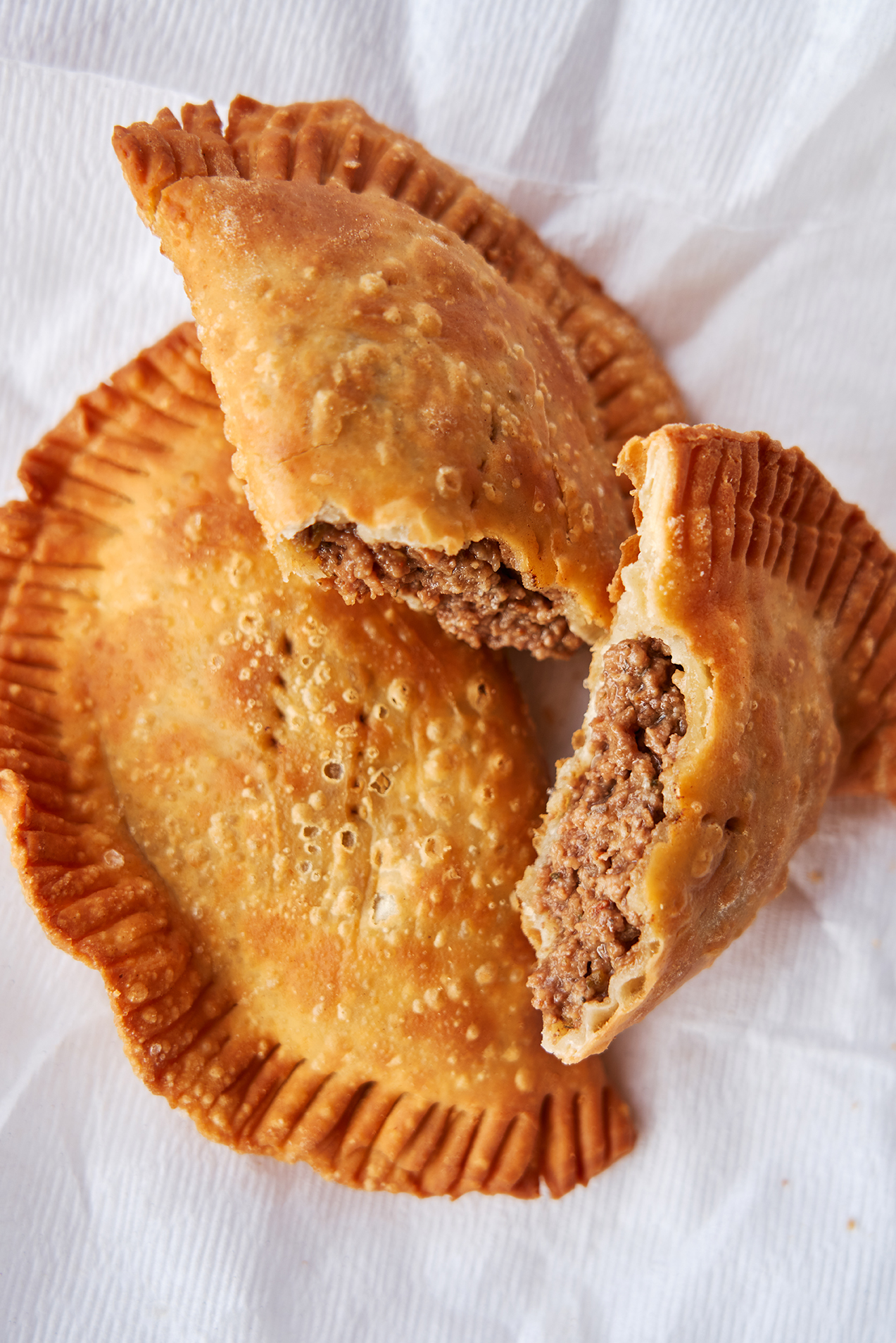
When spring arrives in Louisiana, the air fills with the scent of boiling spices. Crawfish, also known as “mudbugs,” are the stars of the season. A traditional crawfish boil is more than just a meal; it is a major social event. Large pots of water are seasoned with cayenne, lemon, garlic, and proprietary spice blends. Into the pot go sacks of live crawfish, along with corn on the cob, red potatoes, mushrooms, and occasionally smoked sausage. The finished feast is dumped onto newspaper-covered tables, where friends and family gather to peel, eat, and socialize for hours.
Famous Sandwiches and Street Foods
The food culture of Louisiana is not limited to sit-down dinners. Some of its most legendary offerings are meant to be eaten on the go, often found in corner groceries or bustling city markets.
The Po’ Boy: A Laborer’s Legacy
The Po’ Boy is the definitive Louisiana sandwich. Legend has it that it was created during a streetcar strike in New Orleans to feed the “poor boys” on the picket line. The key to a great Po’ Boy is the bread—a French baguette with a crisp, thin crust and a light, airy interior. Popular fillings include fried shrimp, oysters, or catfish, as well as roast beef with debris gravy. When ordering, you will be asked if you want it “dressed,” which means with lettuce, tomatoes, pickles, and mayonnaise.
The Muffuletta: An Italian Influence
In the Lower French Quarter, at places like Central Grocery, you will find the Muffuletta. This massive sandwich was created by Italian immigrants in the early 20th century. It features a round, sesame-seeded loaf piled high with layers of ham, salami, mortadella, provolone, and Swiss cheese. The defining ingredient, however, is the olive salad—a tangy, oily mix of chopped olives, cauliflower, carrots, and celery that soaks into the bread, creating a flavor explosion.
Beignets and Café au Lait
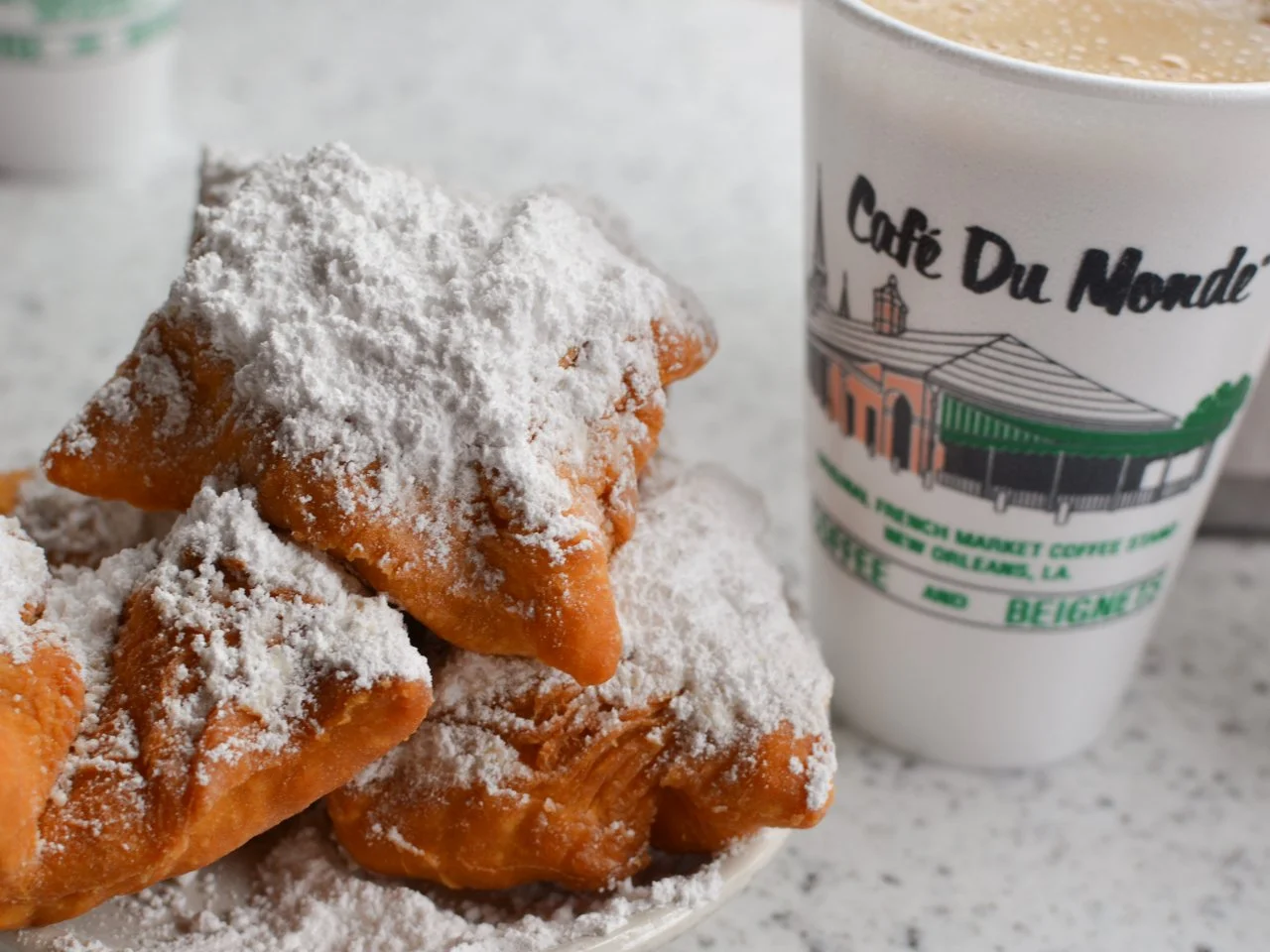
No culinary tour of New Orleans is complete without a stop at Cafe Du Monde for beignets. These square pieces of fried dough are served hot and buried under a mountain of powdered sugar. They are traditionally paired with a café au lait, which is coffee mixed with chicory and steamed milk. The chicory adds a woody, slightly bitter note that perfectly offsets the sweetness of the sugar-dusted dough.
Regional Food Hubs and Culinary Destinations
While you can find great food across the entire state, certain cities have become synonymous with specific culinary experiences.
New Orleans: The Epicenter of Flavor
New Orleans is the undisputed culinary capital of the American South. Visitors flock to the Garden District for high-end Creole dining and to the French Quarter for historic establishments that have been serving the same recipes for over a century. Beyond the famous restaurants, the city’s spirit is found in its neighborhood joints, where red beans and rice are served every Monday as a nod to traditional laundry-day customs.
Lafayette: The Heart of Acadiana
If you want to experience authentic Cajun culture, head to Lafayette. Located in the heart of Lafayette Parish, this city is the gateway to the prairies and bayous where Cajun traditions remain strongest. Here, you can sample boudin—a unique sausage made of pork, rice, and spices—at various “Boudin Stops” along the highway. Lafayette is also the place to find the best Etouffée, a dish of smothered crawfish or shrimp served over rice.
Baton Rouge and the River Parishes
As the state capital, Baton Rouge offers a sophisticated blend of both Cajun and Creole styles. Situated on the Mississippi River, it serves as a bridge between the metropolitan flavors of the south and the more rural influences of the north. The surrounding River Parishes are known for their traditional smokehouses, where andouille sausage and tasso ham are cured using age-old techniques that have been passed down through generations.
The food of Louisiana is more than just sustenance; it is a point of pride and a way of life. Whether it is a bowl of spicy gumbo on a rainy day or a tray of hot beignets on a sunny morning, every bite tells a story of resilience, creativity, and the joy of shared experience. For any traveler, exploring this culinary landscape is the best way to truly understand the heart and soul of the Pelican State.
LifeOutOfTheBox is a participant in the Amazon Services LLC Associates Program, an affiliate advertising program designed to provide a means for sites to earn advertising fees by advertising and linking to Amazon.com. Amazon, the Amazon logo, AmazonSupply, and the AmazonSupply logo are trademarks of Amazon.com, Inc. or its affiliates. As an Amazon Associate we earn affiliate commissions from qualifying purchases.