
When travelers descend upon Minneapolis, they often arrive with expectations shaped by the city’s reputation for harsh winters and friendly locals. However, beneath the frost of the Upper Midwest, there lies a culinary landscape that is as robust and hearty as the people who call Minnesota home. The food culture here is not just about survival in the cold; it is a sophisticated blend of Scandinavian heritage, agricultural abundance, and a modern, chef-driven push toward innovation. From world-renowned cheese-filled burgers to innovative Nordic-inspired fine dining, the city offers a flavor profile that is uniquely its own.
The Iconic Juicy Lucy: A Minneapolis Institution
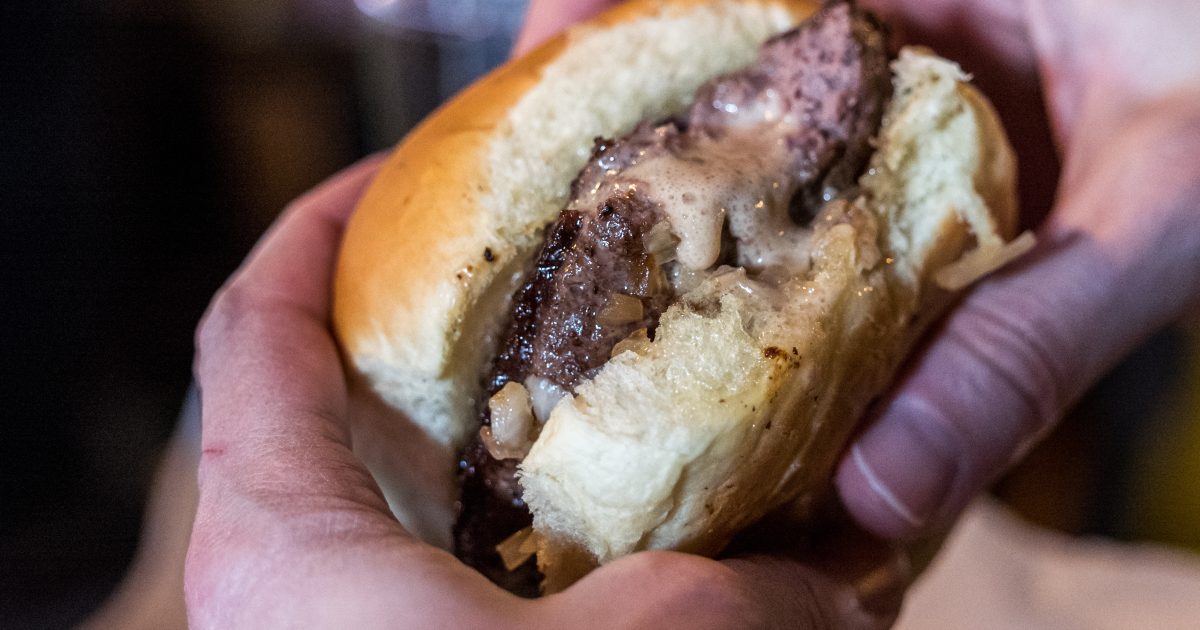
No discussion of Minneapolis cuisine can begin anywhere other than the legendary Juicy Lucy. This burger is the quintessence of local comfort food—a thick, grilled patty with a molten core of melted American cheese hidden inside the meat itself.
The Great Debate: Matt’s Bar vs. The 5-8 Club
The origin story of the Juicy Lucy is a storied rivalry between two local institutions. Matt’s Bar famously spells it “Jucy Lucy,” a tradition born from a typo in their early days that has since become their trademark. Fans of the spot argue that their version offers the most authentic, no-frills experience, often paired with a basket of crinkle-cut fries. Across town, The 5-8 Club claims they perfected the art of the stuffed burger first. Their version is slightly more polished in presentation, yet equally dangerous if bitten into before the cheese has had a moment to cool. To truly understand the soul of Minneapolis food culture, one must visit both and decide for themselves which establishment holds the crown.
A Cultural Phenomenon
The Juicy Lucy has transcended the status of a simple meal; it is a rite of passage. It represents the “Midwestern nice” approach to hospitality—unpretentious, generous, and fundamentally comforting. While other cities have attempted to replicate the stuffed burger, none manage to capture the specific alchemy of high-quality beef and processed cheese that makes a Minneapolis Lucy an icon.
Nordic Roots and Modern Interpretations
While the burger might be the city’s most famous export, the foundation of the local palate is firmly rooted in the Scandinavian history of the Twin Cities. Nordic culinary traditions, once relegated to church basements and family kitchens, have seen a massive revival in the last decade, transformed by local chefs into high-end dining experiences.
The Rebirth of Lefse and Lutefisk
Traditionally, immigrants brought staples like Lefse—a soft, thin potato flatbread—and Lutefisk, a dried whitefish treated with lye. While lutefisk remains a divisive dish reserved for specific holiday celebrations, the modern take on Nordic cuisine has moved toward using locally sourced ingredients like lingonberries, pike, and root vegetables. Modern restaurants have pivoted to emphasize the clean, preservation-focused techniques of the Nordic kitchen, elevating them for a contemporary audience.
Modern Fine Dining in the North
Establishments throughout the city now focus on foraging and seasonal eating, a nod to the natural abundance of the Great Lakes region. This evolution has made the local food scene a destination for critics and foodies alike. By blending these historic flavors with modern techniques, the city has successfully redefined what North American heritage cuisine can look like in the 21st century.
The Tater Tot Hotdish: The Ultimate Comfort Food
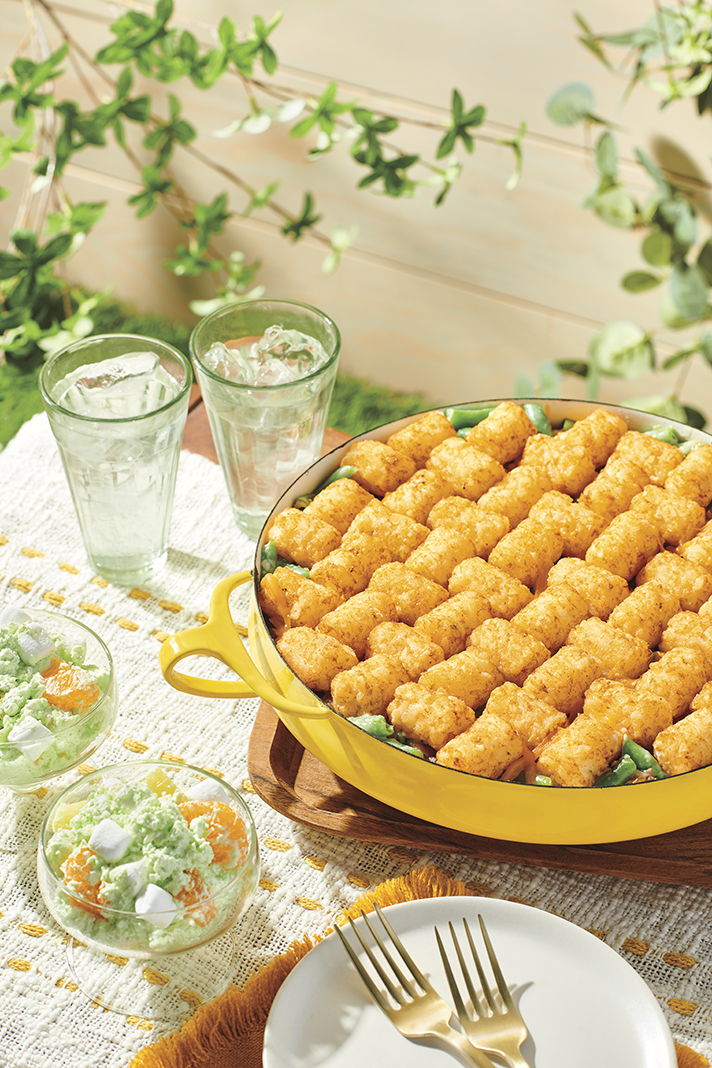
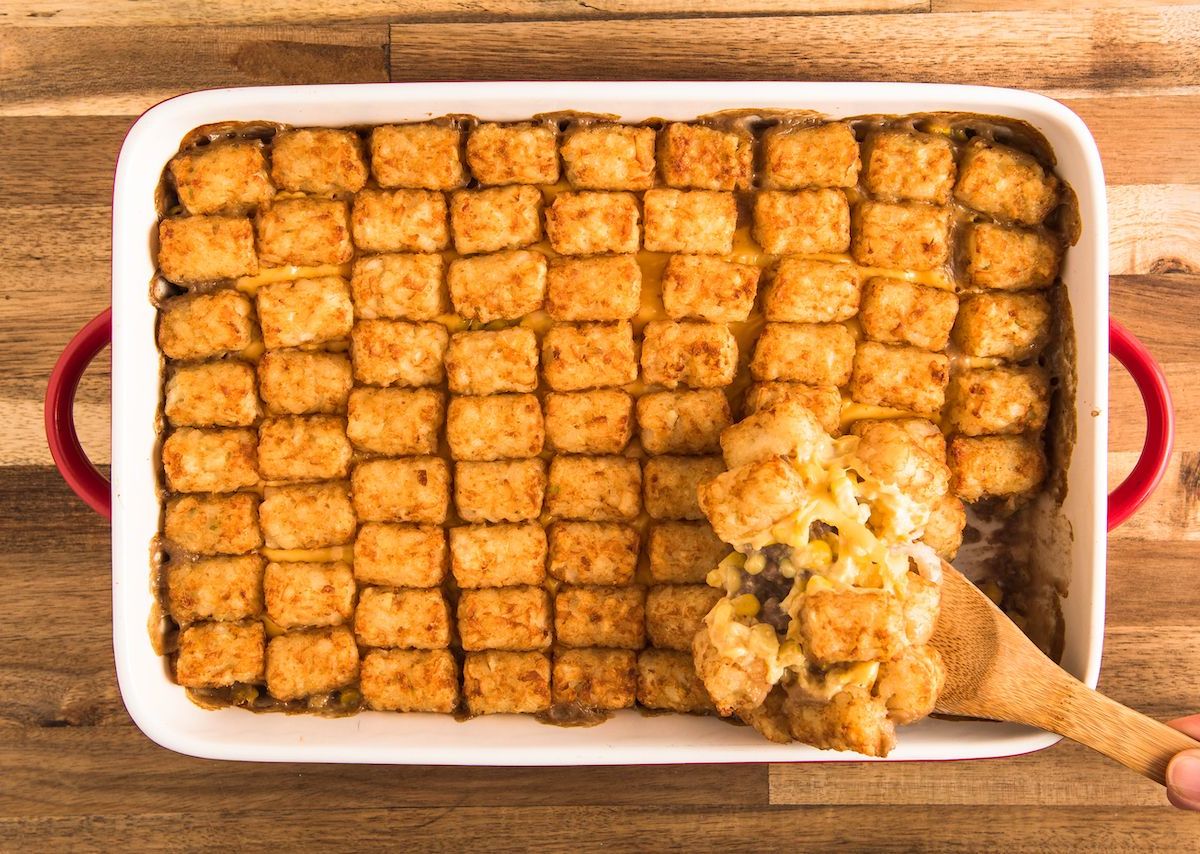
If the Juicy Lucy is the king of local restaurant food, the Tater Tot Hotdish is the undisputed queen of the home kitchen. A quintessential United States comfort dish, the hotdish is a casserole consisting of ground meat, canned vegetables, and a creamy soup base, all topped with a crispy layer of frozen tater tots.
A Staple of Social Gatherings
You will find this dish at every church potluck, funeral, and family reunion across Hennepin County. It is the definition of communal eating. It is inexpensive, easy to prepare in large quantities, and provides the necessary caloric density to navigate the long, freezing winters of the Midwest.
Elevating the Casserole
In recent years, the hotdish has moved from the home kitchen to the restaurant menu. Several high-end gastropubs have begun offering “elevated” versions of the classic. These updates often swap the canned soup for house-made velouté, incorporate wild game such as venison or bison, and use artisanal cheeses. It serves as a reminder that in Minneapolis, even the most humble food has a seat at the table.
The Local Influence: Wild Rice and Walleye
To understand the ingredients that define the region, one must look at the natural landscape of the state. Minneapolis serves as the urban hub for a region rich in freshwater fish and wild-harvested grains.
Walleye: The State Fish
Walleye is not just a menu item; it is the state fish of Minnesota and a point of regional pride. Often served pan-fried in a simple butter crust or breaded with cornmeal, the delicate, flaky texture of the fish is best enjoyed in its simplest form. It is the premier meal during the summer months, often eaten at lake cabins, but consistently found on the menus of the finest seafood-focused restaurants in the city.
Wild Rice: The Ancient Grain
Wild Rice, actually an aquatic grass, has been harvested by the Ojibwe people for centuries in the northern reaches of the state. It is nutty, chewy, and incredibly nutritious. In Minneapolis, it is often incorporated into creamy soups—most notably Minnesota Wild Rice Soup, which typically features shredded turkey or chicken, carrots, celery, and a rich, savory broth. It is perhaps the most representative “tasting” note of the region: earthy, wholesome, and deeply satisfying.
The Evolving Culinary Frontier
Beyond the staples, the city’s culinary reputation is bolstered by a diverse, thriving restaurant scene that continues to draw international attention.
A Melting Pot of Flavors
The cultural diversity of the city has infused the local dining scene with a wide range of international influences. The influence of Vietnamese cuisine, particularly in the Eat Street corridor, has created a unique blend of flavors. The presence of authentic Mexican street food stands, Somali bakeries, and high-end French bistros ensures that while the city honors its roots, it is never stagnant.
Why Minneapolis Matters
The food culture here is a reflection of the city’s character. It is a place that celebrates its past through preserved recipes and local ingredients, yet it remains open to change. Whether you are grabbing a quick burger at a hole-in-the-wall joint or enjoying a multi-course tasting menu in a refurbished warehouse, the food in this city is a testament to the resilience and creativity of its inhabitants. Minneapolis has earned its place on the map, not by chasing trends, but by staying true to its own delicious, hearty, and welcoming culinary identity.
LifeOutOfTheBox is a participant in the Amazon Services LLC Associates Program, an affiliate advertising program designed to provide a means for sites to earn advertising fees by advertising and linking to Amazon.com. Amazon, the Amazon logo, AmazonSupply, and the AmazonSupply logo are trademarks of Amazon.com, Inc. or its affiliates. As an Amazon Associate we earn affiliate commissions from qualifying purchases.