
Texas, the Lone Star State, is a land of vast landscapes, rich history, and an even richer culinary scene. More than just a place on the map, it’s a vibrant tapestry woven from diverse cultures—Native American, Spanish, Mexican, German, Czech, African American, and Southern American influences have all left an indelible mark on its flavors. For any traveler exploring this immense state, delving into its food is not merely about sustenance; it’s an immersive journey into the heart of its identity, a critical part of understanding its local culture and experiencing its unique lifestyle. From bustling metropolitan centers like Houston and Dallas to charming small towns steeped in tradition, the food of Texas offers an authentic taste of its heritage and hospitality.
The reputation of Texas food often precedes it, primarily dominated by the legendary duo of barbecue and Tex-Mex. However, to confine Texas cuisine to just these two categories would be a disservice to its incredible depth and variety. The state boasts an array of dishes, from hearty comfort foods that speak to its Southern roots to unique sweet treats influenced by European immigrants. Understanding what foods Texas is famous for means exploring these iconic dishes, their origins, and the best places to savor them—whether you’re embarking on a road trip through its diverse regions or simply seeking out an unforgettable dining experience in one of its renowned culinary destinations. For those planning a trip, food becomes a primary attraction, guiding itineraries and shaping memorable experiences, much like visiting famous landmarks or luxurious resorts.
The Kings of Texas Cuisine: BBQ and Tex-Mex
The gastronomic soul of Texas undeniably resides in two powerful culinary traditions: barbecue and Tex-Mex. These aren’t just meals; they are institutions, cultural touchstones that unite Texans and captivate visitors from around the globe. They represent the fusion of pioneering spirit, agricultural bounty, and cross-cultural exchange that has defined the state for centuries.
The Art of Texas Barbecue
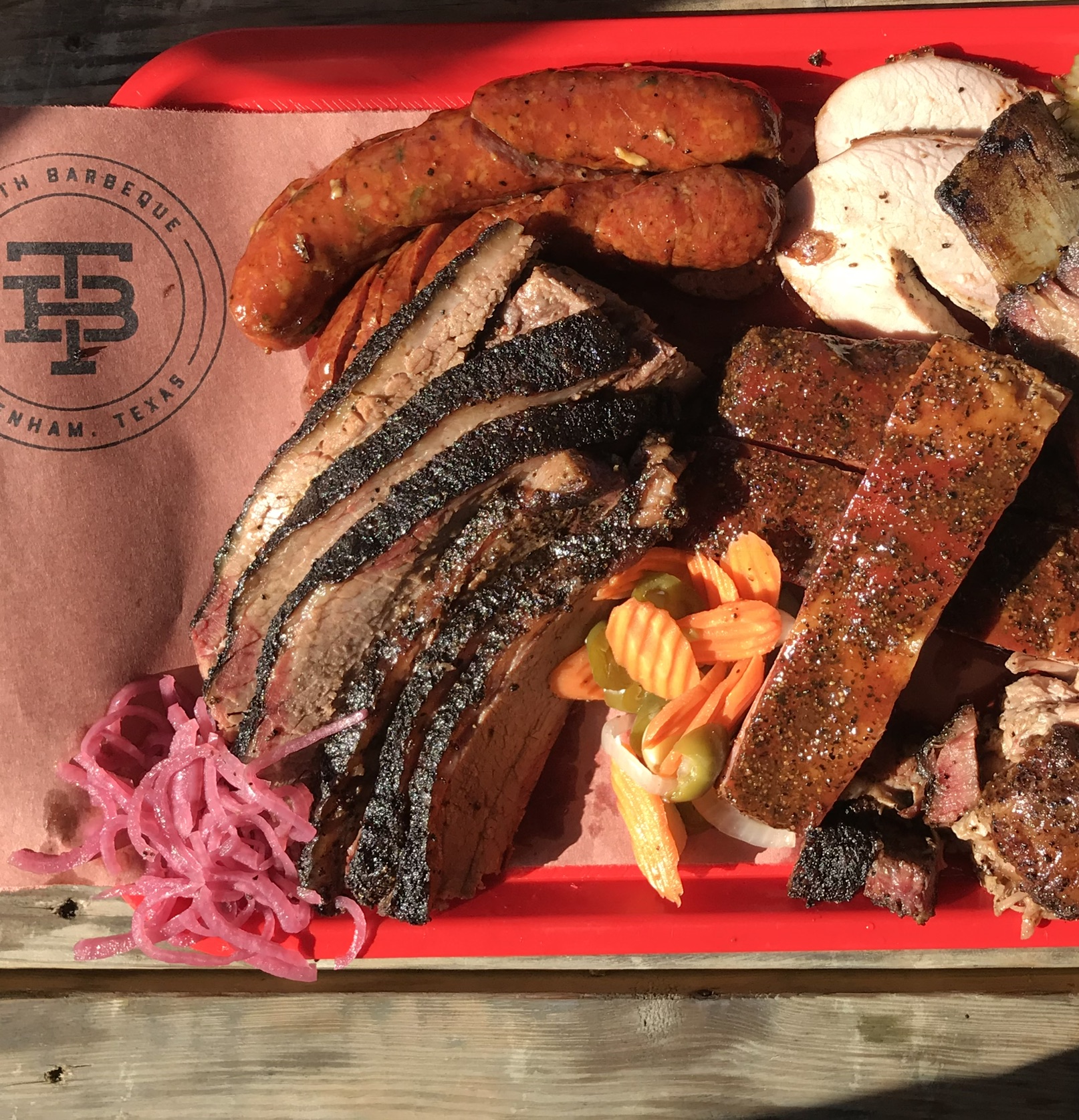
Texas barbecue is not just a cooking method; it’s a religion for many, an intricate craft passed down through generations. While other states boast their own BBQ styles, Texas stands out for its fierce devotion to smoked meats, particularly beef brisket. The history of Texas barbecue is deeply intertwined with German and Czech butchers who immigrated to the state in the 19th century, bringing with them traditions of smoking meats, which eventually merged with Mexican methods of cooking with mesquite and the Southern practice of slow-cooking over pits.
The defining characteristic of Texas barbecue is simplicity and quality. It’s often about the meat itself, seasoned minimally with salt and black pepper, and slow-smoked for hours over indirect heat using hardwoods like post oak. The result is a tender, smoky masterpiece with a distinct bark and melt-in-your-mouth fat.
There are generally considered to be four main regional styles of Texas barbecue, each offering a slightly different nuance:
- Central Texas Barbecue: This is arguably the most famous style, originating from German and Czech butcher shops. It emphasizes minimalist seasoning and slow smoking over indirect heat, usually post oak. Brisket is king here, sliced to order and often served on butcher paper with no sauce (or sauce on the side). Legendary towns like Lockhart, often proclaimed the “Barbecue Capital of Texas,” are home to iconic establishments such as Kreuz Market, Smitty’s Market, and Black’s Barbecue. Luling and Taylor also boast acclaimed spots. In Austin, places like Franklin Barbecue have achieved legendary status, with lines forming hours before opening.
- East Texas Barbecue: Influenced by the Southern tradition, this style often involves slow-cooked pork and beef, falling off the bone, heavily sauced, and often shredded or chopped. It’s typically sweeter and tangier, with robust sauces that penetrate the meat.
- South Texas Barbecue: This style leans heavily into the Mexican tradition of barbacoa, where entire cuts of beef (traditionally cow’s head) are slow-cooked in underground pits until incredibly tender. It also features influences from mesquite grilling.
- West Texas Barbecue: Often associated with open-pit cooking directly over mesquite wood, giving the meat a more intense smoky flavor. It’s rugged and rustic, mirroring the landscape of the region.
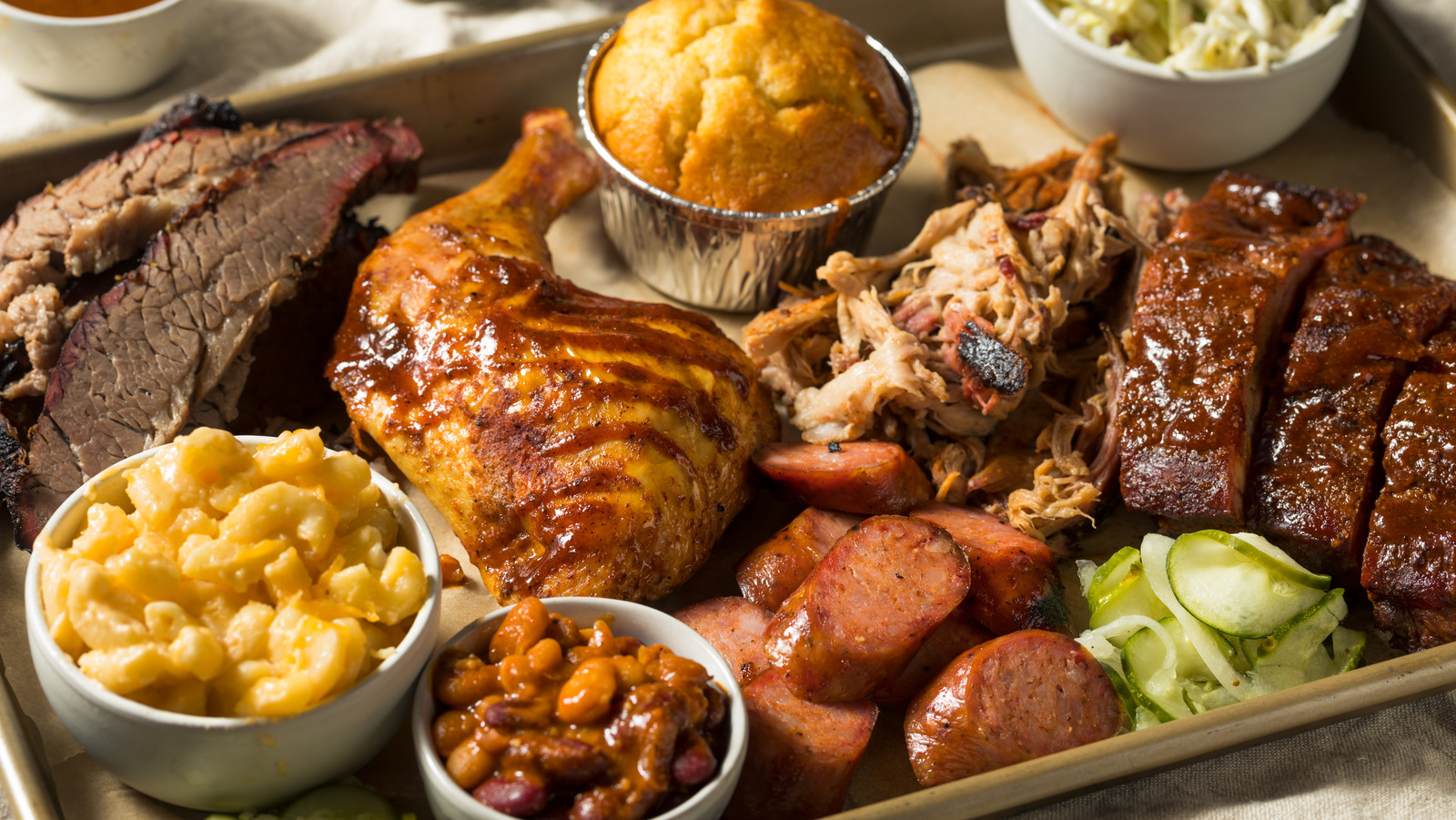
When you visit a Texas BBQ joint, you’ll find more than just brisket. Ribs (beef and pork), sausage (often house-made, like German-style hot guts), and turkey are also popular. Sides usually include potato salad, coleslaw, pinto beans, and white bread or cornbread. For travelers, a Texas BBQ tour is a quintessential experience, an essential part of any guide to the state’s culinary attractions.
Sizzling Tex-Mex Delights
If barbecue represents the heartland, Tex-Mex embodies the vibrant confluence of cultures along the border. Tex-Mex cuisine is not simply Mexican food made in Texas; it is a distinct culinary tradition, born from the fusion of indigenous Coahuiltecan, Spanish, Mexican, and Anglo-American influences that have shaped South Texas for centuries. It’s characterized by its generous use of melted cheese, beef, cumin, and wheat flour tortillas, distinguishing it from the corn tortilla-dominant, fresher, and often spicier regional cuisines of Mexico itself.
Iconic Tex-Mex dishes are beloved across the state and beyond:
- Fajitas: A dish whose popularity exploded in the mid-20th century. Originally utilizing skirt steak (faja in Spanish), a less desirable cut of beef, it involves strips of marinated and grilled meat, served sizzling on a cast-iron platter, accompanied by warm tortillas, grilled onions, peppers, guacamole, sour cream, and pico de gallo.
- Enchiladas: Corn tortillas rolled around various fillings (cheese, beef, chicken) and smothered in chili gravy, a rich, savory sauce often made with chili powder, cumin, and a roux, then baked until bubbly with melted cheese on top.
- Tacos: While tacos exist in countless forms, Tex-Mex tacos often feature seasoned ground beef, shredded chicken, or carne guisada (beef stew), served in crispy corn shells or soft flour tortillas, topped with lettuce, tomato, and copious amounts of shredded cheddar cheese.
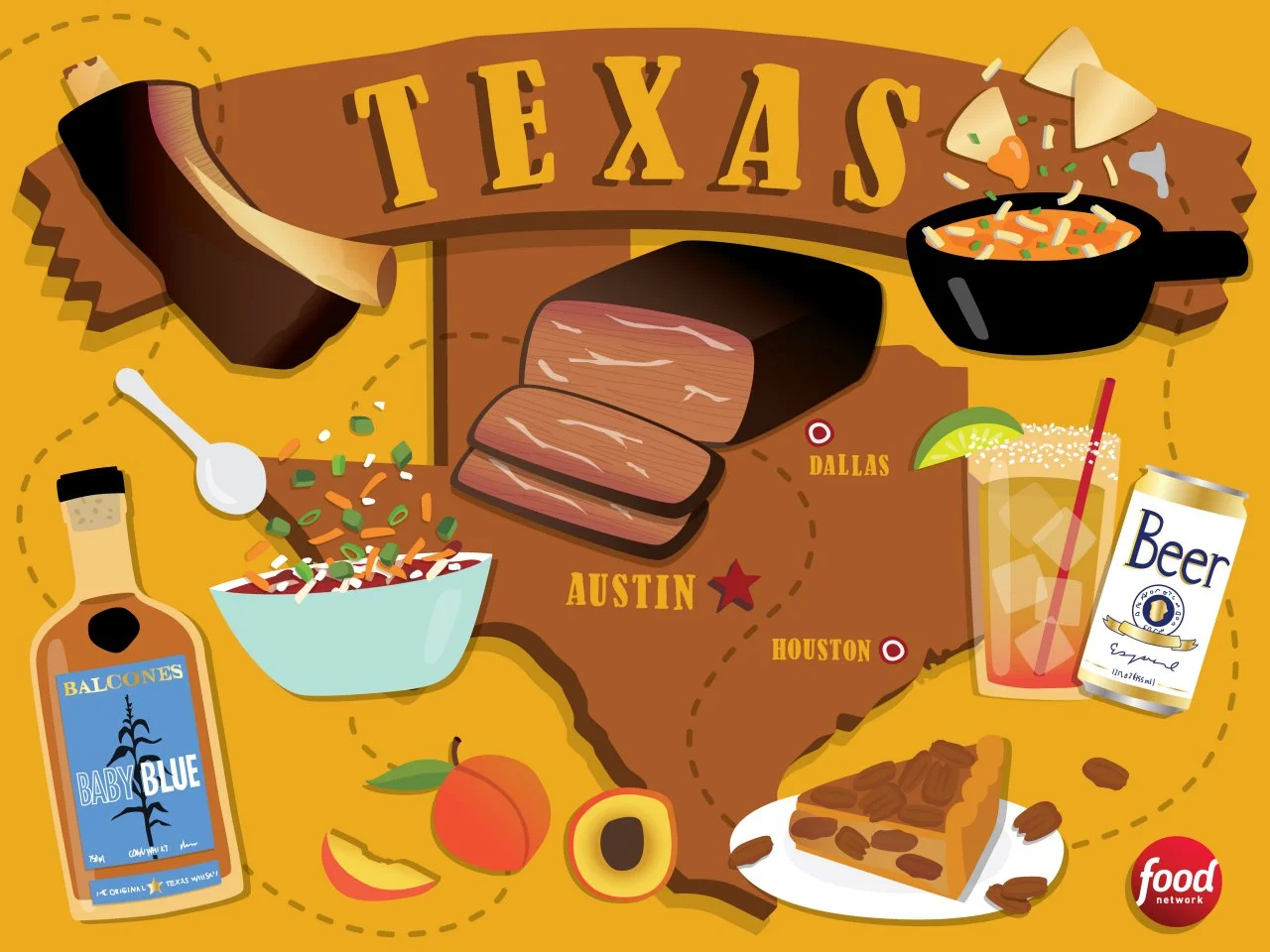
- Chili con Carne: The official state dish of Texas, often simply called “chili.” This robust stew of meat (typically beef, diced or ground) and chili powder, often without beans or tomatoes in its purist form, dates back to the chuck wagons and chili queens of San Antonio. It’s a staple that has spawned countless cook-offs and fierce debates over its proper preparation.
- Queso: A creamy, melted cheese dip, typically made with processed cheese (like Velveeta), Rotel tomatoes and chilies, and often ground beef or chorizo. It’s an omnipresent appetizer, often served with tortilla chips, found in almost every Tex-Mex restaurant.
- Nachos: While often attributed to Mexico, the specific style of nachos with melted cheese, jalapeños, and other toppings on tortilla chips is a Tex-Mex staple.
Cities like San Antonio, with its historic River Walk and vibrant Market Square, are considered epicenters of Tex-Mex cuisine, offering a plethora of restaurants from casual cantinas to upscale dining experiences. Houston and Dallas also boast extensive Tex-Mex scenes, with innovative chefs constantly refining and celebrating this beloved style.
Hearty Comforts and Unique Texas Staples
Beyond the foundational pillars of BBQ and Tex-Mex, Texas’s culinary landscape is rich with comfort foods and unique local favorites that tell another story of its diverse heritage and resourcefulness. These dishes embody the warmth of Southern hospitality, the ingenuity of immigrant communities, and the bounty of the land.
The Unmistakable Chicken Fried Steak
For many, the ultimate Texas comfort food is the Chicken Fried Steak. It’s a dish so beloved, it’s practically a state symbol, found on menus from humble diners to upscale bistros. Despite its name, there’s no chicken involved; it refers to the cooking method, similar to Southern fried chicken. A tenderized cut of beef, usually cube steak, is breaded and pan-fried until golden brown and crispy, then smothered in a rich, creamy white gravy, often flecked with black pepper.
The origins of Chicken Fried Steak are debated but often traced back to German immigrants in Central Texas, who brought with them their love for Wiener Schnitzel. Over time, it evolved, substituting readily available beef for veal and incorporating Southern frying techniques and gravy traditions. It’s typically served with mashed potatoes, green beans, or corn, making for a substantial and satisfying meal that reflects the state’s hearty appetite and no-frills approach to good food. Every Texan has their favorite spot for a perfect Chicken Fried Steak, making it a must-try for any visitor looking to experience authentic local flavor.
Beyond the Mains: Iconic Snacks and Sweets
Texas cuisine extends well beyond main courses, offering a delightful array of snacks and desserts that are equally iconic and representative of its diverse influences.
- Pecan Pie: Declared the official state pie of Texas, pecan pie is a sweet, gooey, and nutty dessert that holds a special place in the hearts of Texans. Given that Texas is a major pecan producer, it’s no surprise this pie is a staple, especially around holidays. Made with a rich filling of corn syrup, eggs, butter, and pecans, often with a hint of vanilla or bourbon, it’s typically baked in a flaky pie crust and served warm, sometimes with a scoop of vanilla ice cream or a dollop of whipped cream. Towns like San Saba are known as “The Pecan Capital of the World,” highlighting the deep connection of this nut to the state’s agricultural heritage.
- Kolaches: A direct legacy of Czech immigration to Texas in the 19th century, kolaches are sweet pastries, traditionally round and filled with fruit preserves (like prune, apricot, or poppy seed) or sweet cheese. Over time, a savory version, often filled with sausage and cheese (sometimes called “klobasniky”), has also become incredibly popular, especially for breakfast or a quick snack. These delightful pastries can be found in bakeries throughout the state, particularly in towns like West, which proudly celebrates its Czech heritage with annual festivals.
- Breakfast Tacos: While the concept of a breakfast burrito is common across the United States, the breakfast taco is a distinctly Texan phenomenon, particularly beloved in Austin and San Antonio. A soft flour or corn tortilla is filled with an assortment of breakfast items: scrambled eggs, cheese, potatoes, bacon, sausage, chorizo, and refried beans, often accompanied by salsa. They are a quick, delicious, and ubiquitous start to the day, reflecting the casual and communal nature of Texan food culture.
- Dr Pepper: While not a food, this iconic soft drink is a proud Texas invention. Created in Waco in 1885, predating Coca-Cola, Dr Pepper is known for its unique blend of 23 flavors. It’s a beverage deeply embedded in Texas culture, often enjoyed alongside barbecue or as a refreshing treat. The Dr Pepper Museum in Waco is a popular tourist attraction for enthusiasts.
- Fried Okra: A classic Southern side dish that is equally popular in Texas. Fresh okra pods are sliced, breaded in cornmeal, and deep-fried until golden brown and crispy, offering a delightful crunch and earthy flavor.
- Cornbread: Another Southern staple that finds its place on Texas tables, often served with chili or barbecue. It can be sweet or savory, baked in a skillet, and offers a comforting, rustic accompaniment to many meals.
These unique staples highlight the incredible diversity of Texas’s culinary identity, demonstrating how different cultures and traditions have converged to create a truly unique and irresistible food landscape.
Embarking on a Texas Culinary Journey
For the avid traveler, a trip to Texas is incomplete without a deliberate exploration of its food. The state’s culinary scene is an attraction in itself, offering authentic experiences that go far beyond what a typical restaurant guide might suggest. It’s an adventure that combines the thrill of discovery with the pleasure of taste, seamlessly blending into themes of travel, local culture, and unique experiences.
To truly savor the flavors of Texas, consider structuring your travel plans around its food hotbeds. A barbecue trail through Central Texas, hitting legendary towns like Lockhart, Luling, and Taylor, offers a profound insight into a deeply cherished craft. Each stop isn’t just a meal; it’s an encounter with history and a connection to generational traditions. Similarly, exploring the Tex-Mex establishments in San Antonio or navigating the innovative culinary landscapes of Houston and Dallas provides a vibrant taste of the state’s urban food culture, where traditional recipes meet modern interpretations.
Food festivals abound across Texas, offering incredible opportunities to sample a wide array of dishes in a celebratory atmosphere. From chili cook-offs that draw passionate competitors to oyster festivals along the Gulf Coast and kolache festivals celebrating Czech heritage, these events are not just about food; they are vibrant showcases of local community and culture. Attending one of these festivals can be a highlight of any trip, providing a festive backdrop to your culinary explorations.
Beyond specific dishes, the experience of dining in Texas is often part of the appeal. From no-frills roadside BBQ shacks where you eat off butcher paper to bustling family-owned Tex-Mex cantinas with mariachi bands, each setting adds to the story of the food. Many establishments have become landmarks in their own right, drawing visitors not only for their fare but also for their history and unique ambiance.
When planning your trip, consider how food experiences can integrate with other attractions. After exploring the historic Alamo or strolling along the San Antonio River Walk, indulging in authentic Tex-Mex feels like a natural extension of understanding the city’s heritage. A day of hiking in Big Bend National Park can be perfectly capped with a hearty Chicken Fried Steak, epitomizing the rugged yet comforting spirit of Texas. Whether you are looking for luxury travel dining experiences or budget-friendly local eats, Texas offers a spectrum of choices to suit every palate and travel style.
In conclusion, Texas is a culinary powerhouse, a state where every bite tells a story. Its famous foods are a testament to its rich history, diverse cultural tapestry, and unwavering passion for bold, flavorful dishes. From the smoky allure of barbecue and the cheesy comfort of Tex-Mex to the sweet embrace of pecan pie and the hearty satisfaction of chicken fried steak, the food of Texas is an adventure waiting to be savored. For any traveler, exploring this dynamic culinary landscape is an essential part of experiencing the true spirit of the Lone Star State.
LifeOutOfTheBox is a participant in the Amazon Services LLC Associates Program, an affiliate advertising program designed to provide a means for sites to earn advertising fees by advertising and linking to Amazon.com. Amazon, the Amazon logo, AmazonSupply, and the AmazonSupply logo are trademarks of Amazon.com, Inc. or its affiliates. As an Amazon Associate we earn affiliate commissions from qualifying purchases.