
Navigating the administrative aspects of vehicle ownership in the Sunshine State can sometimes feel like deciphering a treasure map. For those who have sold a vehicle, moved, or no longer wish to register a particular plate, understanding the correct procedure for surrendering or transferring a Florida license plate is crucial. This process often involves mailing specific forms to the Florida Department of Highway Safety and Motor Vehicles (FLHSMV). This guide will demystify which forms are necessary and how to ensure your documentation is correctly submitted, providing peace of mind and avoiding potential penalties.

Understanding License Plate Surrender and Transfer
Before delving into specific forms, it’s important to clarify when and why you might need to mail back your Florida license plate. The primary reasons include:
- Vehicle Sale: When you sell a vehicle, the license plate typically stays with the seller, not the vehicle. You will need to surrender the plate to the FLHSMV or transfer it to a new vehicle.
- Vehicle Decommissioning: If a vehicle is being scrapped, permanently retired from use, or is a total loss due to an accident, the license plate should be surrendered.
- Relocation: If you are moving out of Florida and no longer own a vehicle registered in the state, you may choose to surrender your plates.
- Plate Not in Use: If you have a plate that is not currently attached to a registered vehicle and you do not intend to use it in the future, surrendering it is a good practice to avoid potential issues.
The Distinction Between Surrender and Transfer
It’s vital to differentiate between surrendering a plate and transferring it.
- Surrendering means permanently relinquishing the plate and its associated registration to the FLHSMV. This action typically cancels the registration and stops future renewal fees.
- Transferring means moving the existing plate and its registration from one vehicle to another vehicle you own, or to a new owner if specified by Florida law. This usually requires completing a different set of procedures and forms.
This article focuses specifically on the process of mailing forms for license plate surrender. If you are looking to transfer a plate, the requirements and forms may differ.
Key Forms for Mailing Your Florida License Plate
When the FLHSMV requires or allows for the mailing of license plates or related documentation, specific forms are typically involved. The most common scenario requiring a mailed form is when you need to officially surrender your plate without physically mailing the plate itself.
Form HSMV 82050: Notice of Sale or Transfer of a Salvage Vehicle
While this form is primarily for the sale or transfer of a salvage vehicle, it plays a role in the context of license plates, particularly when a vehicle is being declared a total loss or has been salvaged. In some instances, if the owner is surrendering the plate due to a salvage event, this form might be part of the documentation provided to the FLHSMV. However, for a general surrender of a plate when selling a non-salvage vehicle or decommissioning it, this is typically not the form you will mail.
Form HSMV 83363: Application for a Confidentiality of Personal Information
This form is related to privacy concerns for specific individuals, such as law enforcement officers or certain victims of domestic violence. It’s not directly related to the act of surrendering a license plate but rather to protecting personal information on vehicle registration records. Therefore, it’s not the form you’d mail to surrender a plate.
The Standard Procedure: Surrendering Without Mailing the Plate Itself
In most cases, you do not need to physically mail the license plate itself to the FLHSMV. Instead, the crucial step is to officially notify the department that the plate is no longer in use and its associated registration should be canceled. This is often achieved by submitting a form that serves as an official record of this action.
The most direct way to achieve this through mail involves specific instructions that may be provided by the FLHSMV or your local county tax collector’s office. Often, the process is initiated by visiting a local county tax collector’s office, but if circumstances prevent this, mailing is sometimes an alternative.
When You Might Mail a Plate (Rare Circumstances)
There are rare circumstances where you might be instructed to mail the physical license plate. This could occur if:
- You are instructed by a specific FLHSMV representative or local office to do so due to unique circumstances.
- You are surrendering plates from a deceased individual’s estate, and the executor has been advised to mail them.
- You have moved out of state and are unable to surrender the plates in person or through the standard mail-in notification process.
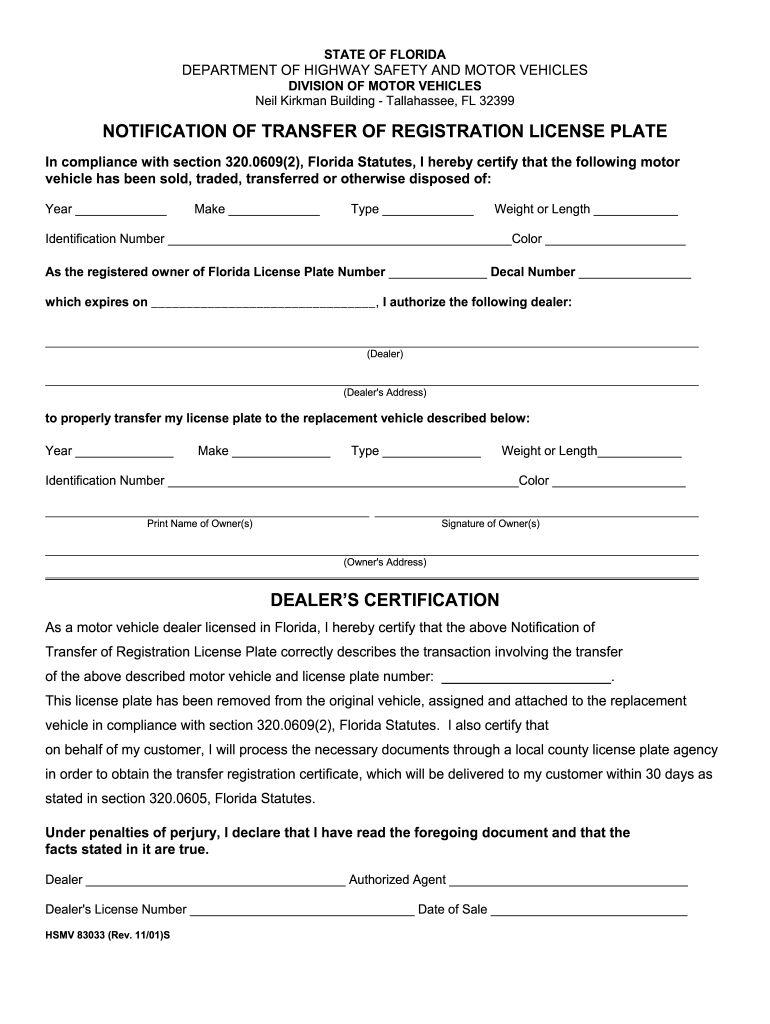
If you are instructed to mail the physical plate, it is imperative to include a clear, written statement indicating that you are surrendering the plate and providing your full name, address, and the license plate number. You should also include any relevant vehicle information, such as the Vehicle Identification Number (VIN). The FLHSMV will provide specific instructions on where to mail the plate. Always use a trackable shipping method.
The Importance of Correctly Surrendering Your License Plate
Failing to properly surrender your license plate can lead to ongoing responsibilities and potential financial repercussions.
Avoiding Unnecessary Renewal Fees
Once a license plate is issued, its registration is tied to it. If you sell a vehicle and do not surrender the plate or transfer it to a new vehicle, you may continue to receive renewal notices and be responsible for fees. Properly surrendering the plate officially cancels the registration, stopping these charges.
Preventing Liability for Violations
If the plate remains active and is somehow involved in a traffic violation, parking ticket, or other infraction, the responsibility can be traced back to you as the registered owner. Surrendering the plate severs this connection and protects you from liability for any future incidents involving that plate.
Ensuring Compliance with Florida Law
Florida law requires that license plates be properly accounted for. Not surrendering a plate when it should be, or failing to notify the FLHSMV of a sale or transfer, can lead to complications during future vehicle registrations or driver’s license renewals.
How to Initiate the Mailing Process
While many Florida counties strongly encourage or require in-person visits to a county tax collector’s office for license plate surrenders, there are avenues for those who cannot visit.
Contacting Your Local County Tax Collector’s Office
The most accurate and up-to-date information regarding mailing procedures will come directly from your local Florida county tax collector’s office. Each county may have slightly different administrative processes, especially concerning remote surrenders.
- Locate Your Office: You can find a list of Florida county tax collector offices on the FLHSMV website.
- Inquire About Mail-In Options: Contact the office by phone or through their official website to ask about their specific policy for surrendering a license plate via mail. They will inform you if it’s permissible and what specific documentation or forms are required.
What to Expect When Mailing Instructions Are Provided
If your county tax collector’s office advises or permits mailing, they will typically guide you through the following:
- Documentation: They will inform you of the exact form(s) to complete. Often, a written statement confirming the surrender and providing necessary identification details is sufficient if no specific form is mandated for mail-in surrenders.
- Address: They will provide the correct mailing address for the department or office to which you should send your documents. This might be the county tax collector’s office itself or directly to the FLHSMV.
- Shipping: They will advise on whether to mail the physical plate or just the documentation. If mailing the plate, they will stress the importance of using a trackable service.
Alternative: Online Services (Where Available)
While this article focuses on mailing, it’s worth noting that some Florida county tax collector offices offer online portals for certain services. It’s advisable to check the website of your local county tax collector to see if any plate-related transactions can be completed digitally, which could be a more efficient alternative to mailing.

Conclusion: Ensuring a Smooth Surrender Process
The process of mailing a Florida license plate, or more commonly, the documentation for its surrender, is designed to be straightforward when you have the correct information. The primary form you’ll need is often not a specific surrender form but a clear written declaration, accompanied by the physical plate if instructed, sent to the correct office. Always prioritize contacting your local county tax collector’s office for the most precise guidance tailored to your situation. By understanding these procedures, you can effectively manage your vehicle registration obligations in Florida, avoiding unnecessary fees and legal complications.
LifeOutOfTheBox is a participant in the Amazon Services LLC Associates Program, an affiliate advertising program designed to provide a means for sites to earn advertising fees by advertising and linking to Amazon.com. Amazon, the Amazon logo, AmazonSupply, and the AmazonSupply logo are trademarks of Amazon.com, Inc. or its affiliates. As an Amazon Associate we earn affiliate commissions from qualifying purchases.