
California, often lauded as the Golden State, is synonymous with sunshine, innovation, and an unparalleled agricultural bounty. While its sprawling cities and iconic landmarks draw millions of visitors annually, an equally compelling aspect of California’s identity lies in its fertile lands and the extraordinary array of fruits it produces. For many tourists, understanding the state’s agricultural heritage and sampling its fresh produce offers a profound connection to local culture and an authentic taste of the region.
The question “What fruit is California known for?” might seem simple, yet the answer is as rich and diverse as the state’s landscapes. While one fruit historically dominated its image, California’s modern agricultural prowess spans a vast spectrum, establishing it as a global leader in fruit production. Exploring this fruity legacy is a delicious journey into the heart of California tourism.
California’s Agricultural Abundance: A Feast for the Senses
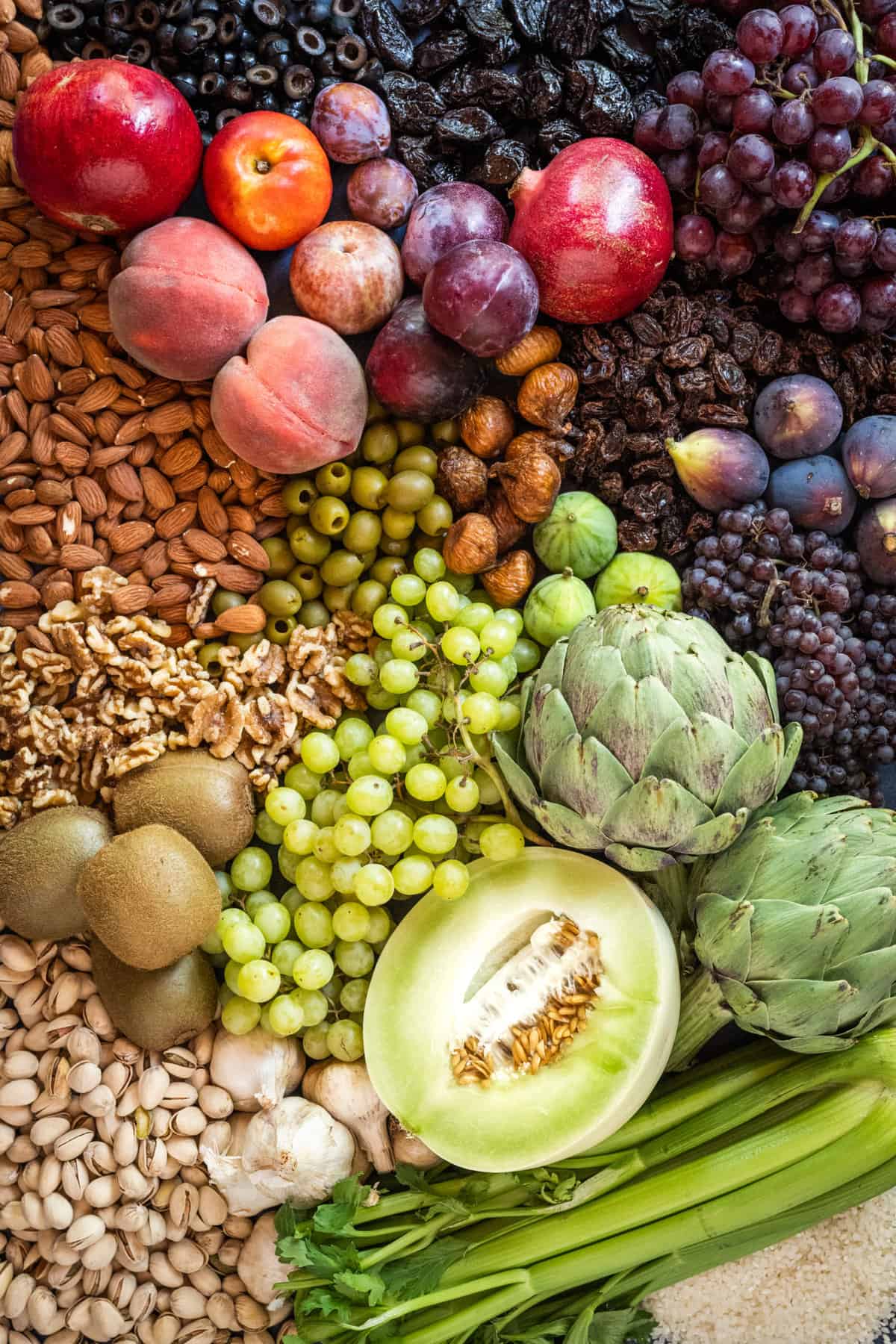
California’s unique geography and climate create an agricultural paradise, allowing it to cultivate over 400 different crops. From the sun-drenched valleys of the south to the cooler coastal regions, the state boasts an extraordinary capacity for growing diverse fruits. This agricultural might isn’t just an economic cornerstone; it’s a fundamental pillar of California’s cultural identity, influencing everything from local cuisine to regional festivals.
The state’s primary agricultural regions, such as the vast Central Valley (comprising the Sacramento and San Joaquin Valley), are literal breadbaskets—or, in this case, fruit baskets—feeding not only the nation but also a significant portion of the world. This abundance provides tourists with countless opportunities to engage with the local food scene, experience farm life, and understand the intricate journey of produce from farm to table.
The Iconic Orange: A Golden Legacy
For decades, if not longer, the quintessential fruit associated with California was undeniably the orange. Images of vast citrus groves stretching to the horizon became emblematic of the Golden State’s promise and prosperity, particularly in Southern California. The orange not only shaped the landscape but also played a crucial role in the state’s economic development and tourism efforts in the early 20th century.
Citrus’s Historical Significance
The introduction of the navel orange to Riverside in 1873 from Brazil marked a turning point. Its seedless nature and easy-to-peel rind made it incredibly popular, leading to a massive expansion of citrus groves across Southern California. Towns like Anaheim and Fullerton became centers of orange production, with the citrus industry driving railroads, packing houses, and associated industries. The citrus crate labels themselves became a vibrant form of folk art, showcasing idyllic Californian scenes and further cementing the orange’s place in the state’s mythos.
While urban development in areas like Los Angeles has reduced the sprawling groves of yesteryear, California remains the leading producer of fresh market oranges in the United States, primarily growing Valencia oranges and Navel oranges. Tourists can still find remnants of this legacy in historical groves and through cultural institutions, tasting the sweet, sun-ripened fruit that once defined the state.
Beyond Citrus: California’s Diverse Fruit Portfolio
While oranges hold a special place in California’s history, the state’s agricultural narrative today is far more complex and varied. California leads the nation, and often the world, in the production of numerous other fruits, each contributing to its unique culinary and cultural tapestry.
Grapes: The Foundation of California Wine
Perhaps no other fruit has reshaped California’s global image in recent decades as much as the grape. The state’s wine industry is world-renowned, with regions like Napa Valley, Sonoma County, and Temecula Valley attracting millions of tourists for vineyard tours, wine tastings, and gourmet dining experiences. From robust Cabernet Sauvignons to crisp Chardonnays, California wines are a testament to the diverse microclimates and innovative viticulture practiced across the state. Beyond wine, California also produces the vast majority of the nation’s table grapes and raisins, making grapes an undeniable heavyweight in its fruit portfolio.
Avocados: The Green Gold of the Golden State
California is synonymous with avocados, producing about 90% of the United States’ crop. The Hass avocado, with its rich, creamy texture, has become a culinary sensation globally, deeply embedded in Californian cuisine—from guacamole to avocado toast. Growing primarily in the coastal regions of Southern California, particularly around San Diego County and Fallbrook, these “green gold” fruits offer tourists opportunities to visit avocado farms, sample freshly made dishes, and even attend local avocado festivals, celebrating their cultural and economic importance.
Strawberries: Sweetness by the Coast
When it comes to berries, California is the undisputed leader in strawberry production, accounting for over 80% of the U.S. crop. Grown predominantly along the cooler coastal belts in areas like Watsonville, Salinas Valley, and Oxnard, these vibrant red berries are a summer staple. Tourists can visit U-pick strawberry farms, enjoy fresh strawberry shortcakes at roadside stands, or simply marvel at the abundance available at farmers’ markets, offering a sweet and quintessential Californian experience.
Dates: Desert Delights
Venture into the arid landscapes of the Coachella Valley near Palm Springs, and you’ll discover another iconic Californian fruit: dates. These sweet, chewy fruits thrive in the intense desert heat, making California the primary producer of dates in North America. Date farms, often open to the public, offer tours where visitors can learn about the intricate cultivation process, sample various date varieties, and enjoy unique date-infused treats like date shakes—a local delicacy not to be missed. The Indio Date Festival is a major cultural event celebrating this desert staple.
Stone Fruits: Peaches, Plums, Nectarines, and Cherries
The Central Valley is particularly prolific in producing stone fruits, including peaches, plums, nectarines, and cherries. California is the top producer of these fruits in the nation, providing a seasonal burst of flavor from spring through summer. Tourists traversing the valley during these months will find abundant farm stands offering incredibly fresh, juicy produce, a testament to the region’s fertile soil and favorable climate.
Experiencing California’s Fruit Culture as a Tourist
For travelers seeking an authentic taste of California, engaging with its fruit culture offers immersive and memorable experiences.
Farmers’ Markets: A Cornucopia of Freshness
One of the easiest and most rewarding ways to dive into California’s fruit scene is by visiting its numerous farmers’ markets. Held weekly in almost every town and city, from bustling San Francisco to quaint coastal villages, these markets are vibrant hubs where local growers sell their seasonal bounty directly to consumers. Beyond just purchasing fruit, visitors can interact with farmers, learn about local agriculture, and sample an incredible array of freshly picked produce, often accompanied by live music and local artisanal goods.
U-Pick Farms: Hands-On Harvesting
For a truly hands-on experience, many farms across California offer “U-pick” opportunities. Whether it’s strawberries in Ventura County, apples in Oak Glen, or blueberries in Mendocino County, picking your own fruit is a family-friendly activity that connects visitors directly to the source of their food. It’s an engaging way to spend an afternoon, resulting in delicious, fresh fruit to take home.
Culinary Tours and Fruit Festivals
Many regions offer specialized culinary tours that focus on fruit. Wine country tours are perhaps the most famous, but tours focusing on olive groves, avocado farms, or even berry patches are increasingly popular. Throughout the year, various communities celebrate their signature fruits with lively festivals. Examples include the California Date Festival in Indio, the Carpinteria Avocado Festival in Carpinteria, and numerous strawberry festivals. These events offer a fantastic insight into local culture, featuring food stalls, cooking demonstrations, live entertainment, and plenty of opportunities to taste and celebrate the harvest.

Tips for Savoring California’s Fruity Bounty
To truly embrace California’s fruit culture, consider these tips:
- Go Seasonal: Pay attention to what’s in season. Freshly picked, seasonal fruit will always offer the best flavor and support local agriculture. A quick online search for “California fruit seasonality chart” can be very helpful.
- Visit a Farmers’ Market: Make a farmers’ market a priority on your itinerary. It’s not just for shopping; it’s a social and cultural event.
- Explore Rural Routes: Drive along scenic backroads, especially through agricultural regions. You’ll often discover roadside stands selling hyper-local, fresh produce.
- Try Local Specialties: Don’t just stick to what you know. Sample unique fruit varieties or regional specialties like date shakes in the desert or olallieberries along the coast.
- Engage with Growers: Don’t hesitate to ask farmers about their produce, growing methods, and recommendations. Their passion is contagious.
Ultimately, while the orange may hold a nostalgic place in California’s history, the state is renowned for an incredible diversity of fruits today. For tourists, delving into this rich agricultural heritage offers not just delicious flavors but also a deeper connection to the land, its people, and the vibrant local culture that makes California such a captivating destination. From the vineyards of Napa to the strawberry fields of Watsonville and the date palms of Coachella, the fruit of California truly represents a golden harvest, waiting to be explored and savored.
LifeOutOfTheBox is a participant in the Amazon Services LLC Associates Program, an affiliate advertising program designed to provide a means for sites to earn advertising fees by advertising and linking to Amazon.com. Amazon, the Amazon logo, AmazonSupply, and the AmazonSupply logo are trademarks of Amazon.com, Inc. or its affiliates. As an Amazon Associate we earn affiliate commissions from qualifying purchases.