
Florida, often affectionately dubbed the “Sunshine State,” evokes images of pristine beaches, theme parks, and vibrant cities. However, beneath this shimmering surface lies a rich agricultural heritage, with one particular fruit holding a legendary status: the orange. While oranges undeniably reign supreme, defining much of the state’s identity and drawing countless visitors, Florida’s fertile lands and subtropical climate nurture a diverse array of fruits that offer a unique taste of its local culture and provide compelling reasons for culinary exploration. For tourists seeking an authentic experience beyond the typical attractions, delving into Florida’s fruit culture is a delicious journey into its history, economy, and traditions.
The Sunshine State’s Golden Legacy: Florida Oranges
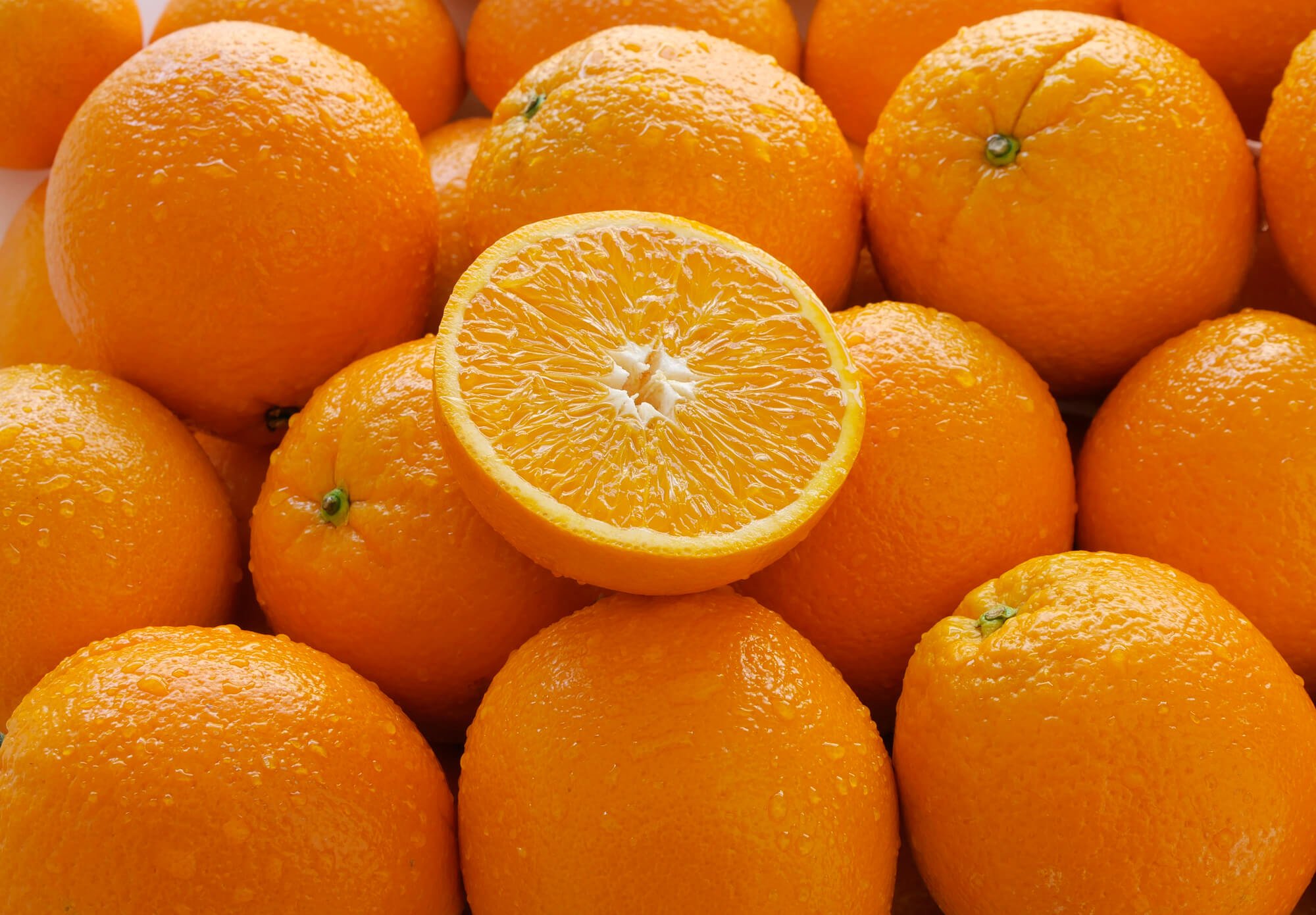
The orange is synonymous with Florida. Its juicy, sweet, and tangy flavor encapsulates the essence of the state’s warmth and bounty. For centuries, the citrus industry has been a cornerstone of Florida’s economy and a defining element of its cultural landscape. Visitors driving through central Florida are often greeted by the unmistakable scent of orange blossoms, a fragrant testament to the state’s enduring citrus groves. The iconic image of a glass of fresh Florida orange juice is not just a marketing slogan; it’s a taste of the state itself, a ubiquitous offering from roadside stands to five-star resorts.
A Brief History of Florida Citrus
Citrus fruits were first introduced to Florida in the mid-16th century by Spanish explorers, who planted them in the region of St. Augustine. The warm, humid climate proved ideal, and the trees flourished. By the 19th century, commercial citrus cultivation began to take hold, primarily with sweet oranges. The expansion of railroads allowed for the efficient transport of fresh fruit to northern markets, transforming Florida into a citrus powerhouse. The industry boomed throughout the 20th century, cementing the orange’s place as the state’s most recognized agricultural product. While challenges like freezes and citrus greening disease have impacted production, the resilience and innovation of Florida’s growers continue to uphold this vital legacy. The scent of orange blossoms remains a powerful memory for anyone visiting the citrus belt, especially in spring, a truly immersive experience for the senses.
Beyond the Juice: Varieties and Uses
While most of Florida’s orange crop is destined for processing into juice, the state grows several varieties, each with its distinct characteristics, offering diverse culinary applications. The most common juicing orange is the Valencia, known for its excellent juice quality and late-season harvest, often available from March through June. For fresh eating, the Navel orange is highly prized for its seedless segments and easy-to-peel rind, making it a popular choice for snacking and fruit salads, typically available from December to May. Other varieties like the Hamlin and Pineapple oranges also contribute significantly to the fresh fruit and juice markets. Beyond beverages, oranges are a versatile ingredient in Florida cuisine, finding their way into marinades for seafood and poultry, zest for baked goods, and even marmalades and sauces that capture the bright, tropical flavors of the state. Tasting these different varieties offers tourists a deeper appreciation for the nuances of Florida’s most famous fruit.
Beyond Citrus: A Tropical Cornucopia
While oranges hold the crown, Florida’s agricultural landscape is a vibrant tapestry of other fruits that thrive in its unique climate. Exploring these diverse offerings provides tourists with a broader understanding of Florida’s food culture and opportunities to taste unique, locally grown produce that often doesn’t travel far from its source. From sweet berries to exotic tropical treats, there’s a fruit for every palate.
Juicy Florida Grapefruit and Tangerines
Following oranges in popularity, grapefruit is another significant citrus crop in Florida. The state is particularly renowned for its sweet, juicy Ruby Red and Pink grapefruit varieties, which are less bitter than their white counterparts. Often enjoyed for breakfast, or as a refreshing snack, Florida grapefruit are celebrated for their health benefits and vibrant flavor. Tangerines, with their easy-to-peel skin and intensely sweet flavor, are also very popular. Varieties like the Dancy, Honey, and Sunburst tangerines are delightful grab-and-go snacks, especially appealing to families with children. During citrus season (typically late fall through spring), roadside stands and farmers’ markets across central and south Florida burst with these colorful, aromatic fruits, inviting visitors to sample and take home a piece of Florida’s bounty.
Florida Strawberries: A Winter Delight

Surprising to some, Florida is a major producer of strawberries, particularly during the winter months when colder climates cannot cultivate them. The region around Plant City, east of Tampa, is the heart of Florida’s strawberry industry. Here, tourists can experience the magic of fresh strawberries from December through April. The annual Florida Strawberry Festival in Plant City is a quintessential Florida experience, drawing hundreds of thousands of visitors each spring. It’s a celebration of all things strawberry, offering everything from fresh berries and shortcake to strawberry milkshakes and even strawberry pizza. Visiting a U-Pick strawberry farm during the season is a fantastic family activity, allowing visitors to taste the unparalleled sweetness of a berry picked straight from the vine.
Tropical Gems: Mangoes, Avocados, and Lychees
In the southernmost regions of Florida, especially around Miami and the Florida Keys, the climate becomes truly tropical, supporting a fascinating array of exotic fruits. Mangoes are perhaps the most celebrated of these. South Florida boasts a rich history of mango cultivation, with hundreds of varieties, each offering unique flavors and textures. The mango season, typically from May to September, transforms the region, with trees heavy with fruit and local markets overflowing. The annual International Mango Festival at the Fairchild Tropical Botanic Garden in Coral Gables is a must-visit for enthusiasts, offering tastings, lectures, and a vibrant marketplace.
Avocados, particularly the larger, milder Florida varieties (different from the smaller, richer Haas avocado), are also abundant in the summer months. These creamy fruits are perfect for salads, guacamole, or simply sliced with a sprinkle of salt. Furthermore, exotic fruits like lychees, longans, passion fruit, and star fruit can be found in specialty markets and farms, particularly in Homestead and Redland. These tropical treasures offer adventurous eaters a chance to sample truly unique flavors, providing a glimpse into Florida’s incredible botanical diversity.
Experiencing Florida’s Fruit: Agritourism and Culinary Adventures
For tourists, experiencing Florida’s fruit isn’t just about tasting; it’s about engaging with the culture and the land. Agritourism has blossomed, offering immersive experiences that connect visitors directly to the source of their food. These activities provide insightful tips and memorable experiences for travelers of all ages.
U-Pick Farms and Grove Tours
Many farms across Florida open their groves and fields to the public for U-Pick experiences, allowing visitors to hand-select their own fruit. This is particularly popular for strawberries in Plant City, blueberries in central Florida, and citrus in areas like Lakeland and Lake Wales. Destinations like the Showcase of Citrus near Clermont offer year-round U-Pick opportunities for various fruits depending on the season, along with charming monster truck tours of the groves, a truly unique way to see the landscape. The Dundee Citrus Growers Association is another long-standing establishment where visitors can purchase fresh fruit directly from the packing house. These direct-to-consumer experiences not only provide incredibly fresh produce but also support local farmers and offer an educational insight into the agricultural process.
Fruit Festivals and Markets
Throughout the year, Florida hosts a variety of festivals dedicated to its bountiful harvest. Beyond the renowned Florida Strawberry Festival, there are local citrus festivals in towns like Homosassa and Mount Dora, and specific events celebrating tropical fruits like the Miami Mango Festival. These events are vibrant showcases of local culture, featuring live music, craft vendors, and, of course, an abundance of fruit-centric foods and drinks. Farmers’ markets, found in cities like Orlando, Tampa, and Miami, also provide excellent opportunities to discover seasonal fruits, talk to growers, and sample local delicacies. These markets are fantastic places to pick up local honey, jams, and preserves made from Florida fruits, perfect souvenirs that capture the taste of the state.
Culinary Delights: From Juice to Key Lime Pie
Florida’s fruits are not just eaten fresh; they are integral to the state’s culinary identity. Freshly squeezed orange juice is a staple, but visitors should also seek out unique fruit-infused dishes. Key lime pie, originating in Key West, is arguably Florida’s most famous dessert. Made with the small, intensely tart Key limes, it offers a creamy, tangy, and sweet experience that is a must-try. Many restaurants and bakeries throughout the state offer their own versions, often with a meringue topping or whipped cream. Beyond pies, fruit appears in sauces for grilled fish, salsas for tacos, and refreshing cocktails. Exploring the menus of local eateries, especially those emphasizing farm-to-table practices, can reveal inventive ways Florida chefs incorporate the state’s produce, offering a delicious and authentic taste of local culture.
The Economic and Cultural Tapestry of Florida Fruit
The fruit industry is more than just agriculture; it’s deeply interwoven with the fabric of Florida’s identity. For generations, citrus groves have been a source of livelihood and pride for countless families. The iconic image of an orange grove stretching to the horizon is a potent symbol of the state’s natural beauty and agricultural strength. While urban development has encroached on some areas, the industry continues to adapt and innovate, ensuring that future generations can still experience the scent of orange blossoms and taste the sweetness of a freshly picked Florida fruit. Supporting local fruit growers through direct purchases at U-Pick farms or markets is a direct way for tourists to contribute to the preservation of this invaluable part of Florida’s heritage and to enjoy the freshest, most authentic flavors the state has to offer. The fruit you eat in Florida is not just food; it’s a piece of its history, its culture, and its vibrant community.
LifeOutOfTheBox is a participant in the Amazon Services LLC Associates Program, an affiliate advertising program designed to provide a means for sites to earn advertising fees by advertising and linking to Amazon.com. Amazon, the Amazon logo, AmazonSupply, and the AmazonSupply logo are trademarks of Amazon.com, Inc. or its affiliates. As an Amazon Associate we earn affiliate commissions from qualifying purchases.