
Understanding the USDA Plant Hardiness Zone for Boise, Idaho is fundamental for any gardener looking to cultivate a successful and vibrant landscape in this region. This designation, based on average annual minimum winter temperatures, dictates which perennial plants are most likely to survive the winter and thrive throughout the growing season. For Boise, a city nestled in the Treasure Valley, its hardiness zone plays a crucial role in selecting everything from trees and shrubs to the most delicate annuals. This knowledge empowers residents to make informed choices, ensuring their efforts in the garden yield beautiful and lasting results, whether they are planning a small herb garden on a balcony or a sprawling floral display across their property.

Unpacking Boise’s USDA Hardiness Zone
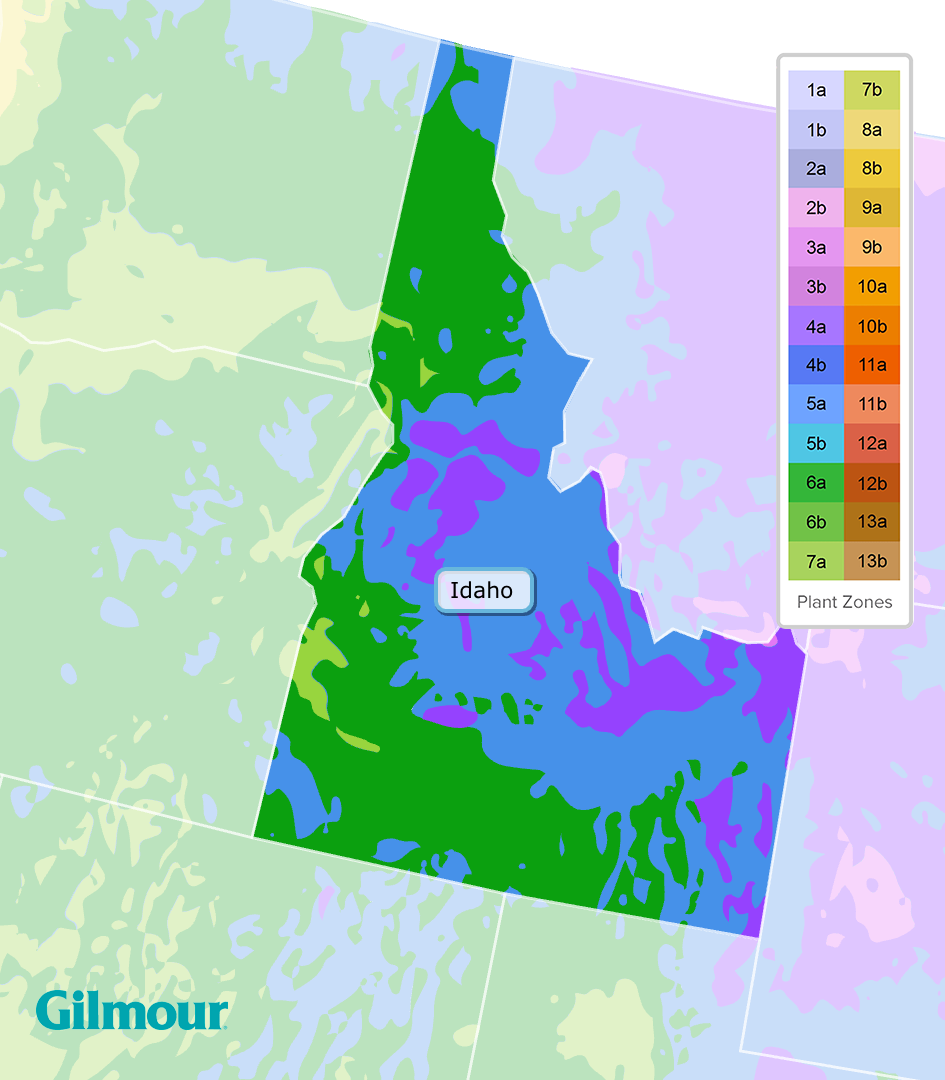
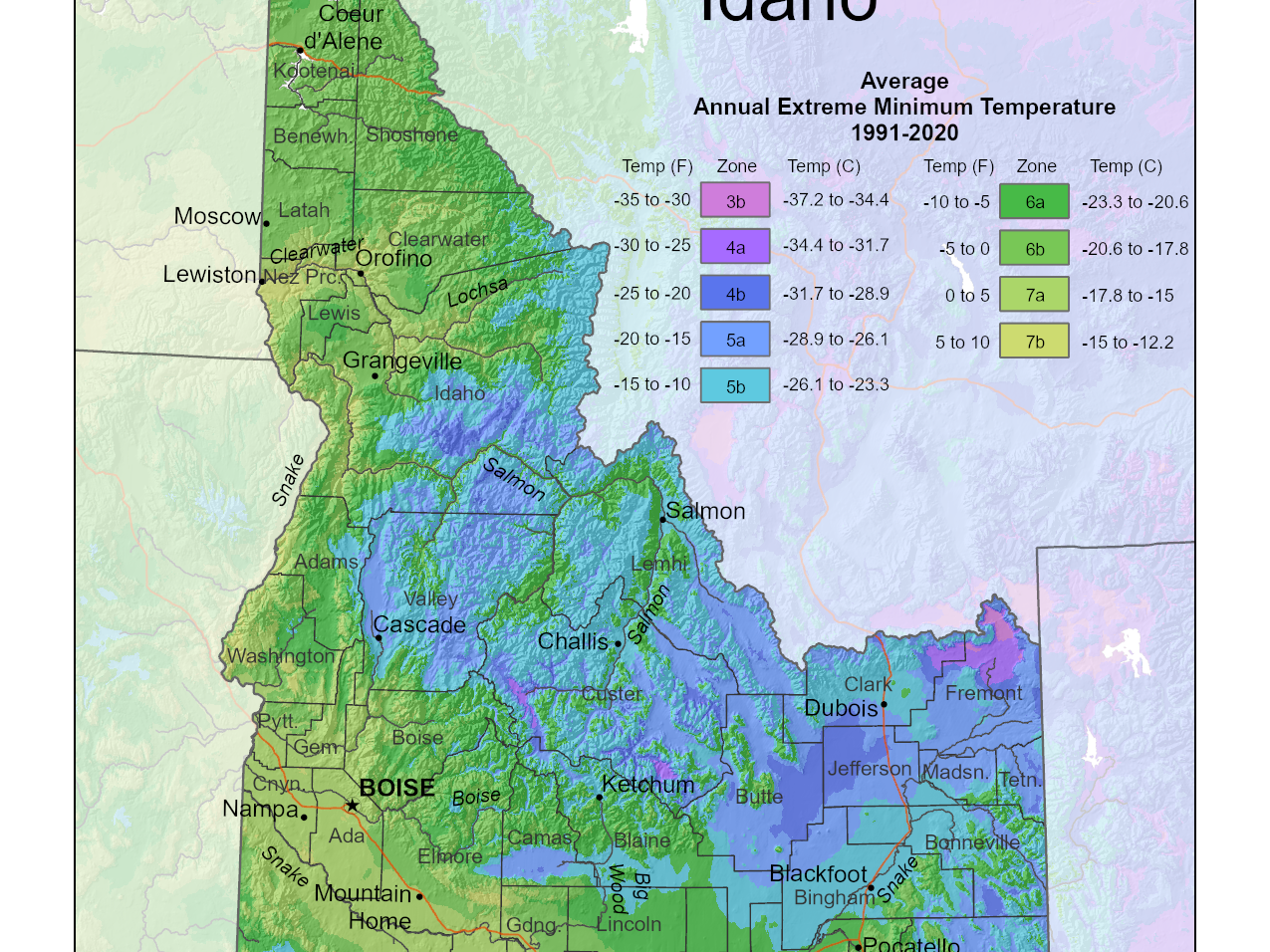
Boise, Idaho predominantly falls within USDA Plant Hardiness Zone 6b. Some peripheral areas, particularly those at slightly higher elevations or with specific microclimates, might dip into Zone 6a, while some more sheltered valley floors could approach Zone 7a. However, Zone 6b serves as the most accurate and widely applicable designation for the majority of the city and its immediate surroundings.
What Zone 6b Means for Gardeners
Zone 6b signifies that the average annual minimum winter temperature in Boise ranges from -5°F to 0°F (-20.6°C to -17.8°C). This temperature range is a critical factor for perennial plants, as it indicates the lowest temperature they can reliably withstand without succumbing to frost damage or death.
Implications for Plant Selection
- Perennial Survival: Plants labeled as hardy to Zone 6 or colder are generally safe bets for Boise, Idaho. This includes a vast array of popular perennials like hostas, peonies, daylilies, coneflowers, and many varieties of roses.
- Tender Perennials and Annuals: Plants that are hardy to warmer zones (e.g., Zone 7, 8, or higher) will typically need to be treated as annuals in Boise, Idaho. This means they will complete their life cycle within a single growing season and will not survive the winter. Examples include certain citrus trees, tropical hibiscus, and tender herbs like basil and rosemary (though rosemary can sometimes overwinter in protected microclimates).
- Protecting Marginal Plants: Gardeners may choose to push the boundaries by planting species rated for Zone 7a. Success with these plants often depends on providing winter protection, such as mulching heavily around the base of the plant, covering sensitive foliage with burlap, or planting them in a sheltered location, such as near a south-facing wall.
Navigating Microclimates within Boise
While the general zone is a reliable guide, it’s important to recognize that microclimates exist within Boise, Idaho. These are small areas that have distinct temperature variations from the surrounding environment due to factors like elevation, proximity to water, exposure to wind, and the presence of urban heat islands or cool air drainage patterns.
Factors Influencing Microclimates:
- Elevation: Areas at slightly higher elevations on the foothills surrounding Boise, Idaho might experience colder temperatures and thus fall into Zone 6a. Conversely, lower-lying valley areas can be warmer.
- Urban Heat Island Effect: The concentrated development in downtown Boise, Idaho, with its abundance of concrete, asphalt, and buildings, can retain heat, creating a warmer microclimate than surrounding suburban or rural areas. This might allow for the survival of plants rated for Zone 7a in specific urban gardens.
- Shelter and Exposure: Gardens situated on north-facing slopes might be colder and receive less direct winter sun, while south-facing slopes or areas protected by buildings or dense evergreen trees can offer a warmer, more sheltered environment. Windbreaks, natural or man-made, can also significantly impact temperature and moisture levels for plants.
- Water Features: Proximity to bodies of water can moderate temperatures, offering a slightly milder winter, though this effect is less pronounced in Boise, Idaho compared to regions with larger lakes or oceans.
Understanding these nuances can help gardeners in Boise, Idaho select the perfect spot for more tender plants or identify areas where even the hardiest species might struggle.
Choosing the Right Plants for Boise’s Climate
With Zone 6b as the primary designation, Boise, Idaho offers a diverse range of plant possibilities. The key is to match plant hardiness with the prevailing climate conditions.
Hardy Perennials for Zone 6b
A vast array of perennials will thrive with minimal fuss in Boise, Idaho. When selecting, always check the plant’s hardiness rating. Aim for plants rated for Zone 6 or colder.
Recommended Perennial Categories:
- Flowering Perennials: Many popular garden staples are well-suited. Consider Peonies, Daylilies (Hemerocallis), Coneflowers (Echinacea), Phlox, Astilbe, Salvia, and Hens and Chicks (Sempervivum).
- Foliage Plants: Hostas are excellent for shady areas, providing a wide range of leaf colors and textures. Ornamental grasses, such as Feather Reed Grass and Blue Fescue, add architectural interest and movement.
- Groundcovers: Hardy options like Creeping Thyme, Pachysandra, and certain sedums are ideal for suppressing weeds and adding visual appeal.
- Shrubs: Many deciduous and evergreen shrubs are hardy to Zone 6. This includes Hydrangeas (though some varieties are more sensitive), Spirea, Forsythia, Lilacs, and various junipers and pines.
Trees Suitable for Boise’s Environment
Selecting the right trees is crucial for the long-term structure and character of a garden. Many fruit-bearing and ornamental trees adapt well to Boise, Idaho’s climate.
Fruit Trees:
- Apples: Many apple varieties are hardy and productive in Zone 6. Consider popular choices like Gala, Fuji, Honeycrisp, and Granny Smith.
- Pears: European and Asian pears generally perform well. Bartlett, Anjou, and Asian pears like Hosui are good options.
- Cherries: Sweet and tart cherries, such as Bing, Rainier, and Montmorency, can be successful with proper care and pollination.
- Plums: European and Japanese plums are often hardy enough for Boise, Idaho.
- Peaches & Nectarines: These can be more challenging due to late spring frosts damaging blossoms, but varieties specifically bred for colder climates, or those planted in protected microclimates, can yield fruit.
Ornamental Trees:
- Maples: Many Japanese maples (though some cultivars are more tender) and native maples can add stunning fall color.
- Oaks: Various oak species are exceptionally hardy and provide shade and habitat.
- Birches: Certain birch varieties, like River Birch, offer attractive peeling bark and are well-suited to the region.
- Crabapples: These offer beautiful spring blooms and attractive fruit for birds, with many varieties hardy to Zone 6.
Annuals and Tender Perennials: Embracing the Season
While perennials are the backbone of a garden, annuals provide season-long color and texture. Tender perennials, which can be grown as annuals, also offer a way to incorporate more exotic or tender species.
Vibrant Annuals for Summer Color:
- Petunias: Available in a rainbow of colors, they provide continuous blooms with regular deadheading.
- Marigolds: Cheerful and relatively pest-resistant, they come in shades of yellow, orange, and red.
- Zinnias: These sun-loving flowers attract pollinators and offer a wide range of bloom sizes and colors.
- Impatiens and Begonias: Excellent choices for shady areas, bringing vibrant color to darker corners.
- Sunflowers: For a dramatic statement, sunflowers are a classic summer bloom.
Tender Perennials to Treat as Annuals:
- Geraniums (Pelargoniums): Classic patio plants that bloom profusely throughout the summer.
- Dahlias: While some dahlias are hardy in warmer zones, in Boise, Idaho, their tubers are typically dug up and stored indoors for the winter.
- Calibrachoa (Million Bells): Similar to petunias, they offer a cascade of small, colorful blooms.
- Sweet Potato Vine: Grown for its attractive foliage in shades of purple, lime green, or bronze.
Essential Gardening Practices in Boise
Beyond plant selection, understanding Boise, Idaho’s specific environmental conditions is key to successful gardening.
Water Management: A Crucial Element
Boise, Idaho is located in an arid to semi-arid climate, characterized by hot, dry summers and relatively low humidity. Water conservation is paramount.
Watering Strategies:
- Deep and Infrequent Watering: Encourage deep root growth by watering thoroughly but less often. This helps plants become more drought-tolerant.
- Morning Watering: Water in the early morning to minimize evaporation and reduce the risk of fungal diseases by allowing foliage to dry before evening.
- Drip Irrigation and Soaker Hoses: These methods deliver water directly to the root zone, significantly reducing water waste compared to overhead sprinklers.
- Mulching: Applying a layer of organic mulch (e.g., wood chips, compost) around plants helps retain soil moisture, suppress weeds, and regulate soil temperature.
Soil Considerations and Amendments
The soils in the Treasure Valley can vary but often consist of sandy loams or clay loams, sometimes with a history of being alkaline. Improving soil health is an ongoing process.
Enhancing Soil Quality:
- Compost: Incorporating generous amounts of compost is the single best way to improve any soil type. It enhances drainage in clay soils and improves water retention in sandy soils, while also adding essential nutrients.
- pH Testing: While many plants tolerate Boise, Idaho’s typical soil pH, some may prefer slightly acidic conditions. Testing your soil’s pH can guide amendments.
- Drainage: For heavier clay soils, raised beds or incorporating grit and compost can significantly improve drainage, preventing root rot.
Dealing with Boise’s Climate Extremes
Gardeners in Boise, Idaho must contend with more than just the cold winters. Intense summer heat, occasional hail storms, and strong winds can all impact garden health.
Mitigating Climate Challenges:
- Heat Tolerance: Select plants known for their heat and drought tolerance. Group plants with similar water needs together. Provide afternoon shade for sensitive species.
- Wind Protection: Use windbreaks such as fences, hedges, or sturdy shrubs to protect delicate plants from strong winds, which can cause dehydration and physical damage.
- Hail Damage: While difficult to prevent, some plants are more resilient than others. Generally, plants with tougher leaves tend to fare better. Pruning damaged foliage after a storm can help plants recover.
- Spring Frosts: Be aware of the typical last frost date for Boise, Idaho (usually mid-to-late April) before planting tender annuals or setting out sensitive transplants. Keep frost protection materials (e.g., blankets, cloches) on hand.
By understanding and working with Boise, Idaho’s hardiness zone and its unique climatic characteristics, gardeners can create beautiful, resilient, and rewarding outdoor spaces. The journey from selecting the right plants to implementing appropriate care practices is an engaging and educational one, yielding a vibrant tapestry of life throughout the seasons.
LifeOutOfTheBox is a participant in the Amazon Services LLC Associates Program, an affiliate advertising program designed to provide a means for sites to earn advertising fees by advertising and linking to Amazon.com. Amazon, the Amazon logo, AmazonSupply, and the AmazonSupply logo are trademarks of Amazon.com, Inc. or its affiliates. As an Amazon Associate we earn affiliate commissions from qualifying purchases.