
Oklahoma, a state often celebrated for its wide-open spaces, rich history, and vibrant culture, also holds a special appeal for gardeners. But as anyone who has tried to cultivate a thriving garden knows, success is deeply intertwined with understanding your local climate. This is where the concept of gardening zones becomes crucial. These zones, scientifically defined by the United States Department of Agriculture (USDA), provide a standardized way to determine which plants are most likely to survive and flourish in a particular region based on average annual minimum winter temperatures. For residents and visitors alike interested in the horticultural tapestry of Oklahoma, understanding its USDA Hardiness Zones is the first step towards a flourishing landscape, whether you’re dreaming of a sprawling ranch with abundant flowerbeds or a cozy balcony garden in Oklahoma City.
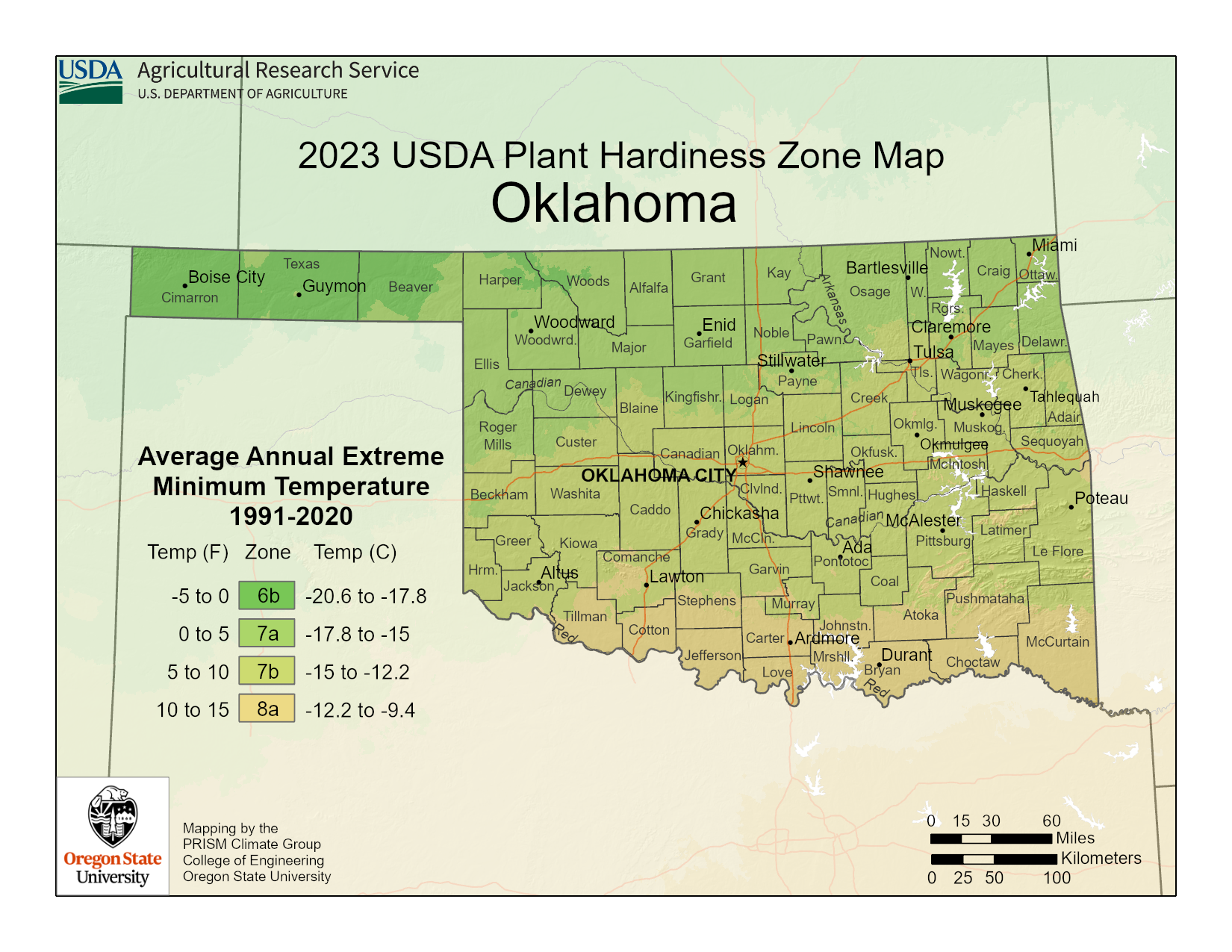
The diverse geography of Oklahoma, stretching from the humid subtropical climate of the southeast to the semi-arid conditions of the Panhandle, means that different parts of the state fall into distinct gardening zones. This variability presents a fascinating challenge and opportunity for those with a green thumb. From nurturing delicate perennials in the milder eastern regions to selecting drought-tolerant species in the drier west, knowledge of these zones empowers gardeners to make informed decisions about plant selection, planting times, and overall garden care. This guide will delve into the specific USDA Hardiness Zones that define Oklahoma, explore the implications for gardeners across the state, and offer insights into how this knowledge can enhance your travel experiences and lifestyle choices within the Sooner State, potentially influencing your choice of hotels or the kinds of activities you might enjoy that involve nature and the outdoors.
Unpacking Oklahoma’s USDA Gardening Zones
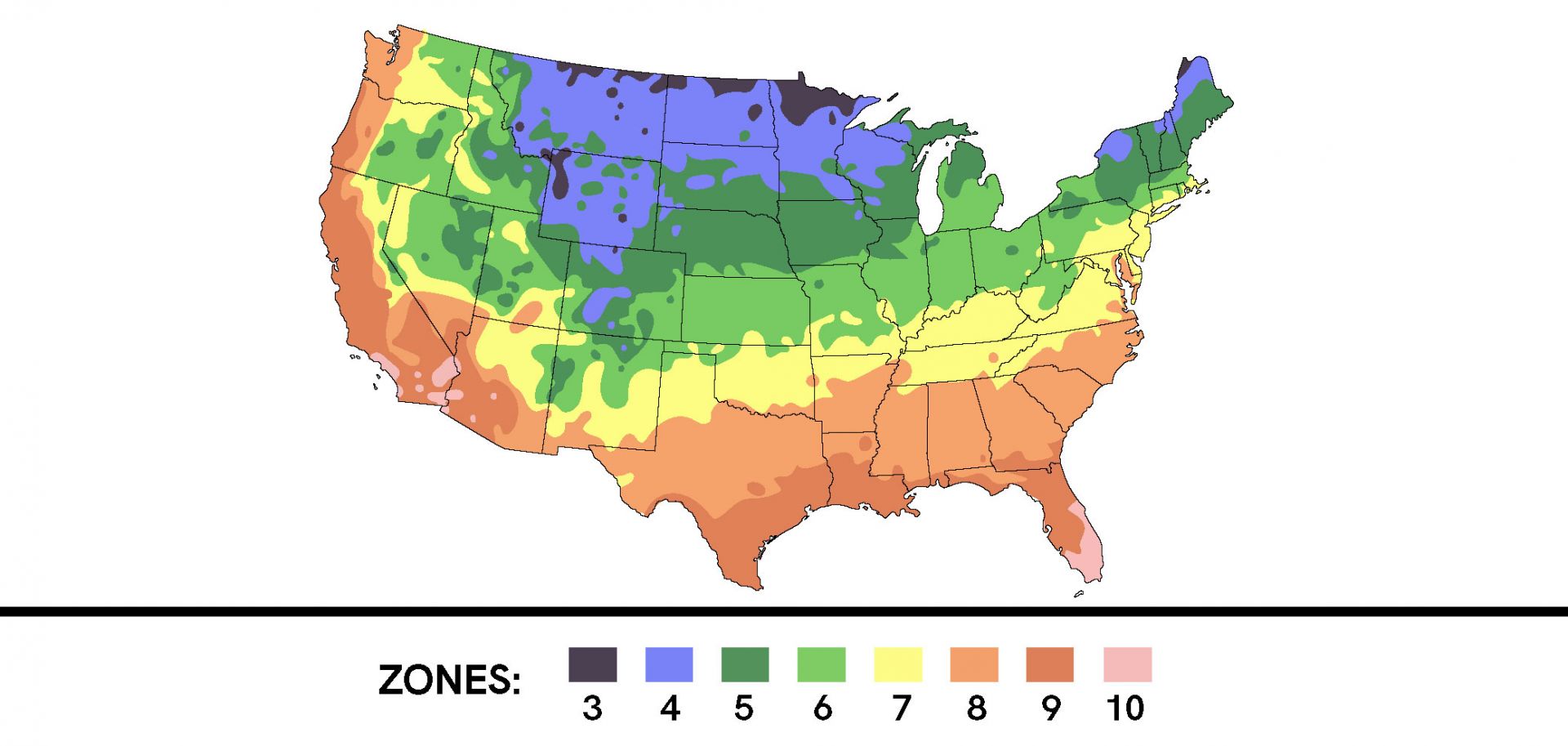
The USDA Hardiness Zones are a fundamental tool for gardeners, landscape designers, and anyone seeking to understand the plant-growing potential of a specific location. They are based on the average annual extreme minimum winter temperature, divided into 10-degree Fahrenheit increments. Zone 1 represents the coldest regions, and Zone 13 represents the warmest. For Oklahoma, the primary zones gardeners will encounter are Zone 6, Zone 7, and Zone 8, with some variations within these.
The majority of Oklahoma falls within Zone 7. This zone is characterized by average annual minimum winter temperatures ranging from 0°F to 10°F. Within Zone 7, you’ll find much of the central and northern parts of the state. Cities like Oklahoma City, Tulsa, and Norman are situated in this zone. Gardeners in Zone 7 can successfully grow a wide variety of plants, including many popular fruit trees, flowering shrubs, and perennial flowers that can withstand moderate winter freezes. The longer growing season compared to colder zones allows for more flexibility in planting and harvesting.
Moving south and east, parts of Oklahoma enter Zone 8. This zone experiences average annual minimum winter temperatures between 10°F and 20°F. Areas such as southeastern Oklahoma, including cities like McAlester and communities near the Ouachita Mountains, typically fall into this warmer zone. The milder winters of Zone 8 allow for the cultivation of a broader range of plants, including those that might be considered borderline or too tender for Zone 7. This is where you might see more success with subtropical plants, certain citrus varieties, and a longer blooming season for many flowers. The reduced risk of severe frost means a more extended period for planting cool-season crops and a head start on warm-season planting.
Finally, the westernmost parts of Oklahoma, including the Panhandle and some northwestern counties, can dip into Zone 6. This zone has average annual minimum winter temperatures ranging from -10°F to 0°F. In this region, gardeners need to be particularly mindful of selecting plants that can endure colder temperatures and shorter growing seasons. While the variety of plants might be more limited than in zones 7 and 8, Zone 6 gardeners can still cultivate beautiful and productive gardens with careful plant selection and appropriate winter protection. This zone’s climate might influence the types of outdoor activities and accommodations, such as lodges or cabins, that are popular during different seasons.
It’s important to note that these are broad categorizations, and microclimates can exist within these zones. Factors such as elevation, proximity to large bodies of water, urban heat islands, and even the specific landscaping around a home can create subtle variations. Therefore, while the USDA zones provide an excellent starting point, local observation and experience are invaluable for the most successful gardening endeavors. For those planning a trip to explore Oklahoma’s diverse landscapes, from the Wichita Mountains to the Flint Hills, understanding these zones can also enrich your appreciation for the natural beauty and the unique flora you encounter.
Regional Nuances and Plant Selection
The distinct gardening zones across Oklahoma necessitate careful consideration when selecting plants. What thrives in the humid subtropics of the southeast might struggle in the semi-arid plains of the west, and vice versa. This regional nuance is a key aspect of successful gardening in the Sooner State, impacting everything from ornamental gardens to agricultural ventures and even the types of fruits and vegetables that can be grown.
Southeastern Oklahoma: The Realm of Zone 8
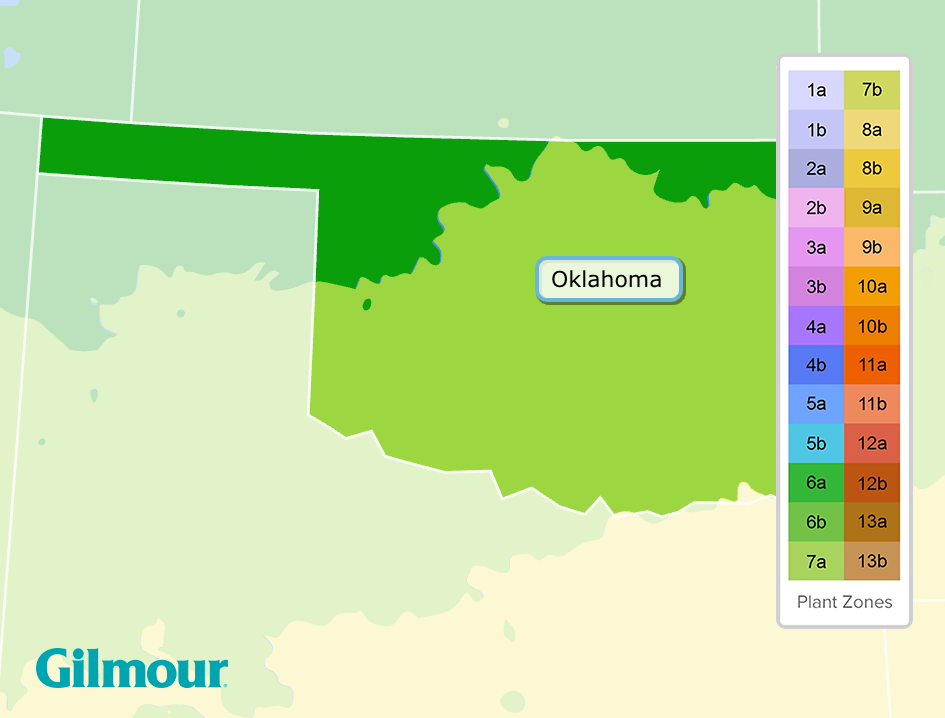
In southeastern Oklahoma, characterized by its milder winters and higher humidity, Zone 8 gardeners have a distinct advantage. This region, often referred to as the “Garden of Eden” of Oklahoma, boasts a longer growing season and a reduced risk of extreme cold. Plants that might be considered tender in other parts of the state often flourish here. For instance, certain varieties of azaleas, camellias, and gardenias, which appreciate warmer winters and consistent moisture, can thrive. Fruit trees like peaches, plums, and apples are generally successful, and gardeners can often extend the harvest season for many crops. Moreover, the warmer climate supports a more diverse array of flowering perennials and shrubs, allowing for continuous blooms throughout much of the year. When visiting this part of the state, perhaps staying at a charming resort or a historic inn, you might notice lush gardens that exemplify the advantages of Zone 8. This zone is also excellent for growing more heat-tolerant vegetables and herbs, making it a prime area for local food production.
Central and Northern Oklahoma: The Heart of Zone 7
The vast majority of Oklahoma, encompassing its most populated areas like Oklahoma City and Tulsa, resides in Zone 7. This zone presents a balanced climate, offering a good growing season with moderate winters. Gardeners in Zone 7 have access to a wide array of plants. Roses, a popular choice for many, generally perform well, as do many varieties of deciduous trees and perennial flowers. Cool-season crops like lettuce, spinach, and peas can be planted in early spring and fall, while warm-season favorites such as tomatoes, peppers, and corn can be grown throughout the summer. The key for Zone 7 gardeners is selecting plants that are reliably hardy to 0°F to 10°F. When planning a visit to the urban centers or exploring the cultural attractions in this region, you’ll find a blend of established gardens and newer landscaping projects that reflect the versatility of Zone 7. Many hotels in these cities offer beautiful grounds that showcase the plants suited to this zone, contributing to the overall aesthetic of the tourism experience.
Western Oklahoma and the Panhandle: Facing the Chill of Zone 6
Western Oklahoma, including the Oklahoma Panhandle, falls into Zone 6, characterized by colder winters and a potentially shorter growing season. This region experiences average annual minimum temperatures that can dip below 0°F. Success here hinges on choosing plants that are exceptionally cold-hardy. Native grasses and drought-tolerant perennials are often excellent choices. For trees and shrubs, gardeners must opt for varieties specifically rated for Zone 6 or colder. Fruit production might be more limited to cold-hardy apple varieties, certain berries, and perhaps some hardier stone fruits. Vegetables that thrive in this zone are typically those that can tolerate cooler temperatures, such as potatoes, carrots, and hardy greens. When traveling through western Oklahoma, perhaps to explore unique landmarks like Black Mesa State Park, you’ll notice a landscape that reflects the resilience required to cultivate life in this more challenging climate. The architecture and design of accommodations in these areas might also reflect a more rustic, weather-hardy aesthetic. Understanding Zone 6 is crucial for anyone looking to establish a garden or appreciate the hardy flora of this part of the state.
Beyond the Zones: Factors Influencing Garden Success in Oklahoma
While USDA Hardiness Zones provide an indispensable foundation for understanding plant survival, several other factors play a significant role in the success of gardening in Oklahoma. These elements, often influenced by the state’s unique geography, weather patterns, and even its vibrant lifestyle, can either complement or challenge the predictions offered by the zone system. For travelers and residents, recognizing these factors can enhance their appreciation for the state’s natural beauty and its agricultural heritage.
Rainfall and Water Availability: Oklahoma’s rainfall patterns can vary dramatically from east to west and year to year. Southeastern Oklahoma generally receives more consistent rainfall, supporting a wider range of moisture-loving plants. In contrast, western and central Oklahoma can experience periods of drought, making drought-tolerant species and efficient irrigation methods essential. This variability in water availability can influence the types of landscapes you see, from lush, green expanses to more arid, prairie-like settings. Travelers exploring different regions of Oklahoma will notice these differences, which can impact the types of outdoor activities available and the aesthetics of the natural scenery. For those considering a long-term stay, water management becomes a critical consideration for any gardening project.
Soil Types: The soil composition across Oklahoma is diverse, ranging from heavy clay soils in the east to sandy soils in the west. Clay soils can retain moisture well but may become waterlogged, while sandy soils drain quickly, requiring more frequent watering. Understanding your specific soil type is crucial for amending it to improve drainage, aeration, and nutrient content. This is particularly relevant for successful fruit cultivation and for achieving vibrant floral displays. Many local tourism initiatives and agricultural tours highlight the importance of soil health in producing the region’s bounty.
Extreme Weather Events: Oklahoma is known for its unpredictable weather, including severe thunderstorms, hail, tornadoes, and occasional blizzards. These events can pose significant threats to gardens, requiring gardeners to implement protective measures. This might include using frost cloths, windbreaks, or selecting exceptionally sturdy plant varieties. For visitors, understanding the potential for extreme weather can help in planning travel and choosing appropriate accommodations, perhaps opting for more robust hotels or apartments during certain seasons. The resilience of both the natural landscape and the human-built environment in Oklahoma is a testament to its inhabitants’ adaptability.
Sunlight Exposure: While not exclusive to Oklahoma, the intensity and duration of sunlight vary across the state and can be influenced by local topography and surrounding vegetation. Careful consideration of how much sun a particular planting location receives is vital for plant health, especially for vegetables and flowering plants that have specific light requirements. This is a fundamental aspect of successful gardening regardless of the zone, but it’s worth noting in conjunction with the broader climatic influences.
Local Microclimates: As mentioned earlier, microclimates can significantly impact plant growth. Urban areas, for instance, often benefit from the “heat island effect,” where temperatures are slightly warmer than surrounding rural areas, potentially extending the growing season for some plants. Conversely, low-lying areas might be prone to frost pockets. Paying attention to these localized conditions, often learned through observation and by speaking with experienced local gardeners, can make a substantial difference. When exploring a new town or city in Oklahoma, whether it’s Ardmore or Lawton, taking a stroll through local parks or botanical gardens can provide excellent insights into what thrives in that specific environment. These observations can greatly enhance the enjoyment of travel and deepen one’s understanding of the state’s lifestyle. By integrating the knowledge of USDA zones with these additional environmental and situational factors, gardeners in Oklahoma can cultivate beautiful, productive, and resilient landscapes that truly reflect the spirit of the Sooner State.
LifeOutOfTheBox is a participant in the Amazon Services LLC Associates Program, an affiliate advertising program designed to provide a means for sites to earn advertising fees by advertising and linking to Amazon.com. Amazon, the Amazon logo, AmazonSupply, and the AmazonSupply logo are trademarks of Amazon.com, Inc. or its affiliates. As an Amazon Associate we earn affiliate commissions from qualifying purchases.