
Portland, Oregon, nestled in the lush Pacific Northwest, is renowned for its vibrant green spaces, thriving gardens, and an almost year-round growing season. Understanding its specific gardening zone is paramount for anyone looking to cultivate a successful garden in this picturesque city. For those planning a visit or considering planting roots, this knowledge unlocks the potential for a flourishing botanical experience.
Understanding USDA Plant Hardiness Zones
The USDA Plant Hardiness Zone Map is the standard by which gardeners can determine which plants are most likely to thrive at a given location. It divides North America into 11 distinct zones, each representing an average annual minimum winter temperature range. These zones are crucial because they help predict the survival of perennial plants – those that live for more than two years – through the winter months.
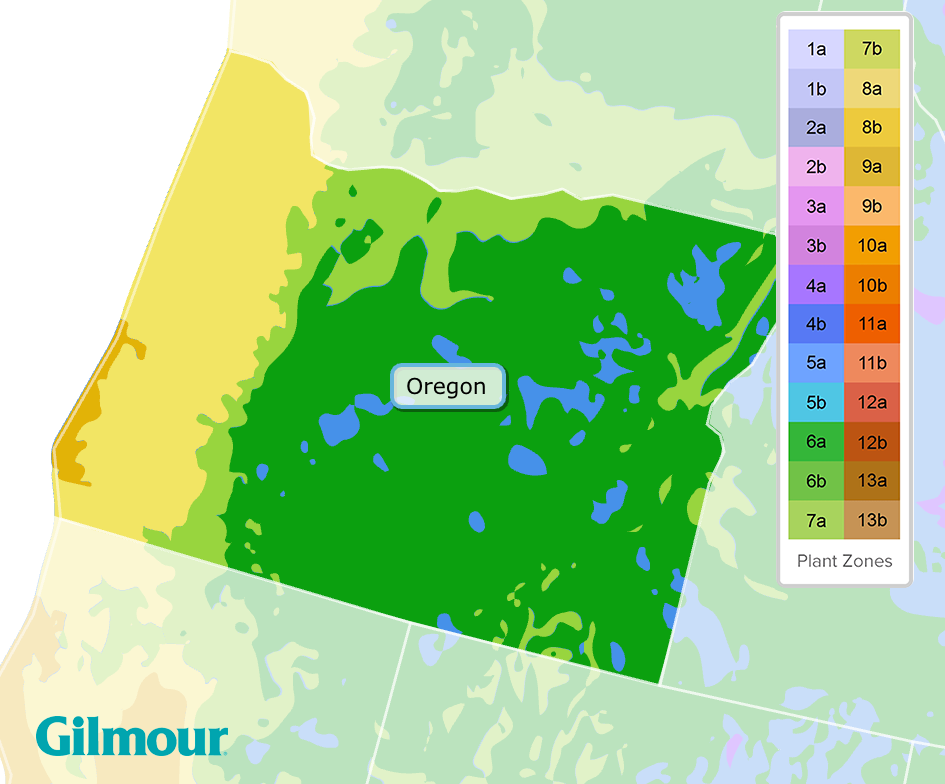
The zones are numbered from 1 (coldest) to 11 (warmest). Each zone is further divided into ‘a’ and ‘b’ sub-zones, representing narrower temperature ranges. For example, Zone 5a is colder than Zone 5b. The map takes into account average extreme minimum winter temperatures, providing a scientific basis for plant selection. It’s important to note that this map primarily addresses winter hardiness and doesn’t account for summer heat, rainfall, or soil type, which are also critical factors in successful gardening.
How Zones Impact Plant Selection
Planting a flower, shrub, or tree outside its designated hardiness zone can lead to failure. If a plant is rated for a warmer zone, it may not survive the winter in a colder zone, succumbing to frost damage. Conversely, planting a cold-hardy plant in a zone that is too warm might not provide the necessary chilling period it needs to properly go dormant and bloom or fruit effectively in subsequent seasons.
Local microclimates, such as proximity to large bodies of water like the Columbia River or urban heat islands, can sometimes create conditions that differ slightly from the general zone rating. Experienced gardeners often observe their immediate surroundings to fine-tune their plant choices beyond the official zone designation.
Portland, Oregon’s Gardening Zone Revealed
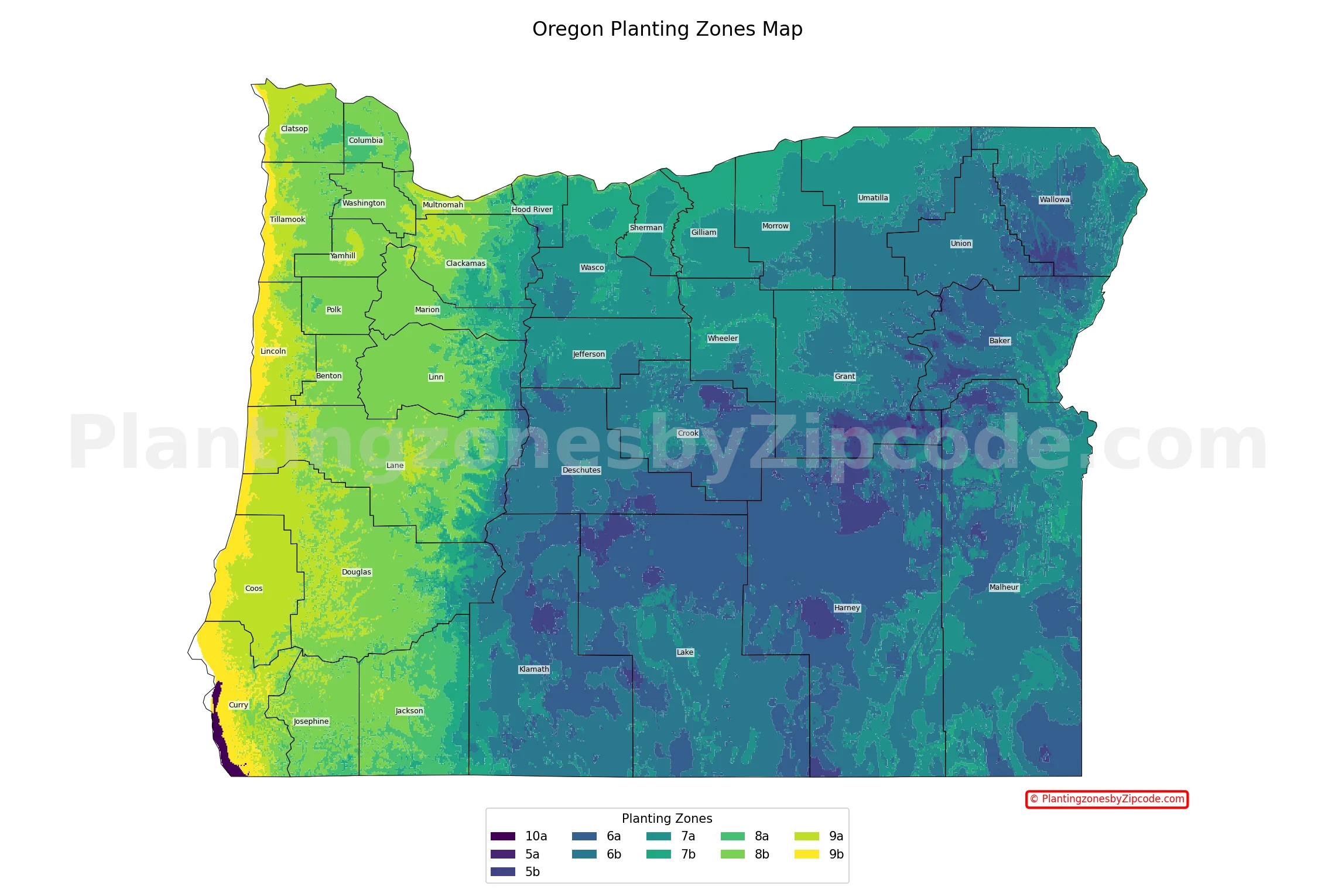
Portland, Oregon, falls predominantly within USDA Plant Hardiness Zone 8b. This classification is a significant indicator of the city’s temperate climate, characterized by mild, wet winters and relatively warm, dry summers.
Zone 8b: The Nuances of a Mild Climate
A Zone 8b designation means that the average annual minimum winter temperature in Portland typically ranges from 15°F to 20°F (-9.4°C to -6.7°C). This relatively mild winter climate allows for a vast array of plants to thrive, including many that would struggle in colder regions of the country. The infrequency of prolonged deep freezes is a key advantage for gardeners.
This zone is conducive to the successful overwintering of many semi-tropical and subtropical plants, as well as a wide variety of herbaceous perennials, shrubs, and trees that might be considered tender in other parts of the United States. The “b” in 8b signifies that Portland leans towards the warmer end of the Zone 8 spectrum, further expanding the possibilities for plant cultivation.
The Influence of the Pacific Ocean
The proximity to the Pacific Ocean plays a crucial role in moderating Portland’s climate. The ocean acts as a thermal buffer, preventing extreme temperature fluctuations. Winters are rarely frigid, with snow being an infrequent and often short-lived event. Summers, while warm and dry, are also moderated by oceanic influences, preventing the scorching heat experienced in more continental climates. This consistent, mild weather pattern is ideal for extending the growing season.
Gardening Opportunities in Portland’s Zone 8b
Portland’s Zone 8b status opens up a world of horticultural possibilities, encouraging a diverse and colorful tapestry of plant life throughout the year. Gardeners here can enjoy a long blooming season and a wide selection of edibles.
Edible Gardening in Zone 8b
The mild winters and long growing season make Portland an exceptional place for growing a variety of fruits and vegetables. Many crops can be grown almost year-round or harvested in multiple seasons.
Year-Round Greens and Root Vegetables
Leafy greens like kale, spinach, and lettuce can often be grown through much of the winter with minimal protection. Root vegetables such as carrots, radishes, and beets also perform well, with many varieties suitable for fall or winter harvest. The ability to extend the harvest into cooler months is a significant benefit of this zone.
Fruit Trees and Berries
Stone fruits like cherries, plums, and peaches can thrive, provided they receive adequate chilling hours, which Zone 8b generally provides. Berries are also a major success story in the Pacific Northwest. Raspberries, blueberries, strawberries, and blackberries flourish, offering bountiful harvests from late spring through summer. Established growers often experiment with less common fruits that require similar climatic conditions.
Extended Growing Season for Warm-Weather Crops
While summers are warm, they are generally not excessively hot, allowing warm-weather crops like tomatoes, peppers, and cucumbers to mature without the stress of extreme heat. The transition from spring to summer provides ample time for these plants to grow and produce.

Ornamental Gardening in Zone 8b
Beyond edibles, the ornamental landscape of Portland is rich and varied, thanks to its favorable gardening zone.
Flowering Perennials and Shrubs
Many beloved flowering perennials that might only be annuals in colder climates can be grown as long-lived perennials in Portland. Examples include fuchsias, dahlias, and some varieties of hydrangeas. The city is also famous for its rhododendrons and azaleas, which thrive in the region’s acidic soil and mild, moist conditions. Shrubs like camellias and magnolias are also well-suited, offering spectacular blooms in late winter and early spring.
Trees for Year-Round Interest
Portland’s mild climate supports a diverse range of trees. From the iconic Japanese maples, prized for their vibrant fall color, to towering evergreens and flowering varieties like magnolias and dogwoods, the city’s arboreal landscape is impressive. The extended growing season means that the visual interest of these trees can be appreciated for a longer period.
Unique and Tender Plants
Zone 8b allows gardeners to experiment with a wider palette of plants considered “tender” in many other regions. This can include plants like passionflowers, citrus trees (with some winter protection in colder microclimates), and a variety of ferns and tropical-looking foliage plants that add a lush, exotic feel to gardens.
Factors Beyond the Zone: Microclimates and Soil
While the USDA Hardiness Zone provides a foundational understanding, successful gardening in Portland involves considering local nuances.
Microclimates within Portland
The city of Portland itself is not uniform in its microclimates. Areas closer to the Willamette River or the Coast Range may experience slightly different temperature variations. Urban areas can create heat islands, making them a degree or two warmer than surrounding rural areas, potentially extending the growing season slightly. Conversely, frost pockets can form in low-lying areas, impacting plant survival. Observing how temperature behaves in specific neighborhoods and even within individual gardens is key.
Soil Conditions and Drainage
Portland soils are often a mix of volcanic ash and alluvial deposits, which can vary significantly. Many areas have clay-heavy soils that can impede drainage, a critical factor for plant health, especially during the wet winter months. Improving soil with organic matter, such as compost, is a universal recommendation for Portland gardeners to ensure proper aeration and drainage, preventing root rot and promoting robust plant growth. This is particularly important for plants that prefer well-drained conditions, even within a Zone 8b environment.
Making the Most of Portland’s Gardening Zone
Armed with the knowledge of Portland’s Zone 8b designation, gardeners can confidently select plants and plan their horticultural endeavors.
Planning Your Garden Design
When designing a garden in Portland, consider the long growing season and the mild winters. This allows for succession planting of vegetables, ensuring a continuous harvest. For ornamental gardens, focus on plants that provide multi-season interest, from spring blooms to fall foliage and winter structure.
Companion Planting and Crop Rotation
Within the edible garden, companion planting can enhance growth and deter pests. Crop rotation is also beneficial, especially in areas with clay soil, to maintain soil health and prevent the buildup of specific soil-borne diseases.
Attracting Wildlife
Portland’s abundant green spaces and mild climate make it an ideal habitat for pollinators and other beneficial wildlife. Choosing a diverse range of native and pollinator-friendly plants can help create a vibrant ecosystem within your garden. Look for plants that offer nectar and pollen throughout the season, such as coneflowers, salvias, and native berry-producing shrubs.
Embracing the Local Horticulture Scene
Portland boasts a thriving horticultural community, with numerous nurseries, botanical gardens, and garden clubs. Visiting local garden centers, such as Portland Nursery or the Hoyts Arboretum, can provide invaluable insights into what grows best locally and offer plants that are perfectly adapted to Zone 8b. Attending workshops or garden tours can also spark inspiration and provide practical advice from experienced gardeners.
The International Rose Test Garden and the Portland Japanese Garden are prime examples of the horticultural beauty achievable in this zone, showcasing a stunning array of plants that thrive in its unique climate. By understanding and leveraging the advantages of USDA Gardening Zone 8b, Portland residents and visitors can unlock the full potential of their green spaces, creating beautiful, productive, and resilient gardens.
LifeOutOfTheBox is a participant in the Amazon Services LLC Associates Program, an affiliate advertising program designed to provide a means for sites to earn advertising fees by advertising and linking to Amazon.com. Amazon, the Amazon logo, AmazonSupply, and the AmazonSupply logo are trademarks of Amazon.com, Inc. or its affiliates. As an Amazon Associate we earn affiliate commissions from qualifying purchases.