
San Antonio, Texas, a city steeped in history and vibrant culture, offers a unique climate that profoundly influences its horticultural landscape. Understanding the specific gardening zone of San Antonio is not just for seasoned botanists; it’s a crucial piece of information for anyone looking to experience the city’s natural beauty, from its meticulously maintained public gardens to the personal oases blooming in its neighborhoods. This knowledge unlocks the secrets to what thrives under the Texas sun, guiding plant selection, planting times, and ultimately, the success of any green endeavor within this dynamic Texan metropolis.
Unveiling San Antonio’s USDA Hardiness Zone
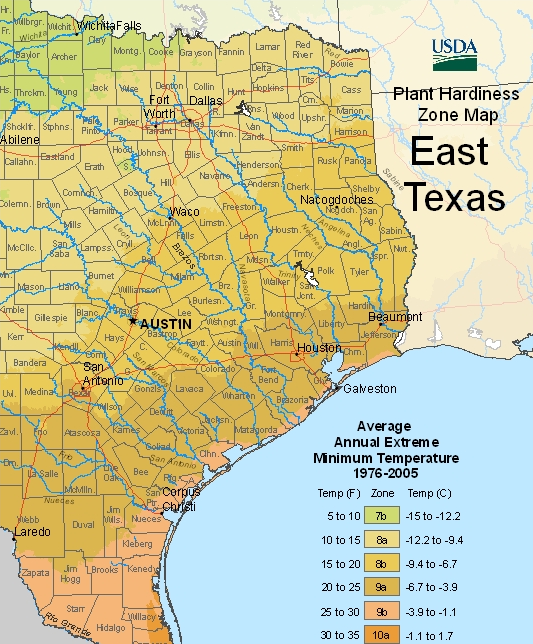
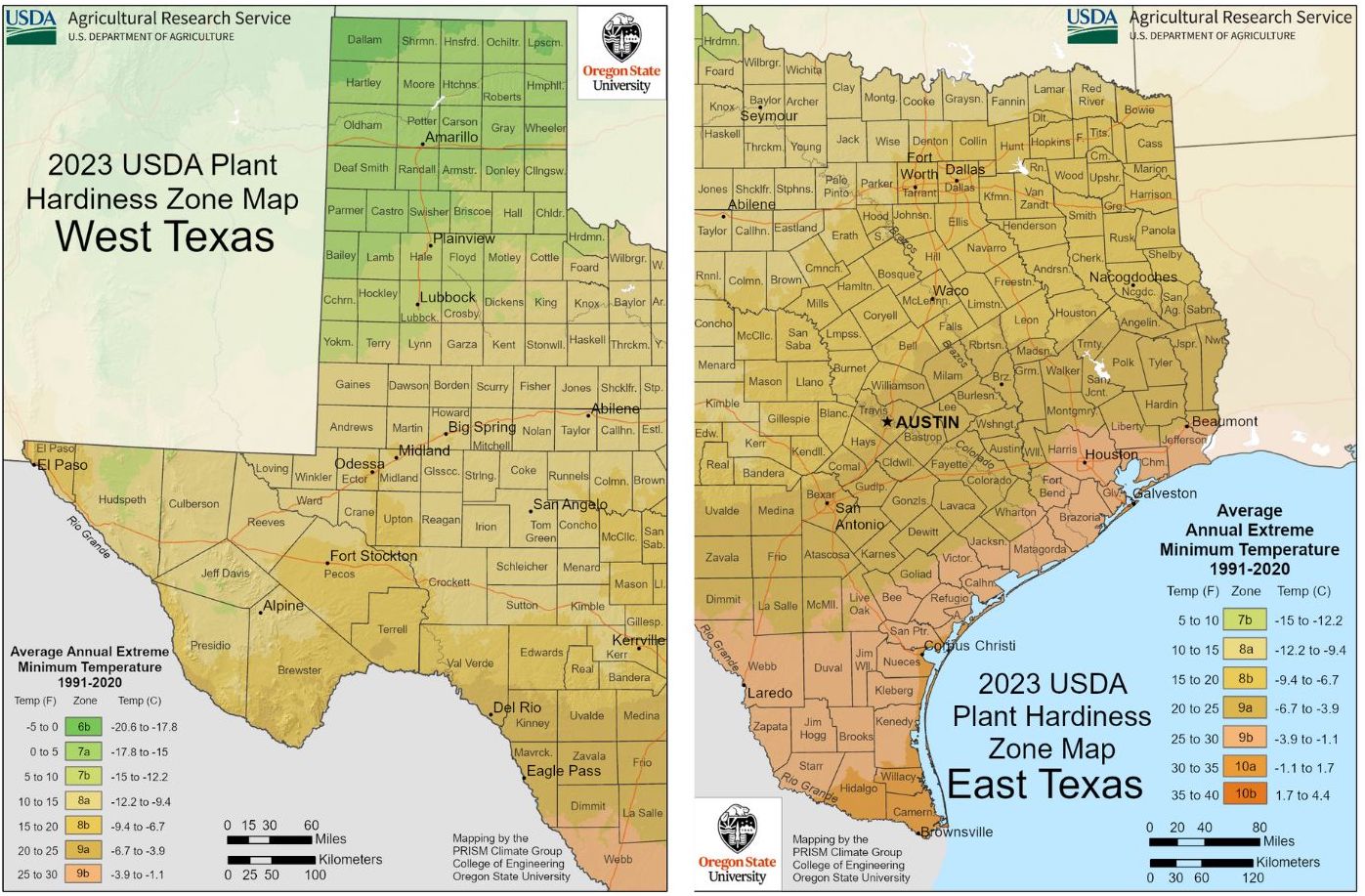
The United States Department of Agriculture (USDA) Plant Hardiness Zone Map is the definitive guide for gardeners, dividing North America into zones based on average annual minimum winter temperatures. These zones are critical because they indicate which perennial plants are most likely to survive a winter in a particular location. For San Antonio, Texas, this map reveals a consistent designation that speaks volumes about its climate: Zone 9a.
The Significance of Zone 9a
Zone 9a signifies that San Antonio experiences average annual minimum winter temperatures between 20°F and 25°F (-6.7°C to -3.9°C). This range is mild enough to allow for a surprisingly diverse array of plant life to flourish year-round, with only occasional, brief periods of hard frost. Unlike regions with harsher winters, Zone 9a in San Antonio means that many tropical and subtropical plants can survive, and even thrive, alongside more traditional temperate-climate species. This extends the gardening season significantly and opens up a wider palette for landscape designers and home gardeners alike.
Microclimates within San Antonio
While Zone 9a is the overarching designation, it’s important to acknowledge that microclimates can exist within San Antonio. Factors such as proximity to the Edwards Aquifer, urban heat island effects, and the presence of large bodies of water or dense tree canopies can slightly alter local temperatures. For instance, areas closer to downtown may experience warmer nights due to heat absorption by buildings and pavement, potentially pushing them towards the warmer end of Zone 9a or even Zone 9b. Conversely, more rural outskirts might experience slightly cooler temperatures. Awareness of these local nuances can help fine-tune planting strategies for optimal success.
Thriving Flora: What Grows Well in San Antonio’s Zone 9a
The designation of Zone 9a in San Antonio, Texas, allows for a rich tapestry of plant life to take root and flourish. This mild climate, characterized by warm summers and relatively cool, but not frigid, winters, supports a broad spectrum of flora, from native Texan species adapted to the arid and semi-arid conditions to a surprising variety of subtropical and even some less hardy temperate plants.
Native and Adapted Beauties
San Antonio’s landscape is a testament to the resilience and beauty of plants that have evolved to thrive in the Texan environment. These species require less water and maintenance once established and provide vital habitat for local wildlife.
- Texas Sage (Leucophyllum frutescens): Often called “Cenizo” or “Barometer Bush,” this shrub is a quintessential Texas native. Its silvery-green foliage provides a beautiful contrast, and it bursts into vibrant purple blooms, particularly after rainfall, a common occurrence following dry spells. It’s drought-tolerant and thrives in full sun.
- Crossvine (Bignonia capreolata): A vigorous native vine, the Crossvine offers stunning trumpet-shaped flowers in shades of orange and red, appearing in spring. It’s excellent for covering arbors, fences, or walls and is remarkably adaptable to various soil conditions.
- Indian Blanket (Gaillardia pulchella): Also known as Firewheel, this cheerful wildflower is a riot of red and yellow petals. It’s incredibly drought-tolerant and attracts pollinators like bees and butterflies, making it a popular choice for naturalistic gardens and wildflower meadows.
- Palms: Several palm varieties can be successfully grown in San Antonio. The Texas Sabal Palm (Sabal texana) is a robust native, while species like the Mexican Fan Palm (Washingtonia robusta) and the Pindo Palm (Butia capitata) are also popular for their tropical aesthetic. They add a distinct Southwestern flair to landscapes.
- Turk’s Cap (Malvaviscus arboreus var. drummondii): This Texas native shrub is beloved for its unique, Turk’s cap-shaped red flowers that bloom from summer through fall. It’s shade-tolerant and attracts hummingbirds and butterflies, making it a versatile addition to gardens.
Subtropical and Exotic Delights
The mild winters of Zone 9a permit the cultivation of many plants typically associated with warmer climates. This allows San Antonio gardeners to achieve a more exotic and lush feel in their landscapes.
- Citrus Trees: Varieties like Meyer Lemons, Limes, and Oranges can often be grown successfully in protected San Antonio gardens. While they may require some winter protection during colder snaps, the overall climate is conducive to fruit production. Container planting is an excellent strategy to allow for easy relocation during frost warnings.
- Bougainvillea: These vibrant flowering vines are synonymous with warm climates and thrive in San Antonio’s sunshine. Their spectacular bracts in shades of pink, red, orange, and purple add an explosion of color to walls and trellises. They are drought-tolerant once established and prefer well-drained soil.
- Hibiscus: Both hardy and tropical hibiscus varieties can flourish here. Tropical hibiscus offers showy, large blooms in a dazzling array of colors, while hardy hibiscus provides a more robust option with striking flowers that can withstand slightly cooler temperatures.
- Agave and Yucca: These succulents and desert plants are perfectly suited to San Antonio’s climate, requiring minimal water and full sun. They offer striking architectural forms and textures to garden designs, contributing to a low-maintenance, drought-tolerant landscape.
Edible Gardening Opportunities
Zone 9a also presents a fantastic opportunity for a prolonged growing season for edible crops. San Antonio gardeners can enjoy multiple harvests throughout the year.
- Vegetables: Cool-season vegetables like lettuce, spinach, broccoli, and peas can be planted in the fall and winter. As the weather warms, they transition to warm-season crops such as tomatoes, peppers, beans, squash, and corn. The extended mild winters mean that some crops can be grown almost continuously.
- Herbs: Many culinary herbs thrive in San Antonio. Basil, rosemary, thyme, oregano, and mint are generally easy to grow and can provide fresh ingredients for the kitchen year-round, especially when protected from the harshest winter frosts.
Designing Your San Antonio Garden: Tips for Zone 9a Success
Living in Zone 9a presents a unique opportunity for San Antonio residents to create diverse and beautiful gardens. However, success hinges on understanding the specific environmental factors at play and implementing thoughtful design and care practices. The key is to embrace the benefits of a mild winter while preparing for the intensity of Texas summers.
Strategic Planting and Seasonal Planning
The mild winters of Zone 9a allow for an extended growing season, but also require a strategic approach to planting.
- Fall is the New Spring: For many plants, especially cool-season vegetables and certain perennials, fall is the most critical planting season in San Antonio. The cooler temperatures allow roots to establish before the heat of summer or the occasional chill of winter. Planting fall vegetables like kale, spinach, carrots, and radishes in September and October can yield a bountiful harvest well into the cooler months.
- Spring Awakening: As winter recedes, spring is a time for transitioning to warm-season crops and flowers. Tomatoes, peppers, melons, and corn can be planted after the last frost date, typically around mid-March. This is also an ideal time to sow annual flowers and invigorate perennial beds.
- Summer Survival: San Antonio summers are notoriously hot and humid. Plants need to be chosen for their heat tolerance. Native and adapted plants are excellent choices. For other varieties, providing adequate shade, especially during the hottest part of the day, is crucial. Deep, infrequent watering is more effective than shallow, frequent irrigation, encouraging deeper root growth. Mulching heavily helps to retain soil moisture and keep roots cool.
Water-Wise Gardening
Water conservation is paramount in Texas, and San Antonio is no exception. Designing a garden with water efficiency in mind is not just environmentally responsible but also practical.
- Drought-Tolerant Selections: Prioritize planting species that are naturally adapted to arid or semi-arid conditions. Native Texas plants, succulents, and many Mediterranean herbs are excellent choices. These plants require less supplemental watering once established.
- Efficient Irrigation Systems: If irrigation is necessary, consider installing a drip irrigation system or soaker hoses. These systems deliver water directly to the plant roots, minimizing evaporation loss that occurs with overhead sprinklers. Watering early in the morning is also recommended, as it reduces water loss due to heat and wind.
- Mulching is Key: A thick layer of organic mulch (such as wood chips, compost, or shredded bark) around plants serves multiple purposes. It suppresses weeds, conserves soil moisture by reducing evaporation, and moderates soil temperatures, keeping roots cooler in the summer and warmer in the winter.
Soil Health and Preparation
The soil in San Antonio can vary, often leaning towards alkaline and clayey. Improving soil health is fundamental to successful gardening.
- Composting: Incorporating generous amounts of compost into garden beds before planting will improve soil structure, drainage, and nutrient content. Compost acts as a natural soil conditioner, making it more workable and beneficial for plant roots.
- Soil Testing: Consider getting a soil test to understand the specific nutrient deficiencies or pH imbalances in your garden. This will guide you in making targeted amendments. San Antonio soils can sometimes be high in calcium, which can affect nutrient availability.
- Raised Beds: For areas with particularly challenging soil conditions or poor drainage, raised garden beds offer an excellent solution. They allow you to control the soil mixture completely, ensuring optimal conditions for your plants.
Preparing for Winter
While Zone 9a is mild, occasional freezes do occur. Being prepared is essential for protecting tender plants.
- Frost Protection: For borderline hardy plants, have frost cloths, blankets, or tarps ready. These can be draped over plants on nights when frost is predicted. Moving potted plants to a sheltered location, such as a garage or under an overhang, is also effective.
- Hard Freeze Preparation: In the event of a hard freeze (temperatures consistently below 25°F), more extensive protection may be needed for sensitive species like citrus trees or certain tropical plants. Wrapping trunks and covering the entire plant may be necessary.
- Encourage Dormancy: For perennial plants that are less sensitive, allowing them to go dormant naturally is beneficial. Avoid excessive watering or fertilizing as temperatures begin to drop, as this can encourage tender new growth that is susceptible to frost damage.
By understanding San Antonio’s USDA Hardiness Zone 9a and implementing these gardening strategies, residents can cultivate vibrant, resilient, and beautiful landscapes that are both a joy to behold and a testament to the city’s unique climate.
Beyond the Zone: Experiencing San Antonio’s Green Spaces and Horticultural Attractions
While understanding San Antonio’s gardening zone is fundamental for cultivation, experiencing the city’s commitment to green spaces offers a broader appreciation of its horticultural richness. San Antonio boasts a variety of attractions where the region’s unique climate and diverse plant life are showcased, offering inspiration and beauty to residents and visitors alike. These locations provide a tangible connection to the city’s natural heritage and its dedication to preserving and celebrating its flora.
The Majestic San Antonio Botanical Garden
A cornerstone of horticultural exploration in the city, the San Antonio Botanical Garden is a must-visit for anyone interested in plants that thrive in Zone 9a. This expansive garden features a diverse collection of plant species, meticulously curated to represent both native Texas flora and plants from around the world that are suited to similar climates.
- The Lucile Halsell Conservatory: This iconic structure is a highlight, housing distinct climate-controlled environments. Visitors can explore arid gardens reminiscent of the Southwest, a tropical rainforest, and a cool, temperate exhibit, offering a glimpse into varied ecosystems. The conservatory is particularly valuable for showcasing plants that might struggle outdoors during an unusually harsh winter or intense summer heat, demonstrating their potential under protected conditions.
- Native Texas Eco-Region: A significant portion of the garden is dedicated to showcasing the plants native to Texas’s various eco-regions, including the South Texas Brush Country and the Hill Country. This exhibit is invaluable for gardeners seeking to create water-wise, low-maintenance landscapes that support local wildlife.
- Culinary and Sensory Gardens: The inclusion of culinary and sensory gardens provides practical inspiration, demonstrating how to incorporate edible plants and fragrant species into home landscapes. These areas highlight herbs, vegetables, and fruits that perform well in San Antonio’s climate, encouraging visitors to bring a taste of the garden into their kitchens.
Historic Missions and Natural Beauty
San Antonio’s UNESCO World Heritage sites, the Missions of San Antonio, offer a unique blend of history and natural beauty. While not exclusively botanical attractions, the grounds surrounding these historic structures often feature mature trees and native landscaping that have adapted to the local conditions over centuries.
- Mission San José: Known as the “Queen of the Missions,” Mission San José’s grounds often feature large, shade-providing trees, many of which are native species that have thrived in the area for generations. Walking these historic grounds allows one to appreciate how plants integrate with historical architecture and contribute to the serene atmosphere.
- Mission Concepción: This mission’s setting often includes open spaces and mature trees, providing a sense of timelessness. The landscaping here is typically designed to complement the historic structures, often utilizing drought-tolerant plants that reflect the region’s natural environment.
The River Walk’s Lush Embrace
The internationally renowned River Walk is more than just a bustling urban thoroughfare; it’s a carefully cultivated landscape that thrives along the San Antonio River. The lush vegetation lining the riverbanks is a testament to how plant life can be integrated into an urban setting, even within the demands of a busy tourist destination.
- Diverse Plantings: Along the River Walk, one can observe a variety of flowering plants, vines, and trees that are chosen for their aesthetic appeal, ability to thrive in the local climate, and their resilience in an urban environment. Many of these are selected for their year-round interest, ensuring the walkway remains vibrant through different seasons.
- Water Management and Landscaping: The success of the River Walk’s greenery highlights innovative approaches to urban landscaping and water management, showcasing how water features can be integrated with planting to create a visually stunning and ecologically conscious environment.

Local Nurseries and Garden Centers
For those inspired to begin their own gardening endeavors, San Antonio is home to numerous excellent local nurseries and garden centers. These establishments are invaluable resources, staffed by knowledgeable horticulturalists who understand the specific challenges and opportunities of gardening in Zone 9a.
- Expert Advice: Staff at local nurseries can provide tailored recommendations for plants that will thrive in specific microclimates within San Antonio, advise on pest and disease management strategies relevant to the region, and offer guidance on soil preparation and watering techniques.
- Wide Selection: These centers typically carry a broad selection of plants, from native and drought-tolerant species to seasonal annuals and perennials, ensuring that gardeners have access to the best options for their projects. They often feature plants that are proven performers in the local Zone 9a climate.
By exploring these horticultural attractions and engaging with local resources, individuals can gain a deeper appreciation for San Antonio’s green heart and the enduring beauty of its gardens, all nurtured within the unique embrace of its Zone 9a climate.
LifeOutOfTheBox is a participant in the Amazon Services LLC Associates Program, an affiliate advertising program designed to provide a means for sites to earn advertising fees by advertising and linking to Amazon.com. Amazon, the Amazon logo, AmazonSupply, and the AmazonSupply logo are trademarks of Amazon.com, Inc. or its affiliates. As an Amazon Associate we earn affiliate commissions from qualifying purchases.