
Seattle, a city renowned for its lush greenery and vibrant botanical tapestry, owes much of its horticultural success to its specific climate. Nestled in the Pacific Northwest, this dynamic metropolis enjoys a temperate maritime climate, which dictates its unique gardening zone. Understanding this zone is crucial for anyone looking to cultivate a thriving garden, whether they’re a seasoned botanist or a novice with a budding green thumb. This article delves into Seattle’s gardening zone, exploring the factors that influence it and the implications for plant selection and gardening practices.
The concept of gardening zones, often referred to as USDA Plant Hardiness Zones, is a standard system developed by the United States Department of Agriculture. It divides North America into 11 distinct zones, each characterized by its average annual minimum winter temperature. This categorization is fundamental for gardeners, as it provides a reliable guide for determining which perennial plants are likely to survive the winter in a particular location. Seattle’s placement within these zones directly impacts the types of flora that can flourish year-round, influencing everything from the iconic cherry blossoms that grace the city in spring to the hardy evergreens that provide a verdant backdrop throughout the year.
Understanding Seattle’s Horticultural Climate
Seattle’s climate is a defining characteristic that shapes its identity, from its iconic misty mornings to its vibrant summer days. The city’s location, influenced by the Pacific Ocean and the surrounding mountain ranges, creates a distinct microclimate that is highly conducive to gardening. Understanding the nuances of this climate is the first step to unlocking Seattle’s full gardening potential.
The Influence of the Pacific Ocean and Geography
The proximity of Seattle to the Pacific Ocean plays a pivotal role in moderating its temperatures. The vast body of water acts as a thermal regulator, preventing extreme temperature fluctuations. This means that Seattle experiences relatively mild winters, with temperatures rarely dropping to severe lows, and cooler summers compared to inland cities at similar latitudes. The average annual minimum winter temperature is a key determinant of a gardening zone. For Seattle, this typically places it within a specific range that allows a wide variety of plants to survive.
Furthermore, the geographical features of the region contribute to Seattle’s climate patterns. The Olympic Mountains to the west and the Cascade Mountains to the east create a rain shadow effect. While the western slopes of the Olympics receive abundant rainfall, the Puget Sound basin, where Seattle is located, experiences a rain shadow, resulting in less precipitation during the summer months. This pattern leads to dry summers, which is an important consideration for plant selection and irrigation strategies.
The urban environment itself also contributes to Seattle’s microclimate. The “urban heat island effect” means that cities tend to be slightly warmer than surrounding rural areas. This can offer a slight advantage for gardeners, potentially extending the growing season or allowing for the cultivation of plants that might otherwise be borderline in cooler rural settings. However, the overall moderating influence of the Pacific remains the dominant factor.
Precipitation Patterns and Growing Seasons
Seattle is famously known for its rain. While the city is often stereotyped as perpetually drenched, the reality is a bit more nuanced. The majority of Seattle’s precipitation falls during the autumn, winter, and spring months. This consistent moisture is a boon for many plants, supporting lush growth and vibrant greenery. The high humidity during these periods can also benefit certain species that thrive in such conditions.
However, the dry summers are a critical aspect for gardeners. From roughly July through September, rainfall is significantly reduced. This means that supplemental watering becomes essential for many garden plants, especially those that require consistent moisture. Understanding these precipitation patterns allows gardeners to plan for seasonal water needs and select drought-tolerant species or those that naturally go dormant during dry periods.
The combination of mild winters and dry summers defines Seattle’s growing season. The last frost typically occurs in late spring, and the first frost usually arrives in late autumn. This provides a substantial window for plants to grow, flower, and fruit. The absence of extreme cold allows many tender perennials and even some subtropical plants to survive the winter outdoors, significantly broadening the palette of possible garden designs and plant choices.
Determining Seattle’s Gardening Zone
The official designation of gardening zones provides a scientific framework for understanding plant hardiness. For Seattle, this classification is a key piece of information for anyone venturing into gardening.
USDA Plant Hardiness Zones in Seattle
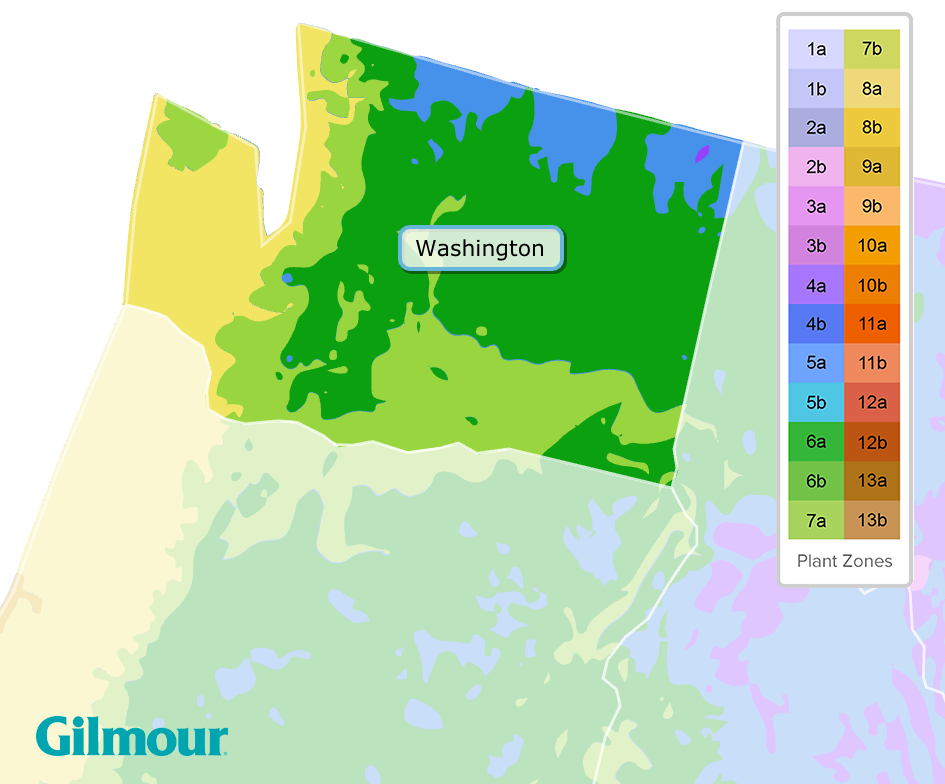
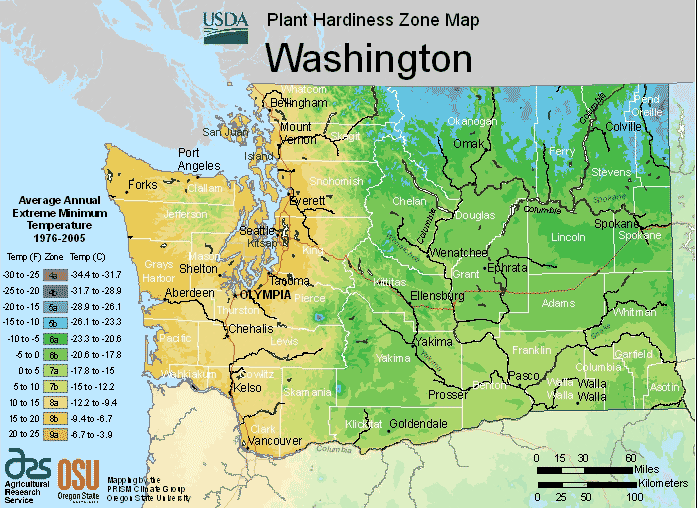
The most widely accepted system for determining plant hardiness is the USDA Plant Hardiness Zone Map. This map categorizes regions based on their average annual minimum winter temperatures. Seattle generally falls into USDA Hardiness Zone 8b.
Zone 8b is characterized by average annual minimum winter temperatures ranging from 15 to 20 degrees Fahrenheit (-12.2 to -6.7 degrees Celsius). This designation signifies that most perennial plants rated for Zone 8b and above can be expected to survive the winter outdoors in Seattle without special protection. This is a relatively mild zone, which explains the abundance of diverse plant life seen throughout the city, from the botanical gardens to private backyards.
Within Zone 8b, there can be variations due to microclimates. For example, areas closer to the water might be slightly milder than those further inland or at higher elevations. Similarly, urban areas might experience slightly warmer temperatures due to the heat island effect. However, Zone 8b serves as a reliable general guideline for the majority of Seattle.
Implications for Plant Selection and Gardening Practices
Being in Zone 8b opens up a world of possibilities for Seattle gardeners. It means that many plants that might struggle in colder climates can thrive here. This includes a wide array of flowering shrubs, fruit trees, perennial flowers, and even some semi-tropical species.
For instance, many varieties of roses, hydrangeas, and rhododendrons, which are popular in the Pacific Northwest, do exceptionally well in Zone 8b. Citrus trees, which are typically grown in containers in colder regions, can sometimes be grown directly in the ground in protected spots in Seattle, especially in Zone 8b. Similarly, certain herbs and vegetables can be grown year-round or harvested for a longer season.
The dry summers in Seattle, however, necessitate thoughtful gardening practices. While the mild winters are a blessing, water conservation is a crucial consideration during the drier months. Gardeners need to be mindful of their watering schedules, opting for deep, infrequent watering to encourage strong root development. Mulching is also highly recommended to retain soil moisture and suppress weeds.
Choosing plants that are well-suited to both the mild winters and dry summers is key to a successful Seattle garden. Native plants are often an excellent choice, as they are naturally adapted to the local climate and soil conditions. Additionally, selecting drought-tolerant species can reduce the need for supplemental irrigation. Understanding the specific needs of each plant, particularly regarding water and sunlight, is essential for creating a flourishing and sustainable garden in Seattle.
Gardening in Seattle: Tips for Success

Leveraging Seattle’s unique gardening zone requires an understanding of its specific environmental conditions and a willingness to adapt practices accordingly. From selecting the right plants to managing water resources, several strategies can ensure a vibrant and productive garden.
Leveraging Zone 8b for Diverse Plant Choices
The advantage of living in Zone 8b cannot be overstated. It allows for a remarkable diversity in plant selection, far exceeding what is possible in colder climates. This means Seattle gardeners can experiment with a wide range of species, from classic temperate climate plants to those that are slightly more tender.
For flowering plants, consider varieties of Japanese maples, which offer stunning foliage in various shades of red, orange, and yellow. Many types of ferns also thrive in Seattle’s moist conditions and shady spots, adding a lush, woodland feel to gardens. Popular choices include the Sword Fern (Polystichum munitum) and the Ostrich Fern (Matteuccia struthiopteris). For spring blooms, consider bulbs like tulips, daffodils, and hyacinths, which perform exceptionally well in the region’s cool, damp soil. Summer-blooming perennials like coneflowers, hostas, and astilbes provide continuous color.
When it comes to trees and shrubs, the options are vast. Evergreen varieties like Douglas fir (Pseudotsuga menziesii) and Western Red Cedar (Thuja plicata) are native to the region and thrive in the climate, providing year-round structure and screening. Deciduous options like flowering cherries, dogwoods, and magnolias bring spectacular spring displays. For those looking to grow edibles, fruit trees such as apples, pears, and plums are well-suited. Berries like blueberries, raspberries, and strawberries are also highly productive in Seattle’s climate.
Even some slightly more adventurous plantings can be successful. With careful siting and potentially some winter protection for the coldest snaps, gardeners might experiment with plants like certain varieties of camellias, fuchsias, and even citrus trees in sheltered microclimates. The key is to research specific plant needs and ensure they align with the general conditions of Zone 8b.
Addressing Seasonal Challenges: Dry Summers and Mild Winters
While Seattle’s mild winters are a major benefit, the dry summers present a significant challenge that requires proactive management. Consistent watering is crucial, especially during the peak summer months when natural rainfall is scarce. Implementing water-wise gardening techniques can help conserve this precious resource.
Watering Strategies:
- Deep Watering: Water deeply and less frequently to encourage the development of strong, deep root systems. This makes plants more resilient to dry spells.
- Morning Watering: Water in the early morning to minimize evaporation and reduce the risk of fungal diseases.
- Drip Irrigation and Soaker Hoses: These systems deliver water directly to the plant roots, minimizing water waste compared to overhead sprinklers.
- Rain Barrels: Collecting rainwater can provide a sustainable source of water for your garden.
Mulching: Applying a layer of organic mulch (such as wood chips, shredded bark, or compost) around plants helps to retain soil moisture, regulate soil temperature, and suppress weed growth. This is particularly beneficial during the dry summer months.
Plant Selection for Dry Spells: Incorporating drought-tolerant plants into your garden design can significantly reduce water reliance. Many native Pacific Northwest plants, such as salal (Gaultheria shallon) and various types of sedums, are well-adapted to drier conditions once established. Succulents and ornamental grasses are also excellent choices for their low water needs and aesthetic appeal.
Regarding the mild winters, the primary concern is not typically extreme cold but rather prolonged periods of dampness and potential for root rot in poorly draining soils. Ensuring good soil drainage is paramount. Amending heavy clay soils with compost and organic matter can significantly improve drainage. Raised beds are also an excellent solution for gardens with poor drainage, allowing gardeners to create their own ideal soil conditions.
While Zone 8b generally implies that most plants will survive the winter, it’s still wise to be aware of occasional frost events. Protecting more tender plants during unexpected cold snaps with frost cloths or cloches can be a prudent measure, especially if pushing the boundaries of plant hardiness.
By understanding Seattle’s gardening zone and proactively addressing its seasonal characteristics, gardeners can cultivate a thriving, beautiful, and sustainable landscape that celebrates the unique climate of the Emerald City. Whether you’re looking to enjoy the vibrant blooms of spring, the lush greenery of summer, or the striking colors of autumn, Seattle’s Zone 8b provides a fertile ground for horticultural success.
Exploring Seattle’s Green Spaces and Horticultural Attractions
Beyond private gardens, Seattle boasts a wealth of public parks and botanical attractions that showcase the region’s horticultural bounty and provide inspiration for gardeners of all levels. These destinations offer a chance to experience the diversity of plant life that thrives in Seattle’s climate and learn more about local flora.
Iconic Gardens and Parks
Seattle’s park system is extensive, with many locations offering stunning horticultural displays. The Washington Park Arboretum is a must-visit for any plant enthusiast. This sprawling 230-acre park is home to an impressive collection of trees and shrubs, including a renowned azalea way, a Japanese garden, and a conifer collection. It serves as a living museum, showcasing a wide variety of species that are well-suited to the Pacific Northwest climate, many of which fall within the hardiness range of Zone 8b.
Another significant attraction is the Volunteer Park Conservatory, located in Volunteer Park. This historic Victorian-era glasshouse houses a diverse collection of tropical, subtropical, and desert plants. While the Conservatory’s collections extend beyond what is typically hardy outdoors in Seattle, it provides a glimpse into the possibilities of plant cultivation in controlled environments and offers inspiration for plant choices in milder microclimates. The surrounding Volunteer Park itself is a beautiful urban oasis with formal gardens, mature trees, and stunning views of the city and Puget Sound.
For those interested in native plants, the Discovery Park offers miles of trails through diverse ecosystems, including forests, meadows, and beaches, showcasing the natural beauty of the Puget Sound region. Exploring these natural areas can provide valuable insights into which plants are inherently adapted to Seattle’s environment.
Horticultural Societies and Community Gardens
Seattle is home to a vibrant community of gardeners, supported by various horticultural societies and a robust network of community gardens. Engaging with these groups can provide invaluable local knowledge, practical advice, and opportunities to share the joys of gardening.
The Washington State University (WSU) Extension program offers extensive resources for home gardeners, including Master Gardener programs that provide expert advice and educational workshops tailored to the local climate. These programs are an excellent starting point for understanding the specifics of gardening in Seattle.
Community gardens are scattered throughout the city, offering residents the opportunity to cultivate their own plots, often in urban settings where private gardening space might be limited. These gardens are not only sources of fresh produce but also hubs for knowledge exchange and community building. Participating in or visiting a community garden can offer a practical education in seasonal planting, pest management, and soil improvement specific to Seattle’s conditions.
Exploring these public spaces and community initiatives offers a comprehensive understanding of Seattle’s gardening identity. From the carefully curated collections in its botanical gardens to the grassroots efforts in community plots, the city’s passion for horticulture is evident, making it an inspiring place for anyone looking to connect with nature and cultivate their own piece of the Emerald City.
LifeOutOfTheBox is a participant in the Amazon Services LLC Associates Program, an affiliate advertising program designed to provide a means for sites to earn advertising fees by advertising and linking to Amazon.com. Amazon, the Amazon logo, AmazonSupply, and the AmazonSupply logo are trademarks of Amazon.com, Inc. or its affiliates. As an Amazon Associate we earn affiliate commissions from qualifying purchases.