
Embarking on a journey to the bustling metropolis of New York City promises an unforgettable adventure, filled with iconic landmarks, diverse culture, and endless opportunities for exploration. However, for travelers hailing from different corners of the globe, one of the first practical considerations is often understanding the local time. The question “What GMT is New York?” is more than just a query about a clock setting; it’s an entry point into planning seamless travel, mitigating jet lag, and fully immersing oneself in the rhythmic pulse of the city that never sleeps.
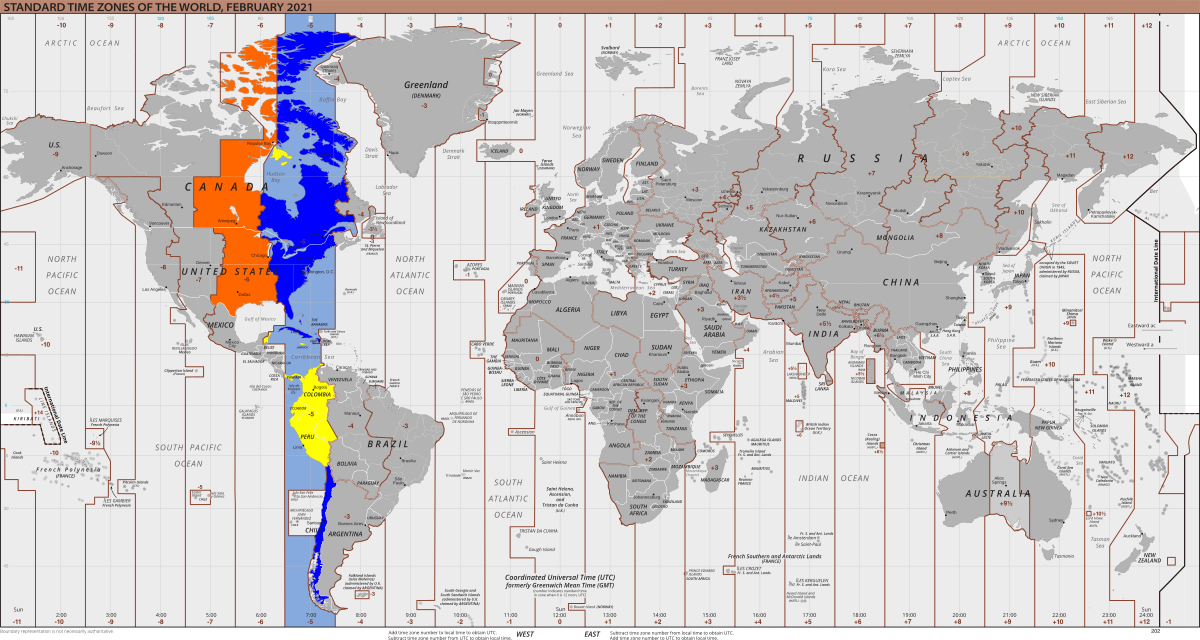
New York, like much of the eastern United States of America (USA), observes two distinct time zones throughout the year: Eastern Standard Time (EST) and Eastern Daylight Time (EDT). These time zones are defined by their offset from Greenwich Mean Time (GMT), the historic prime meridian from which all other time zones are calculated. For travelers, understanding this relationship is crucial for everything from booking flights and coordinating hotel check-ins to scheduling calls with family back home and navigating tour times. This comprehensive guide will demystify New York’s time zones, offer practical advice for a smooth transition, and help you maximize every precious moment of your visit.
Decoding New York’s Time Zone: EST and EDT
The concept of standardized time zones emerged in the late 19th century, primarily to facilitate railway scheduling and improve communication across vast territories. Before this, towns often set their clocks based on local apparent solar time, leading to significant inconsistencies. The introduction of a global standard, centered around the Royal Observatory in Greenwich, London, United Kingdom, provided a much-needed framework.
The Basics of Greenwich Mean Time (GMT)
Greenwich Mean Time (GMT) is the mean solar time at the Royal Observatory in Greenwich, London. Historically, it served as the international civil time standard. While coordinated universal time (UTC) has largely superseded GMT as the primary scientific standard, GMT remains widely recognized, especially in the United Kingdom and by many for general public understanding. It acts as the “zero point” from which all other time zones are referenced, either as “plus” or “minus” a certain number of hours. For instance, a city might be GMT+1 or GMT-5.
Eastern Standard Time (EST) Explained
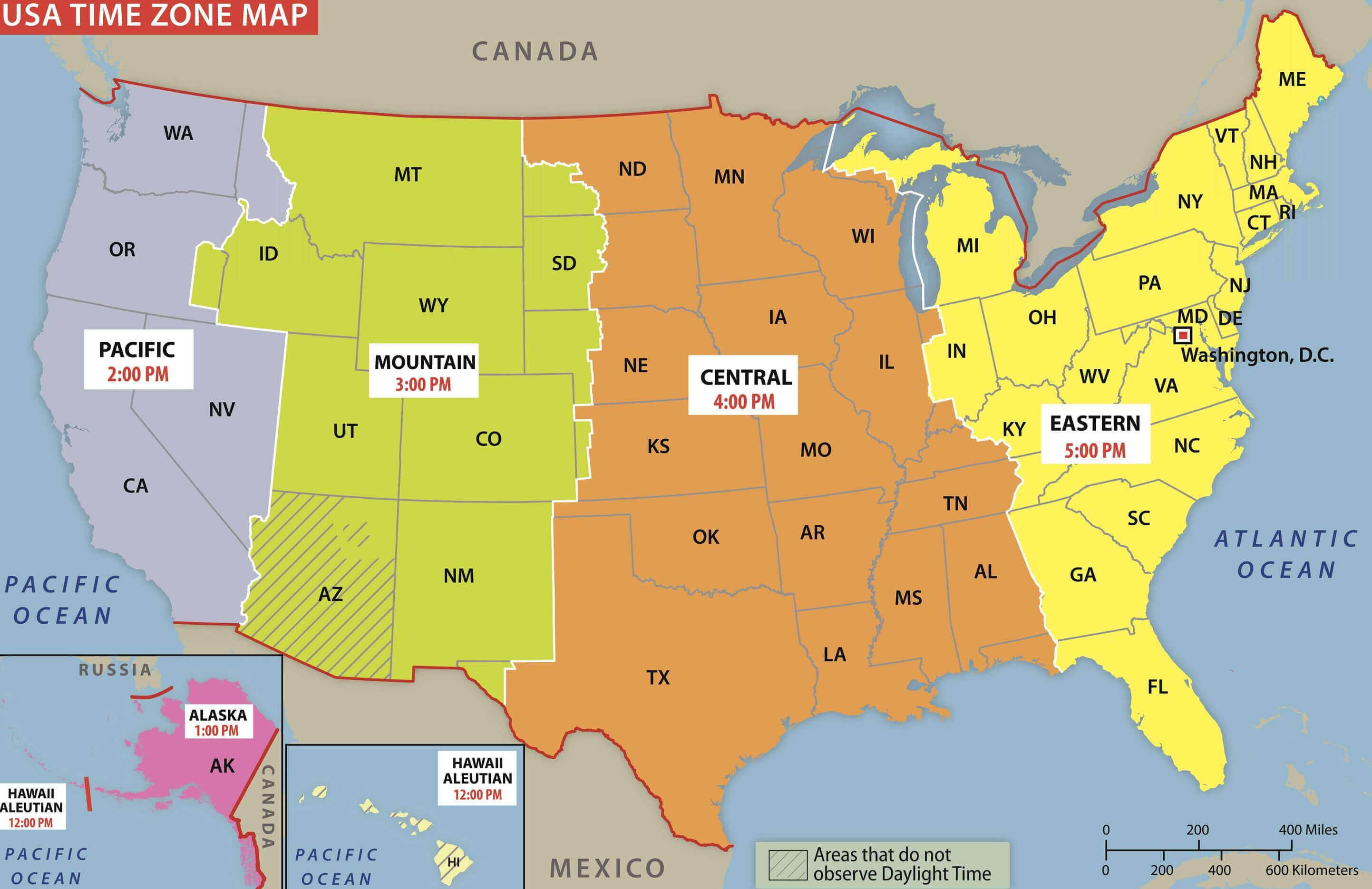
Eastern Standard Time (EST) is the standard time zone for the eastern part of North America. When New York is observing EST, it is five hours behind Greenwich Mean Time, denoted as GMT-5. This period typically runs from early November to mid-March. During these months, if it’s noon in London (12:00 GMT), it would be 7:00 AM in New York City. This differential is particularly important for business travelers and those coordinating with colleagues or family in Europe, Africa, or Asia.
Embracing Eastern Daylight Time (EDT)
To make better use of daylight during the warmer months, many regions, including New York, shift to Daylight Saving Time. In the eastern USA, this is known as Eastern Daylight Time (EDT). During EDT, clocks are moved forward by one hour. Consequently, New York becomes four hours behind Greenwich Mean Time, expressed as GMT-4. This change typically occurs on the second Sunday in March and reverts to EST on the first Sunday in November.
The shift to EDT means that those visiting from Europe will find the time difference slightly reduced, while those from Asia or Australia might experience a different shift. It’s vital to be aware of whether your trip falls within EST or EDT periods, as this can affect arrival times, hotel bookings, and coordination with local activities. Always double-check current local time before departure and upon arrival to avoid any confusion.
Navigating Time Differences as a Traveler
The thrill of a New York adventure often comes with the practical challenge of adapting to a new time zone. Whether you’re crossing the Atlantic Ocean from Europe or journeying from the Pacific Rim, the time difference can impact your initial days. Thoughtful planning can make this transition smoother, allowing you to quickly dive into the city’s vibrant offerings.
Overcoming Jet Lag: Tips for a Smooth Transition
Jet lag, the common nemesis of long-haul travelers, is a physiological condition resulting from disruptions to the body’s natural circadian rhythm. When traveling to New York from the east, you’ll be “gaining” hours, which often results in waking up too early and feeling tired in the late afternoon. From the west, you “lose” hours, potentially leading to insomnia and difficulty waking up. Here are some strategies to minimize its effects:
- Adjust Before You Go: A few days before your trip, try to shift your sleep schedule closer to New York time. If flying west, stay up later; if flying east, try to go to bed earlier.
- Hydrate and Avoid Alcohol/Caffeine: Dehydration exacerbates jet lag. Drink plenty of water throughout your flight and upon arrival. Limit alcohol and caffeine, as they can disrupt sleep patterns.
- Embrace Natural Light: Upon arrival, expose yourself to natural sunlight, especially in the morning. This helps reset your internal clock. For example, a morning stroll through Central Park can do wonders.
- Stay Active: Gentle exercise can boost energy and improve sleep. Avoid strenuous workouts right before bed.
- Strategic Napping: If you must nap, keep it short (20-30 minutes) and early in the day to avoid disrupting nighttime sleep.
- Melatonin: Some travelers find melatonin supplements helpful for regulating sleep patterns. Consult a doctor before use.
- Set Your Watch Immediately: Once on the plane, change your watch to New York time. Start thinking and planning according to the destination’s clock.
Planning Your Itinerary Across Time Zones
When planning your New York itinerary, be mindful of the time difference, especially for your first few days. Don’t overschedule early mornings if you’re arriving from the east. Similarly, if arriving from the west, consider an early night initially.
- Arrival Day: Keep your arrival day flexible and less demanding. A scenic cruise around the Statue of Liberty and Ellis Island might be a gentler introduction than a packed museum visit.
- Booking Timed Tickets: Many popular attractions, like the Empire State Building, Top of the Rock at Rockefeller Center, or the Metropolitan Museum of Art, require timed entry. Double-check these times in relation to your body clock.
- Dining Reservations: New Yorkers tend to eat dinner later than in some other cultures. If you’re used to an early dinner, you might find popular restaurants quieter. Conversely, an early reservation might suit your jet-lagged stomach better.
Communication Across Continents: Staying Connected

Maintaining contact with loved ones or business partners back home requires careful consideration of time zones. If your family is in Europe, remember that their morning will be your early afternoon in New York, particularly during EDT when the difference is 4 hours. If they are in Asia or Australia, the time difference will be much greater, possibly requiring communication in the middle of your night or their morning.
- Use World Clock Apps: Keep a world clock app on your phone to easily track multiple time zones.
- Schedule Calls: Pre-arrange specific times for calls that work for both parties, accounting for the time difference.
- Consider Asynchronous Communication: Emails and messaging apps can be great for non-urgent communication, allowing responses when convenient for both sides.
The Rhythms of New York City: A Timeless Experience
New York City pulsates with an energy that is famously 24/7. Understanding how the city operates throughout its day can enhance your experience, allowing you to schedule activities that align with your natural rhythm and the city’s flow.
Morning in Manhattan: Early Bird Attractions
For many, the initial days in New York after an eastward flight might mean waking up with the sun, or even before it. This “jet lag advantage” can be a fantastic opportunity to experience Manhattan before the crowds descend.
- Sunrise Views: Catch a breathtaking sunrise from the Brooklyn Bridge or along the High Line.
- Quiet Walks: Enjoy a peaceful morning stroll through Central Park, watching locals jog, cycle, and walk their dogs. It’s a serene contrast to the daytime bustle.
- Early Coffee and Breakfast: Discover charming cafes in Greenwich Village or SoHo opening early.
- First Entry to Museums: Be among the first to enter world-class museums like the Metropolitan Museum of Art (The Met) or the Museum of Modern Art (MoMA), enjoying quieter galleries.
- Financial District: Explore Wall Street and the 9/11 Memorial & Museum in the quieter morning hours before the business day fully commences.
Afternoon Adventures and Iconic Landmarks
As the day progresses, New York’s energy swells, offering a myriad of options for every traveler. This is an ideal time for hitting the major tourist attractions, when you’re likely to be most alert and energized.
- Sky-High Views: Ascend the Empire State Building or Top of the Rock for panoramic cityscapes.
- Shopping Sprees: Indulge in retail therapy along Fifth Avenue or explore the boutiques of SoHo.
- Cultural Exploration: Visit diverse neighborhoods like Chinatown or Little Italy, savoring lunch and exploring unique shops.
- Architectural Wonders: Marvel at Grand Central Terminal, the United Nations Headquarters, or simply wander through the impressive canyons of Manhattan skyscrapers.
- The High Line: Enjoy a leisurely walk along the elevated park, admiring urban gardens and city views.
Evening Entertainment: Dining, Shows, and Nightlife
New York City truly comes alive at night, offering an unparalleled array of dining, theater, and entertainment options.
- Broadway Shows: A must-do for many visitors, catching a Broadway show in the Theater District is a quintessential New York experience. Plan to book tickets well in advance, especially for popular productions.
- Times Square: Experience the dazzling lights and vibrant energy of Times Square after dark, an iconic spectacle that defines New York nightlife.
- Culinary Delights: From Michelin-starred restaurants to cozy bistros, New York’s dining scene is incredibly diverse. Make reservations, especially if you have a specific restaurant in mind.
- Live Music and Bars: Explore jazz clubs in Greenwich Village, rooftop bars with stunning views, or a lively pub for a late-night drink.
- Nighttime Views: See the city lights from an observation deck, or take an evening ferry ride for spectacular views of the Manhattan skyline.
Practical Applications for Your New York Visit
A successful trip to New York isn’t just about what you see, but also how smoothly you navigate the logistics. Understanding the city’s time zone ensures your travel plans, accommodation, and daily activities align perfectly.
Booking Accommodations and Flights Wisely
- Flight Schedules: Pay close attention to arrival and departure times, noting whether they are local to New York or your point of origin. Factor in the time difference when scheduling connecting flights, ensuring ample layover time.
- Hotel Check-in/Check-out: Most hotels, whether luxury suites, cozy apartments, or sprawling resorts, have standard check-in and check-out times (e.g., 3:00 PM check-in, 11:00 AM check-out). If you arrive significantly earlier, you may need to arrange for early check-in or temporary luggage storage. Conversely, a late flight might necessitate a late check-out or storing bags until you head to the airport. Many accommodations are accustomed to international travelers and can assist with these needs.
- Time Zone Awareness for Bookings: When booking tours, restaurant reservations, or show tickets online, ensure you are selecting times based on New York local time. Websites usually automatically detect your location, but it’s always good to confirm.
Maximizing Your New York Experience Hour by Hour
Ultimately, managing the time difference effectively allows you to truly maximize your New York experience. By being aware of EST and EDT and preparing for the physiological effects of travel, you can transform potential challenges into opportunities.
- Embrace the Flexibility: The city offers something at every hour. If you find yourself wide awake at 5:00 AM, head out for a walk or find an early breakfast spot. If you’re feeling a mid-afternoon slump, consider a leisurely activity or a short rest.
- Leverage Technology: Modern smartphones automatically adjust to local time. Use this to your advantage, but also consider a traditional watch for a quick reference that doesn’t rely on battery life or signal.
- Prioritize Rest: While the temptation to do everything is strong, listen to your body. Adequate rest, especially in the first few days, will ensure you have the energy to enjoy the vibrant pace of New York without burning out.
- Local Culture: Observe how New Yorkers move through their day. Their efficient use of time and the constant flow of activities are part of the city’s unique charm and lifestyle.
In conclusion, New York City operates on Eastern Standard Time (EST), which is GMT-5, during the winter months, and Eastern Daylight Time (EDT), which is GMT-4, during the spring, summer, and fall. Armed with this knowledge and a few strategic tips for managing the time difference, you are well-prepared to embark on an incredible journey. From iconic landmarks and world-class accommodations to unforgettable dining and vibrant cultural experiences, every moment in New York is a testament to its timeless allure. So, set your watch, embrace the city’s rhythm, and prepare for an adventure unlike any other.
LifeOutOfTheBox is a participant in the Amazon Services LLC Associates Program, an affiliate advertising program designed to provide a means for sites to earn advertising fees by advertising and linking to Amazon.com. Amazon, the Amazon logo, AmazonSupply, and the AmazonSupply logo are trademarks of Amazon.com, Inc. or its affiliates. As an Amazon Associate we earn affiliate commissions from qualifying purchases.