
Understanding the growing zone of Austin, Texas, is more than just a question for gardeners and horticulturists. For travelers, it’s a fascinating insight into the local climate, the types of flora you’ll encounter, and even influences the best times to visit for optimal tourism experiences. This dynamic city in the heart of Texas boasts a climate that supports a vibrant ecosystem, influencing everything from the lush green spaces of its landmarks to the very flavors of its renowned food scene. Whether you’re planning a getaway focused on exploring the unique lifestyle of Austin, seeking the perfect accommodation, or simply curious about the natural beauty that defines this vibrant destination, knowing its growing zone provides a deeper appreciation for the Austin experience.
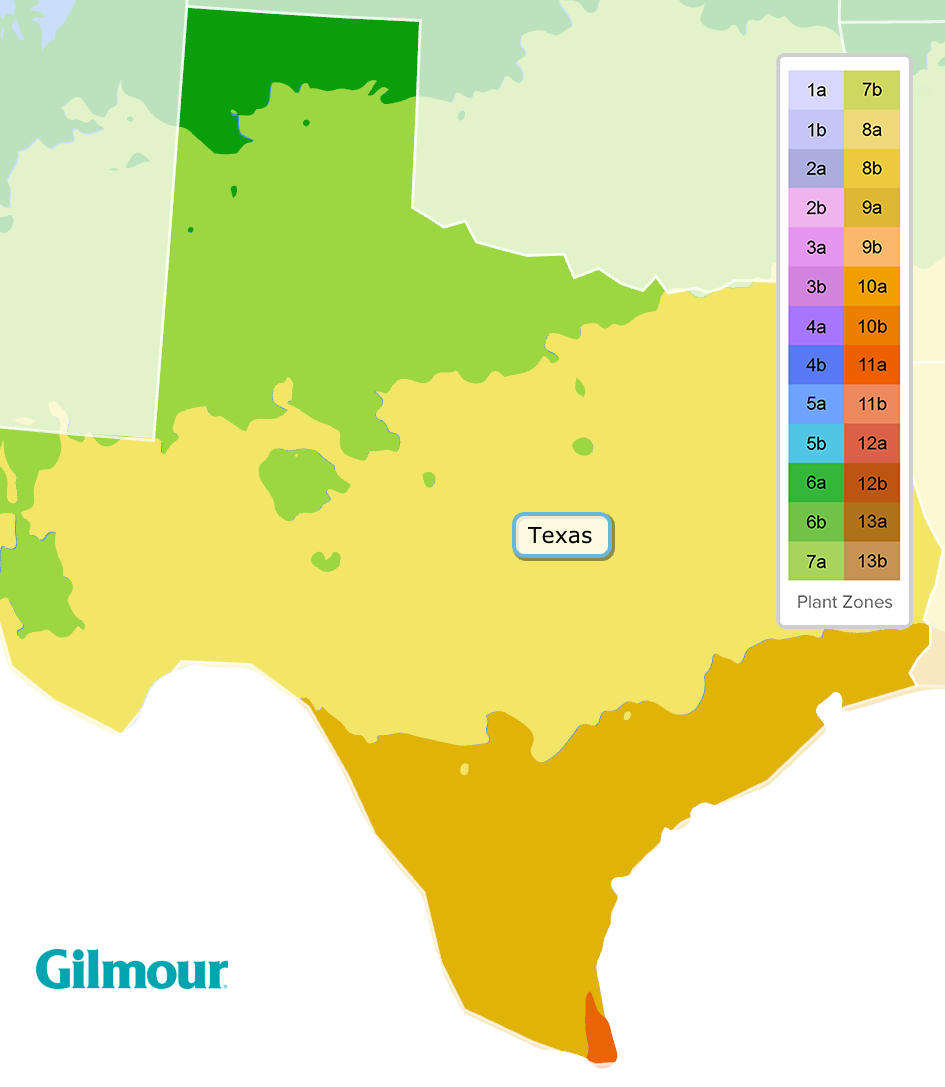
The United States Department of Agriculture (USDA) Plant Hardiness Zone Map is the definitive guide to understanding which perennial plants are most likely to thrive in a particular location. These zones are based on the average annual minimum winter temperature, dividing the country into 13 zones, each 10°F warmer than the last. For Austin, Texas, this translates to a climate that is generally mild, allowing for a long growing season and a wide variety of plant life. This mild climate is a significant factor in what makes Austin such an attractive travel destination, enabling outdoor activities and the flourishing of its natural attractions year-round.
Austin’s Place on the USDA Plant Hardiness Map
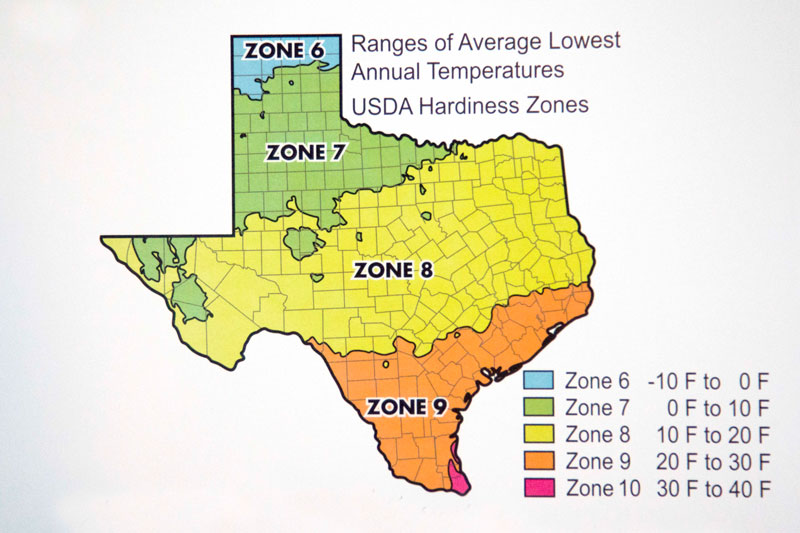
Austin, Texas, primarily falls within USDA Plant Hardiness Zones 8b and 9a. This classification is a crucial piece of information for anyone interested in the region’s botany, but it also has broader implications for visitors.
Zone 8b in Austin
A significant portion of Austin and its surrounding areas are designated as Zone 8b. This means the average annual minimum winter temperature typically hovers between 15°F and 20°F (-9.4°C to -6.7°C). Winters in Zone 8b are characterized by occasional light frosts, but prolonged periods of deep freezing are rare. This relatively mild winter allows many tropical and subtropical plants to survive and even thrive, contributing to Austin‘s reputation for lush greenery and year-round outdoor appeal.
For travelers, Zone 8b suggests that you can expect a considerable amount of sunshine and pleasant temperatures for a large part of the year. This is ideal for exploring Austin‘s numerous outdoor attractions, such as Zilker Park or the trails around Lady Bird Lake. It also means that many of the vibrant flowers and trees that Austin is known for will be in bloom for extended periods, making it a beautiful time for photography and enjoying the natural landmarks of the Texas Hill Country. The mild winters also contribute to the city’s lively event schedule, with outdoor festivals and markets frequently held throughout the cooler months.
Zone 9a and Its Influence
As you move towards the more southerly or sheltered parts of Austin, you might find areas classified as Zone 9a. In Zone 9a, the average annual minimum winter temperature is between 20°F and 25°F (-6.7°C to -3.9°C). This is even milder than Zone 8b, meaning that even fewer plants are at risk from frost damage.
The presence of Zone 9a further enhances Austin‘s horticultural diversity. It allows for the cultivation of plants that require slightly warmer conditions, such as certain varieties of citrus trees and more delicate flowering shrubs. This botanical richness is a key element of Austin‘s lifestyle, evident in the beautifully manicured gardens of its residential areas and the diverse plant life found in its botanical gardens. For visitors interested in nature and the unique flora of Texas, exploring areas within Zone 9a can offer a glimpse into a more subtropical plant palette. This, in turn, influences the local food scene, with certain fruits and vegetables benefiting from these warmer microclimates.
Implications for Travel and Tourism
The USDA growing zones of Austin have direct implications for those planning a visit. The extended growing season ensures that parks, gardens, and natural landscapes are often vibrant and green, making Austin a year-round destination.

- Spring and Fall: These are arguably the most popular times for tourism in Austin. With temperatures typically in the comfortable 60s and 70s Fahrenheit, visitors can enjoy outdoor activities like hiking the trails of the Greenbelt, exploring the Texas State Capitol, or attending one of the city’s many outdoor music festivals. The mild winters mean that even in the late fall and early spring, outdoor exploration is a viable and enjoyable option.
- Summer: Austin summers can be hot, with temperatures frequently exceeding 90°F. While this might deter some from extensive outdoor activities, the city’s mild growing zones mean that even during the hottest months, the landscape remains relatively lush, providing shade and natural beauty. Many of Austin‘s best attractions are also indoors or offer respite from the heat, such as the Blanton Museum of Art or the array of quirky bars and restaurants.
- Winter: Austin winters are generally mild, with occasional dips below freezing but rarely sustained cold. Snow is an infrequent occurrence. This makes Austin an attractive winter escape for those coming from colder climates. You can still enjoy leisurely strolls through areas like South Congress Avenue or take advantage of the cozy hotels and apartments for a more relaxed lifestyle. The opportunity to see plants that are evergreen or blooming even in winter adds a unique charm.
What This Means for Experiencing Austin
Beyond the numbers and classifications, understanding Austin‘s growing zones offers a richer context for appreciating the city‘s character, its lifestyle, and its appeal as a travel destination.
A Haven for Green Spaces and Outdoor Activities
The mild winters and long growing season fostered by Zones 8b and 9a mean that Austin is teeming with natural beauty. This is evident in its numerous parks and natural landmarks.
- Zilker Park: This expansive urban park is a testament to Austin‘s favorable climate, boasting lush lawns, the famous Barton Springs Pool, and the Zilker Botanical Garden. The ability to maintain such vibrant greenery throughout the year is directly linked to the growing zone.
- Lady Bird Lake: This urban reservoir is a hub for outdoor activities like kayaking, paddleboarding, and hiking along its scenic trails. The surrounding vegetation, thriving due to the climate, provides a beautiful backdrop for these pursuits.
- Austin Greenbelt: For those seeking a more rugged natural experience, the Greenbelt offers miles of hiking and biking trails through limestone canyons and wooded areas. The resilience of its flora, from trees to wildflowers, is a product of the growing zone.
For travelers, this abundance of green space means Austin offers ample opportunities for recreation and relaxation amidst nature. It’s a city that encourages an active lifestyle, inviting visitors to explore its natural attractions at any time of year.
Influencing Local Food and Culture
The agricultural potential of Austin‘s climate also subtly influences its celebrated food scene and local culture. While Austin isn’t a major agricultural producer in the traditional sense, the ability to grow a variety of produce locally, or in nearby regions within similar growing zones, contributes to the freshness and diversity of its cuisine.
- Farmers Markets: Austin‘s numerous farmers markets showcase seasonal produce, reflecting the bounty of the surrounding Texas Hill Country. From spring greens to summer tomatoes and fall squash, the growing season dictates what’s available, supporting a farm-to-table ethos.
- Unique Flavors: The presence of plants that might struggle in harsher climates adds unique elements to Austin‘s culinary landscape. Think of the prevalence of certain herbs, vibrant vegetables, and even the potential for growing native Texas fruits that thrive in these conditions.
- Outdoor Dining and Experiences: The ability to dine al fresco and enjoy outdoor events throughout much of the year is a direct benefit of the mild climate. This contributes to Austin‘s reputation as a laid-back and sociable city, fostering a vibrant tourism industry centered around its unique lifestyle.
Accommodation and Lifestyle Choices
The favorable climate also impacts the types of accommodation and lifestyle experiences available in Austin. The emphasis on outdoor living means that many hotels and resorts offer amenities like pools, patios, and gardens, designed to be enjoyed year-round.
- Resorts and Hotels: Whether you’re looking for luxury suites at a resort like The Driskill Hotel or a comfortable apartment for a longer stay, you’ll find that many establishments are designed to take advantage of Austin‘s pleasant weather. Rooftop bars, poolside lounges, and garden courtyards are common features, encouraging guests to embrace the outdoor lifestyle.
- Long-Term Stays: For those considering a long-term stay, the ability to enjoy outdoor activities and a vibrant social scene year-round makes Austin an appealing choice. The climate supports a lifestyle that is both active and relaxed, with opportunities for gardening, exploring landmarks, and enjoying the city‘s rich cultural offerings.
- Luxury and Budget Travel: Whether you’re a luxury travel enthusiast seeking world-class amenities or a budget traveler looking for affordable experiences, Austin caters to all. The consistent pleasant weather means that outdoor attractions and activities are always an option, providing value regardless of your budget.
In conclusion, identifying Austin, Texas‘s growing zones as primarily 8b and 9a provides a fundamental understanding of its environment. This knowledge enriches a visitor’s experience by highlighting the conditions that foster its lush landscapes, support its diverse flora, enable year-round outdoor activities, and subtly influence its unique food and lifestyle. It’s a key piece of the puzzle in understanding why Austin is such a beloved destination, offering a vibrant blend of natural beauty, cultural richness, and an inviting climate for travelers and residents alike.
LifeOutOfTheBox is a participant in the Amazon Services LLC Associates Program, an affiliate advertising program designed to provide a means for sites to earn advertising fees by advertising and linking to Amazon.com. Amazon, the Amazon logo, AmazonSupply, and the AmazonSupply logo are trademarks of Amazon.com, Inc. or its affiliates. As an Amazon Associate we earn affiliate commissions from qualifying purchases.