
Boise, Idaho, a city often celebrated for its stunning natural beauty, vibrant outdoor lifestyle, and growing urban appeal, possesses a unique agricultural and horticultural characteristic that significantly influences its character: its USDA Plant Hardiness Growing Zone. Understanding this zone is not just an academic exercise for botanists or seasoned gardeners; it’s a crucial piece of information for anyone considering a visit, planning a relocation, or simply wishing to deepen their appreciation for the local environment. Whether you’re a tourist keen on exploring the city’s parks and surrounding landscapes, a potential resident looking to establish a garden, or a business owner considering agricultural ventures, knowing Boise’s growing zone unlocks a wealth of practical insights.

The USDA Plant Hardiness Zone map is a standard classification developed by the U.S. Department of Agriculture that illustrates average annual minimum winter temperatures. This information is vital for determining which perennial plants are likely to survive a particular winter. The map is divided into ten-degree Fahrenheit zones, with each zone further divided into a, b, and c subzones representing five-degree increments. For gardeners, this is the first and most fundamental piece of information needed to select plants that will thrive, rather than merely survive, in their specific climate.
Boise’s Horticultural Identity: Unpacking the Growing Zone
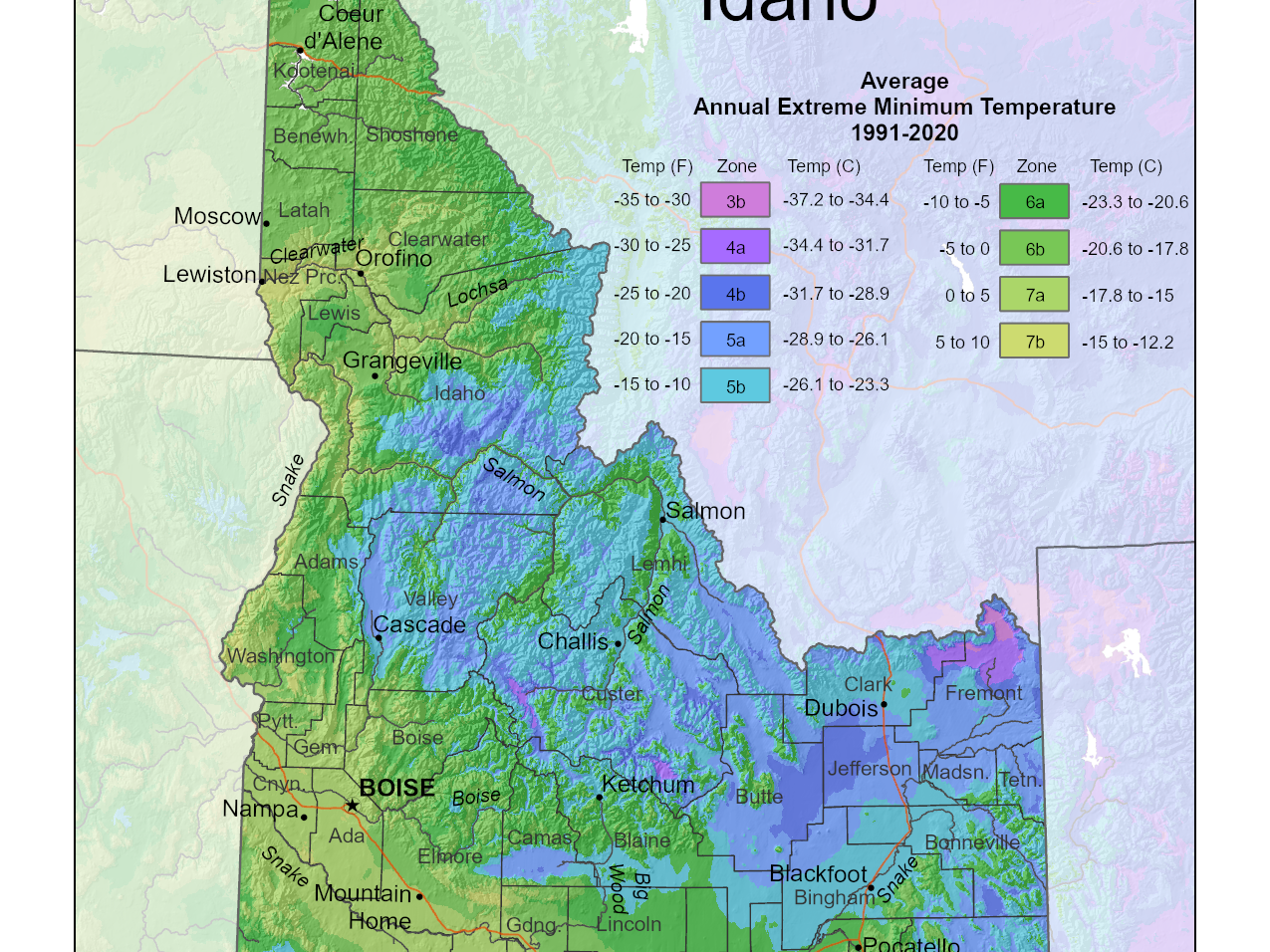
Boise, Idaho, consistently falls within USDA Hardiness Zone 6b. This designation is a pivotal factor shaping the city’s agricultural output, its iconic landscapes, and the types of flora that define its natural and cultivated environments. Zone 6b signifies that Boise experiences average annual minimum winter temperatures between -5°F and 0°F (-20.6°C to -17.8°C). While this might sound cold to some, it places Boise in a category that allows for a surprisingly diverse range of plant life to flourish, especially when compared to regions with harsher winters or those with milder climates.
This specific zone is particularly significant for understanding why certain fruit trees, ornamental shrubs, and flowering perennials thrive in Boise, while others might struggle. It’s a balance point that offers both the chilling hours necessary for many temperate-climate crops and the relative warmth of its summers to bring them to fruition. For residents and visitors alike, this translates into vibrant spring blooms, bountiful summer harvests, and a landscape that, while acknowledging the cool of winter, is richly alive for much of the year.
The Impact of Zone 6b on Boise’s Landscape and Lifestyle
The designation of Boise as a Zone 6b growing area has a profound and pervasive impact on numerous aspects of life in the city and its surroundings. This isn’t just about what grows in individual backyards; it influences the city’s agricultural economy, its public spaces, and even the types of outdoor activities that are popular throughout the year.
Agricultural Prowess and Local Produce
Idaho is renowned for its agricultural contributions, and Boise, as the state capital, is at the heart of much of this activity. The Zone 6b designation is a key reason why specific crops are commercially viable in and around the city. While the Snake River Plain is more widely recognized for its potato production, the area surrounding Boise also supports a variety of fruit orchards and vineyards.
The chilling hours provided by Zone 6b winters are essential for the successful cultivation of stone fruits like cherries, plums, and peaches, as well as apples. These fruits require a certain period of cold to break dormancy and produce flowers and fruit effectively. This means that when you visit local farmers’ markets or farm stands, you’re likely to find an abundance of locally grown produce that benefits directly from this climate. Think of the crisp apples in the fall, the sweet cherries of early summer, and the juicy plums that grace local tables.
Beyond fruits, the Zone 6b climate supports a robust market for vegetables. Many common garden vegetables, from tomatoes and peppers to a wide array of leafy greens and root vegetables, thrive in Boise’s distinct growing seasons. The long daylight hours during the summer, combined with the temperature range, allow for a generous growing period, leading to high-quality yields. This agricultural bounty is not just a source of local pride and economic activity; it directly influences the culinary scene in Boise, with restaurants and home cooks alike emphasizing fresh, seasonal ingredients.
Urban Greening and Garden Culture
Boise boasts a reputation for being a green and pleasant city, and its growing zone plays a crucial role in this. The ability to grow a wide variety of trees, shrubs, and flowers means that the city’s parks, residential streets, and public spaces are beautifully landscaped throughout the year.
For residents, understanding Zone 6b is fundamental to creating successful home gardens. It guides the selection of everything from flowering perennials that provide vibrant color year after year, to hardy shrubs that offer structure and evergreen interest during the winter months. Common sights in Boise gardens include lilacs, peonies, roses, hydrangeas, and a wide array of deciduous trees like maples and oaks, all well-suited to the zone’s conditions. The mild winters also allow for a longer season for certain cool-season crops and for overwintering some tender perennials with a bit of protection.
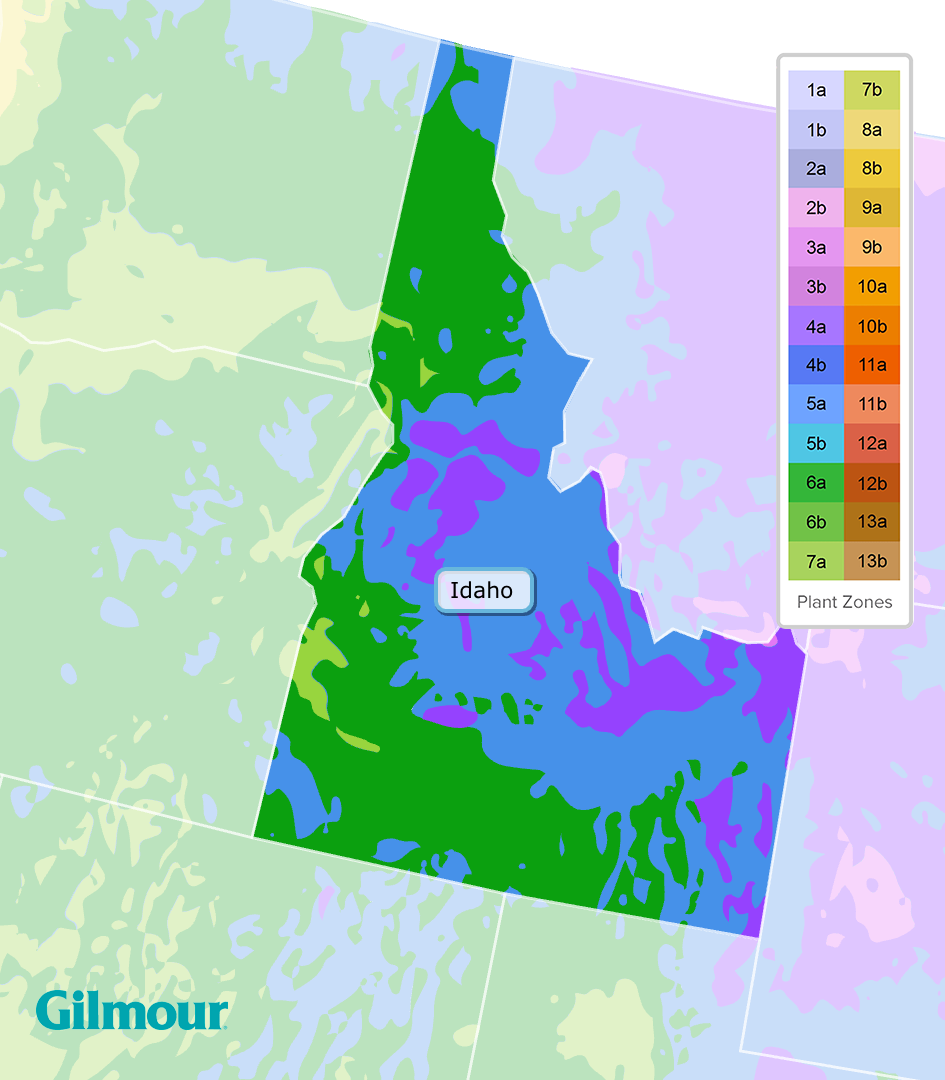
The city’s commitment to public green spaces is also influenced by its growing zone. The parks department and urban forestry divisions select trees and plants that are known to perform well in Zone 6b, ensuring longevity and aesthetic appeal. This results in the picturesque settings that draw visitors to places like the Boise River Greenbelt, a beloved pathway that winds along the Boise River, offering lush riparian scenery and a vibrant display of local flora. The health and beauty of the Julia Davis Park and the Ann Morrison Park are testaments to thoughtful plant selection that aligns with the climate.
Tourism and Outdoor Experiences
The growing zone indirectly impacts tourism by shaping the natural beauty and the seasonal offerings that attract visitors. The mild winters and pleasant summers make Boise an attractive destination for outdoor enthusiasts year-round. While snow sports might be more prevalent in the surrounding mountains, the city itself offers a comfortable climate for exploring.
In spring, visitors can witness the awakening of the landscape as bulbs emerge and trees begin to bud, a direct result of the Zone 6b climate allowing for this predictable cycle. Summer brings abundant sunshine and the perfect conditions for hiking in the nearby foothills, cycling the Boise River Greenbelt, or enjoying the city’s many outdoor festivals. Fall is a spectacular display of autumn colors as deciduous trees, perfectly adapted to the zone, transform the urban canopy into a vibrant tapestry of reds, oranges, and yellows.
For those interested in activities beyond the city limits, understanding the growing zone can inform choices. For instance, knowing that the region is suitable for fruit cultivation might encourage a visit during harvest season for a farm tour or a tasting at a local winery. The success of viticulture in parts of Idaho is partly attributable to the state’s ability to provide adequate chilling hours and warm summers, a balance found within Zone 6b.
Navigating Boise’s Climate: Tips for Visitors and Residents
For anyone planning a trip to Boise or considering a move, understanding the implications of Zone 6b goes beyond just knowing the minimum winter temperatures. It’s about appreciating the seasonal rhythms and preparing accordingly.
Seasonal Considerations
- Spring (March-May): Expect a transition from cool to mild weather. The landscape bursts into color as trees bud and perennial flowers emerge. This is an ideal time for exploring the city on foot or bike. Late frosts are still a possibility, so gardeners will want to be mindful of this for tender plants.
- Summer (June-August): Summers are typically warm to hot and dry, with long daylight hours. This is perfect for outdoor adventures, river activities, and enjoying the city’s numerous parks. It’s also the peak season for many fruits and vegetables. Hydration and sun protection are key.
- Fall (September-November): Boise experiences a beautiful autumn with crisp air and stunning fall foliage. This is a great time for hiking and enjoying harvest festivals. Early frosts can occur, signaling the end of the growing season for many plants.
- Winter (December-February): Winters are cold, with average minimum temperatures in the 6b range. Snowfall is common, especially in the surrounding mountains, while the city may see a mix of snow and rain. This is a time for cozy indoor activities, exploring local museums, and perhaps even hitting the ski slopes a short drive away.
Gardening in Zone 6b
For those with a green thumb, Boise’s Zone 6b offers a rewarding experience.
- Plant Selection: Prioritize plants known to thrive in Zone 6b. The American Horticultural Society and local nurseries can provide extensive lists. Look for perennials that are reliably cold-hardy to at least 0°F (-17.8°C).
- Soil Preparation: Boise’s soil can vary, but often has a good amount of clay and can benefit from the addition of organic matter to improve drainage and fertility.
- Watering: Summers are dry, so consistent watering is crucial for both gardens and landscapes, especially for newly planted trees and shrubs. Consider drought-tolerant native plants for low-maintenance landscapes.
- Protection: While Zone 6b is generally hardy, some more tender perennials or newly planted shrubs might benefit from mulching or temporary protection during the coldest spells.
Accommodation and Travel Planning
When planning a stay in Boise, understanding the growing zone provides context for the natural beauty you’ll encounter. Whether you’re booking a stay at a luxurious resort like the Inn at 500 Capitol, a charming bed and breakfast, or a comfortable suite in a hotel chain, the surrounding landscape will be a reflection of Zone 6b’s influence. This means you can expect lush greenery in the warmer months, a stunning display of fall colors, and a robust agricultural offering to sample during your visit. Knowing this helps set expectations and enhance the appreciation of Boise’s unique environment, whether you’re exploring the Boise Art Museum, the Idaho State Capitol Building, or simply enjoying a stroll along the Boise River.
In conclusion, Boise, Idaho’s classification as USDA Hardiness Zone 6b is more than a botanical statistic; it’s a fundamental characteristic that shapes its identity. From the types of apples and cherries harvested in the surrounding plains to the vibrant parks and tree-lined streets, and the very rhythm of its seasons, Zone 6b plays an integral role. For travelers, residents, and anyone with an interest in this dynamic city, understanding this growing zone offers a deeper connection to the natural world that defines Boise. It’s a key to appreciating its agricultural heritage, its horticultural beauty, and the overall quality of life it offers.
LifeOutOfTheBox is a participant in the Amazon Services LLC Associates Program, an affiliate advertising program designed to provide a means for sites to earn advertising fees by advertising and linking to Amazon.com. Amazon, the Amazon logo, AmazonSupply, and the AmazonSupply logo are trademarks of Amazon.com, Inc. or its affiliates. As an Amazon Associate we earn affiliate commissions from qualifying purchases.