
Chicago, Illinois, a vibrant metropolis renowned for its stunning architecture, world-class museums, and dynamic culinary scene, also boasts a surprisingly lush and carefully cultivated urban landscape. For both residents passionate about gardening and visitors keen to appreciate the city’s green spaces, understanding its climate is key. Specifically, knowing Chicago‘s USDA Plant Hardiness Zone provides invaluable insight into what kind of flora thrives here, shaping everything from residential gardens to expansive public parks. This guide delves into Chicago’s specific growing zones, exploring the nuances that define its horticultural character and how this impacts the city’s natural beauty, making it a compelling aspect of its overall appeal as a travel destination and a place to call home.
Unveiling Chicago’s Horticultural Climate: Understanding USDA Plant Hardiness Zones
The ability of plants to survive winter temperatures is a fundamental consideration for gardeners, landscapers, and anyone interested in the local ecosystem. This is where the USDA Plant Hardiness Zone Map comes into play, offering a standardized system to classify regions based on their average annual extreme minimum winter temperatures.
The Science Behind Plant Hardiness Zones
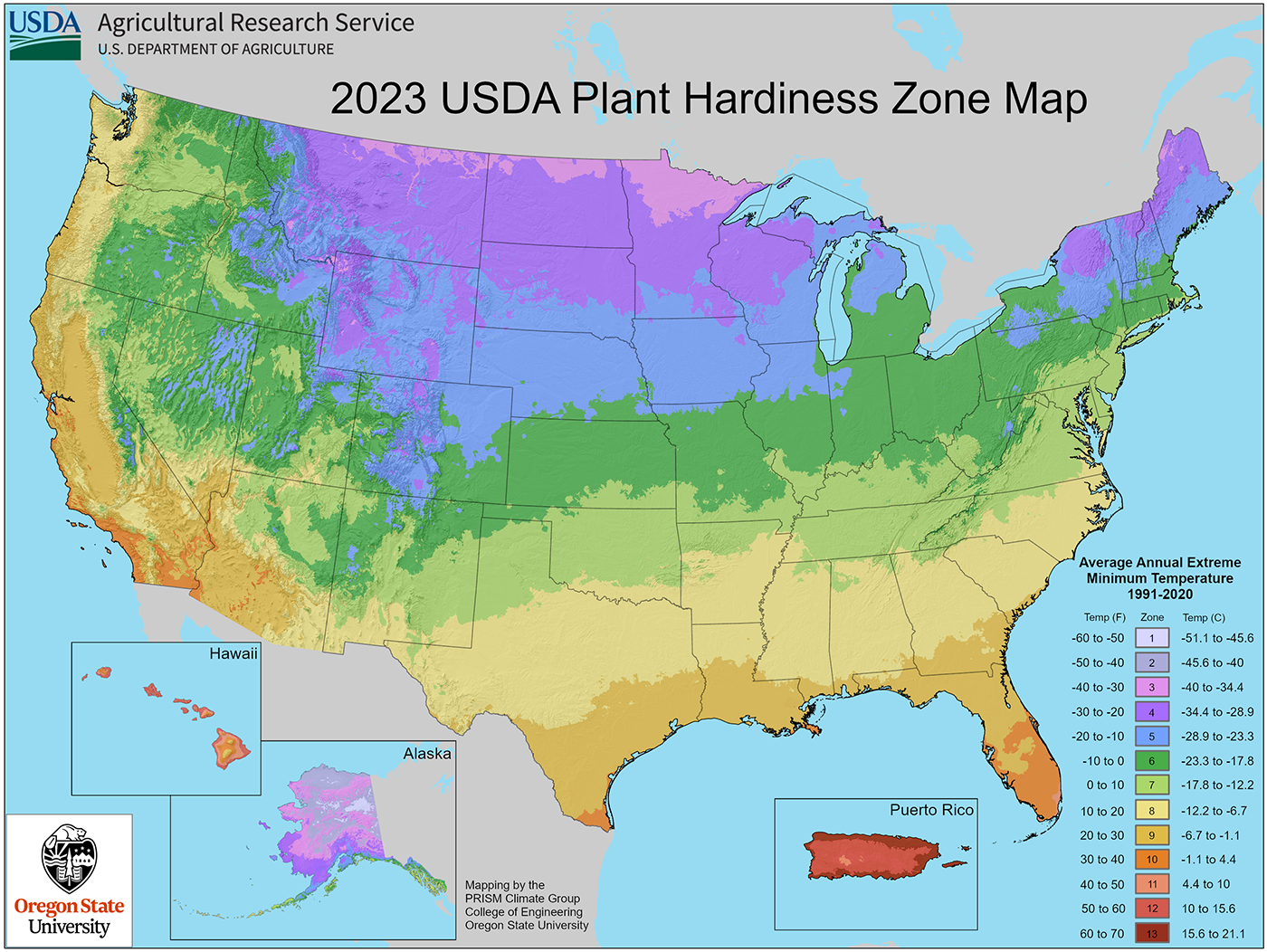
The USDA Plant Hardiness Zone Map divides the United States (and parts of Canada and Mexico) into 13 zones, each representing a 10-degree Fahrenheit range of average annual extreme minimum winter temperatures. These zones are further subdivided into ‘a’ and ‘b’ subzones, each covering a 5-degree Fahrenheit range. For instance, Zone 5 spans -20°F to -10°F, with 5a being -20°F to -15°F and 5b being -15°F to -10°F. This system is crucial because it helps individuals select plants that are most likely to survive the coldest temperatures of their region, ensuring a higher success rate for long-term growth.
The map is not static; it is periodically updated to reflect long-term climate data trends. The most recent version, released in 2023, incorporates data from 1991 to 2020, offering a more accurate representation of current climatic conditions. While the map primarily focuses on cold hardiness, it’s important to remember that it doesn’t account for other vital factors like soil type, rainfall, summer heat, or humidity, all of which also play a significant role in plant health and growth. Nevertheless, it remains the most widely used and reliable standard for determining plant viability based on winter temperatures.
Why Knowing Your Zone Matters for Travelers and Locals Alike
For residents of Chicago, understanding their plant hardiness zone is fundamental to successful gardening and landscaping. It guides decisions on which trees to plant in front yards, which shrubs will beautify public spaces, and which perennials will return year after year. Local nurseries and garden centers stock plants appropriate for Chicago’s specific zones, ensuring that local gardeners have access to resilient options. Beyond personal gardens, this knowledge informs urban planning and park management, contributing to the city’s overall aesthetic and ecological health. A well-landscaped property can enhance curb appeal and even property values, reflecting a deeper connection to the local environment and a sustainable lifestyle.
For travelers, the hardiness zone offers a unique lens through which to appreciate Chicago’s natural beauty. When visiting the city’s renowned parks and botanical gardens, knowing the zone helps one understand the horticultural choices made by designers and curators. It explains why certain species thrive, why seasonal displays are structured in particular ways, and how the city’s climate influences its green infrastructure. From the lush prairie gardens to the diverse tree canopy, the plant hardiness zone implicitly tells a story of adaptation and resilience, enriching the travel experience with a deeper appreciation for Chicago’s natural environment. It highlights the efforts involved in maintaining such a vibrant urban ecosystem, demonstrating the interplay between human design and natural conditions.
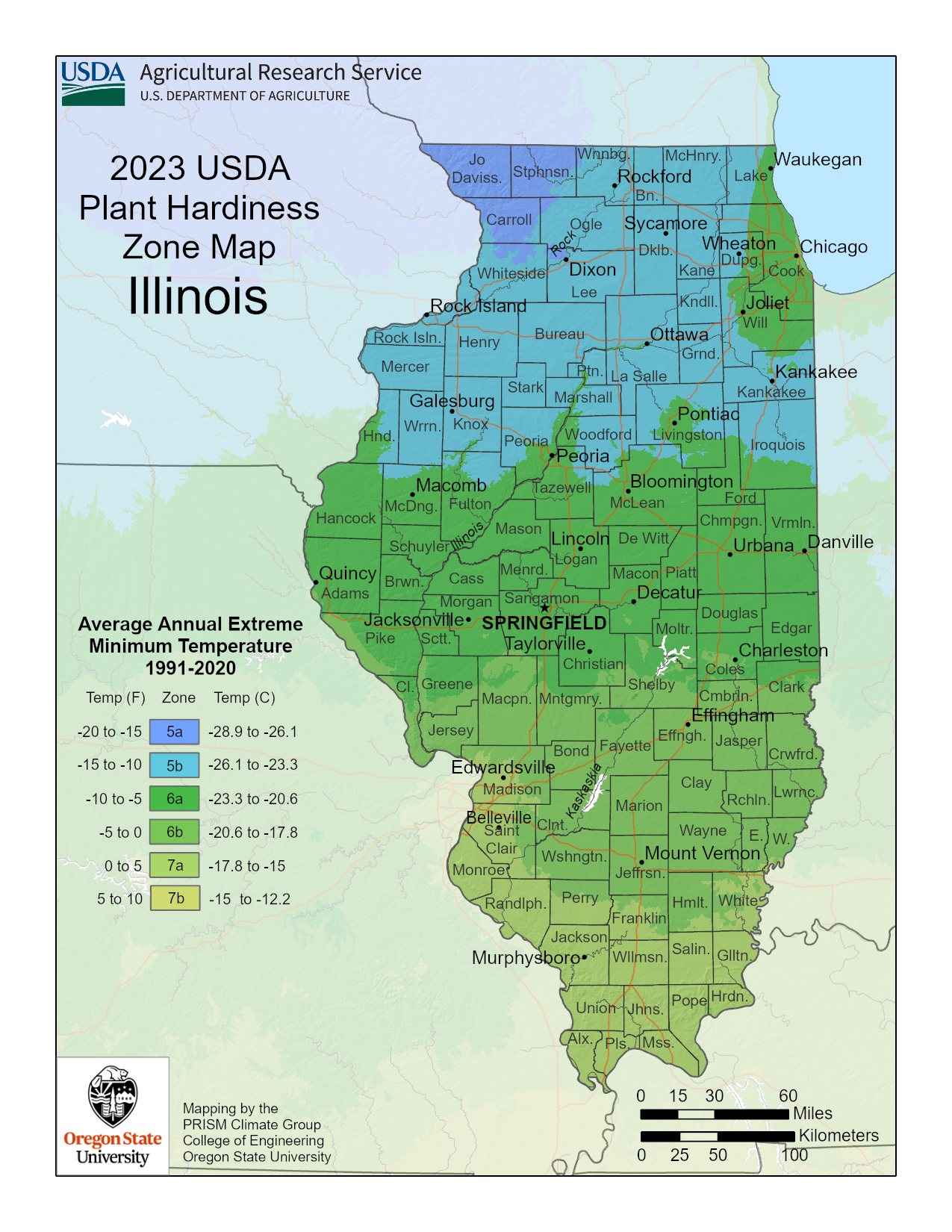
Pinpointing Chicago’s Growing Zone: 5b to 6a
Chicago’s location in the Midwest means it experiences a full range of four distinct seasons, from bitterly cold winters to hot, humid summers. Its specific USDA Plant Hardiness Zone designation is critical for understanding its unique horticultural challenges and opportunities.
The Official Designation and Its Nuances
Historically, much of Chicago, Illinois, was classified as Zone 5b. This means that the average annual extreme minimum winter temperature falls between -15°F and -10°F. For many years, gardeners in the city relied on this classification to select plants capable of enduring such frigid conditions. However, with recent climate shifts and the continued development of the urban landscape, a significant portion of the city, particularly its denser urban core and surrounding areas, has effectively transitioned into Zone 6a.
Zone 6a indicates an average annual extreme minimum temperature range of -10°F to -5°F. This seemingly small 5-degree difference can have a substantial impact on plant selection. Plants hardy to Zone 6a can survive slightly milder winters than those strictly limited to Zone 5b, opening up a broader palette of species for cultivation. This shift reflects a warming trend that has become increasingly noticeable, allowing for the introduction of more diverse and sometimes less cold-tolerant species into Chicago’s urban fabric. The transition underscores the dynamic nature of climate and its direct influence on local ecosystems.
Microclimates and Local Factors Influencing Chicago’s Greenery
It’s important to recognize that a city as large and complex as Chicago isn’t a monolithic climate block. Within its boundaries, various microclimates exist that can locally alter the effective hardiness zone. One of the most significant factors is the urban heat island effect. Downtown Chicago, with its high density of buildings, concrete, and asphalt, absorbs and retains more heat than surrounding suburban or rural areas. This trapped heat leads to warmer nighttime temperatures, especially during winter, effectively pushing these urban areas into a milder zone (often 6a or even higher in very localized spots). This phenomenon allows for the successful growth of plants that might struggle just a few miles away in a less urbanized setting.
Another crucial influence is Lake Michigan. The massive body of water moderates temperatures, making areas along the lakefront generally warmer in winter and cooler in summer compared to inland locations. This “lake effect” can delay the onset of winter frosts and extend the growing season, providing a unique advantage for certain plant species. Conversely, strong winds off the lake can also desiccate plants, requiring careful selection of wind-resistant varieties. Other factors like elevation changes, proximity to major roads, presence of large parks, and even the orientation of buildings can create minute temperature variations, further complicating the precise application of hardiness zones at a hyper-local level. These microclimates add fascinating complexity to Chicago’s horticultural landscape, demonstrating a resilient ecosystem adapting to both natural forces and human development.
Cultivating the Urban Oasis: Gardening and Landscaping in the Windy City
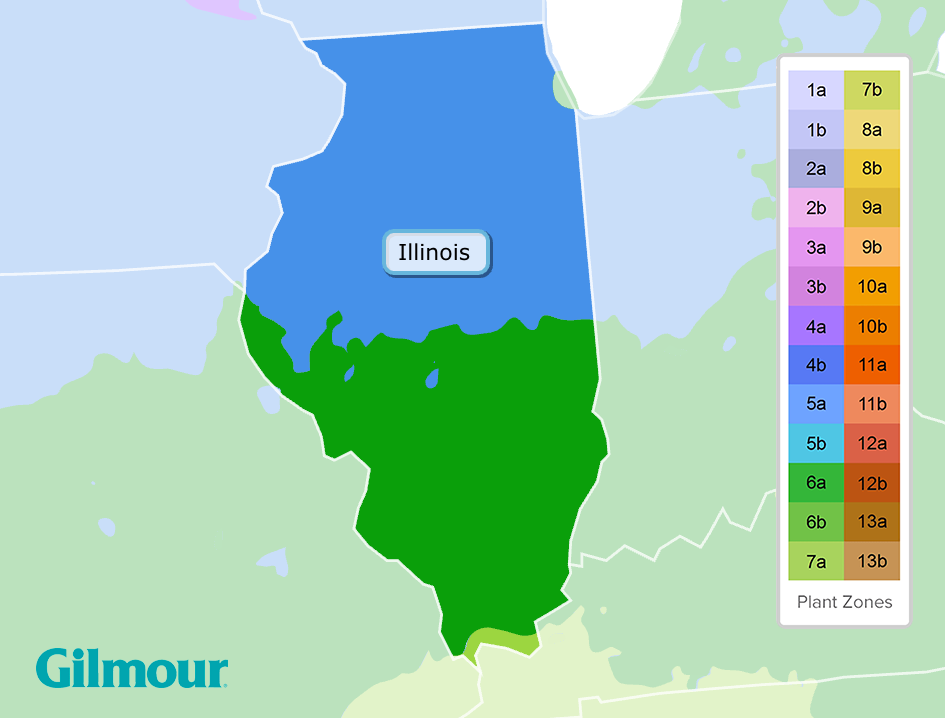
Chicago’s dual growing zone (primarily 5b to 6a) defines the types of plants that can flourish in its public parks, private gardens, and bustling streetscapes. This blend of hardiness allows for a rich diversity of flora, creating a vibrant urban oasis for residents and visitors alike.
Thriving Flora: What Grows Well in Chicago’s Zones
Given the Zone 5b to 6a classification, a wide array of resilient and beautiful plants thrive in Chicago. When it comes to trees, stalwart choices like oaks (Quercus species), maples (Acer species), lindens (Tilia species), and honey locusts (Gleditsia triacanthos) are common, providing essential shade, ecological benefits, and stunning fall foliage. Smaller ornamental trees such as crabapples (Malus species) and serviceberries (Amelanchier species) add seasonal interest with their spring blossoms and edible fruits.
Shrubs are equally varied and vital for landscape structure. Hydrangeas (Hydrangea species), viburnums (Viburnum species), lilacs (Syringa species), and spirea (Spiraea species) are popular choices, offering diverse textures, bloom times, and hardiness. These shrubs contribute significantly to the aesthetic appeal of both residential and commercial properties.
For ground cover and perennial beds, perennials that reliably return each year are highly valued. Hostas (Hosta species), coneflowers (Echinacea purpurea), black-eyed Susans (Rudbeckia hirta), daylilies (Hemerocallis species), and peonies (Paeonia species) are ubiquitous, providing consistent color and form throughout the growing season. The burgeoning interest in native Illinois plants has also led to a resurgence of prairie-style gardening, incorporating resilient species like prairie dropseed (Sporobolus heterolepis), switchgrass (Panicum virgatum), and various native wildflowers that are perfectly adapted to the local climate.
Annuals, while requiring yearly replanting, are indispensable for injecting vibrant, season-long color into containers, hanging baskets, and garden beds. Petunias, impatiens, marigolds, and zinnias are just a few examples that thrive in Chicago’s warm summers, allowing for dynamic and ever-changing floral displays that truly enhance the urban environment.
Navigating Chicago’s Seasons: Challenges and Opportunities
While the hardiness zone provides a foundational understanding, successfully cultivating plants in Chicago requires navigating its distinct and often extreme seasons. Long, cold winters are the primary challenge. Plants must be selected for their absolute winter hardiness, and many benefit from proper mulching to insulate roots and protect against freeze-thaw cycles. Evergreens can suffer from winter desiccation due to strong winds and frozen ground, necessitating strategic planting and sometimes anti-desiccant sprays.
Conversely, hot, humid summers can also stress plants. Drought resistance becomes crucial during dry spells, and consistent watering, especially for newly planted specimens, is essential. The humidity can also contribute to fungal diseases, requiring good air circulation and appropriate plant spacing. The often variable spring and fall seasons present their own set of opportunities and risks, with late frosts threatening early spring plantings and early thaws sometimes coaxing plants out of dormancy too soon, only for them to be hit by subsequent cold snaps.
Despite these challenges, Chicago’s local garden centers, nurseries, and horticultural experts are invaluable resources. They provide guidance on plant selection, seasonal care, and pest and disease management tailored to the Midwest climate. The opportunities presented by the city’s diverse microclimates and enthusiastic gardening community allow for continuous experimentation and the creation of truly stunning green spaces, transforming urban plots into flourishing havens.
Experiencing Chicago’s Natural Beauty: A Traveler’s Guide to Green Spaces
For visitors, Chicago’s commitment to green spaces offers a refreshing counterpoint to its towering skyscrapers and bustling streets. The city’s parks, gardens, and landscaped public areas are not merely decorative; they are integral to its identity and provide tranquil retreats and vibrant cultural experiences.
Iconic Parks and Gardens Showcasing Local Horticulture
Chicago is home to several world-class green spaces that beautifully demonstrate the potential of its growing zones. Lincoln Park, one of the largest urban parks in the United States, stretches for miles along Lake Michigan. It encompasses the free Lincoln Park Zoo, numerous beaches, and vast expanses of carefully maintained gardens and recreational areas. The Lincoln Park Conservatory, a Victorian-era glass house, provides a tropical escape regardless of the outdoor temperatures, showcasing plants from various climatic zones.
Millennium Park, while famous for its public art installations like the iconic Cloud Gate (affectionately known as “The Bean”), is also a horticultural marvel. The Lurie Garden within the park is a spectacular example of prairie-style planting, featuring native Illinois perennial plants that thrive in Chicago’s climate, offering year-round beauty and an ecological habitat. Its design demonstrates how modern landscape architecture can integrate sustainable and regionally appropriate flora into a highly urbanized setting.
Further afield, the Garfield Park Conservatory stands as one of the largest and most impressive conservatories in the United States. Its numerous display houses transport visitors through diverse ecosystems, from arid deserts to lush rainforests, making it a botanical treasure irrespective of Chicago’s outdoor growing zone. Just north of the city, the Chicago Botanic Garden, located in Glencoe, offers 385 acres of meticulously designed gardens and natural areas, focusing on a vast collection of plants suitable for the Midwest and beyond. Similarly, the Morton Arboretum in Lisle is an internationally recognized tree research center and botanical garden, showcasing a stunning collection of woody plants adapted to the region. These institutions provide invaluable educational resources and breathtaking beauty, celebrating the diversity that Chicago’s zones can support.
Integrating Greenery into Urban Exploration and Lifestyle
Chicago’s green initiatives extend far beyond its major parks. The Chicago Riverwalk, a pedestrian path along the Chicago River, is beautifully landscaped with native plants and flowering shrubs, creating a picturesque promenade for walking, dining, and enjoying boat tours. This integration of greenery into urban infrastructure is a hallmark of Chicago’s forward-thinking design.
Furthermore, rooftop gardens, vertical farms, and numerous community gardens are increasingly common, transforming previously unused urban spaces into productive and beautiful green oases. These efforts highlight the city’s commitment to sustainability and enhancing the quality of life for its residents. For travelers, these diverse green spaces offer myriad ways to relax, explore, and connect with nature amidst the urban bustle. Whether it’s a leisurely stroll through a park, a contemplative moment in a botanical garden, or enjoying outdoor dining with a view of vibrant plantings, Chicago’s horticultural landscape adds a unique dimension to its appeal as a global destination. Seasonal floral displays, from spring tulips to vibrant fall foliage, continually transform the city’s appearance, making any visit a fresh and captivating experience.
Planning Your Chicago Visit: Beyond the Growing Zone
While understanding Chicago’s growing zone enriches the appreciation of its green spaces, a comprehensive travel plan involves considering all aspects of a visit, from accommodation to culinary experiences. The city’s dynamic environment caters to a wide range of preferences, seamlessly blending natural beauty with urban sophistication.
Where to Stay: Hotels and Accommodation Amidst Chicago’s Green Appeal
Chicago offers an extensive array of accommodation options, from luxurious high-rise hotels in the Loop to charming boutique hotels in neighborhoods like Lincoln Park or River North. Many establishments, particularly those designed for lifestyle-oriented travelers, are increasingly incorporating green elements into their design and guest experience. Consider hotels that boast rooftop gardens, offering stunning views and a tranquil escape from the city below, or those with beautifully landscaped courtyards where guests can relax.
For those particularly drawn to Chicago’s natural attractions, booking accommodation in areas like the Magnificent Mile or near Grant Park puts you within walking distance of many of the city’s most famous green spaces, including Millennium Park and the Art Institute of Chicago‘s gardens. Apartments and villas available for long-term stays in more residential neighborhoods might offer private gardens or balconies, providing a more intimate connection to the city’s local flora. Whether your preference is for a resort-style experience with lavish amenities or a cozy apartment for a budget-friendly stay, Chicago’s diverse lodging options ensure that your stay can be perfectly tailored to your interests, including a profound appreciation for its cultivated beauty.
Culinary Delights and Local Culture
Chicago’s reputation as a culinary powerhouse is well-deserved, and its food scene is often subtly influenced by the local growing conditions and the seasonality of produce. Many farm-to-table restaurants pride themselves on sourcing ingredients from local Illinois farms, showcasing how the region’s agricultural output, largely shaped by its growing zones, contributes directly to the city’s gastronomic excellence. Experiencing outdoor dining at establishments situated along the Chicago Riverwalk or in neighborhoods with charming garden patios allows visitors to enjoy exquisite cuisine amidst thoughtfully designed green spaces.
Beyond food, Chicago’s local culture is rich with festivals, art installations, and community events that often take place in its parks and public squares. These gatherings frequently highlight the beauty of the city’s landscapes, from summer concerts in Millennium Park to seasonal markets nestled among vibrant plantings. Engaging with these cultural expressions provides a holistic view of Chicago, where urban sophistication and natural aesthetics coalesce to create a truly unforgettable experience. From luxury travel experiences that might include private garden tours to budget-friendly family trips centered around park visits and outdoor activities, Chicago’s blend of nature and culture offers something for every type of traveler.
Conclusion: Chicago’s Enduring Green Heart
Chicago, Illinois, primarily nestled within USDA Plant Hardiness Zones 5b and 6a, is far more than just a concrete jungle. This dual classification, influenced by its inland position, the moderating effect of Lake Michigan, and the pervasive urban heat island effect, dictates a diverse and resilient plant palette. It shapes the magnificent trees lining its boulevards, the vibrant perennials gracing its public gardens, and the intimate flora flourishing in countless residential backyards.
From the grand horticultural showcases of the Chicago Botanic Garden and Morton Arboretum to the innovative prairie plantings of the Lurie Garden in Millennium Park, Chicago demonstrates an unwavering commitment to cultivating green spaces. These verdant havens not only enhance the city’s aesthetic appeal but also provide vital ecological benefits and enriching experiences for both its residents and the millions of travelers who visit each year.
Whether you are a seasoned gardener planning your next landscape project or a curious traveler seeking to explore the multifaceted layers of this iconic American city, understanding Chicago’s growing zones offers a profound appreciation for its enduring green heart. It invites you to look beyond the architectural marvels and discover a city that thrives not just upwards, but also outwards, with a natural beauty deeply rooted in its climatic identity. Plan your visit, stroll through its parks, and immerse yourself in the vibrant, resilient, and ever-blooming spirit of Chicago’s urban oasis.
LifeOutOfTheBox is a participant in the Amazon Services LLC Associates Program, an affiliate advertising program designed to provide a means for sites to earn advertising fees by advertising and linking to Amazon.com. Amazon, the Amazon logo, AmazonSupply, and the AmazonSupply logo are trademarks of Amazon.com, Inc. or its affiliates. As an Amazon Associate we earn affiliate commissions from qualifying purchases.