
For any traveler planning a journey to the northeastern corner of the United States, the landscape of Maine offers a rugged, poetic beauty that is deeply tied to its climate. Often referred to as the Pine Tree State, this region is a haven for those who appreciate the intersection of wild nature and cultivated beauty. However, to truly understand the rhythm of life here—from the blooming of the lupines in late spring to the harvest of the famous wild blueberries in summer—one must understand the growing zones. For the curious tourist, these zones serve as a roadmap for when to visit, what to see, and how the local culture has been shaped by the challenging yet rewarding environment of New England.
Understanding Maine’s Hardiness Zones for the Nature-Loving Traveler
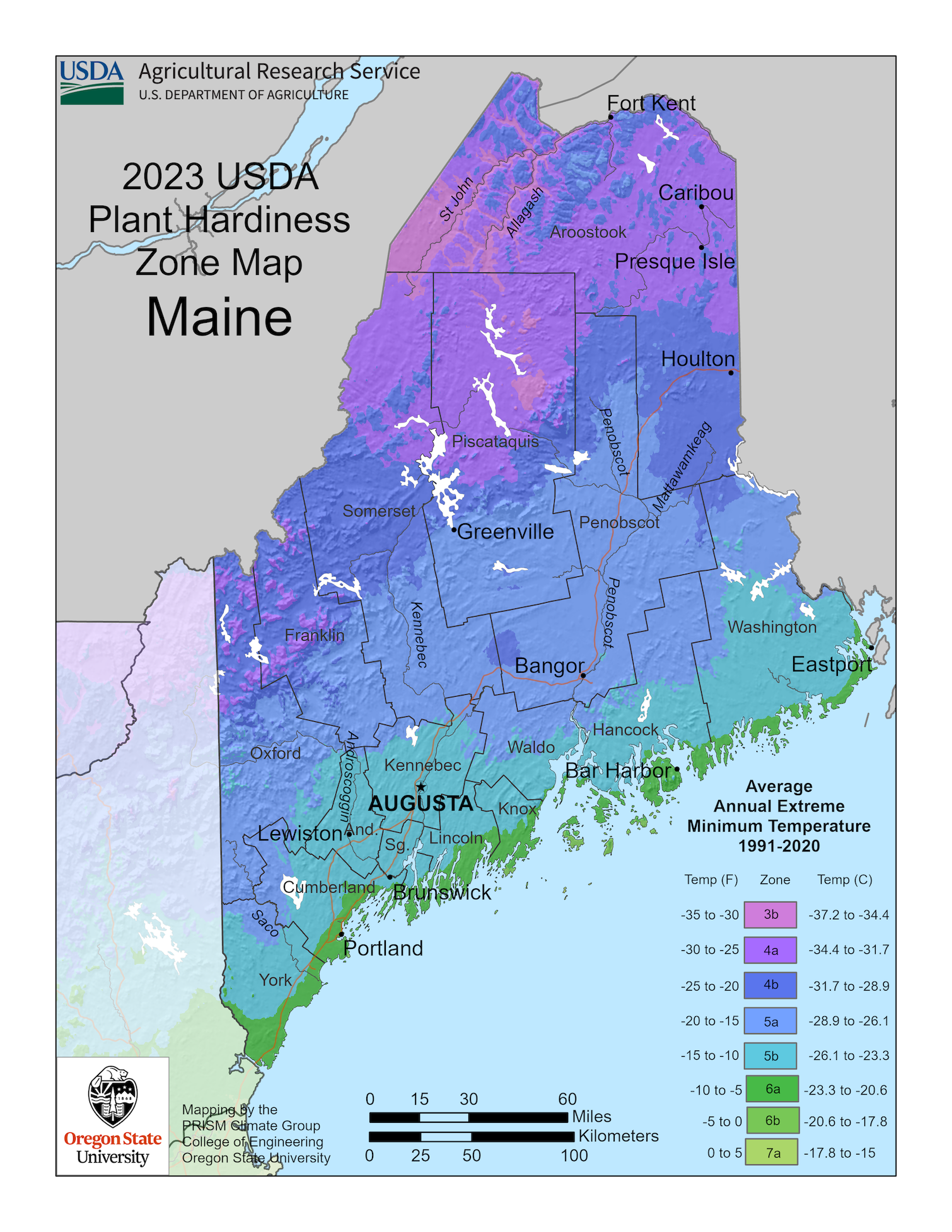
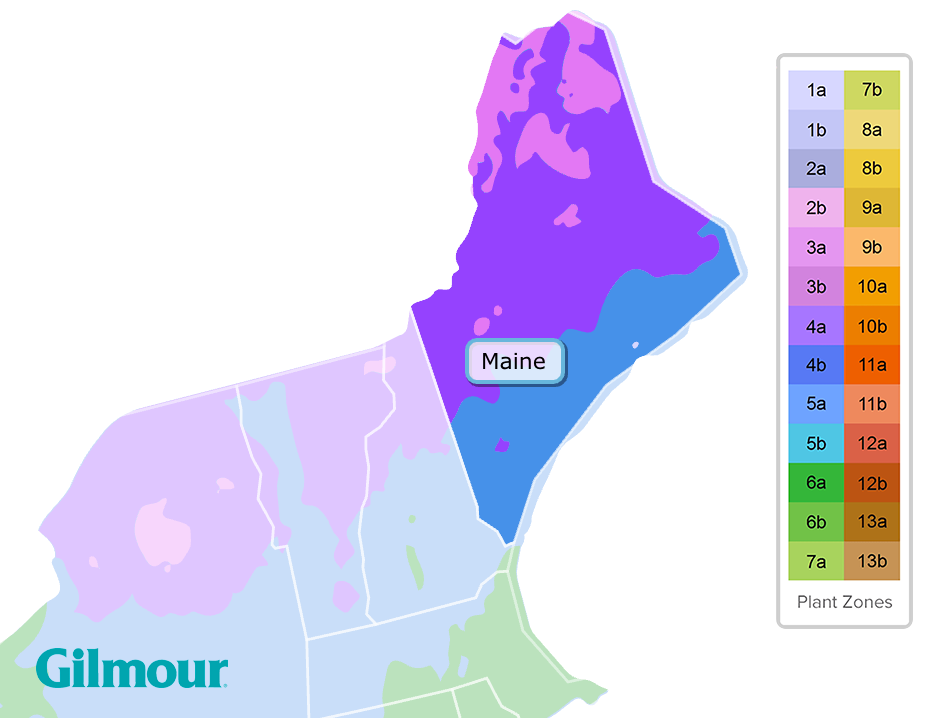
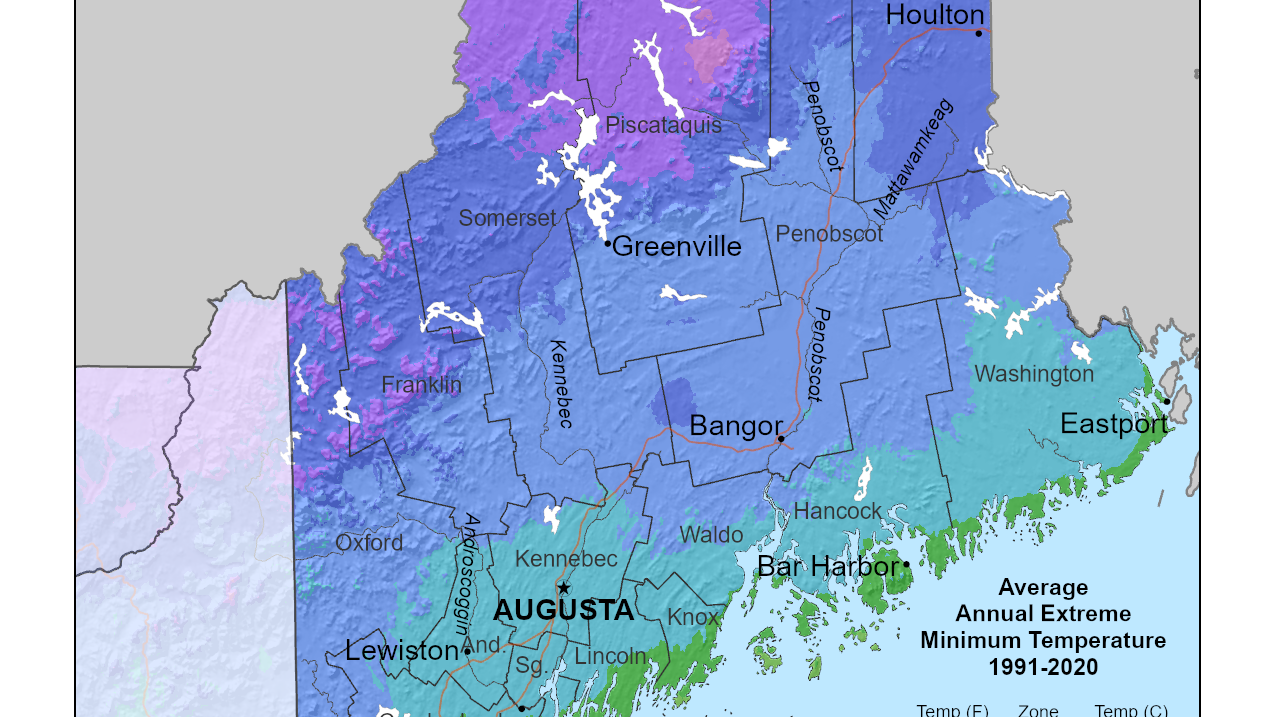
When we talk about growing zones, we are generally referring to the USDA Plant Hardiness Zone Map. This system divides regions based on their average annual minimum winter temperature, which is a crucial factor for the survival of flora. In Maine, these zones range from 3b in the far north to 6b along the sheltered southern coast. For a tourist, these numbers translate directly into the “look and feel” of the destinations they choose to visit.
The Coastal Warmth of Zone 6
The southern coast and mid-coast regions, including popular destinations like Portland, Kennebunkport, and Ogunquit, enjoy the tempering effects of the Atlantic Ocean. These areas fall into zones 5b and 6a. Travelers visiting these cities will notice a lushness that isn’t as prevalent in the interior. In the spring, the gardens of Portland burst with hydrangeas and roses that might struggle in the harsher northern climates. The milder winters here allow for a longer tourism season, making these coastal hubs ideal for early spring walks and late autumn stays.
The Rugged Interior and Transition Zones
As you move inland toward Augusta or north toward Bangor, the landscape shifts into Zone 5. This is the heart of Maine, where the forests become denser and the winters more pronounced. For travelers, this zone offers the quintessential Maine experience: rolling hills, crystal-clear lakes, and vast tracts of evergreen trees. The growing season here is shorter, which means the window for seeing certain wildflowers or visiting local farm stands is narrower but incredibly vibrant.
The Wild North: Zone 3 and 4
In the vast stretches of Aroostook County, which borders Canada, the climate is much more severe. This is Zone 3 and 4 territory. For the adventurous tourist, this region offers a glimpse into a world where nature dictates every aspect of life. The flora here is hardy and resilient. Visitors to Presque Isle or the edges of the North Maine Woods will find a landscape dominated by spruce, fir, and hardy potatoes. It is a place of dramatic seasonal shifts, where the transition from winter to the brief, intense summer is a spectacle in itself.
Botanical Landmarks and Agritourism Destinations
Maine is not just a place to look at trees; it is a destination for world-class botanical experiences and agricultural tours. The diversity of the growing zones allows for a wide variety of public gardens and farms that are open to the public.
Coastal Maine Botanical Gardens
Located in Boothbay, the Coastal Maine Botanical Gardens is perhaps the crown jewel of the state’s horticultural scene. Spanning nearly 300 acres, this site showcases the plants that thrive in the coastal Zone 6 environment. Visitors can explore the Lerner Garden of the Five Senses or marvel at the giant wooden trolls that have become a signature attraction. It is a masterclass in how to design a landscape that respects the natural rock outcroppings and shoreline of the Midcoast region.
The Wild Blueberry Barrens of Washington County
Travelers heading east toward Machias in Washington County will encounter a unique geological and agricultural phenomenon: the blueberry barrens. These vast, low-lying fields are home to wild lowbush blueberries, which have thrived in the thin, acidic glacial soils for thousands of years. In late summer, the barrens are a hive of activity as the harvest begins. In the autumn, the plants turn a brilliant, fiery red, creating a landscape that rivals the better-known fall foliage of the mountains.
Acadia National Park’s Unique Flora
No trip to Maine is complete without a visit to Mount Desert Island, home to Acadia National Park. The park is a microcosm of the state’s diverse growing conditions. Visitors can hike from the sea-level gardens of Bar Harbor up to the sub-alpine environment on the summit of Cadillac Mountain. Along the way, you might stop at the Wild Gardens of Acadia at Sieur de Monts, which organizes the park’s native plants into different habitats, making it easy for tourists to identify what they see on the trails.
Seasonal Tourism: Aligning Your Visit with the Growth Cycles
Understanding the growing zones helps travelers time their visits to coincide with the most beautiful natural displays. Maine is a four-season destination, but the timing of the “bloom” varies significantly between York County and the Saint John Valley.
The Lupine Bloom of Late June
One of the most photographed events in Maine is the blooming of the lupines. These tall, purple, pink, and white flower spikes carpet the roadsides and fields of the coast and central regions. Typically, the peak bloom occurs in mid-to-late June. Tourists flocking to places like Sugarloaf Mountain or the meadows near Camden will find the landscape transformed into a pastel paradise.
The Apple Harvest and Autumn Foliage
As the growing season winds down in September and October, the focus shifts to the harvest and the spectacular display of autumn leaves. Because of the different zones, the “peak” foliage moves like a wave from north to south. Travelers wanting to see the first colors should head to Baxter State Park or Mount Katahdin in late September. By mid-October, the vibrant maples and oaks reach their peak in southern coastal towns like Wells and Kittery. This period is also perfect for visiting local orchards for apple picking—a staple of Maine tourism culture.
Winter Magic and the Greenhouse Scene
While the growing zones might suggest a dormant winter, the tourism industry in Maine has found ways to celebrate the cold. Many resorts and botanical centers host winter light displays. For example, the “Gardens Aglow” event at the Coastal Maine Botanical Gardens turns the dormant landscape into a shimmering wonderland. Additionally, the interior regions like Rangeley offer a different kind of beauty, where the frost-covered evergreens create a “Narnia-like” atmosphere that is perfect for snowshoeing and photography.
Practical Tips for Planning a Nature-Centric Trip
If you are planning a trip to explore the diverse flora and landscapes of Maine, keep these tips in mind to ensure a smooth and insightful experience.
Check the Bloom Calendars
Before booking your trip, consult local bloom calendars provided by the Maine Tourism Association. Since the growing zones can cause a two-to-three-week difference in flowering times between the south and the north, timing is everything. If you miss the lilacs in Portland, you might still catch them in Eastport.
Dress for Microclimates
Maine is famous for its unpredictable weather. Even within a single growing zone, the temperature can drop significantly as you move from a sunny field to a shaded forest or a windy coastline. Layering is essential. When visiting spots like Schoodic Peninsula or the shores of Moosehead Lake, always bring a waterproof jacket and sturdy hiking boots.
Support Local Agritourism
Many of the most beautiful “gardens” in Maine are actually working farms. When you visit, look for farm stands and “pick-your-own” signs. Whether it’s buying organic lavender in Belgrade or sampling artisanal goat cheese in Rockport, supporting these local businesses helps preserve the agricultural heritage that makes the state so unique.
Exploring the Quiet Side
While Acadia National Park is stunning, it can get crowded. For a more peaceful experience with the state’s natural beauty, consider exploring the Downeast region or the islands of Penobscot Bay. Places like Vinalhaven or Deer Isle offer a slow-paced look at how coastal communities live in harmony with their environment, tending to gardens that must withstand salt spray and harsh winds.
In conclusion, understanding what growing zone Maine is provides much more than just gardening data; it provides a deeper appreciation for the state’s diverse geography and cultural identity. From the sophisticated botanical displays in Boothbay to the wild, untamed beauty of the north, Maine offers a rich tapestry of experiences for every type of traveler. By following the seasons and the zones, you can witness the incredible resilience and beauty of the Pine Tree State in all its glory.
LifeOutOfTheBox is a participant in the Amazon Services LLC Associates Program, an affiliate advertising program designed to provide a means for sites to earn advertising fees by advertising and linking to Amazon.com. Amazon, the Amazon logo, AmazonSupply, and the AmazonSupply logo are trademarks of Amazon.com, Inc. or its affiliates. As an Amazon Associate we earn affiliate commissions from qualifying purchases.