
San Antonio, Texas, a city steeped in history and brimming with vibrant culture, also holds a significant secret for anyone with a green thumb or an interest in the natural world: its USDA Plant Hardiness Zone. This designation is more than just a number; it’s a crucial piece of information for gardeners, landscapers, and even travelers seeking to understand the local flora. Knowing San Antonio’s growing zone unlocks a deeper appreciation for the city’s lush landscapes, from the iconic Alamo gardens to the verdant banks of the San Antonio Riverwalk. For those planning a visit or considering a longer stay, understanding this horticultural benchmark provides insight into the types of plants that thrive, the best times for outdoor activities, and the overall environmental character of this Texan gem.
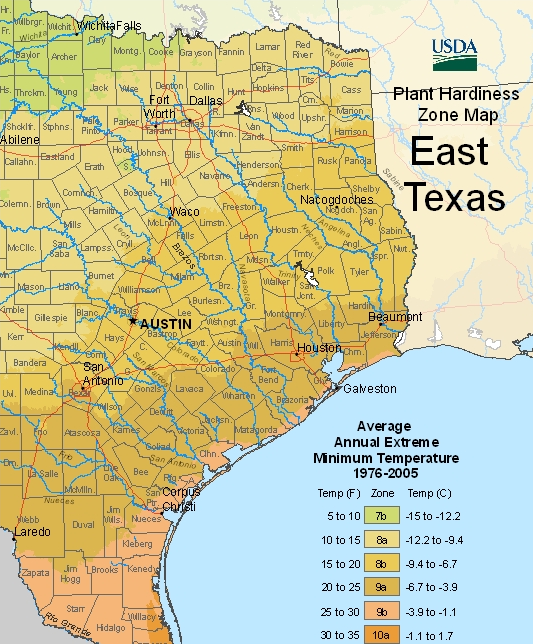
The USDA Plant Hardiness Zone Map is a standard by which gardeners and growers can determine which perennial plants are most likely to survive the winter in a particular location. The map is divided into 13 zones, each representing an average annual minimum winter temperature range. San Antonio, nestled in the heart of South Central Texas, falls within a specific zone that dictates the possibilities for both its native vegetation and the plants introduced by its diverse population over the centuries. This understanding is particularly vital for those looking to cultivate their own gardens, whether it’s a small balcony oasis or an expansive backyard, ensuring that their efforts are rewarded with thriving greenery rather than frost-bitten disappointment. It also informs tourism by hinting at the visual spectacle of the city throughout the year, from the spring blooms to the more resilient winter flora.
Understanding the Growing Zone Designation
The USDA Plant Hardiness Zone Map, developed by the United States Department of Agriculture, is an indispensable tool for anyone involved in horticulture. It provides a standardized system for classifying geographical areas based on their minimum winter temperatures. This is critical because the ability of a perennial plant to survive the winter is largely determined by how cold it gets in its location. The zones are defined in 10-degree Fahrenheit increments, with Zone 1 being the coldest and Zone 13 the warmest. Each zone is further subdivided into ‘a’ and ‘b’ zones, representing 5-degree Fahrenheit ranges. For instance, Zone 8a indicates a minimum winter temperature range of 10 to 15 degrees Fahrenheit, while Zone 8b ranges from 15 to 20 degrees Fahrenheit.
This system allows gardeners to make informed decisions when selecting plants. If a plant is labeled as hardy to Zone 8, it means it is expected to survive winters where the minimum temperature typically reaches down to 10-20 degrees Fahrenheit. Conversely, if a plant is only hardy to Zone 10, it would likely perish in a Zone 8 climate during a cold snap. The map is not static; it is periodically updated to reflect changes in climate and to incorporate more precise data. The most recent version, released in 2012, provides an even more granular understanding of temperature variations, often influenced by factors like elevation, proximity to large bodies of water, and urban heat island effects.
For San Antonio, understanding its specific zone is paramount for successful gardening. It dictates which trees will flourish, which flowers will return year after year, and which shrubs can withstand the occasional frost that sweeps through the region. This knowledge is not just for the dedicated horticulturalist; it also subtly shapes the city’s aesthetic, influencing the choice of public landscaping and the overall “look” of its parks and private gardens. It’s a foundational element that connects the city’s natural beauty to its human endeavors in cultivating and nurturing plant life.
San Antonio’s Place on the Hardiness Map
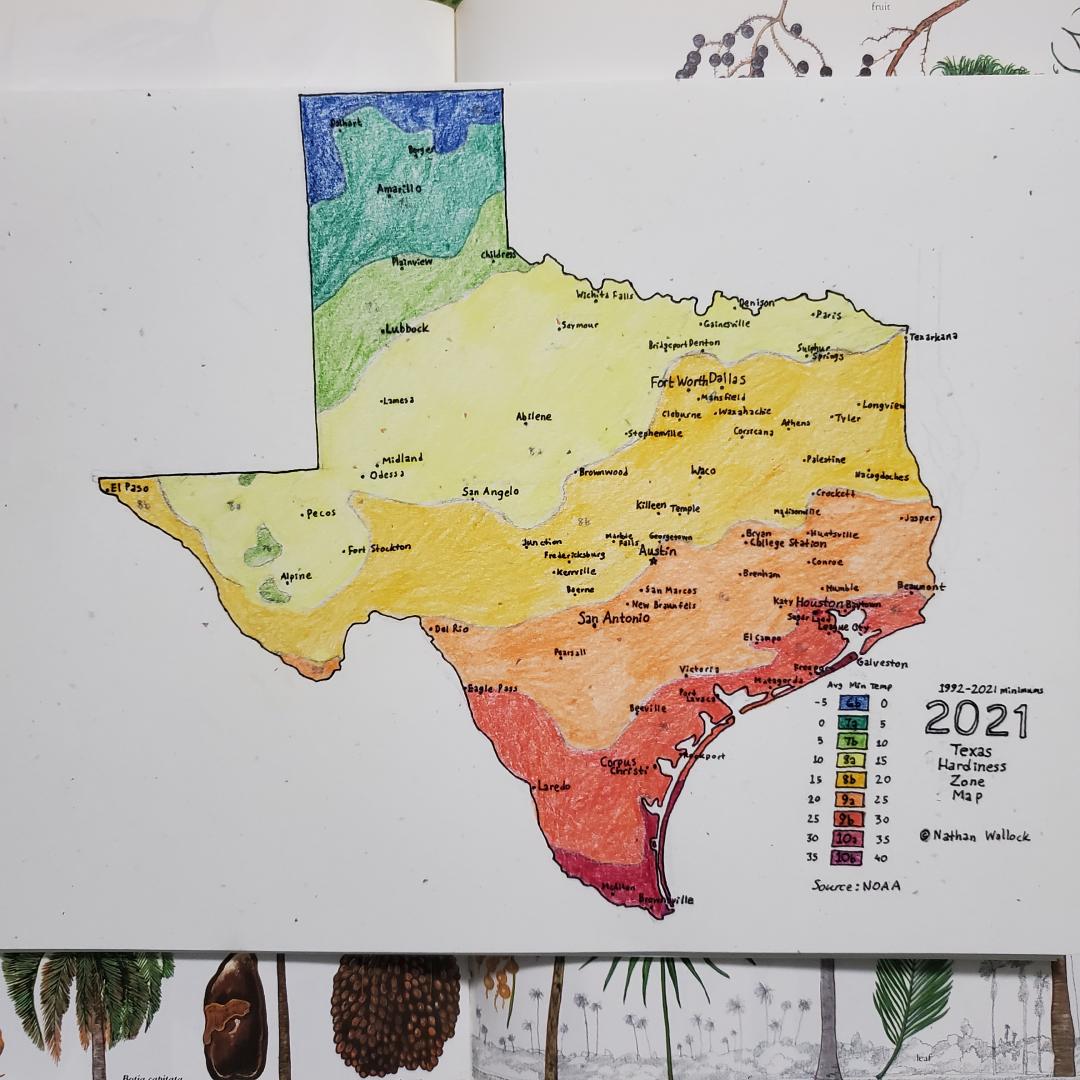
San Antonio, Texas, generally falls within USDA Plant Hardiness Zone 8b. This designation is a significant indicator for the city’s climate, particularly its winter temperatures. Zone 8b signifies that the average annual minimum winter temperature in San Antonio ranges between 15 and 20 degrees Fahrenheit (-9.4 to -6.7 degrees Celsius). This range is crucial for understanding which plants can survive the winter outdoors without special protection.
This classification places San Antonio in a warmer climate compared to many parts of the United States, but it’s not immune to winter chills. While the city rarely experiences prolonged periods of deep freezing, occasional cold snaps can bring temperatures down to the lower end of this range, or even dip slightly below it in unusual years. This means that while many subtropical plants can be grown successfully, gardeners must still be mindful of selecting varieties that are robust enough to handle these occasional temperature drops. The ‘b’ designation indicates the slightly warmer end of the Zone 8 spectrum, which is advantageous for a wider array of plant species.
The implications of Zone 8b extend beyond just survival. It influences the length of the growing season, allowing for earlier planting in the spring and potentially later harvests in the fall. This extended period of favorable temperatures contributes to the lushness and diversity of plant life that can be found throughout San Antonio, from the carefully curated gardens of The McNay Art Museum to the wilder flora found in places like Government Canyon State Natural Area. For visitors, it suggests a landscape that is generally green for much of the year, with distinct but not extreme seasonal changes.
Influences on San Antonio’s Growing Zone
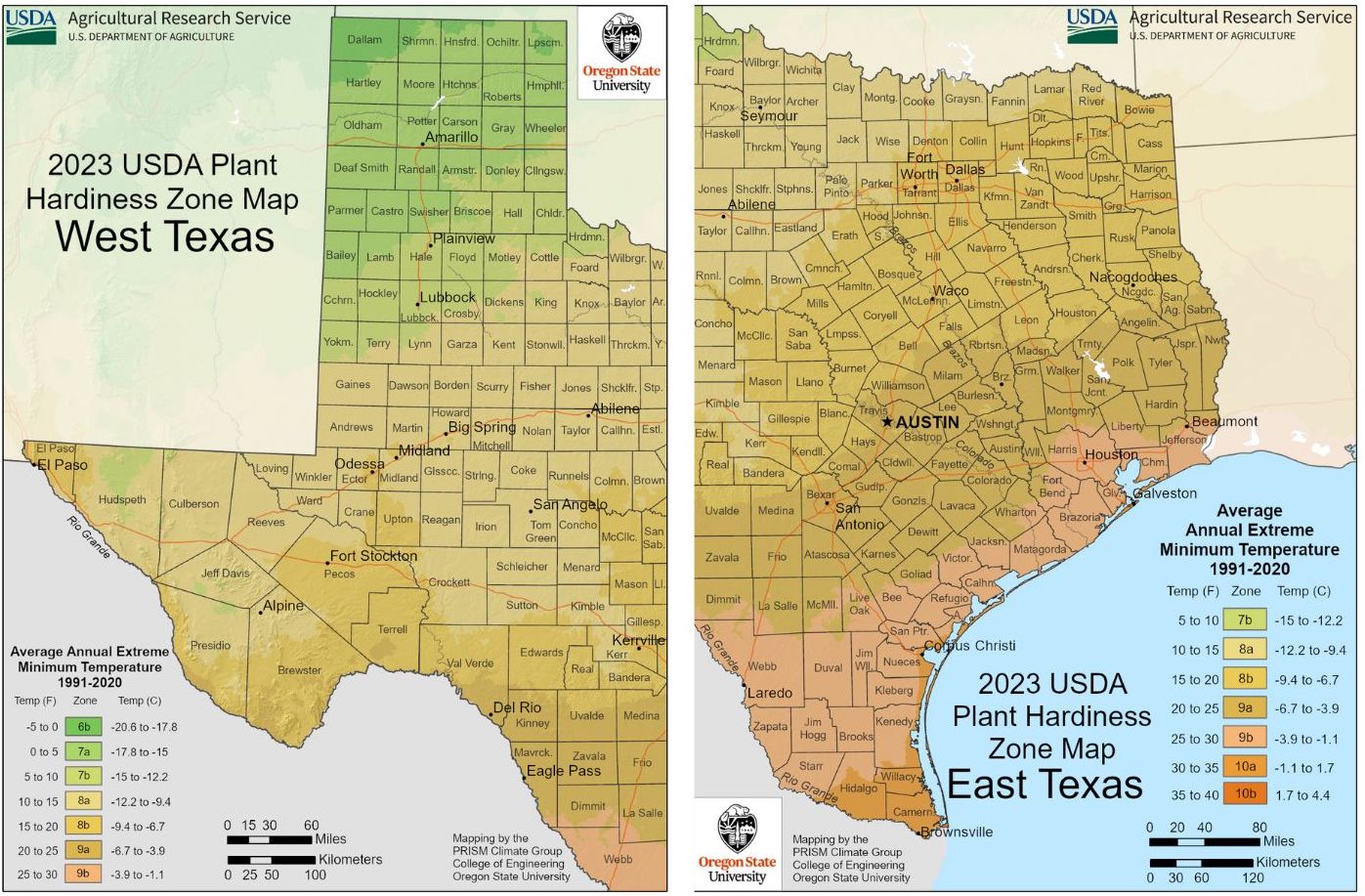
Several geographical and climatic factors contribute to San Antonio’s placement in Zone 8b. Its location in South Central Texas means it’s far enough south to avoid the severe cold of the Midwest and Northeast, but not so far south as to be in a purely tropical or subtropical zone that experiences no frost. The proximity to the Gulf of Mexico, while not direct, can moderate temperatures to some extent, preventing extreme cold. However, it’s also susceptible to cold fronts that push down from the north and west.
The relatively flat terrain of the Edwards Plateau region where San Antonio is situated also plays a role. In mountainous areas, elevation significantly impacts temperature, with higher altitudes being colder. San Antonio’s lower elevation allows it to retain more warmth. Furthermore, the urban heat island effect, common in major cities, can slightly raise local temperatures in San Antonio compared to surrounding rural areas, potentially making it a fraction warmer and more forgiving for sensitive plants. This means that microclimates can exist within the city, with areas closer to developed centers or with more concrete and asphalt experiencing slightly milder minimum temperatures.
The presence of the Edwards Aquifer also contributes to the region’s overall humidity and water availability, which can influence plant resilience. However, it’s the minimum winter temperature that is the primary determinant of the hardiness zone. The consistent, albeit sometimes chilly, winters of Zone 8b are what define the possibilities for plant cultivation in San Antonio, a city that has embraced its climate to create a beautiful and diverse botanical tapestry.
Gardening and Lifestyle in San Antonio
San Antonio’s Zone 8b classification has a profound impact on the city’s gardening scene and, by extension, its lifestyle. For residents and visitors interested in cultivating their own green spaces, this zone offers a rewarding environment with a wide variety of plant choices. It allows for the successful cultivation of many popular garden plants that might struggle in colder climates.
Plants Thriving in San Antonio’s Zone 8b
The relatively mild winters in San Antonio mean that a vast array of perennials, shrubs, and trees can thrive. This includes many varieties of roses, which are a beloved flower in Texas and benefit from the long growing season. Citrus trees, such as Meyer lemons and oranges, can often be grown successfully in protected spots, though gardeners may need to take precautions during the coldest nights. Many ornamental grasses, drought-tolerant plants that are well-suited to the Texas climate, and a colorful assortment of flowering shrubs and groundcovers also flourish.
For vegetable gardeners, Zone 8b translates to a long growing season and the possibility of multiple harvests. Cool-season crops like lettuce, spinach, broccoli, and peas can be planted in the fall and early spring, often extending well into the winter. Warm-season crops, such as tomatoes, peppers, cucumbers, and beans, can be planted after the last frost in the spring and will produce throughout the summer and into the fall. This extended period of productivity is a significant lifestyle benefit for those who enjoy growing their own food.
Even beyond the planned gardens, San Antonio’s Zone 8b influences the city’s natural and semi-natural landscapes. Native Texas wildflowers, known for their resilience and beauty, paint the roadsides and parks with vibrant colors in the spring. Trees like Live Oaks and Pecans are well-adapted to the region and provide shade and natural beauty throughout the city. The consistent warmth also supports a longer blooming period for many ornamental plants, contributing to the city’s attractive appearance for much of the year, a delight for tourists and locals alike.
Impact on Tourism and Experiences
The horticultural characteristics dictated by San Antonio’s growing zone subtly influence the types of attractions and experiences that are popular. The city’s numerous parks and botanical gardens, such as the San Antonio Botanical Garden, showcase the diversity of plant life that can thrive in Zone 8b. Visitors can enjoy the blooms and greenery throughout much of the year, making it an attractive destination for nature lovers in all seasons. The beautiful landscaping around historic sites like the Mission San José also reflects the plant life that is suited to the area.
The pleasant climate afforded by Zone 8b also makes outdoor activities a significant part of the San Antonio experience. The San Antonio Riverwalk is particularly inviting due to its lush vegetation and the ability to enjoy outdoor dining and strolls for much of the year. Events and festivals, often held outdoors, are more reliably planned due to the milder weather patterns compared to regions with harsher winters. This contributes to the city’s reputation as a lively and engaging destination.
For those considering accommodation in San Antonio, understanding the growing zone can offer a unique perspective. Resorts and hotels with extensive grounds, like the Hyatt Regency San Antonio Riverwalk, often feature landscaping that highlights the region’s plant life. Even apartment complexes and villas might offer opportunities for residents to engage in container gardening or maintain small patios and balconies with plants suited to Zone 8b. This connection to nature, facilitated by the favorable climate, adds to the overall appeal of San Antonio as a place to visit, live, or stay for an extended period. It’s a city where the warmth of its culture is matched by the warmth of its climate, fostering a vibrant and ever-blooming environment.
LifeOutOfTheBox is a participant in the Amazon Services LLC Associates Program, an affiliate advertising program designed to provide a means for sites to earn advertising fees by advertising and linking to Amazon.com. Amazon, the Amazon logo, AmazonSupply, and the AmazonSupply logo are trademarks of Amazon.com, Inc. or its affiliates. As an Amazon Associate we earn affiliate commissions from qualifying purchases.