
To ask what happened in New Orleans is to invite a conversation about resilience, cultural evolution, and the relentless pulse of a city that refuses to be defined by a single era. Situated along the crescent of the Mississippi River, this unique metropolis has spent centuries weaving together a tapestry of influences—French, Spanish, African, Caribbean, and American—that result in an atmosphere found nowhere else in the United States. Understanding the identity of this city requires looking past the surface of its tourist centers and into the rhythmic heartbeat of its neighborhoods.
The Cultural Alchemy of the Crescent City
The allure of the city lies in its refusal to conform. Unlike other major American hubs, it operates on a different frequency, one dictated more by brass bands and culinary traditions than by the clock.
The Preservation of Heritage
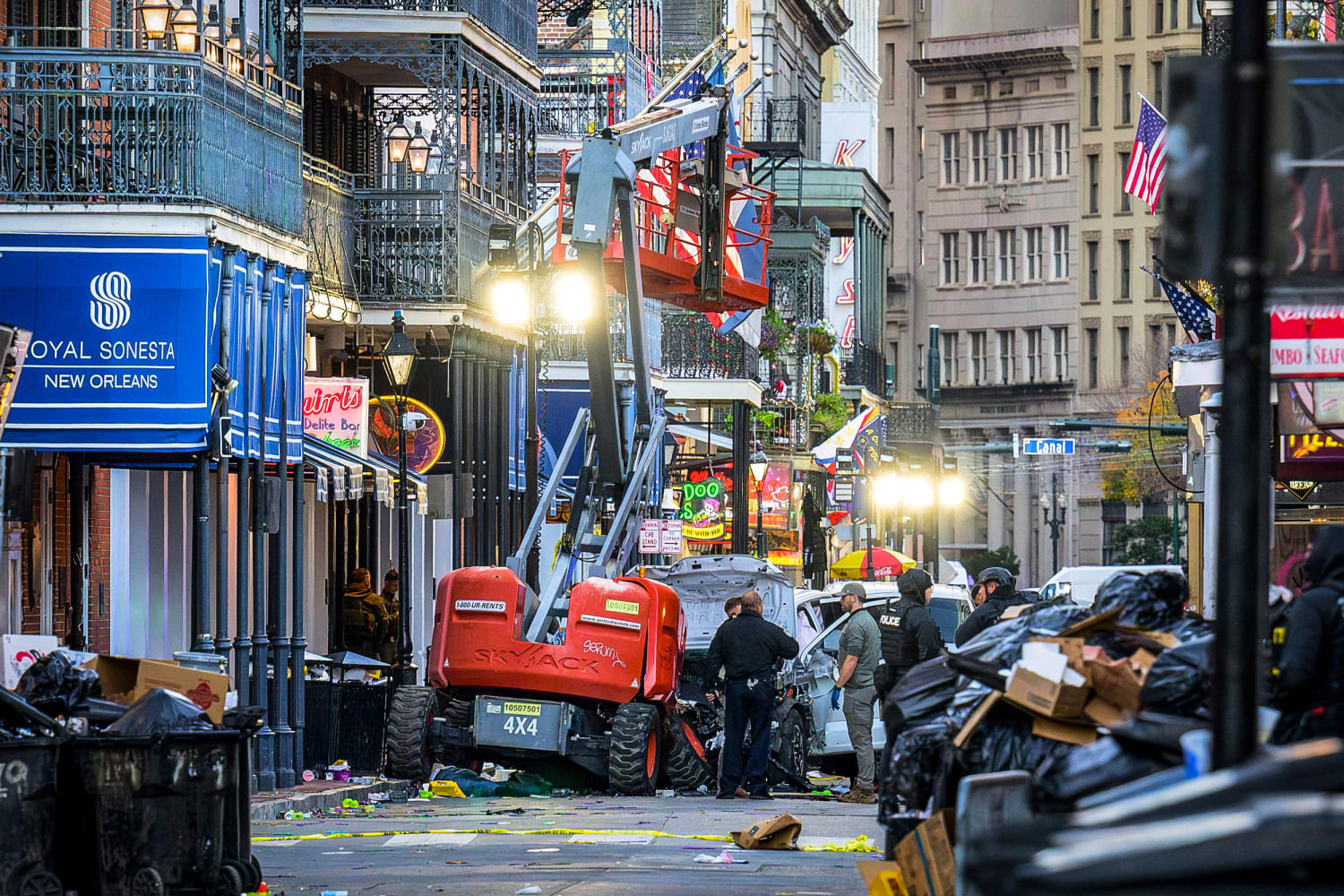
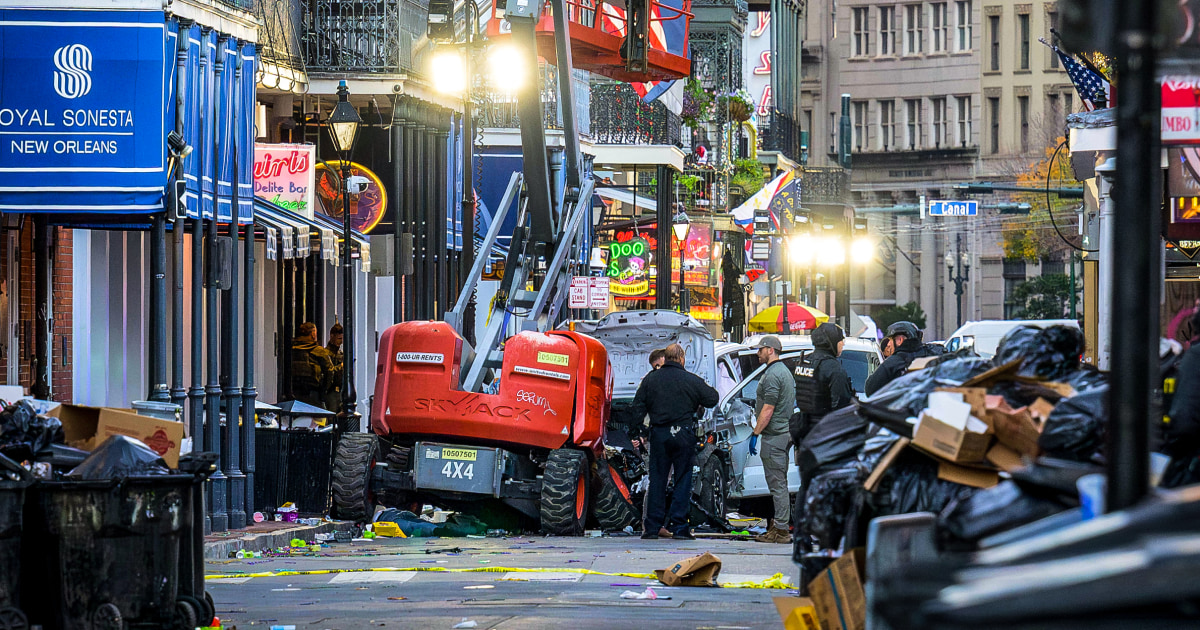
Walking through the French Quarter, one is struck by the juxtaposition of architectural beauty and the raw, lived-in reality of the streets. The iconic Bourbon Street may capture the kinetic energy of the nightlife, but the true spirit of the city is preserved in the quieter, iron-laced balconies of Royal Street. Here, the Spanish colonial influence remains etched into the stucco walls and hidden courtyards, serving as a reminder that the city is a monument to its own history.
Music as a Living Language
In New Orleans, music is not an accessory to life; it is the infrastructure. From the brass band marches that follow Second Line parades to the late-night jazz sessions on Frenchmen Street, the soundscape is ever-evolving. This is a place where every corner holds a rhythm, and every gathering—from a backyard crawfish boil to a funeral procession—is an opportunity for a melody to emerge.
Gastronomy: A Tale of Two Influences
One cannot discuss the city without addressing its culinary prowess. The food scene here is not merely about sustenance; it is a manifestation of the city’s complex lineage.
Creole and Cajun Traditions
The distinction between Creole and Cajun cooking is the subject of endless local debate, but both represent a fusion born of necessity and abundance. Creole cuisine, often associated with the city’s more aristocratic roots, utilizes sophisticated sauces and complex layering of flavors. In contrast, Cajun cooking, influenced by the settlers of the Louisiana bayous, favors spice, robustness, and the bounty of the land and water. Whether enjoying a bowl of gumbo at a local café or savoring a beignet at the world-renowned Cafe Du Monde, the food serves as a testament to the city’s ability to turn local ingredients into global sensations.
The Evolution of Modern Flavors
While tradition dictates the menu, modern chefs are increasingly pushing the boundaries of what is considered local. By integrating modern techniques with the traditional trinity of onions, celery, and bell peppers, the contemporary food movement is ensuring that the culinary landscape remains vibrant. This forward momentum is what keeps the city relevant, proving that while it respects its past, it is not trapped by it.
The Dynamics of Urban Resilience

The history of the city is marked by moments of intense trial and, inevitably, radical transformation. The topography of the region—nestled between the river and Lake Pontchartrain—has always required a unique approach to urban planning and community survival.
Shaping the Landscape
The geography of the area has significantly dictated its development. With much of the land sitting at or below sea level, the engineering feats of the levee systems and drainage pumps are as vital to the city’s history as its art or literature. Residents have developed a profound relationship with the water that surrounds them, a duality of dependency and caution that informs the local lifestyle.
Community Bonds
Beyond the infrastructure, the social fabric is the true source of strength. The neighborhood-centric culture, where families have resided in the same wards for generations, creates a web of support that is rarely seen in more transient cities. This tight-knit community structure is what allows the culture to endure despite the external pressures of environmental challenges and shifting economic tides.
Navigating the Living History
For the visitor, the experience of being in the city is less about sightseeing and more about immersion. It is a place that demands participation.
Exploring Beyond the Tourist Path
While the Garden District offers a stunning look at grand antebellum mansions and the serene Lafayette Cemetery No. 1, the soul of the city often reveals itself in the artsy, burgeoning districts like the Bywater or Marigny. These areas provide a glimpse into the creative class that sustains the city’s current cultural output, featuring murals, independent galleries, and community gardens that breathe new life into historic structures.
The Rhythms of Seasonal Celebration
The seasonal calendar is dictated by the Mardi Gras cycle. This season of revelry is not just a party; it is a manifestation of the city’s identity. The work of the Krewe organizations, which spend the better part of the year preparing their floats, costumes, and performances, exemplifies the collective effort required to maintain the city’s traditions. This intense commitment to art and community creates a cycle of anticipation and celebration that defines the local year.
Looking Toward the Future
So, what happened in New Orleans? The answer is that it transformed. It absorbed the challenges of its environment, the weight of its complex past, and the influences of those who walked its streets. It chose to double down on its identity as a beacon of culture in the South.
The city continues to evolve, balancing the tension between maintaining its historic authenticity and embracing the necessities of a modernizing world. For anyone observing from the outside, the lesson is clear: the strength of a place is found in its ability to adapt without losing the core values that make it unique.
Whether it is the haunting beauty of a Second Line moving through a rain-slicked street, or the quiet contemplation offered by the St. Louis Cathedral in the heart of Jackson Square, the city provides a space for reflection and joy. It is a living, breathing testament to human perseverance, a place that reminds us that culture is something we create together, one melody, one meal, and one neighborhood at a time. The story of this city is not finished; it is currently being written in the lyrics of the next song, the preparation of the next feast, and the steps of the next parade. Those who visit find not just a destination, but a state of mind—a reminder that life, despite its unpredictability, is always worth celebrating.
LifeOutOfTheBox is a participant in the Amazon Services LLC Associates Program, an affiliate advertising program designed to provide a means for sites to earn advertising fees by advertising and linking to Amazon.com. Amazon, the Amazon logo, AmazonSupply, and the AmazonSupply logo are trademarks of Amazon.com, Inc. or its affiliates. As an Amazon Associate we earn affiliate commissions from qualifying purchases.