
The Boston Marathon, an iconic annual event held on Patriots’ Day in Massachusetts, holds a special place in the hearts of runners and spectators worldwide. It’s not just a race; it’s a celebration of human endurance, community spirit, and the vibrant city of Boston itself. For over a century, the marathon has been a beacon of tradition, attracting participants from every corner of the globe to challenge themselves against the historic 26.2-mile course. However, on April 15, 2013, this beloved event was tragically marred by an act of terrorism that forever etched a different kind of memory into the city’s history. The 117th running of the Boston Marathon became the scene of a devastating attack, leaving an indelible mark but also forging an unbreakable spirit of resilience that would come to define Boston in the years that followed.
The events of that day unfolded rapidly, transforming a joyous occasion into a scene of chaos and fear. Yet, from the immediate aftermath emerged stories of extraordinary heroism, community solidarity, and an unwavering determination to overcome adversity. For travelers planning to visit Boston, understanding this pivotal moment in the city’s recent past provides a deeper appreciation for its character, its people, and the monuments that stand as testaments to both tragedy and triumph. This article delves into the details of what transpired, the city’s incredible response, and how Boston has not only healed but continued to thrive, inviting visitors to experience its rich history, culture, and vibrant lifestyle.
The Day Boston Stood Still: The 2013 Boston Marathon Bombings
The morning of April 15, 2013, began like countless Marathon Mondays before it—crisp, energetic, and filled with an infectious sense of excitement. Thousands of runners, many having trained for months, embarked on their journey from Hopkinton to Boston, cheered on by an estimated half-million spectators lining the route. Families, friends, and supporters congregated near the finish line on Boylston Street, eagerly awaiting the arrival of their loved ones and celebrating the achievements of all participants. The atmosphere was electric, a quintessential celebration of spring, sport, and the communal spirit of New England.
A Celebration Turns to Tragedy on Boylston Street
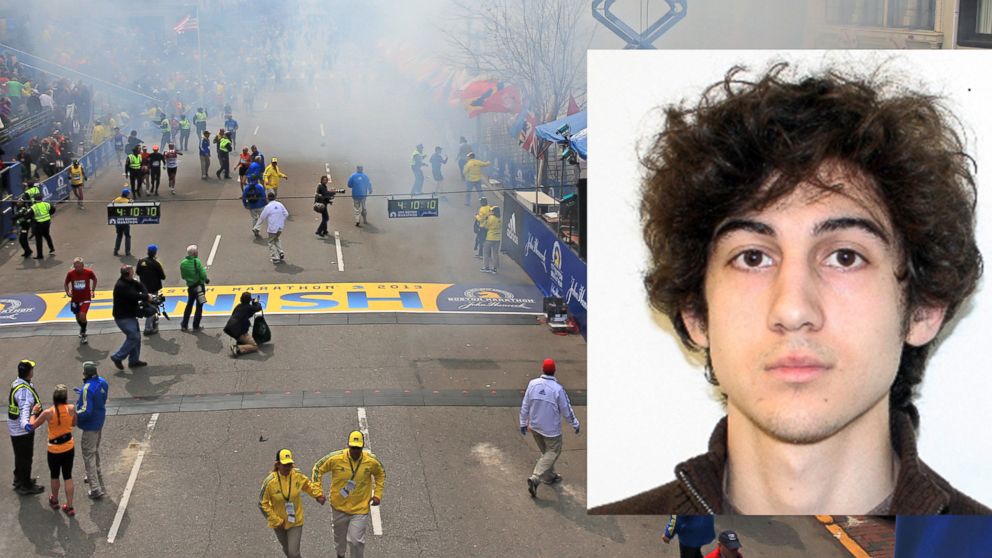
As the clock neared 2:49 PM, the festive ambiance on Boylston Street shattered instantly. Two homemade pressure-cooker bombs detonated just 12 seconds apart, near the finish line, about 570 feet from each other. The first explosion occurred outside the Boston Public Library in Copley Square, and the second a short distance away, near Marathon Sports. The thunderous blasts sent shockwaves through the crowd, replacing cheers with screams and turning a scene of joyous celebration into one of unimaginable horror. Smoke billowed into the sky, debris rained down, and the ground was littered with the injured, many suffering severe, life-altering wounds. The immediate aftermath was chaotic, a desperate struggle for survival and a scramble for safety amidst the confusion.

Three innocent lives were lost that day: eight-year-old Martin Richard, 29-year-old Krystle Campbell, and 23-year-old Lingzi Lu. Over 260 others were injured, many sustaining shrapnel wounds, hearing damage, and, most profoundly, traumatic amputations. The sheer scale of the casualties overwhelmed local emergency services, but the response from both official responders and ordinary citizens was nothing short of miraculous. Without hesitation, bystanders rushed to aid the wounded, applying tourniquets, offering comfort, and guiding people away from the danger zone. Doctors, nurses, and medical professionals, many of whom were spectators or participants themselves, immediately sprang into action, turning the finish line medical tent into a makeshift trauma center. This spontaneous, selfless bravery became one of the first defining narratives of Boston’s response.
The Immediate Aftermath and Global Response
In the hours and days that followed the bombings, the city of Boston was plunged into a state of shock, grief, and heightened alert. Boylston Street and the surrounding areas were transformed into a crime scene, sealed off as federal and local law enforcement agencies, including the FBI, launched an intensive investigation. The marathon, for generations a symbol of sport and community, had become the target of terrorism, shaking the entire nation.
News of the attack spread rapidly across the globe, eliciting widespread condemnation and an outpouring of sympathy. Leaders from around the world expressed their condolences and solidarity with the victims and the people of Boston. Social media became a platform for both fear and unity, with hashtags like “#PrayforBoston” quickly trending. Yet, even amidst the fear and uncertainty, a different sentiment began to emerge, one that would soon define the city’s resolve: resilience. Offers of assistance, blood donations, and financial support poured in from individuals and organizations, signaling a collective refusal to be defeated by fear. The city, known for its deep historical roots and fiercely independent spirit, found itself at the center of a global conversation about strength in the face of terror.
Uniting in Adversity: The Spirit of “Boston Strong”
The immediate aftermath of the bombings was a period of intense grief, but it quickly transitioned into one of extraordinary unity and determination. The phrase “Boston Strong” emerged as a powerful rallying cry, embodying the city’s unwavering resolve to recover, rebuild, and never forget. This spirit was evident in every facet of the community’s response, from the relentless pursuit of justice to the compassionate care for the victims and the collective commitment to move forward with hope.
The Manhunt and Community Vigilance
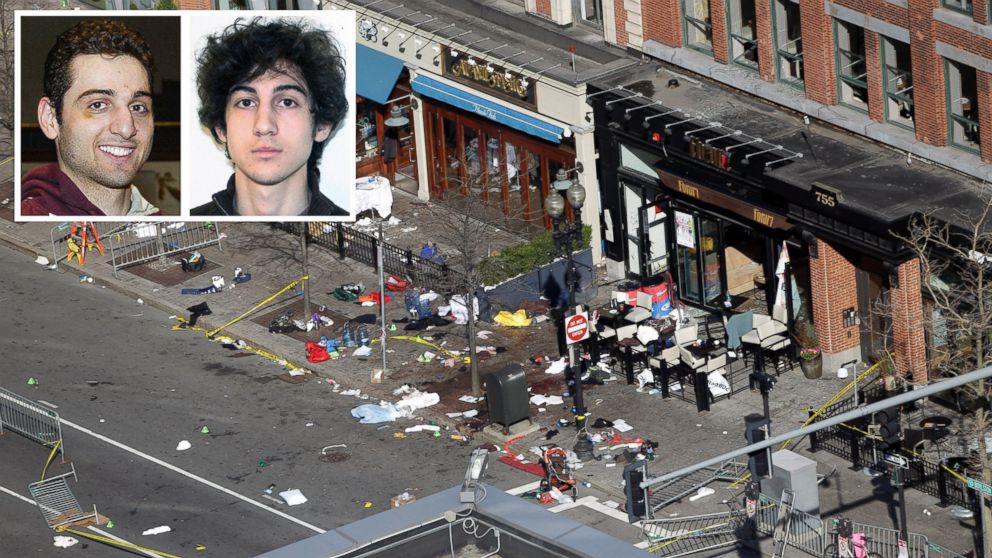
The investigation into the bombings was swift and unprecedented in its scale and cooperation. Within days, law enforcement identified two suspects: brothers Tamerlan and Dzhokhar Tsarnaev. The manhunt that ensued captivated the nation, culminating in a dramatic and intense series of events across the Boston metropolitan area.
The pursuit began late on April 18, just three days after the attack, when the Tsarnaev brothers murdered MIT police officer Sean Collier in Cambridge. This was followed by a carjacking in Allston, leading to a high-speed chase and a violent shootout with police in Watertown. During the firefight, Tamerlan Tsarnaev was killed, and Dzhokhar Tsarnaev escaped, triggering an unprecedented lockdown of Boston and its surrounding suburbs. Residents were asked to shelter in place, businesses were closed, and public transportation was suspended, turning the normally bustling city into a ghost town.
The nearly 24-hour lockdown showcased the profound trust and cooperation between citizens and law enforcement. The community’s vigilance ultimately paid off when a Watertown resident discovered Dzhokhar Tsarnaev hiding in a boat in his backyard. His capture on April 19 brought a collective sigh of relief and a sense of justice being served, allowing the city to begin the arduous process of healing and remembrance. The coordination among federal, state, and local agencies, alongside the active participation of the public, demonstrated an extraordinary level of civic engagement and unity in the face of crisis.
Healing and Remembering: The Boston Marathon Memorial
In the years following the bombings, Boston committed itself to a process of both physical and emotional healing. The resilience of the city and its people was powerfully symbolized by the creation of the Boston Marathon Memorial, dedicated on August 15, 2019. Located on Boylston Street, near the sites of the two explosions, the memorial stands as a permanent tribute to those who lost their lives, those who were injured, and the countless individuals who responded with courage and compassion.
The memorial, designed by artist Pablo Eduardo, features two bronze sculptures representing the finish line, encircled by granite stones. At each bomb site, two vertical bronze spires rise, evoking light and hope, while trees and etched phrases offer solace and reflection. Inscriptions include the names of the victims, words of encouragement, and a powerful quote from Martin Richard: “No more hurting people. Peace.” The memorial is not just a somber reminder of loss but also a poignant affirmation of the enduring human spirit and the community’s pledge to never forget. For travelers, visiting the Boston Marathon Memorial offers a moment of quiet contemplation and a deep understanding of the city’s journey through tragedy to steadfast hope.
The Enduring Legacy of the Boston Marathon and the City’s Resilience
The bombings of 2013 profoundly impacted Boston, but they did not break its spirit. Instead, the events catalyzed an even stronger sense of community and determination. The Boston Marathon itself, far from being diminished, has emerged as an even more powerful symbol of courage, solidarity, and the triumph of the human will.
Reclaiming the Race: A Symbol of Hope and Determination
The year after the bombings, the 2014 Boston Marathon became one of the most anticipated and emotionally charged races in its history. Security was dramatically increased, but the overwhelming sentiment was not fear, but defiance and unity. A record number of runners participated, and millions more watched, both in Boston and around the world, as the city reclaimed its beloved event. The cheers were louder, the hugs tighter, and the collective spirit palpable. Many runners wore “Boston Strong” gear, and survivors of the attack were present, inspiring awe with their bravery and determination.
This tradition of resilience has continued in every subsequent marathon. Each year, the race serves as a living memorial and a powerful testament to the fact that terrorism cannot extinguish hope or communal joy. The marathon remains a significant draw for both athletes and spectators, embedding itself even deeper into the cultural fabric of Boston. For runners, qualifying for and completing the Boston Marathon became not just a personal athletic achievement, but a participation in a powerful declaration of endurance and solidarity.
Exploring Boston Today: A City Transformed by Spirit
Today, Boston stands as a vibrant testament to resilience. While the memory of 2013 remains a part of its narrative, the city has moved forward with an unwavering commitment to its values of community, innovation, and strength. The areas around Boylston Street are bustling, full of shops, restaurants, and the everyday rhythm of urban life. The Boston Public Library continues to be a hub of knowledge and culture, and Copley Square remains a beautiful public space, hosting various events throughout the year.
For visitors, Boston offers an incredibly rich travel experience, blending deep historical significance with modern sophistication. Understanding the events of 2013 enriches this experience, offering context to the city’s character and the indelible spirit of its people. Travelers will find that while Boston remembers its pain, it lives fully in its present, constantly evolving and welcoming the world with open arms.
Beyond the Headlines: Experiencing Boston’s Rich Tapestry for Travelers
While the events of the 2013 marathon are a significant part of Boston’s recent history, the city offers an unparalleled array of experiences for every type of traveler. From its revolutionary past to its cutting-edge present, Boston is a destination brimming with cultural, historical, and culinary delights.
Iconic Landmarks and Cultural Immersion
For history buffs, a journey along the Freedom Trail is a must. This 2.5-mile red-lined path guides visitors through 16 historically significant sites, including the Massachusetts State House, Old North Church, and Bunker Hill Monument, immersing them in the birthplace of American independence. You can walk through the historic Boston Common, America’s oldest public park, and explore the bustling Faneuil Hall Marketplace, a vibrant hub of shops, eateries, and street performers located near the picturesque Boston Harbor.
Art and culture enthusiasts will revel in the city’s numerous museums, such as the world-renowned Museum of Fine Arts and the thought-provoking Isabella Stewart Gardner Museum. The performing arts scene thrives with the Boston Symphony Orchestra at Symphony Hall and a plethora of theaters showcasing Broadway productions and local talent. For those interested in intellectual pursuits, a visit to Harvard University in Cambridge offers a glimpse into one of the world’s most prestigious academic institutions, with its stunning architecture and historic campus.
Beyond the well-trodden paths, neighborhoods like the charming North End invite exploration with their authentic Italian cuisine and historic cobblestone streets, while the trendy Seaport District offers modern architecture, innovative dining, and waterfront views. A relaxing stroll along the Charles River Esplanade provides stunning cityscapes and a sense of tranquility amidst the urban buzz.
World-Class Hospitality and Culinary Delights
Boston’s reputation for hospitality is as strong as its historical roots. The city boasts a diverse range of accommodations, from luxurious hotels like the Four Seasons Hotel Boston and the Ritz-Carlton, Boston overlooking Boston Common, to charming boutique hotels in historic districts and modern apartments for long-term stays. Whether you’re seeking a lavish resort experience or a cozy guesthouse, Boston provides options to suit every preference and budget, ensuring a comfortable and memorable visit.
The culinary scene in Boston is equally impressive, offering everything from classic New England seafood—think clam chowder, lobster rolls, and fresh oysters at establishments around the Boston Harbor—to innovative gourmet dining. The North End remains a mecca for Italian food lovers, while the South End boasts a vibrant restaurant scene with diverse global cuisines. Food tours are a popular way to sample the city’s best offerings, giving travelers a taste of local culture and history through its delectable flavors.
In conclusion, “What Happened At Boston Marathon?” is a question that leads to a story of profound tragedy, but also one of extraordinary human resilience, courage, and an unbreakable community spirit. Visiting Boston today means engaging with a city that honors its past while vibrantly embracing its future. It is a destination that offers rich historical context, compelling cultural attractions, and a warm, welcoming atmosphere, inviting travelers to experience a city that truly embodies the meaning of being “Boston Strong.” The marathon continues to be a symbol of endurance, not just for runners, but for the entire city, making it a compelling and deeply meaningful place to explore.