
Embarking on a journey through the vast and vibrant landscapes of Texas promises an unforgettable experience, rich with diverse cultures, breathtaking natural beauty, and a unique Southern charm. From the bustling metropolitan hubs of Houston and Dallas to the historic streets of San Antonio and the live music capital of Austin, the Lone Star State offers an array of attractions for every type of traveler. Whether you’re planning a luxurious resort getaway, a rugged outdoor adventure, a culinary tour, or a deep dive into local history, understanding the nuances of local regulations can significantly enhance your trip. Among the most common questions for visitors and new residents alike, particularly those looking to enjoy a local craft brew or a fine wine with their meal, is “What time can you buy liquor in Texas?”
Navigating alcohol laws, which can vary significantly from state to state and even county to county, is an essential part of responsible travel and enjoying the local lifestyle. Texas has a fascinating history with alcohol, deeply influenced by its frontier past and unique cultural tapestry, leading to a set of regulations that might seem complex at first glance. However, once understood, these rules are straightforward and designed to ensure public safety while still allowing residents and tourists to partake responsibly. This comprehensive guide aims to demystify alcohol purchasing times in Texas, providing clarity for travelers planning their itinerary, foodies mapping out their dining experiences, and anyone looking to fully immerse themselves in the Texas lifestyle. We’ll delve into the specifics for liquor stores, grocery stores, bars, and restaurants, offering practical tips to ensure your Texas experience is as smooth as a fine bourbon.
Understanding Texas Alcohol Laws: A Traveler’s Overview
The Texas Alcoholic Beverage Commission (TABC) is the state agency responsible for regulating alcoholic beverages within Texas. Their regulations govern everything from licensing and sales to advertising and consumption. For travelers, the key takeaway is that alcohol sales are divided into two main categories: off-premise sales (for consumption elsewhere, like at your hotel or vacation rental) and on-premise sales (for consumption at the location of purchase, such as a restaurant or bar). This distinction is crucial as the hours and types of alcohol available often differ between these categories.
Furthermore, Texas operates under a system that allows local jurisdictions – counties and even smaller municipalities – to impose additional restrictions or to be “dry” (prohibiting the sale of alcohol entirely), “wet” (allowing full sales), or “partially wet” (allowing some but not all types of alcohol sales). While many major cities are fully wet, venturing into more rural areas or smaller towns might introduce you to these localized regulations. Planning ahead, especially if your travel itinerary takes you off the beaten path, by checking local ordinances can save you a surprising amount of time and potential inconvenience. This regional variation is a distinct part of the Texas experience, sometimes reflecting historical values or community preferences, and it adds another layer to the state’s diverse lifestyle.
Off-Premise Sales: Bringing the Cheers Back to Your Accommodation
For those who enjoy a quiet evening drink in their hotel suite, a poolside beer at their resort, or preparing a meal with a bottle of wine at their vacation villa, understanding off-premise sales is paramount. These are purchases made from retailers like liquor stores, grocery stores, and convenience stores, intended for consumption at another location.
Liquor Stores (Spirits, Liqueurs, and Fortified Wines)
When it comes to distilled spirits, the rules are quite specific. In Texas, these potent libations—whiskey, vodka, rum, gin, tequila, and the like—can only be purchased from dedicated liquor stores. These establishments operate under stricter hours compared to those selling beer and wine.
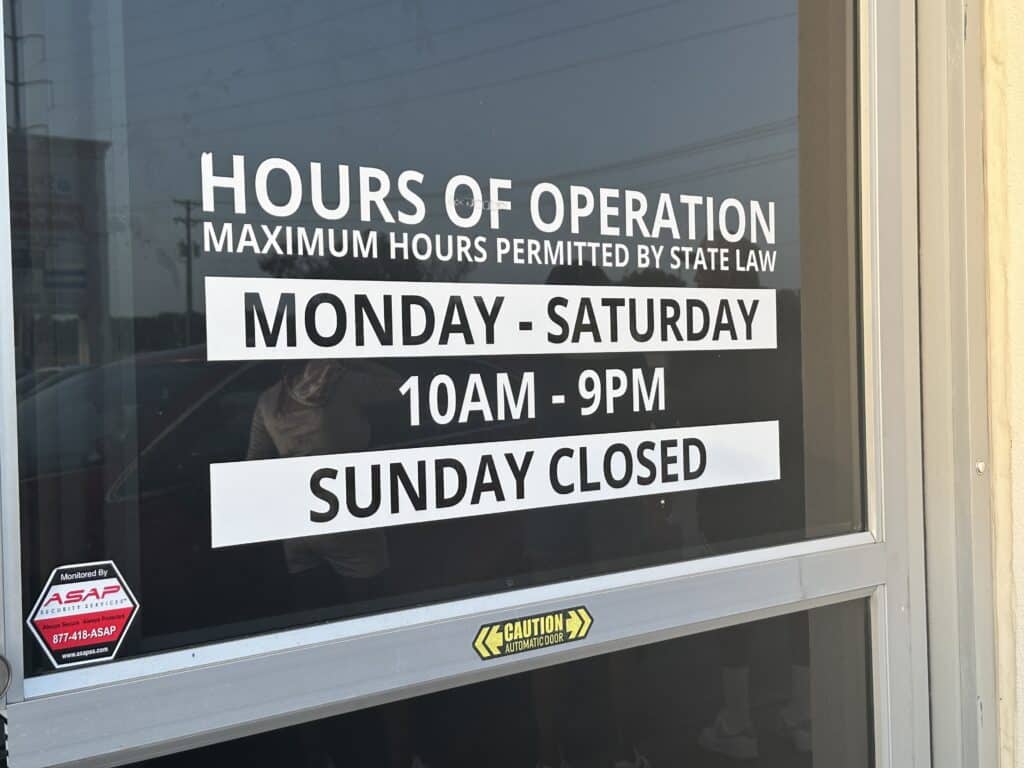
- Weekdays and Saturdays: Liquor stores are permitted to sell spirits from 10:00 AM to 9:00 PM.
- Sundays: This is where the most significant restriction lies. Liquor stores in Texas are closed all day on Sundays. This “blue law” tradition has deep historical roots and remains a defining characteristic of alcohol sales in the state.
- Major Holidays: Liquor stores are also typically closed on New Year’s Day, Thanksgiving Day, and Christmas Day. If one of these holidays falls on a Sunday, the store may also be closed the following Monday. It’s always a good idea to check specific store hours around holiday periods if your travel plans coincide.
This means if you’re planning a Sunday gathering or a festive holiday celebration at your Dallas apartment rental or a San Antonio Riverwalk hotel, remember to stock up on your spirits before Saturday evening. For many travelers, this becomes part of the planning for weekend excursions or longer stays, often prompting a stop at a liquor store before heading to a resort in the Texas Hill Country for a leisurely weekend.
Grocery and Convenience Stores (Beer and Wine)
The rules for purchasing beer and wine are generally more lenient and convenient for travelers, as these can be found in a much broader range of retailers, including most grocery stores, convenience stores, and many pharmacies. This accessibility is a boon for those staying in self-catering accommodations or simply wanting to grab a six-pack for a casual evening.
- Monday to Friday: Beer and wine can be purchased from 7:00 AM to Midnight.
- Saturdays: Sales continue from 7:00 AM to 1:00 AM the following Sunday.
- Sundays: This is where Texas saw a significant change. As of September 1, 2021, grocery and convenience stores are now permitted to sell beer and wine from 10:00 AM to Midnight on Sundays. This welcomed update relaxed the previous restriction, making it much easier for visitors and locals to enjoy a glass of Texas wine or a locally brewed beer on a Sunday afternoon.
- Major Holidays: Unlike liquor stores, grocery and convenience stores generally remain open and sell beer and wine during their regular hours on most holidays, unless mandated otherwise by specific local ordinances.
This extended accessibility for beer and wine means that a spontaneous picnic at Zilker Park in Austin or a relaxed evening at your Galveston beach house can easily include your preferred beverages, even on a Sunday. For travelers, this flexibility greatly enhances the ability to enjoy local flavors and unwind, whether at a luxury hotel, a quaint bed and breakfast, or a bustling family vacation rental.
On-Premise Consumption: Savoring the Texas Bar & Restaurant Scene
Exploring the vibrant culinary and nightlife scenes of Texas is a highlight for many visitors. From sizzling BBQ joints in Fort Worth to upscale dining experiences in Houston and the live music venues of Austin’s Sixth Street, enjoying alcoholic beverages on-site is a fundamental part of the experience. The rules for on-premise consumption are generally more uniform across the state (outside of dry counties) and offer broader hours.
Bars, Restaurants, and Licensed Establishments
Establishments like bars, restaurants, clubs, and venues with a specific permit are allowed to sell and serve alcoholic beverages for consumption on their premises during consistent hours throughout the week.
- Standard Hours: Generally, alcohol can be served from 7:00 AM to Midnight on any day.
- Late-Night Permits: Many establishments, especially in larger cities and popular entertainment districts, obtain a “late-night permit.” With this permit, they can extend their serving hours until 2:00 AM every day of the week, including Sundays. This is particularly relevant for those exploring the lively nightlife in Austin, Dallas, or Houston, where bars often stay open until the early morning hours.
This consistency in on-premise hours, especially with the widespread availability of late-night permits in tourist-heavy areas, means that you can almost always find a place to enjoy a drink with your meal or unwind with a cocktail until late in the evening. Whether you’re enjoying a romantic dinner along the San Antonio Riverwalk, catching a band on Sixth Street, or celebrating a business deal in a Houston lounge, the chances are high that alcohol service will align with your plans.
Hotel Bars and Room Service
For guests staying in Texas hotels, the same on-premise rules apply to hotel bars and restaurants. If the hotel establishment has a late-night permit, you can enjoy drinks until 2:00 AM. Room service, when it includes alcoholic beverages, also falls under these on-premise regulations. Many luxury hotels and resorts pride themselves on providing exceptional in-room dining and beverage services, making it convenient for guests to enjoy a nightcap without leaving the comfort of their suite. This amenity is a significant part of the lifestyle offerings in top-tier accommodations throughout Texas.
Special Considerations for Travelers and Planning Your Trip
Beyond the standard hours, there are a few additional factors that travelers to Texas should be aware of to ensure a smooth and enjoyable experience.
Dry Counties and Local Options
As mentioned, Texas has a mix of wet, dry, and partially wet counties. While major urban centers are predominantly wet, allowing the full range of alcohol sales, some rural areas or smaller towns may have restrictions. If your travel plans involve exploring less-populated regions, particularly for nature-based tourism or visits to historic small towns, it’s wise to quickly check the local alcohol laws. A simple online search for “[County Name] alcohol laws Texas” can often provide the necessary information. In a dry county, you might find that while you can’t buy alcohol, some restaurants operate under a “BYOB” (Bring Your Own Bottle) policy, allowing you to bring your own wine or beer, sometimes for a small corkage fee. This local quirk can add an interesting dimension to the Texas culinary experience.
Holidays and Special Events
While on-premise establishments generally operate normally on most holidays (with extended hours often seen on New Year’s Eve), off-premise sales, particularly for spirits, are more impacted. Beyond the previously mentioned major holidays when liquor stores are closed, it’s rare for general alcohol sales to be completely prohibited across the board on other federal holidays. However, always confirm specific hours if your travel falls on a less common holiday, especially if relying on smaller, independently owned stores. During major festivals or events, like Austin City Limits or the Houston Livestock Show and Rodeo, special permits may be issued allowing for extended hours or unique concessions within designated event zones, enhancing the visitor experience.
Age Restrictions and Identification
The legal drinking age in Texas, as throughout the United States, is 21. Retailers and servers are very strict about checking identification, regardless of how old you might appear. Always carry a valid, government-issued photo ID (like a driver’s license or passport) if you plan to purchase or consume alcohol. This is standard practice in bars, restaurants, and stores across the state and a fundamental aspect of responsible tourism.
Enhancing Your Texas Experience: Alcohol Laws and Lifestyle
Understanding Texas’s alcohol laws is not just about avoiding inconvenience; it’s about seamlessly integrating into the local lifestyle and maximizing your travel enjoyment. For instance, if you’re planning a weekend stay at a luxurious Dallas resort with a private balcony, knowing you can pick up a bottle of Texas wine at the grocery store until midnight on a Saturday simplifies your relaxation plans. Similarly, if your itinerary includes exploring Austin’s famous live music scene, knowing that most venues serve until 2:00 AM means you can enjoy the performances without rushing your drinks.
For food enthusiasts, pairing your culinary adventures with local beverages is part of the charm. Enjoying a craft beer from a local brewery with your BBQ, or a glass of Texas High Plains wine with a gourmet meal, enhances the authenticity of your experience. Many Texas wineries and breweries offer tours and tastings, providing another dimension to your travel. These establishments typically operate under similar on-premise consumption rules, often with gift shops where you can purchase bottles to take home during off-premise hours.
In conclusion, while the alcohol laws in Texas might seem a bit intricate at first glance, especially regarding Sunday sales and the distinction between spirits and other beverages, they are manageable with a little foresight. Plan your liquor store runs before Sunday or late Saturday evening, know that beer and wine are more readily available, and rest assured that bars and restaurants in most areas offer ample hours for on-premise enjoyment. By keeping these guidelines in mind, you can fully embrace the rich culture, diverse attractions, and welcoming lifestyle that define the magnificent state of Texas, ensuring your visit is both memorable and hassle-free. Cheers to your Texas adventure!
LifeOutOfTheBox is a participant in the Amazon Services LLC Associates Program, an affiliate advertising program designed to provide a means for sites to earn advertising fees by advertising and linking to Amazon.com. Amazon, the Amazon logo, AmazonSupply, and the AmazonSupply logo are trademarks of Amazon.com, Inc. or its affiliates. As an Amazon Associate we earn affiliate commissions from qualifying purchases.