
The bustling hub of air travel, Seattle-Tacoma International Airport, affectionately known as Sea-Tac, is a vital gateway for the Pacific Northwest. While the airport typically hums with the predictable rhythm of departures and arrivals, unexpected events can occasionally disrupt the flow, turning a routine travel day into a story. Today, attention has been drawn to Terminal 1 at Sea-Tac, with travelers and observers keen to understand any disruptions or notable occurrences. This article delves into potential scenarios that might cause a stir at an airport terminal and explores how such events are typically managed, offering insights relevant to any traveler navigating the world of aviation.
Understanding Airport Terminal Operations
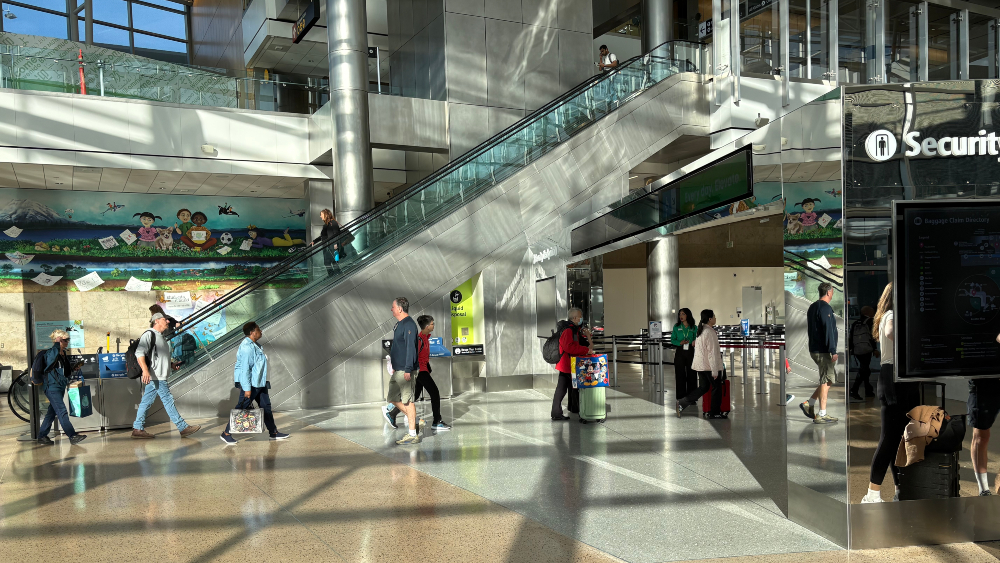
Airport terminals are complex ecosystems, designed to efficiently manage the constant movement of people and goods. Terminal 1 at Sea-Tac, like any other terminal, is a multifaceted environment with distinct operational areas and purposes. These spaces are meticulously planned to accommodate check-in counters, security checkpoints, boarding gates, baggage claim areas, and a host of passenger services including retail outlets and dining establishments. The seamless operation of these components relies on the coordinated efforts of numerous stakeholders: airlines, airport authorities, security personnel, air traffic control, and ground handling services.
The Passenger Journey Through Terminal 1
For a traveler arriving at Terminal 1, the journey typically begins with navigating to the correct airline’s check-in area. This initial phase is crucial, as being in the wrong terminal can lead to significant delays and missed flights. After checking in and dropping off luggage, passengers proceed to the security screening area. Here, rigorous checks are in place to ensure the safety and security of all on board. Once cleared, travelers enter the pre-boarding area, a space designed for waiting, with access to amenities and gate information. The boarding process itself is a carefully orchestrated event, managed by airline staff to ensure efficient and orderly access to the aircraft. Upon arrival at their destination, passengers disembark and proceed to baggage claim, where they await their luggage before exiting the terminal and commencing their onward journey, whether it’s to a hotel in Seattle, a local attraction, or their final destination.
Potential Disruptions and Incidents
While the vast majority of operations at Sea-Tac’s Terminal 1 proceed without incident, unforeseen circumstances can arise. These can range from minor inconveniences to more significant events that necessitate immediate attention and management. Understanding these possibilities can help travelers prepare and remain calm should they encounter any disruptions.
Technical Issues and Infrastructure Problems
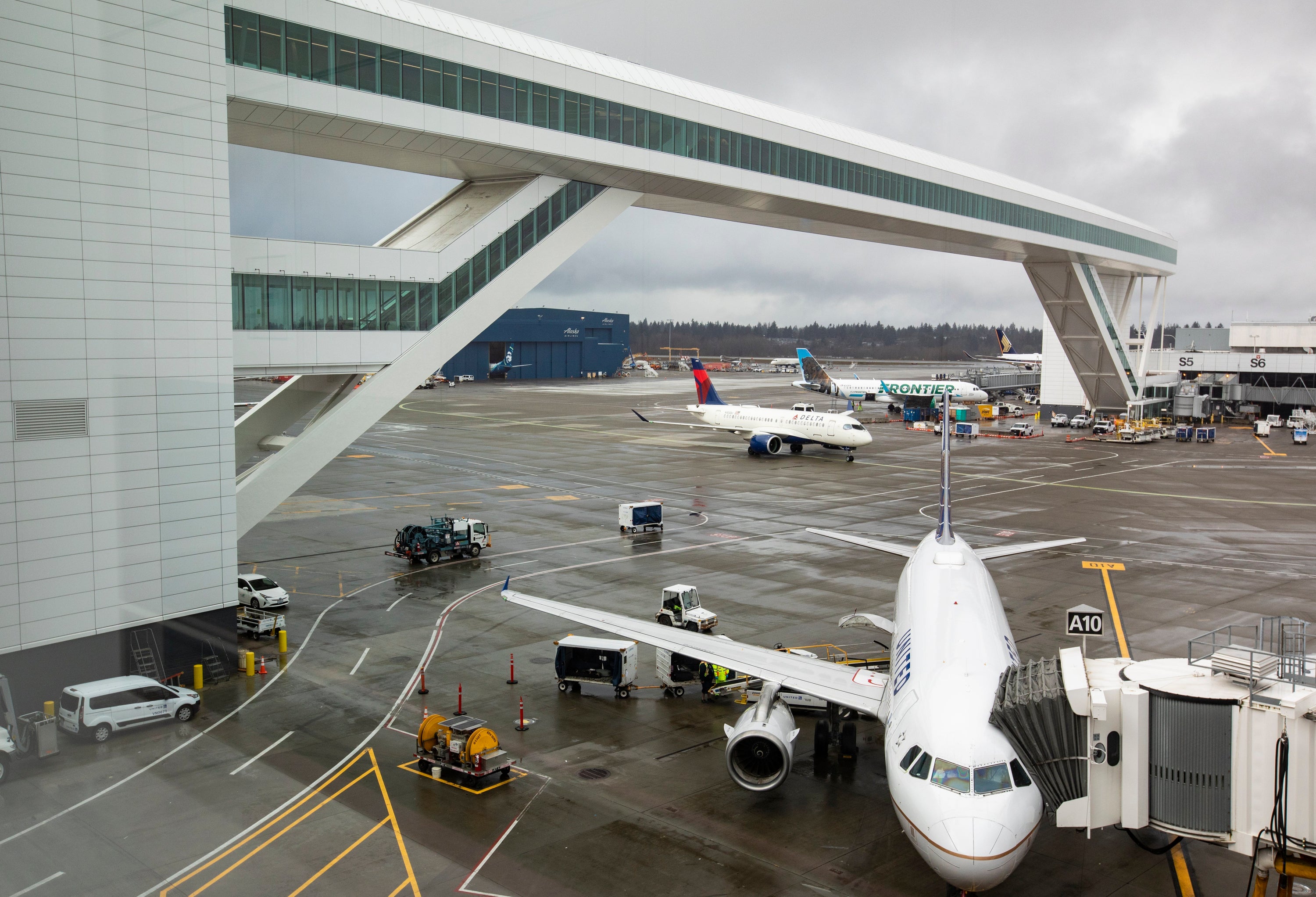
Airports are sophisticated technological marvels, and like any complex system, they are susceptible to technical malfunctions. Issues with the baggage handling system, for instance, can lead to delays in luggage delivery or even necessitate the temporary closure of certain baggage claim areas. Similarly, problems with the check-in systems or passenger boarding bridges can impact flight schedules. Power outages, though rare, can also cause widespread disruption, affecting everything from lighting to communication systems. Airport authorities and maintenance crews are trained to address these issues promptly, often having backup systems and contingency plans in place to minimize impact on passenger flow and flight operations. The focus is always on restoring full functionality as quickly and safely as possible.
Security Alerts and Incidents
Security is paramount at any airport, and Terminal 1 is no exception. Security alerts can range from unattended baggage, which triggers a standard investigation protocol, to more serious threats that may require enhanced screening, temporary terminal lockdowns, or even evacuations. The Transportation Security Administration (TSA) works in conjunction with airport security and law enforcement to maintain a secure environment. In the event of a security incident, passengers are advised to follow instructions from security personnel precisely and to remain patient. The priority in such situations is always the safety and well-being of everyone within the terminal.
Weather-Related Impacts
Seattle’s climate, while often mild, can experience periods of adverse weather. Heavy snowfall, ice storms, dense fog, or severe thunderstorms can significantly impact flight operations. During such conditions, air traffic control may implement ground stops or slow down operations to ensure safety. Airlines may also experience delays or cancellations due to visibility issues or the inability to safely de-ice aircraft. Sea-Tac has robust procedures for managing weather-related disruptions, including de-icing services and snow removal operations. Travelers are encouraged to monitor their flight status with their airline and to allow extra time for travel to the airport during inclement weather.
Operational Stoppages or Delays
Occasionally, operational issues beyond technical glitches or weather can affect terminal operations. These might include labor disputes affecting airline or airport staff, or unexpected surges in passenger volume that strain resources. For example, a sudden influx of passengers due to a rescheduled flight or a major event in Seattle could lead to longer queues at security or check-in. Airport management constantly monitors passenger flow and adjusts staffing levels and operational procedures to mitigate such congestion. Communication is key during these times, with airlines and airport authorities striving to keep passengers informed about expected delays and any alternative arrangements.
Official Communications and Traveler Information
When an event occurs at Terminal 1 that impacts passengers, clear and timely communication is essential. Sea-Tac and its airline partners utilize various channels to disseminate information.
Real-time Updates and Alerts
The official website of Sea-Tac Airport serves as a primary source for real-time updates on flight status, operational advisories, and any significant disruptions. Many airports also maintain active social media accounts, such as on X (formerly Twitter), where they post immediate alerts and updates. Passengers are strongly encouraged to check these official sources before heading to the airport and while at the terminal. Airlines themselves will also communicate directly with their passengers via email, text messages, or their mobile apps regarding flight delays, cancellations, or gate changes.
What Travelers Should Do
In the event of a disruption at Terminal 1, travelers should:
- Stay Informed: Continuously monitor official airport and airline communications.
- Be Patient: Understand that airport staff are working to resolve issues and prioritize safety.
- Contact Your Airline: If you have a flight booked, reach out to your airline for rebooking options or alternative travel arrangements.
- Follow Instructions: Adhere to any directives given by airport security or airline personnel.
- Allow Extra Time: If you are en route to the airport, factor in potential delays.
By staying informed and prepared, travelers can navigate unexpected situations at Sea-Tac’s Terminal 1 with greater ease and less stress, ensuring their travel experience remains as smooth as possible.
LifeOutOfTheBox is a participant in the Amazon Services LLC Associates Program, an affiliate advertising program designed to provide a means for sites to earn advertising fees by advertising and linking to Amazon.com. Amazon, the Amazon logo, AmazonSupply, and the AmazonSupply logo are trademarks of Amazon.com, Inc. or its affiliates. As an Amazon Associate we earn affiliate commissions from qualifying purchases.