
The year 1993 is indelibly etched into the history of Waco, Texas, not for its usual charm as a gateway to the Texas Hill Country or its historical significance as a hub for Texas Ranger lore, but for a tragic and deeply divisive event that captured international attention. The Mount Carmel Center became the focal point of a standoff that culminated in a devastating fire and the loss of numerous lives. This event, while primarily a law enforcement and historical incident, profoundly impacted the perception and subsequent exploration of Waco as a destination, prompting a re-evaluation of its historical narratives and a more sensitive approach to its remembrance.
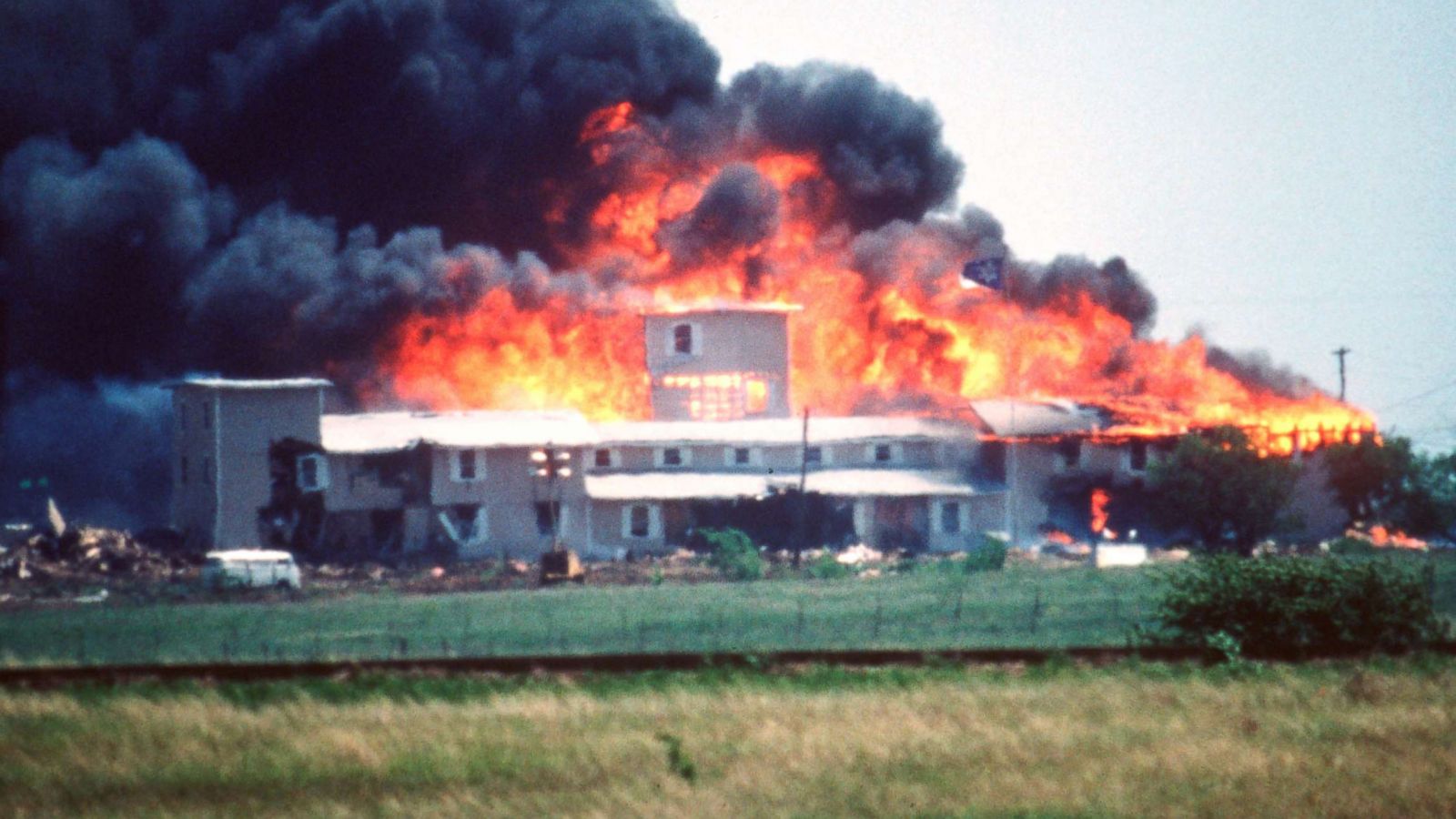
The Branch Davidian Siege: A Defining Moment
The events of 1993 in Waco were dominated by the siege at the Mount Carmel Center, the compound of the Branch Davidians, a religious sect led by David Koresh. The standoff began on February 28, 1993, when agents from the Bureau of Alcohol, Tobacco, and Firearms (ATF) attempted to execute a search warrant for illegal firearms. The ATF’s raid, however, quickly devolved into a violent confrontation, resulting in the deaths of four ATF agents and six Branch Davidians.
The Escalation and Standoff
Following the initial raid, the Federal Bureau of Investigation (FBI) took control of the situation, initiating a 51-day siege. Negotiations between the FBI and David Koresh proved difficult and ultimately unsuccessful. The FBI employed various tactics to pressure the Branch Davidians into surrendering, including cutting off power and water to the compound. Throughout the siege, media helicopters buzzed overhead, and news crews camped out, broadcasting the unfolding drama to a captivated global audience. The psychological toll on both sides was immense, and the prolonged nature of the standoff raised significant questions about the handling of the situation.
The Final Assault and Tragic Conclusion
On April 19, 1993, the FBI launched a tactical assault on the Mount Carmel Center. The operation involved the use of armored vehicles and tear gas, intended to force the Branch Davidians out. However, the situation took a catastrophic turn when a fire broke out within the compound, spreading rapidly. The exact cause of the fire remains a subject of intense debate and controversy, with differing accounts from the FBI and survivor testimonies. By the end of the day, the inferno had consumed the center, resulting in the deaths of Koresh and 75 other Branch Davidians, including 25 children. Only nine individuals managed to escape the flames.
The Aftermath and Enduring Legacy
The events of 1993 cast a long shadow over Waco, Texas, and continue to be a sensitive topic. The siege and fire sparked widespread criticism of government actions, leading to numerous investigations and congressional hearings. Questions about excessive force, civil liberties, and the handling of religious groups were debated intensely. The loss of life was mourned by many, while others viewed the Branch Davidians as dangerous extremists. This duality in perception has made the Mount Carmel Center site a place of both historical reflection and, for some, a pilgrimage destination.
Memorialization and Remembrance
The site of the Mount Carmel Center has undergone changes over the years. Initially, the charred remains were a stark reminder of the tragedy. Today, the area is a place of remembrance, with a chapel and a memorial garden established by survivors and their supporters. Visitors can find quiet spaces for reflection and learn more about the events from a perspective that emphasizes the human cost. It is a site that invites contemplation on faith, freedom, and the complexities of confronting extremism. For those interested in the darker chapters of American history or the sociology of religious movements, the Waco site offers a profound, albeit somber, educational experience.
Impact on Tourism and Local Perception

The 1993 events undeniably placed Waco on the global map, though not in the way a typical tourist destination would aspire. While it drew significant media attention, it also created a perception that was difficult to overcome. In the years following the siege, Waco worked to redefine itself, focusing on its more traditional attractions. The city has since experienced a renaissance, with the revitalization of its downtown, the establishment of attractions like the Magnolia Market at the Silos, and its growing reputation as a vibrant cultural and culinary hub. However, the 1993 events remain a part of its historical narrative, a significant landmark of sorts, albeit one of profound tragedy.
Visiting Waco Today: Beyond the Headlines
While the 1993 events are a critical part of Waco’s history, they are by no means the entirety of the Texas city’s story. Today, Waco offers a diverse range of experiences for visitors, from historical explorations to vibrant modern attractions. Understanding the events of 1993 adds a layer of depth to any visit, but it should be balanced with the city’s many other offerings.
Historical and Cultural Exploration
For those interested in delving into the history of Texas, Waco provides ample opportunities. The Texas Ranger Hall of Fame and Museum offers insights into the legendary lawmen who shaped the state. The Dr Pepper Museum, located in the original bottling plant, celebrates the iconic soft drink that has Waco roots. Exploring the historic Magnolia Market at the Silos, a testament to the city’s resurgence, provides a glimpse into its modern appeal. For those seeking a deeper understanding of the 1993 events, visiting the memorial site near the Mount Carmel Center offers a space for quiet reflection. It is important to approach this site with sensitivity and respect for the lives lost.
Modern Attractions and Experiences
Waco has successfully transformed itself into a destination that appeals to a broad range of interests. The Magnolia Market at the Silos has become a major draw, attracting visitors from across the country with its unique shops, food trucks, and green space. The Cameron Park Zoo is another family-friendly attraction, housing a diverse collection of animals. The Brazos River provides opportunities for outdoor recreation, including kayaking and paddleboarding. Downtown Waco boasts a growing number of boutiques, restaurants, and breweries, reflecting the city’s vibrant and evolving culture. The Waco Mammoth National Monument, featuring the remains of Ice Age mammoths, offers a unique paleontological discovery.
Navigating the Complexities of Waco’s History
The year 1993 in Waco, Texas, represents a pivotal, albeit tragic, chapter in its history. The Branch Davidian siege and the subsequent fire at the Mount Carmel Center brought the city international notoriety. For those interested in understanding this period, visiting Waco offers a chance to engage with its complex past.
Understanding the Context
When discussing the events of 1993, it is crucial to acknowledge the differing perspectives and the deeply emotional nature of the topic. The Mount Carmel Center site serves as a reminder of a profound tragedy, and any visit should be undertaken with respect for all those who were affected. The Texas Department of Public Safety and other governmental bodies involved have their official accounts, while survivors and their families offer their own narratives. Understanding this historical event requires an appreciation for the multiplicity of viewpoints and the lingering questions that remain.

The Evolution of a Destination
Waco’s journey since 1993 is a testament to resilience and adaptation. While the scars of the past remain, the city has consciously worked to build a future focused on growth, community, and diverse attractions. The success of projects like the Magnolia Market and the revitalization of its downtown exemplify this forward momentum. Therefore, a visit to Waco today offers a rich tapestry of experiences, weaving together its challenging history with its vibrant present and promising future. It is a destination that invites exploration, reflection, and an appreciation for the enduring spirit of Texas.
LifeOutOfTheBox is a participant in the Amazon Services LLC Associates Program, an affiliate advertising program designed to provide a means for sites to earn advertising fees by advertising and linking to Amazon.com. Amazon, the Amazon logo, AmazonSupply, and the AmazonSupply logo are trademarks of Amazon.com, Inc. or its affiliates. As an Amazon Associate we earn affiliate commissions from qualifying purchases.