
The year 1963 stands as a watershed moment in the history of the Civil Rights Movement and, specifically, in the heart of the American South, the city of Birmingham, Alabama. Often referred to as “Bombingham” due to the frequent bombings of Black residences, the city was a deeply segregated and volatile environment. It was here that a series of pivotal events unfolded, drawing national and international attention to the brutal realities of racial injustice and galvanizing the fight for equality. Understanding these events is crucial for anyone seeking to grasp the profound struggles and eventual triumphs of the Civil Rights Movement and the enduring legacy of Birmingham.

The Birmingham Campaign: A Strategic Confrontation
The Birmingham Campaign, spearheaded by the Southern Christian Leadership Conference (SCLC), led by figures such as Dr. Martin Luther King Jr. and Reverend Fred Shuttlesworth, was designed to confront and dismantle the city’s notoriously strict segregation laws. The campaign’s strategy was to provoke a crisis that would force the federal government to intervene. Birmingham was chosen deliberately due to its reputation as one of the most segregated cities in the nation, and its sheriff, Eugene “Bull” Connor, was known for his iron-fisted and violent opposition to civil rights.
The Power of Nonviolent Resistance
The campaign commenced in early April 1963, with nonviolent protests, marches, and sit-ins targeting businesses that maintained segregated facilities. Participants, including students, faced brutal repression. When initial efforts did not yield the desired results, organizers made the controversial decision to involve children and teenagers in the protests. This strategic move, known as Children’s Crusade, began on May 2, 1963. Thousands of Black schoolchildren left their classrooms to march downtown.
The response from Bull Connor and his police force was immediate and horrifying. Images broadcast across the nation, and indeed the world, showed police officers unleashing high-pressure fire hoses and German Shepherd attack dogs on unarmed children. Many young protesters were arrested and jailed, overwhelming the city’s facilities. The stark brutality captured on film shocked the conscience of America and generated widespread condemnation. This was precisely the intended outcome of the SCLC’s strategy: to expose the inhumanity of segregation to a national audience and pressure political leaders to act.
A Turning Point: The King’s Letter from Birmingham Jail
During the height of the Birmingham Campaign, Dr. Martin Luther King Jr. was arrested and imprisoned in the Birmingham City Jail. While incarcerated, he penned his seminal “Letter from Birmingham Jail,” a powerful and eloquent defense of nonviolent civil disobedience. The letter, addressed to white clergymen who had criticized the protests as “unwise and untimely,” articulated the moral imperative to confront injustice and the deep frustration of African Americans who had waited centuries for their basic rights. It became a cornerstone document of the Civil Rights Movement, inspiring activists and shaping the philosophical underpinnings of the struggle for equality.
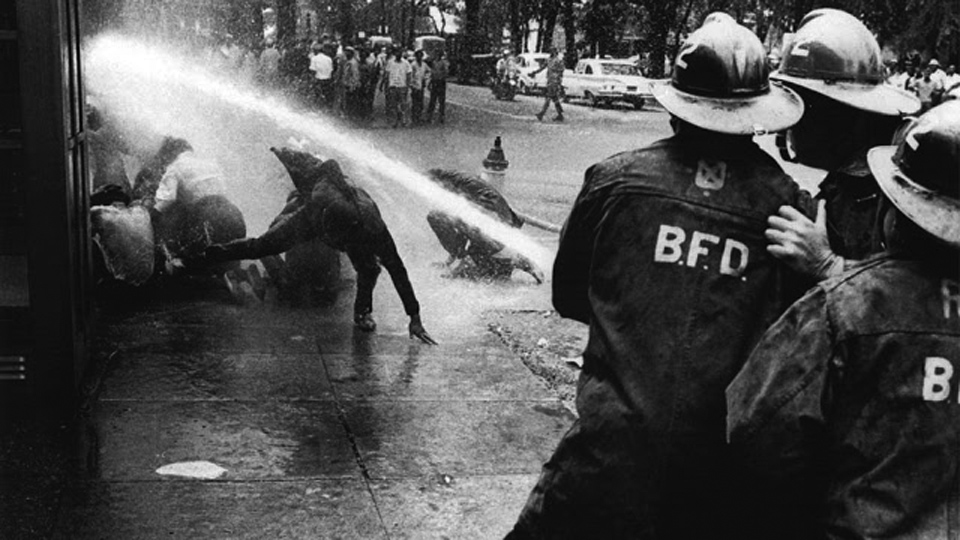
The campaign’s sustained pressure, coupled with the visceral imagery of police brutality and the profound words of Dr. King, ultimately forced negotiations between civil rights leaders and Birmingham city officials. On May 10, 1963, a desegregation agreement was reached, promising to dismantle segregated facilities and improve employment opportunities for African Americans. This was a significant victory, demonstrating the effectiveness of organized, nonviolent protest in achieving tangible change.
The 16th Street Baptist Church Bombing: A Tragic Act of Terror
While the Birmingham Campaign achieved a crucial victory, the forces of hatred and violence remained potent. Tragically, on September 15, 1963, a bomb exploded at the 16th Street Baptist Church, a central hub for civil rights activities in Birmingham. The blast killed four young girls—Addie Mae Collins, Cynthia Wesley, Carole Robertson, and Denise McNair—who were attending Sunday school. Numerous others were injured.
The bombing sent shockwaves throughout the nation and the world. It was a brutal act of domestic terrorism, a direct assault on the innocence of children and the spiritual heart of the Black community in Birmingham. The crime was eventually attributed to members of the Ku Klux Klan, but the initial investigation and subsequent prosecutions were slow and fraught with difficulty. The bombing, however, did not deter the Civil Rights Movement; instead, it amplified the urgency and moral outrage surrounding the fight for civil rights. The senseless loss of life served as a stark reminder of the depths of racial hatred and the need for federal intervention to protect the rights of all citizens.
The Lasting Impact on the Civil Rights Movement
The events of 1963 in Birmingham, Alabama were instrumental in shaping the course of the Civil Rights Movement. The courage and resilience of the protestors, the strategic brilliance of their leaders, and the horrific violence they faced combined to create a national awakening.
National Legislation and Federal Intervention
The images and stories emanating from Birmingham in 1963 were undeniable. They helped create the political climate necessary for significant federal action. President John F. Kennedy, deeply affected by the events, proposed comprehensive civil rights legislation. Following his assassination, President Lyndon B. Johnson championed and signed into law the landmark Civil Rights Act of 1964, which outlawed discrimination based on race, color, religion, sex, or national origin. The following year, the Voting Rights Act of 1965 was passed, addressing systemic disenfranchisement.

A Symbol of Resistance and Resilience
Birmingham in 1963 became a potent symbol of both the brutal oppression faced by African Americans and their unwavering determination to overcome it. The city’s struggle resonated deeply, demonstrating that even in the face of extreme adversity, the pursuit of justice and equality could prevail. The sacrifices made by individuals, particularly the young people involved in the Children’s Crusade and the innocent victims of the church bombing, are etched into the narrative of American history. Today, sites like the 16th Street Baptist Church and the Civil Rights Institute in Birmingham serve as poignant landmarks, offering visitors a profound connection to this critical period and reminding us of the ongoing importance of the fight for civil rights. The events of 1963 in Birmingham are not merely historical footnotes; they are living lessons in courage, sacrifice, and the enduring power of the human spirit to demand and achieve a more just and equitable society.
LifeOutOfTheBox is a participant in the Amazon Services LLC Associates Program, an affiliate advertising program designed to provide a means for sites to earn advertising fees by advertising and linking to Amazon.com. Amazon, the Amazon logo, AmazonSupply, and the AmazonSupply logo are trademarks of Amazon.com, Inc. or its affiliates. As an Amazon Associate we earn affiliate commissions from qualifying purchases.