
The Boston Marathon is not merely a race; it is a pilgrimage, a tradition, and a vibrant celebration of human endurance and community spirit. For over a century, this iconic event has drawn runners and spectators from every corner of the globe to the historic streets of Boston, Massachusetts. It embodies the very essence of aspiration, perseverance, and the collective joy found in striving for a shared goal. Participants push their limits, while millions line the course, cheering on strangers with an unparalleled enthusiasm that makes the day feel like a city-wide festival. Families gather, friends reunite, and the entire metropolitan area pulses with an infectious energy, transforming it into an unmissable travel experience.
However, the narrative of this beloved event took a profound turn on April 15, 2013, a day that etched itself into the annals of American history for an entirely different reason. What began as a day of triumph and camaraderie descended into unthinkable tragedy when two homemade bombs detonated near the finish line on Boylston Street, forever altering the perception of the race and the city itself. This horrific act of terrorism not only claimed lives and caused devastating injuries but also tested the very spirit of Boston and, by extension, the resolve of the United States. Yet, from the ashes of that dark day emerged a narrative of extraordinary resilience, unity, and an unwavering commitment to remembrance, solidifying the Boston Marathon’s place as a testament to the enduring human spirit. This article delves into the events of that fateful day, the subsequent pursuit of justice, and how Boston transformed tragedy into an enduring symbol of strength, profoundly impacting its identity as a world-class destination for travel, tourism, and accommodation.
A Day Etched in Memory: The 2013 Boston Marathon Bombing
The morning of April 15, 2013, was quintessential Patriots’ Day in Boston. The air was electric with anticipation as over 23,000 runners embarked on the 26.2-mile journey from Hopkinton to the finish line in Copley Square. Thousands of spectators, many of them tourists planning their Boston itineraries around this spectacular event, lined the streets, cheering on loved ones and strangers alike. The atmosphere was one of pure celebration, a testament to the city’s vibrant culture and its unique ability to host world-class events that captivate global audiences, drawing visitors seeking memorable experiences.
The Unfolding Tragedy
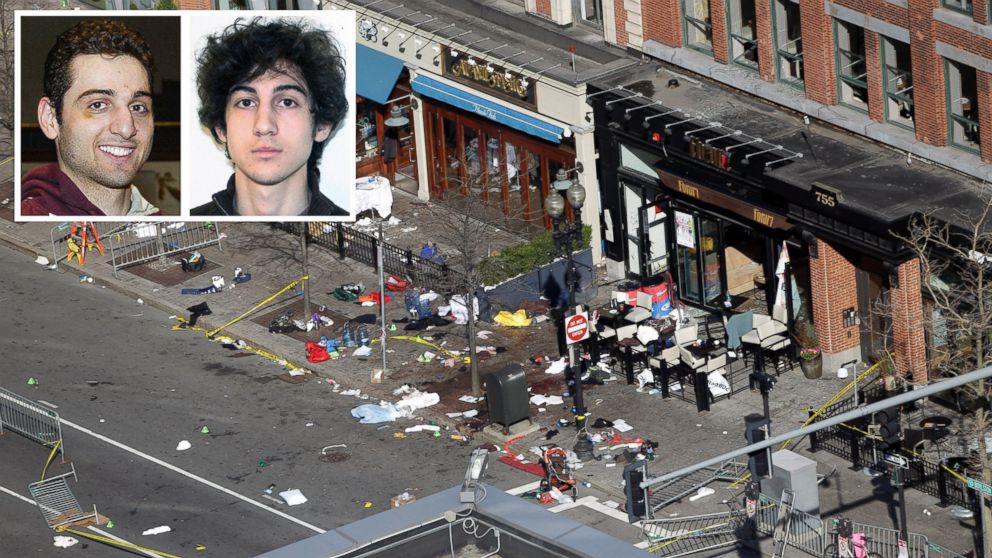
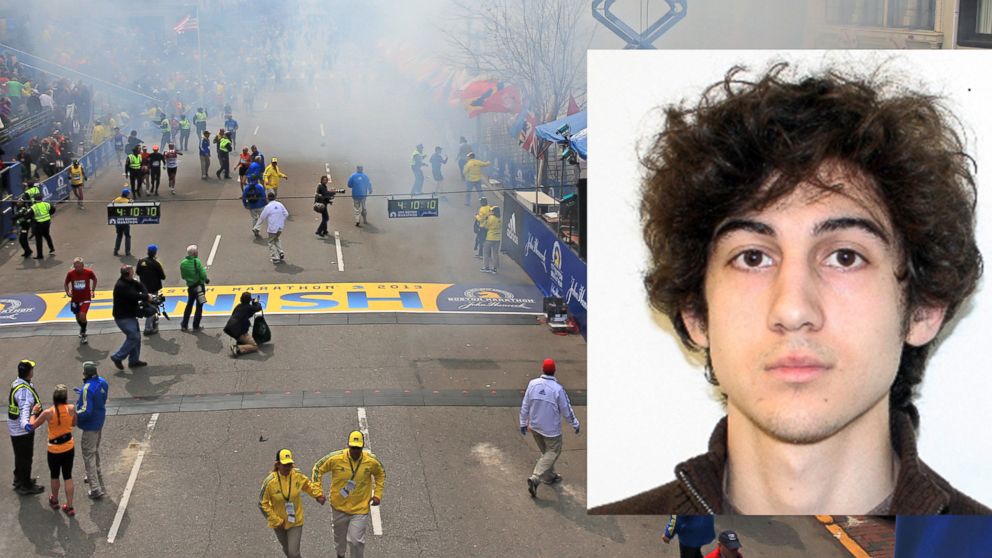
As the clock ticked past 2:49 PM, the joyous roar of the crowd was abruptly shattered by two deafening explosions. The first bomb detonated on Boylston Street, just steps from the finish line, followed seconds later by a second blast approximately 180 meters down the street. The bombs, later identified as crude pressure-cooker devices packed with shrapnel, unleashed chaos and devastation. The immediate aftermath was a scene of utter pandemonium: smoke billowing into the sky, the piercing screams of the injured, and the sickening silence that briefly followed the explosions before panic took hold.
The blasts claimed the lives of three innocent people: Krystle Campbell, a 29-year-old restaurant manager; Lu Lingzi, a 23-year-old graduate student from China attending Boston University; and Martin Richard, an 8-year-old boy who had been watching the race with his family. Beyond the fatalities, hundreds more were injured, many severely. Limbs were lost, lives were irrevocably altered, and the collective psyche of a city was wounded. The celebratory finish line, usually a symbol of achievement and joy, became a grim tableau of suffering. For those who had traveled to witness the event, the experience transformed from a memorable sporting spectacle into a terrifying ordeal, highlighting the unforeseen risks that can sometimes accompany even the most well-planned travel. The event quickly escalated beyond a local incident, becoming a global news story that momentarily overshadowed Boston’s allure as a charming New England destination.
Immediate Aftermath and Heroic Response
In the immediate chaos, the true character of Boston shone through. First responders—police officers, firefighters, and paramedics—rushed towards the explosions without hesitation, displaying extraordinary bravery. Civilians, many of whom were spectators just moments before, also sprang into action, tearing strips of cloth to make tourniquets, offering comfort to the wounded, and guiding others to safety. Runners, who had just completed the grueling marathon, continued running towards hospitals to donate blood, or offered their medical expertise if they were healthcare professionals. Hotel staff, local businesses, and residents opened their doors, offering shelter, food, and assistance to those stranded or in need.
This spontaneous outpouring of courage and compassion underscored the tight-knit community spirit that defines Boston. The hospitals across the city, including Massachusetts General Hospital and Brigham and Women’s Hospital, activated emergency protocols, showcasing their world-class medical capabilities under immense pressure. The rapid and coordinated response from both professionals and ordinary citizens was a powerful counter-narrative to the terror, demonstrating the inherent good that emerges in the face of adversity. This immediate unity became the foundation for the city’s healing and its eventual return to being a top-tier tourist destination known for its safety and welcoming atmosphere.
The Hunt for Justice: Investigation and Pursuit
In the wake of the bombings, the city of Boston found itself under an unprecedented level of security and an intense, coordinated manhunt. The shock and grief quickly morphed into a fierce determination to identify and apprehend those responsible for the heinous act. This period was characterized by a remarkable collaboration between various law enforcement agencies and an unwavering resolve from the public to assist in any way possible.
A City United in Search
The Federal Bureau of Investigation (FBI) swiftly took the lead, launching one of the most extensive investigations in modern U.S. history. They meticulously gathered evidence from the blast sites, combing through debris for clues. Critically, thousands of hours of surveillance footage from businesses, hotels, and public cameras along Boylston Street and surrounding areas became the linchpin of the investigation. The FBI appealed to the public, asking for any photos or videos taken near the finish line, and the response was overwhelming. Millions of pieces of digital media poured in, a testament to the community’s desire for justice.
Within days, images of two suspects, later identified as brothers Tamerlan and Dzhokhar Tsarnaev, were released to the public. These images showed them carrying backpacks near the finish line, moments before the explosions. The swift identification of the suspects, largely thanks to cutting-edge forensic analysis and the sheer volume of public submissions, underscored the power of a united effort in law enforcement and community vigilance. The city, usually bustling with tourists exploring its historic landmarks and vibrant neighborhoods, was transformed into a landscape of urgent investigation, with a palpable tension underlying the famous charm.

Watertown Standoff and Capture
The manhunt reached its dramatic climax just a few days later, on the evening of April 18 and into the early morning of April 19. Following the release of the suspects’ images, a series of events unfolded rapidly. The Tsarnaev brothers, attempting to flee Boston, carjacked a vehicle, leading to a fatal confrontation with law enforcement. During this encounter, Massachusetts Institute of Technology (MIT) police officer Sean Collier was tragically ambushed and killed.
The chase culminated in a dramatic standoff in the quiet residential streets of Watertown, a suburb just west of Boston. A fierce shootout between the suspects and police ensued, during which Tamerlan Tsarnaev was killed. Dzhokhar Tsarnaev, however, managed to escape the immediate perimeter, prompting an unprecedented city-wide lockdown. Public transportation was suspended, businesses were closed, and residents were urged to shelter in place. Boston, a city usually welcoming visitors to its hotels and attractions, became eerily silent, underscoring the severity of the threat.
The lockdown lasted for most of April 19, creating a surreal atmosphere as residents and visitors alike huddled indoors, glued to news reports. Finally, in the evening, Dzhokhar Tsarnaev was discovered hiding in a boat in a backyard in Watertown. His capture brought a collective sigh of relief and a powerful sense of closure to a city that had endured days of fear and uncertainty. The successful apprehension of both suspects highlighted the unwavering dedication of law enforcement and the effectiveness of a unified public and private effort, eventually allowing Boston to begin its journey of healing and to reassure the world of its safety as a travel destination.
Resilience and Remembrance: Boston’s Enduring Spirit
The capture of the bombers marked the end of an agonizing week, but it was just the beginning of Boston’s journey toward healing and remembrance. The city, known for its deep historical roots and robust civic pride, immediately began to channel its grief and anger into an inspiring display of resilience, transforming itself into a global symbol of courage and defiance.
“Boston Strong”: A Symbol of Defiance
In the immediate aftermath of the attacks, a simple yet powerful phrase emerged: “Boston Strong.” This slogan quickly became more than just a hashtag or a rallying cry; it encapsulated the indomitable spirit of the city. It represented the unity of its people, their refusal to succumb to fear, and their unwavering determination to rebuild, recover, and continue forward. “Boston Strong” was seen everywhere – on signs, t-shirts, social media, and spoken aloud by citizens and leaders alike. It became a message of solidarity, not just for Boston but for anyone who had faced adversity.
The concept of “Boston Strong” resonated deeply with both locals and the international community. It sent a clear message to the world that while the city had been attacked, its spirit remained unbroken. This collective resolve became a cornerstone of the city’s identity, influencing how Boston presented itself to the world as a destination that was not only rich in history and culture but also incredibly resilient. This message of strength and unity has become an intrinsic part of the city’s narrative, drawing visitors who are inspired by its story and want to experience its vibrant, determined spirit firsthand.
Honoring the Victims and Survivors
In the years following the bombing, Boston has consistently demonstrated its commitment to honoring the victims and supporting the survivors. Memorials have been established, most notably the permanent Boston Marathon Memorials on Boylston Street, near the sites of the explosions. These memorials provide a solemn space for reflection and remembrance, serving as a poignant reminder of the lives lost and the enduring impact of the tragedy. They have become significant landmarks, visited by both locals and tourists who wish to pay their respects.
Beyond physical monuments, various foundations and charitable initiatives were established to provide long-term support for survivors, many of whom faced extensive medical treatments, rehabilitation, and profound emotional trauma. The “One Fund Boston” was created almost immediately, raising millions of dollars to assist those most affected. This sustained commitment to care and support further solidified Boston’s image as a compassionate and unified community, enhancing its appeal for those who value meaningful travel and an understanding of local culture. The resilience of the survivors themselves, many of whom have gone on to achieve remarkable feats, continues to inspire.
The Marathon Continues
Perhaps the most powerful testament to Boston’s resilience is the fact that the Boston Marathon not only continued but returned stronger and more meaningful than ever before. The 2014 Boston Marathon, held just a year after the tragedy, was an extraordinary event. Security was significantly enhanced, but the overwhelming sentiment was one of defiance and triumph. An estimated one million spectators lined the course, far exceeding previous years, creating an atmosphere of unparalleled solidarity and jubilation.
Runners from around the world returned, many driven by a desire to complete the race they couldn’t finish in 2013, or to honor those who were lost. The energy was palpable, the cheers deafening, and the collective emotion profoundly moving. The marathon transformed from a mere athletic competition into a powerful symbol of hope, endurance, and the triumph of the human spirit over terror. Each subsequent Boston Marathon has carried this enhanced significance, drawing participants and spectators who seek to be part of this extraordinary legacy. For travelers, attending or even just being in Boston during the marathon weekend offers a unique and deeply impactful cultural experience, showcasing the city’s vibrant lifestyle and unwavering spirit.
Experiencing Boston: A City of History, Culture, and Resilience
While the 2013 bombing remains a somber chapter in Boston’s history, it has ultimately strengthened the city’s identity, adding a layer of profound resilience to its already rich tapestry. Boston continues to thrive as a premier global destination, seamlessly blending its revolutionary past with a dynamic present, offering diverse experiences for every type of traveler.
Beyond the Race: Discovering Boston’s Allure
Even outside of marathon season, Boston offers an incredible array of attractions that cater to history buffs, art lovers, foodies, and families alike. A quintessential Boston experience begins with walking the Freedom Trail, a 2.5-mile red-lined path that winds through 16 historically significant sites, including the Massachusetts State House, Old North Church, and the site of the Boston Massacre. This journey through the birth of American independence is both educational and deeply engaging, connecting visitors directly to the roots of the United States.
For a taste of local culture and culinary delights, Faneuil Hall Marketplace is a must-visit. Bustling with street performers, diverse food stalls, and unique shops, it embodies the lively spirit of the city. Nature lovers and urban explorers will appreciate the tranquility of Boston Common and the adjacent Public Garden, perfect for a leisurely stroll or a swan boat ride. Art enthusiasts can spend hours exploring the vast collections at the Museum of Fine Arts or the contemporary exhibits at the Institute of Contemporary Art. From the historic charm of Beacon Hill with its gas lamps and cobblestone streets to the vibrant Italian heritage of the North End‘s renowned restaurants, Boston truly offers a rich tapestry of experiences for every traveler.
Accommodation and Lifestyle in the Hub
Boston’s reputation as a world-class city extends to its accommodation options and diverse lifestyle offerings. Whether visitors are seeking luxury travel, budget-friendly stays, family-friendly resorts, or convenient business accommodation, Boston has it all. Upscale hotels like the Four Seasons Hotel Boston or The Langham Boston offer impeccable service and prime locations near major attractions, providing a lavish experience for discerning travelers. Boutique hotels in areas like Beacon Hill provide unique charm and personalized service, while extended-stay apartments cater to those on longer trips or business assignments.
The city’s culinary scene is equally impressive, ranging from classic New England seafood shacks serving fresh lobster rolls and clam chowder to Michelin-starred fine dining establishments. Visitors can immerse themselves in the local culture by catching a Boston Red Sox game at historic Fenway Park, experiencing a concert at the Symphony Hall, or exploring the innovative tech and biotech hubs that define modern Boston. The city’s walkable nature and efficient public transport system make it easy for tourists to navigate, ensuring that every attraction, from the historic Boston Tea Party Ships & Museum to the bustling Seaport District, is readily accessible.
The Marathon as a Travel Experience
For many, experiencing the Boston Marathon itself remains a profound travel goal. Even if not running, being in Boston during Patriots’ Day weekend offers an unparalleled opportunity to witness a global event steeped in history and emotion. Hotels in Boston fill up months in advance, and the city buzzes with an infectious excitement. Spectators choose strategic viewing spots along the route, from the energy of Wellesley College’s “Scream Tunnel” to the final, emotional stretch on Boylston Street.
The entire weekend becomes a tourism event, with pre-race expos, pasta dinners, and a vibrant street scene that draws people from all walks of life. The atmosphere is a powerful blend of athletic determination, patriotic fervor, and communal joy, all underpinned by the quiet strength and remembrance of April 15, 2013. Engaging with the marathon, whether as a participant or a spectator, offers a unique window into Boston’s soul, a lifestyle experience that transcends typical tourism and leaves a lasting impression on all who witness it.
The tragic events of the 2013 Boston Marathon were a moment of profound darkness, but the way Boston responded became a shining testament to its character. The city transformed fear into fortitude, grief into galvanization, and established itself not just as a historical landmark or a hub for innovation, but as an enduring symbol of resilience. Today, Boston continues to welcome visitors from across the globe, offering its rich history, vibrant culture, exceptional accommodation, and the indomitable spirit of a community that proved to be truly “Boston Strong.” It stands as a powerful reminder that even in the face of adversity, human connection and unwavering resolve can prevail, making it a truly inspirational destination for travelers seeking more than just a getaway, but a meaningful journey.
LifeOutOfTheBox is a participant in the Amazon Services LLC Associates Program, an affiliate advertising program designed to provide a means for sites to earn advertising fees by advertising and linking to Amazon.com. Amazon, the Amazon logo, AmazonSupply, and the AmazonSupply logo are trademarks of Amazon.com, Inc. or its affiliates. As an Amazon Associate we earn affiliate commissions from qualifying purchases.