
The year 2025 marked a definitive turning point for Nevada, cementing its status as a global epicenter for immersive experiences, architectural innovation, and high-stakes entertainment. As the post-pandemic recovery matured into a golden age of development, the Silver State evolved beyond its traditional reputation as a gaming hub, pivoting toward a diverse ecosystem of luxury lifestyle, sustainability-focused tourism, and hyper-modern urban expansion.
The Evolution of the Las Vegas Skyline
The most visible transformation in 2025 occurred within the neon-drenched boundaries of Las Vegas. The skyline became a laboratory for architectural futurism, with developers prioritizing scale, interactivity, and vertical density.
The Rise of Integrated Resorts
By 2025, the standard for hospitality moved away from simple lodging toward “all-encompassing ecosystems.” The Las Vegas Strip saw the completion of several ambitious expansion projects that seamlessly integrated high-tech convention centers, residential-style suites, and open-air botanical gardens. These properties were designed not just for tourists, but for “digital nomads” and international business travelers who moved between work and leisure in seconds. The focus shifted toward multi-use spaces where a visitor could access fine dining, world-class spas, and digital art installations without ever leaving the resort footprint.
Sustainable Urbanism in the Desert
One of the most significant headlines in 2025 was the state’s aggressive push toward sustainable tourism. Despite the harsh desert climate, major resorts implemented massive solar-harvesting arrays and sophisticated greywater recycling systems. This shift wasn’t merely corporate posturing; it was a response to a new generation of eco-conscious travelers who expected luxury to coexist with environmental responsibility. Hotels like the Caesars Palace and MGM Grand invested millions into retrofitting their infrastructure to reduce the thermal footprint of these massive steel and glass structures.
Beyond the Neon: The Wilderness Renaissance
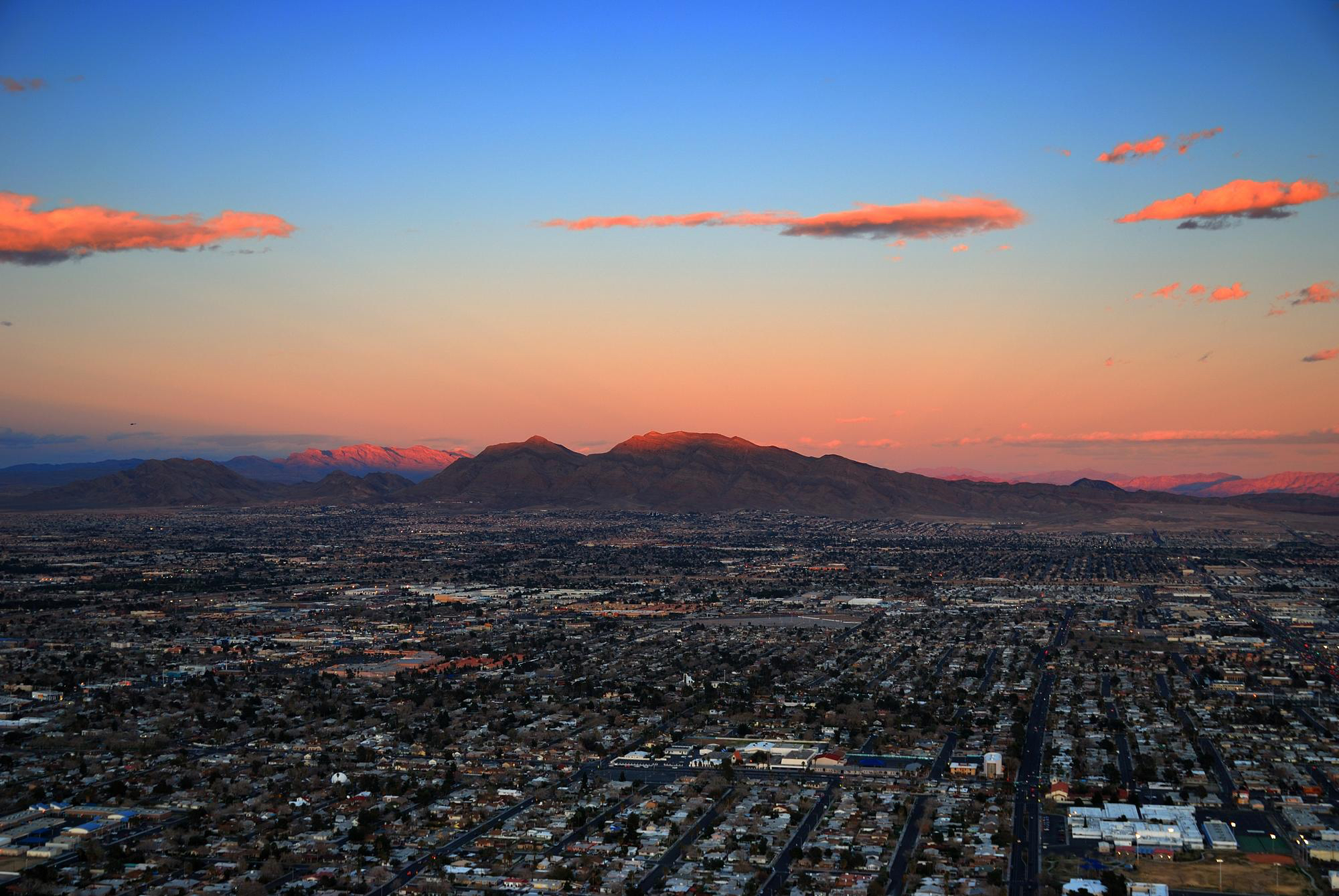
While the urban centers commanded the spotlight, 2025 also served as a banner year for nature-based tourism in rural Nevada. A concerted effort by state authorities led to the rebranding of the desert landscape, transforming isolated stretches of road into premium “adventure corridors.”
Red Rock Canyon and Conservation
Red Rock Canyon National Conservation Area emerged as a premier destination for luxury glamping and wellness retreats. The year saw the introduction of limited-capacity, high-end tented resorts that catered to travelers seeking solace from the intensity of the city. These sites focused on guided stargazing sessions—leveraging the state’s dark sky preserves—and curated hiking experiences that highlighted the unique geological history of the Mojave Desert.
The Great Basin National Park Experience
Further north, Great Basin National Park saw a surge in visitor interest due to improved accessibility and better infrastructure for off-grid travel. In 2025, the emphasis shifted to “slow tourism,” encouraging travelers to linger longer in smaller towns like Ely. This cultural shift fostered a new appreciation for the history of the Old West, mining heritage, and the rugged, unvarnished beauty of the Basin and Range Province.
The Gastronomic Revolution
In 2025, the culinary scene in Nevada shed its reputation for standard buffet-style dining and embraced a high-concept approach. The state became a legitimate contender for global culinary supremacy, attracting Michelin-starred chefs and experimental mixologists who treated the desert as a blank canvas.
The Rise of Farm-to-Table in the Desert
It might seem counterintuitive to promote agriculture in the high desert, but 2025 witnessed the proliferation of hydroponic urban farms and vertical growing facilities. Restaurants located in Downtown Las Vegas began sourcing herbs, greens, and specialty produce from local indoor farms, drastically reducing their supply chains. This shift not only improved the quality of ingredients but also bolstered the local economy, creating a circular system where tourism dollars directly supported desert-adapted farming initiatives.
Immersive Dining Experiences
The dining experience of 2025 was characterized by multisensory storytelling. Restaurants across the Venetian Resort and Wynn Las Vegas utilized projection mapping, soundscapes, and interactive menus to transport guests to the origins of the food being served. The meal became a performance, solidifying the state’s role as the world leader in experiential hospitality.
Infrastructure and Connectivity Improvements
A significant factor in the success of the 2025 tourist season was the improvement of transportation logistics. Nevada invested heavily in making the state more connected, both internally and to the outside world.
The Transit Corridor Transformation
The introduction of high-speed regional transport options helped disperse crowds from the concentrated core of Clark County into the wider reaches of the state. Improved shuttle services and high-efficiency rail connections made it easier for international tourists arriving at Harry Reid International Airport to reach secondary destinations like Lake Tahoe without relying on private vehicle rentals.
Digital Integration for Travelers
By 2025, the “smart destination” model was fully realized. Visitors could manage their entire itinerary through a centralized state-wide app that streamlined booking for national parks, restaurant reservations, and concert tickets. This digital layer created a frictionless travel experience, allowing tourists to focus on the content of their trip rather than the mechanics of logistics. Whether a guest was staying at the Cosmopolitan of Las Vegas or exploring the quiet trails of Valley of Fire State Park, the integration of digital services provided a seamless thread connecting diverse experiences.

Looking Toward the Future
The events of 2025 proved that Nevada is no longer just a place to visit for a weekend; it is an evolving, permanent destination that manages to balance high-octane excitement with serene, contemplative natural beauty. The state’s ability to pivot—to embrace technology while honoring its desert roots—has set a benchmark for other tourist regions worldwide.
The successful implementation of sustainable tourism, the growth of a high-concept culinary scene, and the careful management of natural landmarks like Hoover Dam have created a model for a robust, resilient economy. As visitors left in late 2025, they did so with the realization that the desert is not a wasteland to be bypassed, but a complex, vibrant landscape that demands repeat visits. With major events, revitalized outdoor spaces, and a hotel industry that remains the envy of the world, Nevada stands at the threshold of a new era of global influence. The legacy of 2025 will undoubtedly be its demonstration that even in the most challenging environments, innovation and vision can create an unparalleled destination for travelers from every corner of the globe.
LifeOutOfTheBox is a participant in the Amazon Services LLC Associates Program, an affiliate advertising program designed to provide a means for sites to earn advertising fees by advertising and linking to Amazon.com. Amazon, the Amazon logo, AmazonSupply, and the AmazonSupply logo are trademarks of Amazon.com, Inc. or its affiliates. As an Amazon Associate we earn affiliate commissions from qualifying purchases.