
New Mexico has long been defined by its paradoxical nature: a place of profound silence and earth-shattering innovation, of ancient traditions and cutting-edge frontiers. When people ask what happened here, they are usually not inquiring about a single event, but rather the cumulative effect of a landscape that feels as though it exists in a different dimension. To understand the “Land of Enchantment,” one must look at how the desert has shaped the trajectory of human history, artistic expression, and the very way we perceive the horizon.
The Convergence of Ancient Roots and Modern Frontiers
The story of New Mexico begins long before statehood, embedded in the high desert plateaus that have supported human habitation for millennia. The architectural and cultural echoes of the Ancestral Puebloans remain the bedrock of the region’s identity.
The Legacy of Chaco Canyon
Deep within the San Juan Basin, Chaco Culture National Historical Park serves as the ultimate testament to the region’s early sophistication. This was once the center of a vast civilization, where monumental stone structures aligned perfectly with celestial events. Visiting this location today, one cannot help but feel the weight of history—a sense that the people who walked these paths understood the rhythms of the earth far better than modern society does. The precision of the masonry and the sprawling nature of the Great Houses suggest a society that was deeply collaborative and structurally advanced.
A Crucible of Scientific Evolution
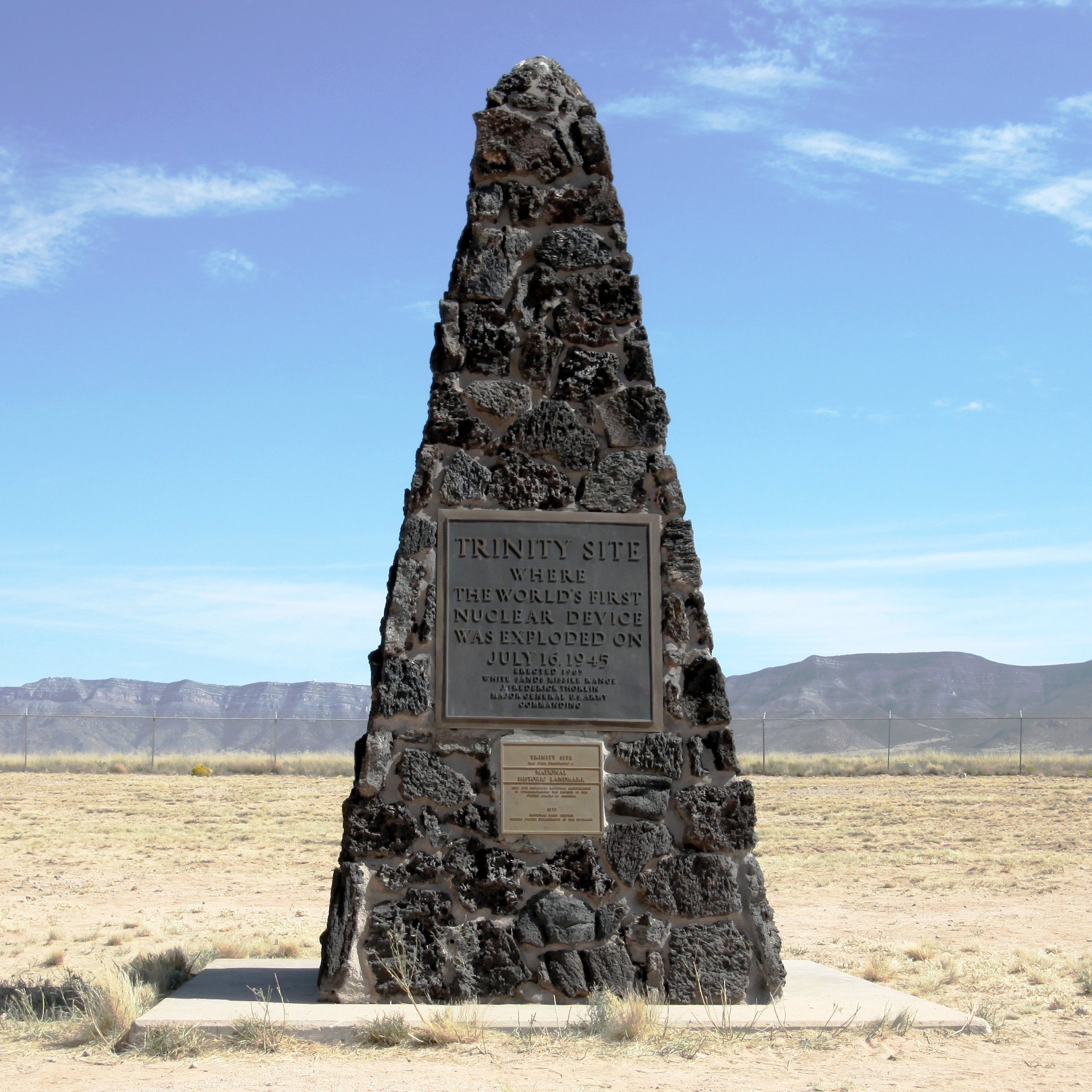
Fast forward to the 20th century, and the state became the site of a seismic shift in human capability. Los Alamos became the epicenter of the Manhattan Project, forever altering the course of global geopolitical history. The isolation of the Jemez Mountains provided the necessary cover for the world’s greatest scientific minds to congregate. This contrast—the preservation of ancient, spiritual sites mere hours away from the birthplaces of atomic physics—is what makes this state so hauntingly complex. The “happening” here was a forced collision between the primordial and the technological, a duality that still defines the atmosphere of northern areas like Santa Fe.
The Artistic Magnetism of the Desert
Beyond the geopolitical and historical shifts, there is the undeniable magnetism of the landscape, which has drawn artists, writers, and visionaries for over a century. The quality of light in New Mexico is legendary; it is sharp, clear, and seemingly capable of turning the mundane into the miraculous.

The Georgia O’Keeffe Influence
Perhaps no individual captured the essence of the state more profoundly than Georgia O’Keeffe. Her fascination with the stark, skeletal beauty of Ghost Ranch and the sweeping, colorful cliffs of Abiquiu turned the landscape into a subject of global fascination. She saw what many visitors miss: that the desert is not empty, but full of shape, color, and texture. Her work acted as a catalyst, inviting a wave of creatives to find their own “truth” in the high desert. This artistic tradition persists today, evidenced by the eclectic galleries along Canyon Road, where the tradition of the region is constantly reinterpreted through contemporary lenses.
Taos and the Bohemian Spirit
Further north, Taos has served as a sanctuary for those looking to escape the conventional. From the historical depth of the Taos Pueblo, which has been continuously inhabited for over a thousand years, to the quirky, Earthship-inspired architecture in the surrounding high desert, the town is a patchwork of intentional living. The “happening” in Taos is a rejection of modern chaos in favor of a slower, more deliberate existence. It is a place where architecture—often using recycled tires, bottles, and mud—blends seamlessly with the rugged Sangre de Cristo Mountains.
Understanding the Landscape’s Endurance
The final layer of the narrative regarding what happened in this corner of the United States involves the resilience of the environment itself. The high desert is a harsh teacher; it demands respect, preparation, and a deep appreciation for the ephemeral.
The Natural Majesty of White Sands
In the southern reaches of the state, White Sands National Park offers a landscape that feels entirely otherworldly. The endless, shifting dunes of gypsum sand create a stark, blindingly white canvas against the backdrop of the Sacramento Mountains. These dunes represent a geological process that has been occurring for ages—a constant erosion and rebuilding that reminds travelers of the transitory nature of everything. It is a place of profound peace, where the wind writes poetry in the sand daily.
The Cultural Synthesis of Southern New Mexico
While the north often captures the imagination with its mountains and pine forests, the south—anchored by cities like Las Cruces—tells a different story of agricultural heritage and borderland synthesis. The influence of the Rio Grande cannot be overstated; it has been the lifeblood of this region for centuries, dictating the placement of missions, farms, and trade routes. The culinary traditions here, defined by the world-famous Hatch green chile, are a visceral expression of the land. When you eat in New Mexico, you are participating in a historical cycle of irrigation, cultivation, and communal sharing that remains unchanged in its importance.
Looking Toward the Future
So, what happened in New Mexico? The state became a repository for the human experience. It is where we learned to build in mud and where we learned to split the atom. It is where we have sought solace in the silence of the Gila Wilderness and where we have looked to the stars through the massive arrays at the Very Large Array.
The enduring quality of the state is its ability to absorb these massive events and continue existing with a quiet, grounded dignity. It does not shout; it waits. Whether you are walking through the narrow, winding streets of Santa Fe or standing at the edge of a canyon in Bandelier National Monument, the experience is one of perspective. You realize that “what happened” is less important than what is currently happening—the constant, slow erosion of the mountains, the blooming of the yucca, and the arrival of travelers seeking a connection to something larger than themselves.
The state remains a frontier—not just geographically, but emotionally. It challenges the visitor to strip away the noise of urban life and engage with a landscape that is both beautiful and unforgiving. As more people seek out the restorative powers of the desert, New Mexico continues to curate its own myth, inviting those who arrive to leave behind their preconceived notions and embrace the quiet complexity of the high desert. Whether it is the history of the Spanish Missions or the modern innovation of the spaceport near Truth or Consequences, the story of this region is far from over; it is merely waiting for the next chapter to be written upon its vast, sun-drenched canvas.
LifeOutOfTheBox is a participant in the Amazon Services LLC Associates Program, an affiliate advertising program designed to provide a means for sites to earn advertising fees by advertising and linking to Amazon.com. Amazon, the Amazon logo, AmazonSupply, and the AmazonSupply logo are trademarks of Amazon.com, Inc. or its affiliates. As an Amazon Associate we earn affiliate commissions from qualifying purchases.