
For decades, the name Boston Market conjured images of succulent rotisserie chicken, creamy mashed potatoes, and the quintessential American comfort meal. It was a go-to for families, a convenient stop for travelers, and a cherished part of the dining landscape across the United States. Yet, in recent years, the once-ubiquitous chain has faced a precipitous decline, marked by widespread closures, financial woes, and a diminishing presence. Its story is more than just the fall of a restaurant; it’s a compelling case study reflecting the broader shifts in consumer tastes, the cutthroat competition in the food industry, and how evolving lifestyle and travel trends impact even the most beloved institutions.

For many, a road trip across America often involves seeking out familiar, comforting food options – places where quality meets convenience. Boston Market once filled this niche perfectly, offering a home-cooked meal without the hassle, an ideal pit stop after a long day of exploring new destinations or navigating bustling city centers like New York City or Los Angeles. Its decline thus marks not just a corporate failure, but also the loss of a particular kind of dining experience that resonated with a significant segment of the traveling public and local communities alike. What forces conspired to dim the lights on this American culinary staple, and what lessons can be gleaned for the hospitality industry and the future of casual dining?
The Rise and Rotisserie Glory Days: A Comfort Food Empire
The story of Boston Market begins not in Boston, but in Newton, Massachusetts in 1985, under the original moniker Boston Chicken. Founded by Arthur Cores and Steven Kolow, the concept was revolutionary for its time: offer wholesome, home-style meals, centered around rotisserie-cooked chicken, with a variety of classic American sides, all served in a fast-casual setting. This wasn’t your typical greasy fast food; it was positioned as a healthier, more convenient alternative to cooking at home, tapping into a burgeoning lifestyle trend.
The appeal was immediate and widespread. People were drawn to the promise of a quality meal that tasted homemade but required no effort. For travelers, especially families on vacation or business professionals seeking a quick yet substantial dinner after checking into their hotel or accommodation, Boston Chicken offered a reliable and satisfying option. The aroma of roasting chicken became synonymous with convenience and comfort, a beacon for those tired of generic burger joints or high-priced hotel restaurants.
By the mid-1990s, the company was experiencing explosive growth, expanding rapidly across the United States. It went public in 1993, and its stock soared. In 1995, it rebranded to Boston Market to reflect its expanded menu, which included turkey, meatloaf, and ham, diversifying its appeal beyond just chicken. At its peak, the chain operated over 1,100 restaurants, becoming a familiar landmark in towns and cities, from suburban strip malls in Florida to bustling urban centers in California. This period represented the zenith of its popularity, where it was not just a place to eat, but a cultural touchstone representing a particular era of American dining and lifestyle preferences. Its value proposition aligned perfectly with the desires of a growing middle class seeking quality, convenience, and a taste of home, whether they were staying at a budget-friendly motel or a more upscale resort.
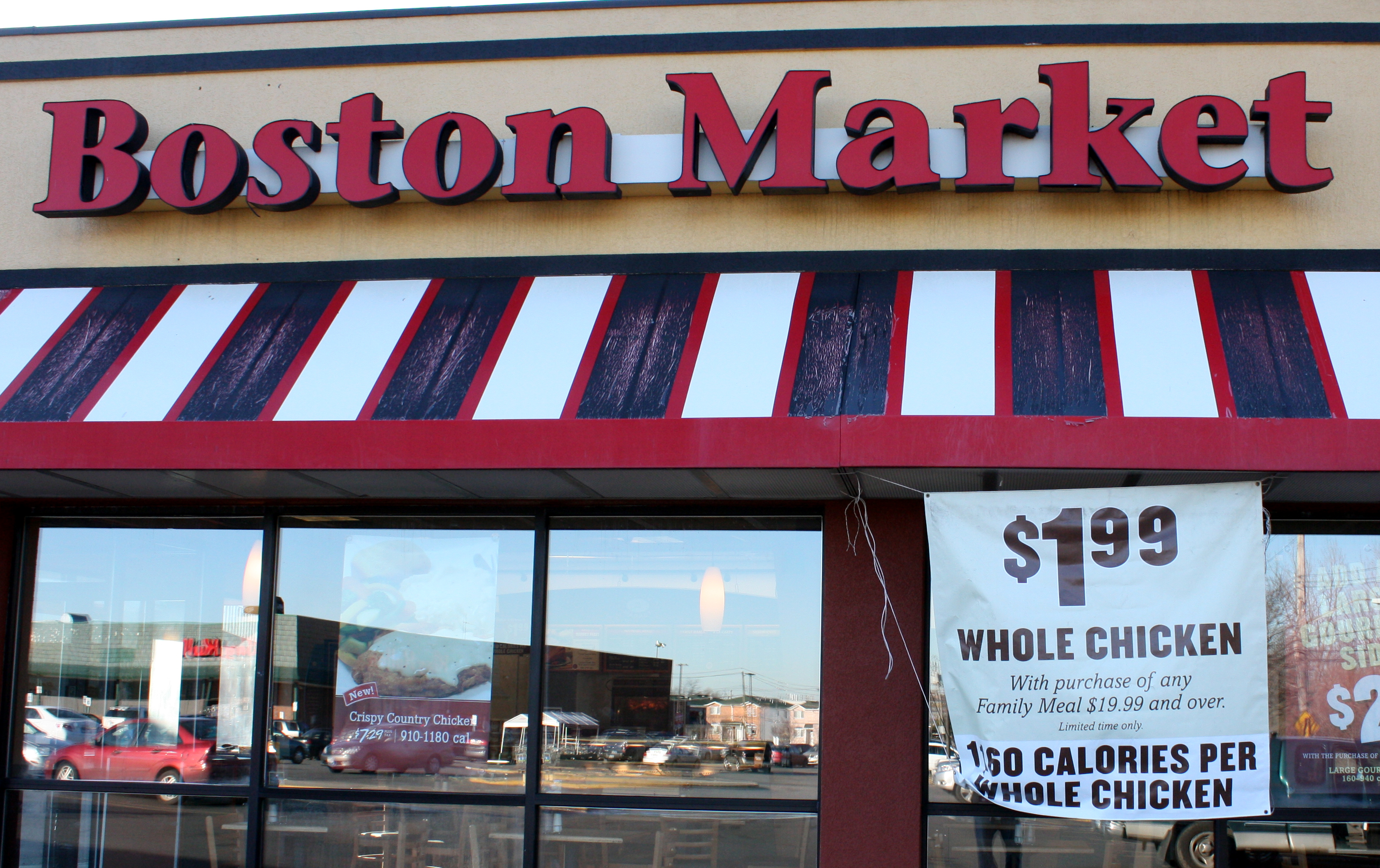
The Homestyle Advantage
What made Boston Market stand out during its heyday was its unwavering commitment to the “homestyle” concept. In a landscape dominated by fried chicken giants and burger chains, Boston Market offered something different: baked, roasted, and comforting. The sides, from creamed spinach to cornbread, were often highlighted as much as the main courses, evoking memories of Sunday dinners. This emotional connection was a powerful draw. For travelers far from home, a meal at Boston Market could provide a familiar taste, a momentary respite from the unfamiliarity of new destinations or the demands of business travel. It offered a sense of stability and reassurance, a small piece of home on the road, echoing the comforts one might seek in a well-chosen suite or a cozy villa.
Expanding Beyond Chicken
The decision to expand beyond chicken to other proteins like turkey and meatloaf, while seemingly a logical move to attract a broader customer base, also subtly shifted the brand identity. While it aimed to become a comprehensive homestyle restaurant, this expansion, combined with rapid growth, introduced complexities in operations and supply chain management. It was a bold step, but one that would test the limits of the company’s ability to maintain consistency and quality across an ever-growing menu and store count. This ambition, while admirable, also set the stage for future challenges in a market that was about to undergo significant transformations.
Navigating a Shifting Culinary Landscape: The Tides Turn
Despite its initial success, the late 1990s and early 2000s ushered in a period of intense challenge for Boston Market. The culinary landscape was evolving rapidly, with new trends emerging and existing competitors adapting. The very factors that had once propelled Boston Market to success — its focus on “healthier” fast food and homestyle comfort — became less unique as the market matured.
The most significant challenge came from the explosion of fast-casual dining. Chains like Panera Bread and Chipotle Mexican Grill began to dominate, offering customizable, fresh, and often globally inspired menus in an inviting atmosphere. These new players captured the attention of consumers, especially younger demographics and those with an increasing focus on dietary preferences and transparency about food sourcing. While Boston Market offered “home-style,” these new rivals offered “freshly prepared” and “made-to-order,” which resonated more strongly with the evolving lifestyle of health-conscious diners and adventurous eaters.
Simultaneously, traditional fast-food giants like McDonald’s and KFC began to innovate, introducing healthier options, improving their ambiance, and focusing on value. Even grocery stores like Whole Foods Market started offering extensive grab-and-go prepared meals, directly competing with Boston Market’s core offering, often with a perception of higher quality or more diverse options. This meant that the “comfort food” niche was becoming saturated, and the definition of “convenience” was expanding beyond just drive-thru windows to include delivery services and upscale grocery offerings.
Changing Consumer Tastes and Lifestyle Shifts
Consumer preferences shifted dramatically. There was a growing demand for customization, global flavors, and plant-based options. Boston Market’s relatively static menu, though comforting, struggled to keep pace with these dynamic trends. While its rotisserie chicken remained a classic, it didn’t offer the excitement or novelty that many diners, particularly those who viewed food as part of their travel experiences or adventurous lifestyle, were seeking.
The rise of the internet and social media also played a role, empowering consumers to discover new eateries and share their experiences, making it harder for older chains to maintain relevance without continuous innovation. For travelers, exploring local cuisine and unique food activities became a significant part of their tourism agenda. A visit to a Boston Market, while convenient, rarely made it onto the list of “must-try” local culinary adventures, in contrast to experiencing authentic flavors at a farmers market or a highly-rated restaurant praised for its distinctive offerings. The chain, once a unique selling proposition, became just another option in a crowded market.
Competitive Pressures
The sheer number of dining options exploded. Every corner seemed to sprout a new restaurant, from independent eateries offering farm-to-table menus to international chains bringing diverse flavors. Boston Market found itself squeezed from all sides: by cheaper fast food, by trendier fast-casual, and by more upscale casual dining. The perception of value also became critical. While Boston Market offered quality, its price point was often higher than its direct fast-food competitors, yet it lacked the ambiance or perceived freshness of the fast-casual newcomers. This left it in an awkward middle ground, struggling to justify its price point against both ends of the spectrum.
Strategic Missteps and Financial Turmoil: A Downward Spiral
Beyond external market forces, Boston Market also faced internal challenges stemming from strategic missteps and financial mismanagement. Its rapid expansion in the 1990s, while initially successful, proved to be unsustainable. The company accumulated significant debt, and its aggressive growth outpaced its ability to manage operations efficiently and maintain consistent quality across all locations.
By 1998, the financial strain became unbearable, and Boston Market filed for Chapter 11 bankruptcy. This was a monumental blow, leading to the closure of hundreds of underperforming stores and a significant restructuring of the company. The brand, once a symbol of success, became associated with financial trouble, eroding consumer and investor confidence.
In 2000, McDonald’s Corporation acquired Boston Market out of bankruptcy. While this acquisition brought much-needed capital and operational expertise, it also marked a period of further identity crisis. McDonald’s initially tried to integrate Boston Market’s products into some of its own restaurants, which proved unsuccessful. Ultimately, McDonald’s sold the chain in 2007 to Sun Capital Partners, a private equity firm.
These ownership changes, while attempting to stabilize the company, often resulted in shifts in strategy, leadership, and a lack of consistent long-term vision. Each new owner brought different ideas about how to revive the brand, leading to inconsistent marketing, menu changes, and operational adjustments that sometimes alienated loyal customers without attracting new ones. For a brand built on familiarity and comfort, constant flux proved detrimental. The instability meant fewer resources for innovation, fewer amenities for customers, and a general decline in the overall customer experience, critical factors for travelers choosing between dining options.

The Impact of Private Equity Ownership
Private equity firms typically focus on cost-cutting and optimizing for a quick turnaround or sale. While this can streamline operations, it can also lead to underinvestment in core brand building, employee training, and menu innovation – areas that are crucial for long-term survival in the fiercely competitive food industry. Boston Market under various private equity owners struggled to find a path to sustainable growth, often cycling through attempts to modernize or simplify, none of which fully resonated with the market or recaptured its former glory. This focus on immediate financial gains, rather than cultivating a lasting brand experience, often sacrifices the very elements that make a destination or dining establishment appealing for tourism or lifestyle choices.
Failed Revival Attempts
Numerous attempts were made to revitalize the brand. There were efforts to lean into the “healthier” aspect of rotisserie chicken, to introduce new menu items, to revamp store aesthetics, and to strengthen its catering business. Some efforts saw minor successes, but none were able to reverse the overarching trend of declining sales and relevance. The challenges were simply too entrenched, and the market too competitive, for a series of incremental changes to have a transformative impact. The fundamental value proposition was no longer as compelling as it once was, and the brand struggled to articulate a new, powerful reason for customers to choose it over the myriad other options.
The Fading Flame: Closures and Uncertainty
The downward trajectory of Boston Market accelerated in the late 2010s and early 2020s. Under the ownership of Engage Brands, LLC, a subsidiary of the Rohan Group, the company faced renewed scrutiny for financial issues, including allegations of unpaid wages and overdue bills. These operational problems quickly translated into widespread store closures across the country.
In 2023, the situation reached a critical point. Health departments in various states, including Colorado (where its corporate headquarters are located in Golden), ordered the closure of multiple Boston Market locations due to unsanitary conditions and other violations. News reports detailed instances of eviction notices, lawsuits from suppliers, and a dramatic reduction in its national footprint. Once boasting over a thousand locations, the chain was reportedly down to fewer than 300, and that number continues to dwindle.
For many communities, the closure of a Boston Market wasn’t just another restaurant shutting down; it was the loss of a familiar landmark and a convenient dining option. For travelers, it meant one less predictable stop on a long journey, forcing them to seek alternatives, perhaps at other chain restaurants or by venturing into local, unfamiliar eateries. This shift highlights how even seemingly minor changes in the dining landscape can subtly impact travel planning and the overall tourism experience.
The Disappearing Act
The recent wave of closures has been particularly dramatic, often occurring without much public announcement, leaving empty storefronts in shopping centers and questions among former patrons. From New Jersey to Texas, the sight of boarded-up or abandoned Boston Market locations has become increasingly common. This rapid contraction signals a brand fighting for its very existence, struggling to maintain basic operations amidst a backdrop of financial and legal battles. The once-bright promise of rotisserie comfort has dimmed significantly, leaving a void for those who relied on its consistent offerings.
Impact on Local Communities and Travelers
The disappearance of a chain like Boston Market can have a ripple effect on local economies and the fabric of community life. For residents, it’s one less place for an easy family meal. For road-trippers, it’s one less familiar option for quick, reliable fare, pushing them towards newer, perhaps less established, dining choices or back to the more generic offerings found at many hotel breakfasts. This erosion of once-dependable casual dining spots influences how people perceive convenience and value when they are away from home, subtly reshaping aspects of both budget travel and family trips.
Lessons from the Market: A Broader Perspective for Travel and Lifestyle
The story of Boston Market serves as a poignant reminder that even strong brands with beloved products are not immune to the relentless forces of market evolution. Its decline offers several crucial lessons that extend beyond the food industry, touching upon the broader themes of travel, lifestyle, and the hospitality sector as a whole.
Firstly, adaptability is paramount. The inability to consistently innovate and respond to changing consumer tastes and competitive pressures ultimately doomed the brand. In the world of travel, this translates to destinations, hotels, and attractions needing to constantly evolve their offerings to meet the shifting demands of modern travelers, from sustainable tourism practices to unique experiential travel. A luxury hotel in Paris cannot rest on its laurels, just as a historic landmark must find new ways to engage visitors.
Secondly, the search for authenticity and unique experiences continues to grow. While Boston Market once offered a reliable, familiar experience, the modern traveler and diner often seek out truly local culture and distinctive culinary adventures. This doesn’t mean chains are obsolete, but they must find ways to offer something more than just convenience – perhaps a regional specialty, a unique atmosphere, or a commitment to local sourcing that resonates with the “eat local” movement. Even accommodations, from boutique apartments in Rome to glamping resorts in Patagonia, are increasingly emphasizing unique experiences over generic offerings.
Finally, operational excellence and financial stability are the bedrock of any sustainable business. The cyclical nature of ownership changes and recurring financial woes at Boston Market highlight how internal struggles can overshadow even the best products. For the travel industry, this underscores the importance of sound management in everything from booking systems and guest services to property maintenance and staff training. A poorly managed hotel, regardless of its location or potential, will struggle to survive.
The story of Boston Market is a cautionary tale, yet also an illuminating one. It reminds us that consumer preferences are fluid, and the businesses that thrive are those that can not only deliver consistent quality but also anticipate and adapt to the ever-changing landscape of lifestyle choices and global tourism. As we continue to explore the world and define our experiences, the places we choose to eat, stay, and visit will always be a reflection of these broader shifts. The rotisserie chicken might be less common on our travels now, but the lessons from its decline resonate far beyond the plate.
LifeOutOfTheBox is a participant in the Amazon Services LLC Associates Program, an affiliate advertising program designed to provide a means for sites to earn advertising fees by advertising and linking to Amazon.com. Amazon, the Amazon logo, AmazonSupply, and the AmazonSupply logo are trademarks of Amazon.com, Inc. or its affiliates. As an Amazon Associate we earn affiliate commissions from qualifying purchases.