
The question of “What happened to Chili on Chicago Fire?” resonates deeply with fans of the hit NBC drama. Away from the fictional world of the show, the character of Emily Foster, affectionately known as Chili by her colleagues, was a significant presence in the early seasons of Chicago Fire. Her departure, like that of many beloved characters, sparked curiosity and discussion among the show’s dedicated following. To understand her exit, we must delve into the narrative arcs that defined her time on the show and the storytelling choices made by the series’ creators.
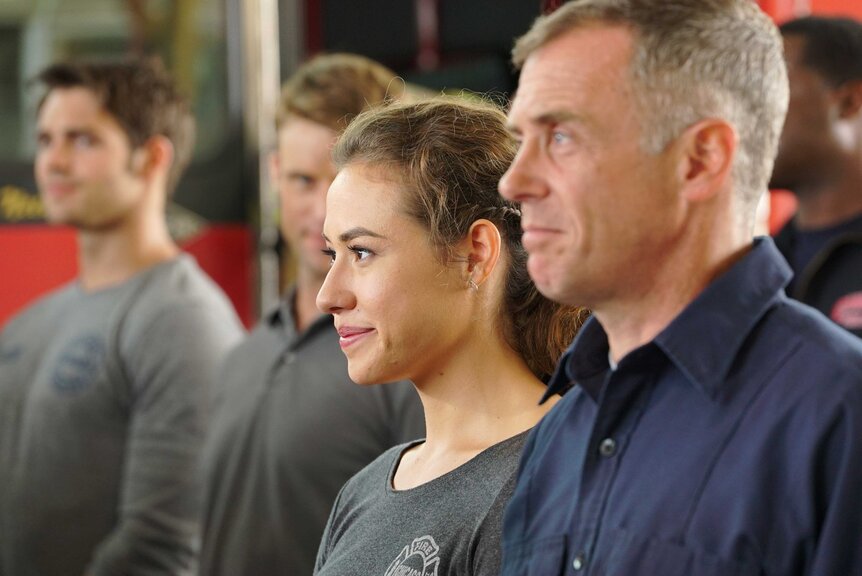
Chili, portrayed by actress Dora Madison, was introduced as a new paramedic joining the Firehouse 51 crew. Her initial interactions with her colleagues, particularly with Sylvie Brett, were marked by a blend of professionalism and burgeoning camaraderie. Chili brought a distinct personality to the ambulance, often challenging established norms and displaying a fierce dedication to her patients. Her backstory, which hinted at personal struggles and a complex past, added layers to her character, making her relatable and intriguing to the audience.
The Character Arc of Emily Foster
Emily Foster’s journey on Chicago Fire was characterized by a series of professional triumphs and personal challenges. As a paramedic, she was adept at her job, often showcasing her quick thinking and unwavering commitment in high-pressure situations. Her skill set and her ability to connect with victims on an emotional level made her a valuable asset to Firehouse 51. Viewers witnessed her grow not only as a medical professional but also as an individual navigating the demanding and often traumatic environment of emergency response.
Early Days and Establishing Presence
Upon her arrival, Chili quickly became an integral part of the paramedic unit. Her initial dynamic with Sylvie Brett was crucial in establishing her character. While Brett was often the more measured and empathetic of the two, Chili brought a bolder, sometimes more confrontational approach. This contrast, however, often served to highlight their strengths and how they complemented each other. Their shared experiences on the ambulance, responding to a wide range of emergencies across Chicago, forged a bond that was essential to the show’s ensemble dynamic. Chili’s early storylines focused on her integration into the team, her professional development, and glimpses into her personal life, hinting at underlying vulnerabilities that would later come to the forefront.
Navigating Personal Struggles
A significant aspect of Chili’s narrative involved her grappling with personal demons. Like many first responders, she carried the weight of past traumas and the emotional toll of the job. These struggles began to manifest in her behavior, affecting her judgment and her relationships within the firehouse. The series often explored the psychological impact of their work on the firefighters and paramedics, and Chili’s arc became a focal point for these themes. Her experiences resonated with viewers who understood the complexities of mental health and the challenges of seeking help, especially within demanding professions. The showrunners aimed to portray a realistic depiction of the pressures faced by these heroes, and Chili’s storyline contributed significantly to this endeavor.
The Decision to Depart

The departure of a character as developed as Emily Foster is rarely a simple narrative decision. It often stems from a combination of factors, including the actor’s personal choices, the direction of the series, and the desire to introduce new storylines or characters. In Chili’s case, her exit was woven into the fabric of her character’s arc, providing a conclusion to her journey at Firehouse 51.
Storyline Conclusion
Chili’s departure from Chicago Fire was ultimately a result of her storyline reaching a natural conclusion. The series, known for its intricate character development and dramatic plotlines, often necessitates character exits to propel the narrative forward and introduce new dynamics. Her struggles with her past and the emotional toll of her work led to a point where her continued presence at Firehouse 51, in the capacity she had been, became untenable. The show’s writers chose to provide a resolution that, while perhaps bittersweet for viewers, allowed the character to find a path toward healing and self-discovery. This often involves characters leaving to pursue personal growth or to escape environments that are no longer conducive to their well-being.
Actor’s Role and Future Endeavors
While the narrative dictates the “what” of a character’s departure, the “how” and “when” can often be influenced by the actor’s personal decisions. Dora Madison, the actress who brought Chili to life, has since moved on to other projects. As is common in the television industry, actors may choose to leave a series when their contract concludes, or when opportunities arise for them to explore different roles and creative avenues. The decision for a character to leave a show is often a mutual one, reflecting the actor’s career aspirations and the show’s evolving narrative. The impact of an actor’s performance can leave a lasting impression, and while their physical presence may be gone, the memories of their contributions to the show often remain with the audience.
The Legacy of Chili on Chicago Fire
Even after her departure, the character of Emily Foster, or Chili, left an indelible mark on Chicago Fire. Her presence contributed to the rich tapestry of relationships and the authentic portrayal of the challenges faced by the firefighters and paramedics of Firehouse 51.
Impact on the Crew
Chili’s time at Firehouse 51 undoubtedly influenced her colleagues. Her unconventional methods and her passionate dedication, coupled with her personal struggles, provided teachable moments and moments of profound connection for the crew. Her relationships, particularly with Sylvie Brett, showcased the complexities of workplace friendships and the support systems that form within such demanding environments. The departure of any team member, especially one who has integrated so deeply, leaves a void. This void often forces the remaining characters to adapt, grow, and sometimes, to confront their own vulnerabilities. Chili’s experiences served as a reminder of the human element behind the uniforms, the emotional resilience required, and the importance of compassion within the Chicago Fire universe.

Fan Reception and Memory
The popularity of a character like Chili often extends beyond the screen. Fans of Chicago Fire form strong attachments to the characters, and discussions about their fates are a common thread in online communities and fan forums. Chili’s storyline, with its exploration of mental health and personal recovery, resonated with many viewers. Her departure was a topic of much discussion, with fans sharing their feelings about her exit and reminiscing about her most memorable moments. The impact of a character’s journey, whether it culminates in a triumphant return or a poignant farewell, is a testament to the writing and the performances that bring them to life. Emily Foster’s story, while concluded within the narrative of Chicago Fire, continues to be remembered as a significant chapter in the show’s history.
LifeOutOfTheBox is a participant in the Amazon Services LLC Associates Program, an affiliate advertising program designed to provide a means for sites to earn advertising fees by advertising and linking to Amazon.com. Amazon, the Amazon logo, AmazonSupply, and the AmazonSupply logo are trademarks of Amazon.com, Inc. or its affiliates. As an Amazon Associate we earn affiliate commissions from qualifying purchases.