
Once the undisputed king of American industry, the motor city of Detroit, Michigan, has undergone a dramatic and compelling transformation. For decades, the city grappled with economic decline, population loss, and a tarnished reputation. However, the narrative of Detroit is far from a simple tale of downfall. It’s a story of resilience, reinvention, and a vibrant resurgence, making it an increasingly fascinating destination for travelers seeking authentic experiences and a glimpse into the American spirit.
Detroit‘s journey is a complex tapestry woven with threads of innovation, hardship, and ultimately, hope. To understand its current renaissance, we must first acknowledge its glorious past and the challenging decades that followed. This city, synonymous with the automotive industry, once buzzed with an unparalleled energy, a testament to American ingenuity and manufacturing might. The assembly lines of iconic companies like Ford, General Motors, and Chrysler not only produced the vehicles that shaped modern transportation but also fueled the growth of a thriving metropolis.
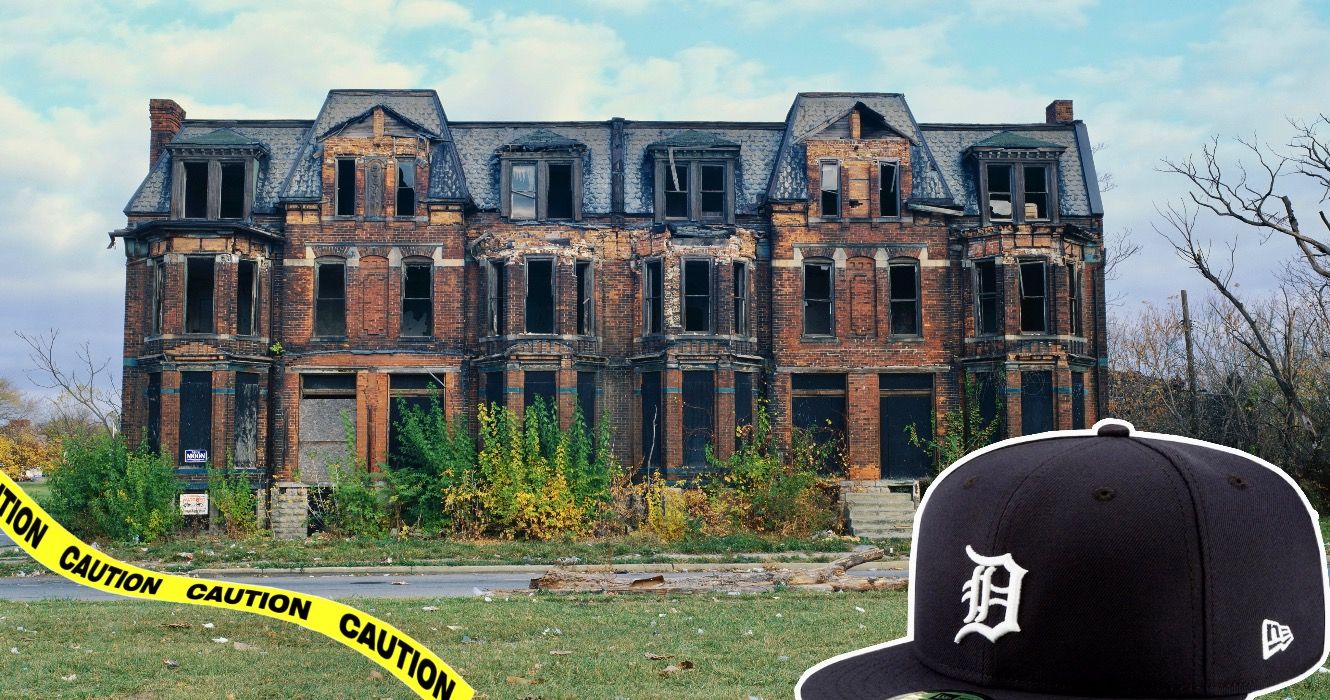
The Rise and Fall of an Industrial Giant
The early to mid-20th century saw Detroit reach its zenith. Millions flocked to the city in search of opportunity, drawn by the promise of well-paying factory jobs. This era of prosperity gave rise to impressive architecture, vibrant neighborhoods, and a rich cultural landscape. The city became a beacon of the American Dream, a place where hard work could lead to a comfortable life. Landmarks like the Fisher Building and the Guardian Building stand as enduring testaments to this golden age, showcasing breathtaking Art Deco design and a confidence that permeated the city.
However, the seeds of decline were sown. The mid-20th century brought about significant shifts that would profoundly impact Detroit. The rise of automation, the decentralization of manufacturing, and increasing competition from international markets began to chip away at the city’s industrial dominance. Moreover, racial tensions and urban unrest in the latter half of the century exacerbated existing economic problems, leading to a significant exodus of residents and businesses. This period, often referred to as Detroit‘s “rust belt” phase, was marked by vacant buildings, declining tax revenues, and a sense of abandonment that clung to the city for years.
Echoes of the Past: Iconic Landmarks and Their Stories
Despite the challenges, the soul of Detroit never truly faded. Many of its historic landmarks, though sometimes neglected, remained silent witnesses to its glorious past. The Henry Ford Museum of American Innovation in nearby Dearborn, for instance, offers an immersive journey through the country’s industrial history, with a significant focus on Detroit‘s automotive heritage. Visitors can explore iconic vehicles, understand the innovations that drove the nation, and appreciate the ingenuity that defined this era.
Within the city itself, architectural gems like the Detroit Institute of Arts house an impressive collection of art, including Diego Rivera’s powerful murals depicting the city’s industrial life. The Fox Theatre and the Masonic Temple continue to host world-class performances, echoing the vibrant cultural scene that once thrived. These places are not just buildings; they are repositories of memory, offering a tangible connection to the city’s storied past and a foundation upon which its future is being built. Exploring these landmarks provides invaluable context for understanding Detroit‘s journey and appreciating the resilience of its spirit.
The Seeds of Renaissance: Urban Renewal and Cultural Revival
The late 20th and early 21st centuries have witnessed a remarkable turnaround in Detroit. A new generation of entrepreneurs, artists, and residents began to see the potential beneath the surface of urban decay. They recognized the city’s inherent strengths: its rich history, its unique architecture, its affordability, and its passionate community. This led to a grassroots movement of revitalization, focusing on reinvestment, urban farming, the arts, and the promotion of local culture.

The downtown area, once largely deserted after business hours, has seen a significant influx of investment. New businesses, restaurants, and residential developments have breathed new life into the city center. Areas like Midtown and Corktown have become hubs of activity, attracting young professionals and creative individuals. This revival is not merely about physical rebuilding; it’s about fostering a renewed sense of community and a shared vision for the city’s future.
Embracing Local Culture and Experiences
Detroit‘s cultural landscape is as diverse and dynamic as its history. The city is a birthplace of musical genres like Motown, and the Motown Museum, often called Hitsville U.S.A., is a must-visit for music lovers. This humble building was once the epicenter of a global music phenomenon, and stepping inside offers a poignant glimpse into the creative process and the iconic artists who recorded there.
Beyond music, Detroit boasts a thriving culinary scene. From classic diners serving up hearty comfort food to innovative restaurants pushing the boundaries of flavor, there’s something to satisfy every palate. The city’s diverse population has contributed to a rich tapestry of ethnic cuisines, and exploring local eateries is an essential part of the Detroit experience. Don’t miss the chance to try a Detroit-style pizza, a square-cut deep-dish pie with a crispy, cheesy crust.
The city is also experiencing a surge in arts and culture. Galleries, theaters, and live music venues are popping up across the city, showcasing local talent and attracting national artists. Neighborhoods like Hamtramck, a city entirely surrounded by Detroit, offer a unique cultural blend with its strong Eastern European heritage. Exploring these diverse pockets of culture provides a deeper understanding of what makes Detroit so special.
The Future of the Motor City: Innovation and Opportunity
The transformation of Detroit is an ongoing story, characterized by a spirit of innovation and a forward-looking perspective. The city is no longer solely defined by its automotive past; it’s embracing new industries, fostering entrepreneurship, and attracting talent from across the globe. The rise of the tech sector, the growth of small businesses, and the continued focus on creative industries are all contributing to a diversified economy.
For travelers, Detroit offers a unique and increasingly rewarding experience. It’s a city that rewards exploration, where you can stumble upon hidden gems around every corner. The affordability of accommodations and activities makes it an attractive destination for budget travelers, while the burgeoning luxury hotel scene caters to those seeking a more upscale experience. Whether you’re interested in history, art, music, food, or simply experiencing the resilience of the human spirit, Detroit has something to offer.
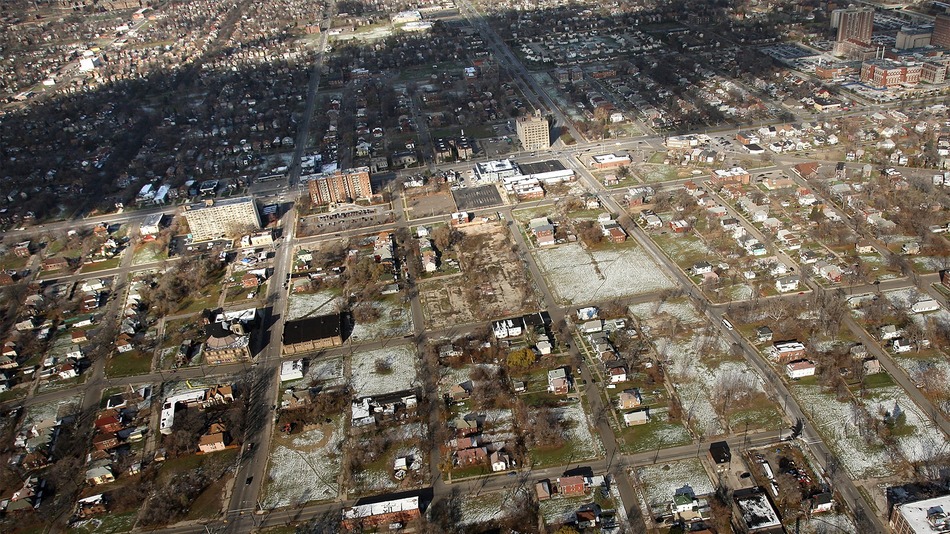
Accommodation and Travel Tips for Detroit
Planning a trip to Detroit is becoming easier and more enjoyable. The city offers a range of accommodation options, from boutique hotels in revitalized neighborhoods to larger chains downtown. Consider staying in areas like Midtown for easy access to cultural attractions or Corktown for its historic charm and vibrant nightlife. For those seeking unique stays, apartments and vacation rentals are also readily available. Booking in advance is recommended, especially during popular event seasons.
When exploring Detroit, consider using ride-sharing services or public transportation to navigate the city. Many of the key attractions are within walking distance in certain neighborhoods, but getting between different areas is often best done by car or taxi. Embrace the local spirit, engage with residents, and be open to discovering the unexpected. Detroit is a city that is proud of its past but enthusiastically looking towards its future, making it a truly compelling and enriching travel destination. The story of Detroit is a testament to the power of community, resilience, and the enduring human drive to rebuild and reimagine.
LifeOutOfTheBox is a participant in the Amazon Services LLC Associates Program, an affiliate advertising program designed to provide a means for sites to earn advertising fees by advertising and linking to Amazon.com. Amazon, the Amazon logo, AmazonSupply, and the AmazonSupply logo are trademarks of Amazon.com, Inc. or its affiliates. As an Amazon Associate we earn affiliate commissions from qualifying purchases.