
San Antonio, Texas, is a city steeped in history, vibrant culture, and undeniable charm. Renowned for its iconic landmarks like The Alamo and the picturesque River Walk, it consistently ranks among the top travel destinations in the United States. For decades, the city has gracefully blended its rich past with a forward-looking vision, embracing urban development that enhances its unique appeal. However, not every ambitious endeavor in this bustling Texas metropolis reaches its intended fruition. One such project, which once promised to redefine a significant portion of the city’s urban landscape and add a new dimension to its tourism and accommodation offerings, was Project Vicinia.
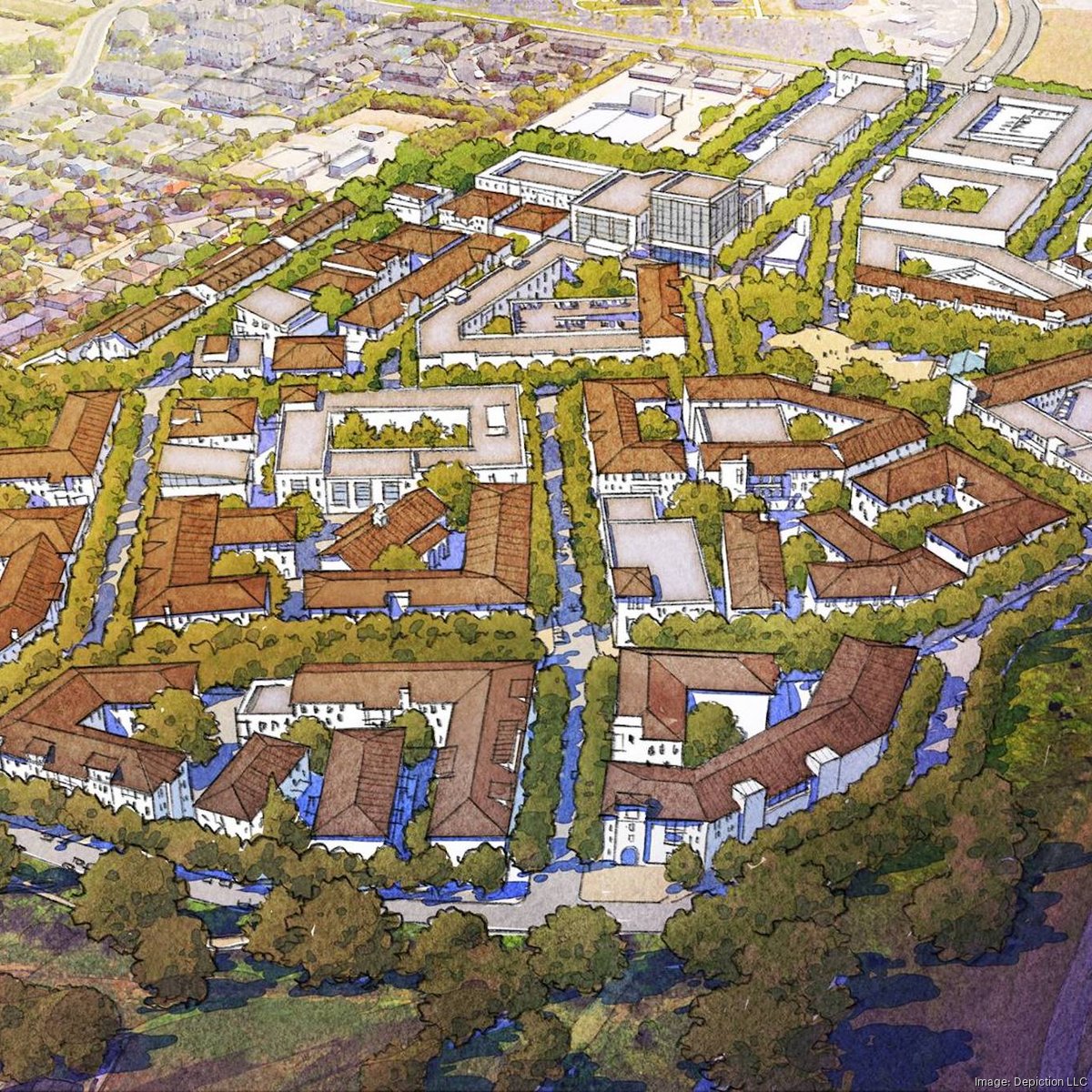
The name Project Vicinia itself, derived from the Latin word for “neighborhood” or “proximity,” hinted at an intention to create a cohesive, integrated community. It was conceived as a monumental undertaking, designed to weave together luxury living, upscale retail, modern office spaces, and high-end hospitality services, all within a vibrant, pedestrian-friendly environment. For those passionate about travel, discerning accommodations, and experiencing local culture, a project of Vicinia’s proposed scale held immense potential, promising new attractions and elevated lifestyle options. But what began with such fanfare and grand promises seems to have faded from the city’s immediate skyline, leaving many to wonder: what exactly happened to Project Vicinia?
This article delves into the ambitious vision behind Project Vicinia, the challenges it encountered, and its eventual fate, while also reaffirming San Antonio’s enduring allure as a destination for travelers seeking historical depth, cultural richness, and diverse experiences.
San Antonio: A City of Rich History and Modern Aspirations
To truly understand the context of Project Vicinia, one must first appreciate San Antonio’s dynamic character. This is a city that thrives on its heritage, with a downtown core that expertly preserves centuries-old missions while simultaneously fostering contemporary art, cuisine, and entertainment scenes. The River Walk, a network of scenic walkways along the San Antonio River, is a prime example of successful urban development that respects its natural surroundings and historical significance, becoming a magnet for millions of tourists annually. Here, visitors can discover everything from quaint cafes and lively bars to sophisticated hotels offering suites with stunning views.
Beyond the immediate downtown, neighborhoods like the historic Pearl District exemplify San Antonio’s capacity for transformative urban renewal. What was once an abandoned brewery complex has been meticulously revitalized into a culinary and cultural hotspot, boasting boutique hotels like Hotel Emma, acclaimed restaurants, and unique retail experiences. This showcases a city unafraid to invest in its future, understanding that modern amenities and upscale living can coexist harmoniously with historical preservation and local charm.
San Antonio’s appeal extends to its comprehensive tourism infrastructure. From luxury resorts such as the sprawling JW Marriott San Antonio Hill Country Resort & Spa and La Cantera Resort & Spa catering to those seeking lavish stays and extensive amenities, to charming bed-and-breakfasts and modern apartments perfect for long-term stays, the city offers a diverse range of accommodation options. Its vibrant food scene, deeply influenced by its Mexican and Tejano heritage, attracts gourmands from around the globe, while its numerous historical sites, including the five missions comprising the San Antonio Missions National Historical Park, provide a rich educational experience. It was into this fertile ground of growth and historical pride that Project Vicinia sought to plant its roots.
The Ambitious Vision Behind Project Vicinia
Project Vicinia was more than just a development; it was conceived as a bold statement about San Antonio’s future as a modern, sophisticated urban center. Spearheaded by the fictional but representative “Pinnacle Urban Ventures,” the plan called for a multi-phase, mixed-use development spanning a substantial area on the city’s expanding periphery, yet strategically close to vital arteries. The vision for Vicinia was truly comprehensive: a self-contained community where residents and visitors could live, work, and play without ever needing to leave its carefully curated boundaries.
At its core, Vicinia was planned to feature a significant hospitality component, with proposals for several high-rise hotel towers offering a mix of luxury suites and extended-stay apartments, targeting both business travelers and discerning tourists. These accommodations were to be complemented by world-class amenities, including rooftop pools, exclusive lounges, and state-of-the-art convention facilities, positioning Vicinia as a premier destination for conferences and events. The retail sector was envisioned to include a mix of high-end boutiques and lifestyle brands, creating a shopping experience rivaling those in larger metropolitan areas. Residential components were equally ambitious, with plans for modern condominiums and upscale townhomes, promising an urban lifestyle with easy access to green spaces and community amenities.
Beyond commerce and living, Project Vicinia aimed to integrate cultural and entertainment venues, such as a performing arts center, art galleries, and diverse dining options ranging from casual eateries to fine-dining establishments. The entire complex was designed with a strong emphasis on walkability, green infrastructure, and sustainable practices, intending to create an environment that was not only aesthetically pleasing but also environmentally responsible.
A Promise of Economic Growth and Urban Renewal
The initial announcement of Project Vicinia was met with considerable excitement, not just from developers and investors but also from city officials and a segment of the local population. The promise of Vicinia was multifaceted: it was projected to be a powerful engine for economic growth, creating thousands of construction jobs initially, followed by a substantial number of permanent positions in hospitality, retail, and corporate sectors. This influx of employment opportunities was seen as a vital boost for San Antonio’s expanding workforce.
Furthermore, proponents argued that Vicinia would significantly increase the city’s tax base, generating revenue that could be reinvested into public services and infrastructure. From a tourism perspective, it was expected to draw a new demographic of visitors — those seeking a modern, all-encompassing luxury experience that might complement San Antonio’s existing historical and cultural attractions. The development was also touted as a beacon of urban renewal, transforming a previously underutilized or industrial tract of land into a vibrant, architecturally significant district. For a city that prides itself on balancing tradition with progress, Project Vicinia seemed to represent the epitome of this ideal. It was imagined as a new landmark, an architectural marvel that would enhance San Antonio’s profile on the national and international stage, attracting more diverse tourism and cementing its reputation as a sophisticated destination.
Navigating the Obstacles: Why Project Vicinia Stalled
Despite the ambitious vision and initial enthusiasm, Project Vicinia encountered a series of formidable challenges that ultimately led to its stalling. Large-scale urban developments are inherently complex, susceptible to a myriad of external factors and internal hurdles that can derail even the most meticulously planned ventures.
Economic Headwinds and Investment Challenges
One of the primary antagonists in Project Vicinia’s narrative was the shifting economic landscape. The period following its conception saw significant fluctuations in national and global financial markets. Access to capital, which is the lifeblood of projects of this magnitude, became increasingly constrained. Investors grew more cautious, and securing the multi-million-dollar financing required for construction and infrastructure became a protracted and arduous process. The cost of materials and labor also experienced inflationary pressures, pushing projected budgets skyward and further complicating financial models. Developers struggled to maintain the necessary investment momentum, leading to delays and ultimately, a significant slowdown in progress.

Moreover, the initial projections for market demand, particularly for high-end residential units and luxury hotel accommodations within a new, unproven district, began to be re-evaluated. While San Antonio’s tourism sector is robust, the specific niche Vicinia aimed to fill might have been overestimated, especially in the face of existing, established luxury offerings closer to the city’s historic core.
Community Concerns and Environmental Review
Another significant hurdle for Project Vicinia came from local community groups and environmental watchdogs. While some residents welcomed the prospect of new jobs and urban enhancement, others voiced substantial concerns. Issues such as increased traffic congestion, the strain on existing public services, and the potential for gentrification displacing long-time residents were hotly debated during public hearings. San Antonio’s proud heritage also meant a strong emphasis on preserving its unique character, leading to questions about how a modern, large-scale development would integrate without overshadowing the city’s historic landmarks.
Environmental impact assessments also played a critical role. Given the scale of the proposed construction, detailed studies were required to address potential effects on local ecosystems, water resources, and air quality. Navigating the complex web of environmental regulations, permit approvals, and zoning changes proved to be a time-consuming and costly process, further contributing to delays and adding unforeseen expenses to the project’s budget. Concerns over habitat preservation, particularly in areas near the Texas Hill Country periphery, brought additional scrutiny and challenges to the proposed development plans.
Shifting Market Demands and Developer Strategy
The development timeline for a project like Vicinia spans years, during which market trends and consumer preferences can evolve dramatically. What was considered cutting-edge or highly desirable at the inception of the project might become less attractive over time. For instance, there could have been a shift in demand away from large, isolated mixed-use developments towards more integrated, smaller-scale projects that felt more organically connected to existing urban fabric.
Furthermore, developer strategies can change. “Pinnacle Urban Ventures” or its partners might have reassessed their investment portfolios, perhaps identifying more lucrative or less risky opportunities elsewhere. Internal restructuring, changes in leadership, or disagreements among stakeholders can also cause major projects to lose momentum. The sheer complexity and capital intensity of Project Vicinia meant that any significant internal or external shift could trigger a re-evaluation, ultimately leading to its indefinite postponement or a complete overhaul of its original scope.
The Lingering Impact and San Antonio’s Evolving Landscape
The stalling of Project Vicinia left a visible mark, both literally on the landscape where preliminary work might have begun, and metaphorically in the aspirations of some city planners and residents. However, the resilient spirit of San Antonio ensures that such setbacks are often viewed as opportunities for re-evaluation and new growth, rather than insurmountable obstacles.
Unfinished Business or New Opportunities?
The specific site intended for Project Vicinia may currently stand as an undeveloped tract, or it might have seen alternative, less ambitious proposals come forward. Often, when a large-scale project stalls, the land is either sold off to different developers who pursue smaller, more manageable undertakings, or it remains in limbo, awaiting a more favorable economic climate or a revised vision. It’s not uncommon for such sites to be repurposed for green spaces, public amenities, or even smaller, community-focused residential or commercial hubs that better align with current market demands and local sentiment.
While Vicinia itself may not have come to pass in its original form, the discussions it sparked about urban growth, infrastructure, and community integration have undoubtedly influenced subsequent development projects in San Antonio. The lessons learned from the challenges Vicinia faced likely inform city planning and developer approaches to new proposals, fostering a more collaborative and environmentally conscious development environment.
San Antonio’s Resilient Tourism and Accommodation Scene
Crucially, the fate of Project Vicinia has had no discernible negative impact on San Antonio’s thriving tourism and accommodation sectors. The city continues to be a top-tier destination, drawing millions annually with its unique blend of history, culture, and entertainment. Visitors still flock to iconic attractions like The Alamo, stroll along the enchanting River Walk, and explore the historic missions of the San Antonio Missions National Historical Park.
The accommodation landscape remains robust and diverse, offering everything from luxury hotels like Hotel Emma in the Pearl District to family-friendly resorts near theme parks such as Six Flags Fiesta Texas, and charming boutique stays in renovated historic buildings. The demand for quality hotels, suites, and unique lodging experiences continues to be met by a dynamic market that adapts to traveler preferences, whether for short-term visits or long-term stays. San Antonio’s appeal lies in its authentic character and established attractions, which are independent of any single, large-scale development project.

Visiting San Antonio Today: Beyond Project Vicinia
While Project Vicinia serves as a fascinating case study in the complexities of urban development, its unfinished narrative in no way diminishes the allure of San Antonio as an exceptional travel destination. In fact, the city’s enduring appeal lies in its authentic character, its rich historical tapestry, and its vibrant contemporary culture, all of which continue to evolve and offer fresh experiences.
When you plan your visit to San Antonio today, you’ll find a city brimming with activities and attractions that cater to every interest:
- Explore Historic Landmarks: Delve into the pivotal moments of Texas history at The Alamo, or discover the serene beauty and profound history of the other four Spanish colonial missions that comprise the San Antonio Missions National Historical Park, including the impressive Mission Concepcion. Each offers a glimpse into a bygone era, with stunning architecture and compelling stories.
- Stroll the River Walk: This iconic urban waterway remains the heart of San Antonio’s social life. Enjoy a leisurely boat cruise, dine al fresco at a riverside restaurant, or simply wander its winding paths, soaking in the atmosphere.
- Experience the Pearl District: A testament to successful urban revitalization, the Pearl District offers a sophisticated blend of culinary delights, boutique shopping, and vibrant cultural events. Stay at the luxurious Hotel Emma for an unforgettable accommodation experience.
- Indulge in Culinary Adventures: San Antonio’s food scene is a destination in itself. From authentic Tex-Mex and Mexican flavors found in bustling Market Square to upscale eateries offering innovative fusion cuisine, your taste buds are in for a treat.
- Family Fun: For those traveling with children, attractions like Six Flags Fiesta Texas and Natural Bridge Caverns provide thrilling and educational adventures. The vast Hemisfair Park, home to the majestic Tower of the Americas, offers playgrounds, splash pads, and public art for all ages.
- Diverse Accommodation Options: Whether you seek the pampered luxury of a resort like JW Marriott San Antonio Hill Country Resort & Spa, the charming intimacy of a historic inn, or the convenience of a modern apartment for extended stays, San Antonio has accommodations to suit every preference and budget.
While the grand vision of Project Vicinia may remain unrealized, San Antonio’s story continues to unfold with new developments, preserved heritage, and an unwavering commitment to providing enriching experiences for all who visit. The city remains a captivating blend of old-world charm and modern vibrancy, promising an unforgettable journey for every traveler.
LifeOutOfTheBox is a participant in the Amazon Services LLC Associates Program, an affiliate advertising program designed to provide a means for sites to earn advertising fees by advertising and linking to Amazon.com. Amazon, the Amazon logo, AmazonSupply, and the AmazonSupply logo are trademarks of Amazon.com, Inc. or its affiliates. As an Amazon Associate we earn affiliate commissions from qualifying purchases.